

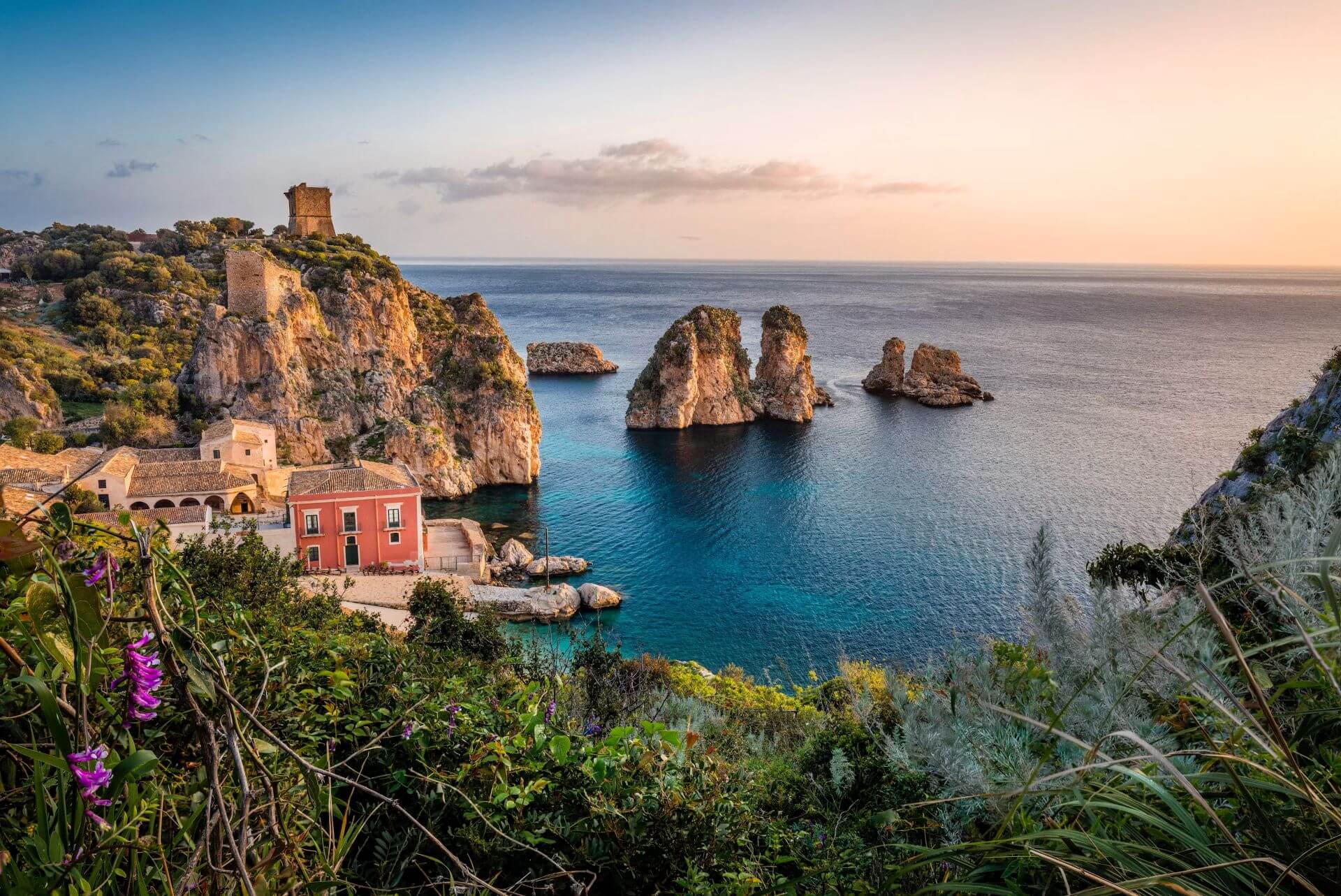
Few traditions capture the spirit of an Italian summer quite like Ferragosto. As early as June and July, Italians prepare for this special summer holiday. Celebrated every August 15th, this beloved national holiday transforms the country as millions of Italians leave their cities for the beaches, mountains, lakes, and islands. For anyone planning to visit Italy in mid August, Ferragosto offers a unique glimpse into local life beyond its famous landmarks.
Rooted in Ancient Rome and later shaped by the Catholic Church, Ferragosto blends history, faith, and modern vacation culture into one of Italy’s most treasured celebrations. Whether you’re spending a long weekend in Rome, relaxing along the Amalfi Coast, or exploring charming towns in the south, knowing the history of Ferragosto helps you experience Italy as locals do.
What is Ferragosto?
The answer lies in more than 2,000 years of history.
Ferragosto is celebrated every August 15th and the name traces its origins to the Latin phrase Feriae Augusti, meaning “Augustus’ Holidays.” Emperor Augustus established the celebration in 18 BCE to honor a period of rest after the harvest and military campaigns across the Roman Empire. The regime organised hundreds of festivities to celebrate their victories,
Originally observed on August 1, Ferragosto allowed the empire’s workers throughout the empire to recover after months of demanding agricultural labor. Communities paused work, shared meals, and celebrated together before returning to their daily routines. The festival recognized the importance of rest after the harvest while strengthening community ties.
Although today’s celebration looks very different, its purpose remains remarkably similar. Ferragosto continues to encourage people to slow down, reconnect with loved ones, eat and drink with them, and appreciate the pleasures of summer.
When is Ferragosto?
Ferragosto is celebrated every August 15, making it one of Italy’s most anticipated public holidays. Falling in mid-August, it marks the height of the summer holidays and the busiest vacation period in the country.
Whether you’re planning a day trip or a longer Ferragosto vacation, knowing the date is essential. Many businesses adjust their schedules, transportation becomes busier, and popular destinations welcome both locals and international visitors celebrating the season.
How the Catholic Church recalibrated Ferragosto
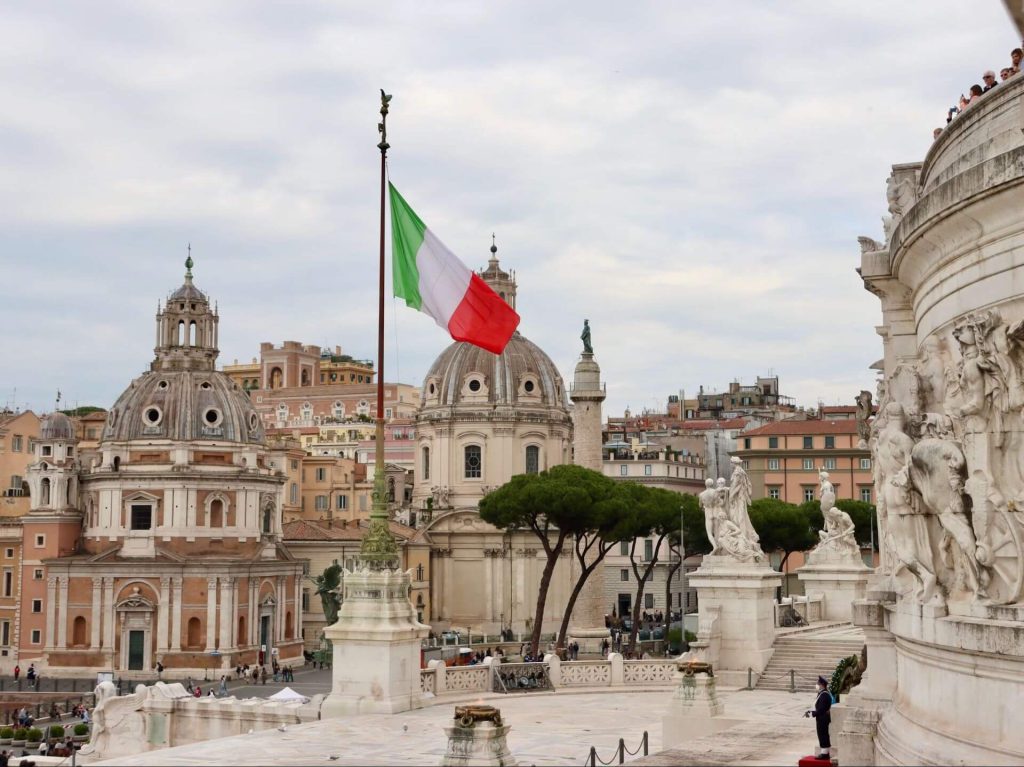
Ferragosto took on new meaning when the Catholic Church decided to move the celebration from August 1 to August 15, allowing it to coincide with the Feast of the Assumption of Mary, also known as Assumption Day.
According to Catholic tradition, the Assumption commemorates the Virgin Mary’s being taken body and soul into heaven. By the 6th century, the feast had become a Holy Day of Obligation, making August 15 one of the most significant celebrations in Catholicism.
Rather than replacing the Roman festival, the Catholic Church blended existing customs with Christian observance. The result is a holiday that combines ancient traditions with religious devotion. Across Italy, many communities attend church services in the morning before gathering with family and friends later in the day.
This connection between Roman history and Catholic faith makes Ferragosto one of Europe’s most distinctive celebrations, preserving the country’s early history while remaining meaningful to modern Italians.
Why Ferragosto defines the Italian summer
Ferragosto marks the peak of the Italy summer season. Many Italians take vacations for the entire month of August or spend the second half of the month away from work. Others enjoy a long weekend centered on August 15, making it one of the busiest travel periods of the year.
As millions leave the city to visit the beaches, mountains, lakes, and islands, Italy’s urban centers become noticeably quieter. Rome, in particular, experiences a significant drop in local residents as families head toward the coast or countryside.
Many neighborhood cafés, offices, and independent shops close temporarily, but major museums, historic sites, and popular attractions generally remain open. Visitors can continue exploring the city’s landmarks while enjoying a slower pace than usual.
The Amalfi Coast, Sicily, Sardinia, and other coastal destinations become especially lively as families enjoy the sea, scenic boat excursions, and picturesque towns. Mountain resorts are equally popular, offering cooler temperatures and beautiful landscapes during the warmest part of summer.
What is Ferragosto and How Italians celebrate it today
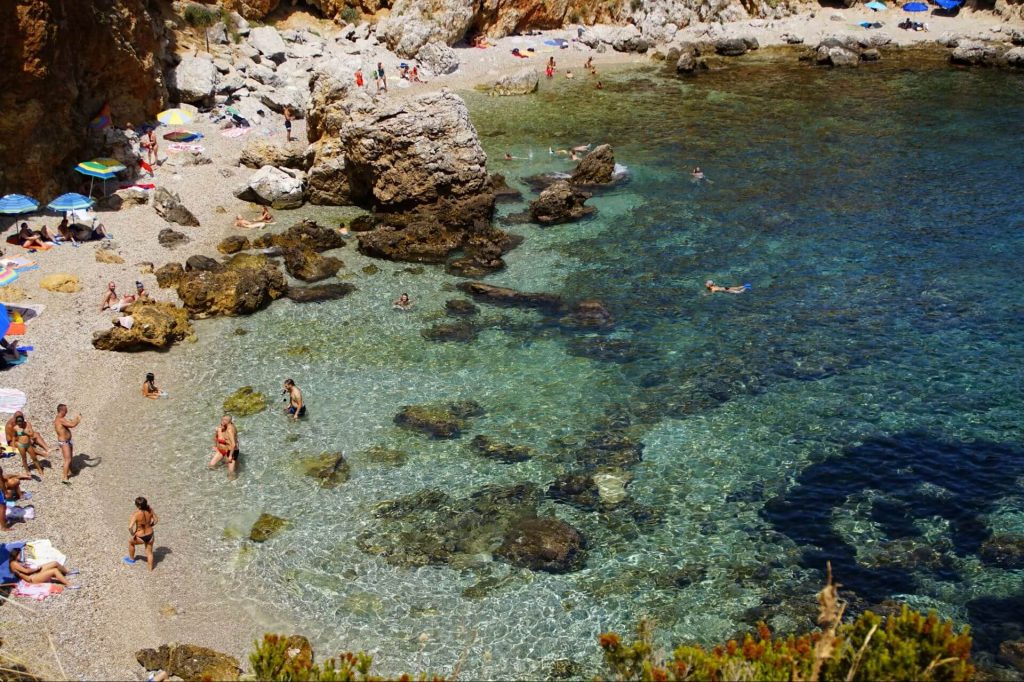
For most Italians, Ferragosto is about spending time with family friends and embracing a slower rhythm of life. Outdoor lunches and barbecues are among the holiday’s most popular traditions, with tables filled with regional specialties, seasonal produce, and homemade desserts.
Many families head to the beaches to swim, relax by the sea, or enjoy picnics that last well into the afternoon. Others decorate gathering places with flowers, organize games for children, or escape to the mountains for cooler weather.
Throughout the country, local celebrations include concerts, food festivals, religious processions, and spectacular fireworks. Every region celebrates Ferragosto differently, creating a treasure trove of traditions that showcase Italy’s cultural diversity.
For many households, Ferragosto is less about sightseeing and more about slowing down, sharing meals, and creating lasting memories with loved ones.
Festivals and traditions that make Ferragosto unique
Although Ferragosto is celebrated throughout Italy, every region observes the holiday in its own way. Coastal towns, mountain villages, historic cities, and islands each add local customs that have been passed down through generations. For travelers, this variety is part of what makes the celebration so memorable.
Many communities organize open-air concerts, food fairs, religious processions, and evening fireworks that bring together residents and visitors alike. Along the coast, families spend the day on boat trips, relaxing at the beach, or enjoying fresh seafood after a refreshing swim. Inland communities often celebrate with village festivals, music, and events that honor local traditions and the harvest.
One of Italy’s most famous spectacles follows immediately after Ferragosto. On August 16, the Palio di Siena fills the medieval city with colorful pageantry as riders representing Siena’s historic districts compete in one of the country’s best-known horse races. The event attracts visitors from around the world and is an excellent addition to an August itinerary.
Whether you’re wandering through historic towns, relaxing along the coast, or exploring Italy’s countryside, Ferragosto offers a treasure trove of cultural experiences that extend far beyond a typical summer vacation.
How Ferragosto became Italy’s biggest vacation period
Although Ferragosto began in Ancient Rome and later became associated with the Catholic Church, its modern travel culture was shaped during the 1920s.
During the fascist regime, the government organized special rail services known as the People’s Trains, offering discounted prices that allowed hundreds of workers and families to travel during the holiday. These affordable journeys encouraged more Italians to take summer vacations, turning Ferragosto into the country’s biggest travel season.
While the political circumstances belong to history, the vacation tradition has endured. Today, many Italians plan a Ferragosto vacation lasting several days or even weeks. As a result, beaches, mountain resorts, and coastal destinations become especially lively, while many cities experience a noticeable decline in local populations.
Tips to visit Italy during Ferragosto
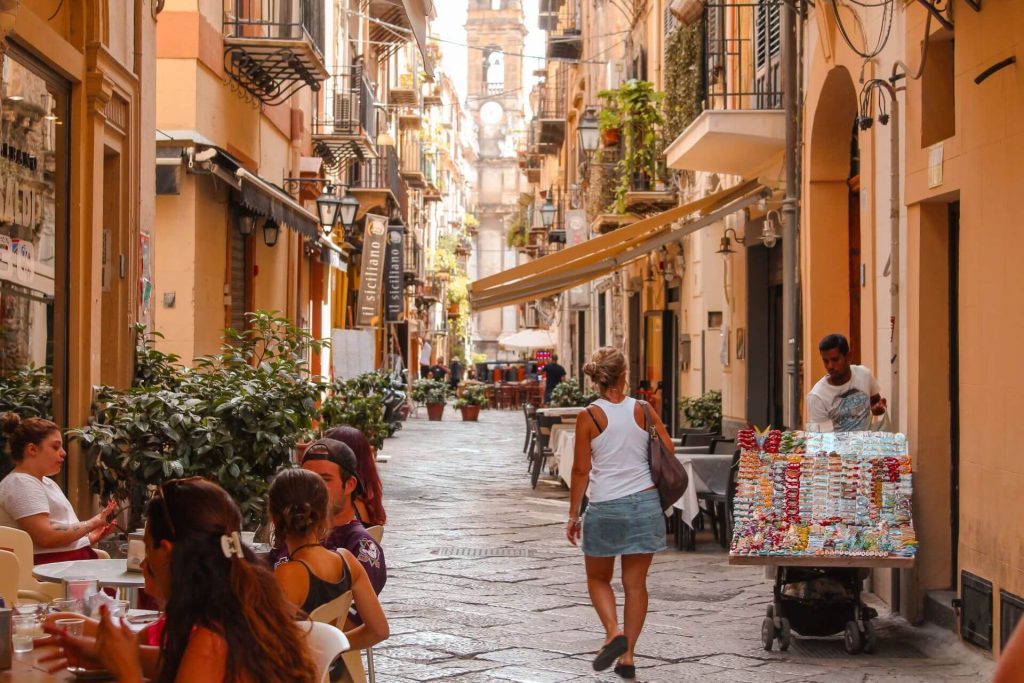
If you’re planning your next trip to Italy, understanding Ferragosto will help you make the most of your visit.
Reserve hotels well in advance, particularly if you plan to stay along the Amalfi Coast, on the islands, or in other popular seaside destinations. August is one of the busiest months for tourism, and accommodations often fill quickly.
Book tables at popular restaurants, especially for August 15, since many family-owned establishments close so staff can celebrate with relatives. Purchasing train tickets early is also recommended because domestic travel reaches its annual peak.
If you’re visiting Rome, don’t let business closures discourage you. While neighborhood shops may close for the holiday, most major museums, archaeological sites, and landmarks remain open, allowing you to continue exploring the city.
Shopping hours may vary during Ferragosto, so it’s worth checking schedules before heading out. Instead of rushing from one attraction to another, embrace the holiday’s slower pace. Enjoy a leisurely meal, spend time by the sea, or join a local festival to experience Italy much like the locals do.
While destinations in Spain and Greece are also popular during August, Ferragosto offers something uniquely Italian—a celebration where ancient traditions, faith, and summer leisure come together in a way few other countries can match.
Frequently asked questions about Ferragosto
What is Ferragosto?
Ferragosto is Italy’s August 15 public holiday, combining the ancient Roman Feriae Augusti with the Catholic Feast of the Assumption of Mary. It marks the height of the country’s summer holidays and is celebrated with family gatherings, festivals, vacations, and community events throughout Italy.
Are tourist attractions open during Ferragosto?
Yes. Although many local businesses close around August 15, most major museums, archaeological sites, and popular attractions remain open, particularly in cities such as Rome. However, it’s still wise to reserve tickets, restaurants, and accommodations in advance because August is a peak travel season.
Experience Italy at its most authentic
Ferragosto has remained one of Italy’s most cherished celebrations because it brings together the country’s rich history, enduring faith, and love of family. From its beginnings under Emperor Augustus to its connection with the Feast of the Assumption, the holiday continues to symbolize rest, gratitude, and togetherness at the height of summer.
Whether you visit Italy to admire the historic streets of Rome, unwind along the Amalfi Coast, explore charming villages in the south, or witness the excitement of the Palio di Siena, Ferragosto offers an unforgettable opportunity to experience Italian culture beyond its famous landmarks. It is a celebration where the past and present come together, inviting visitors to slow down, savor the season, and appreciate the traditions that continue to shape everyday life.
