

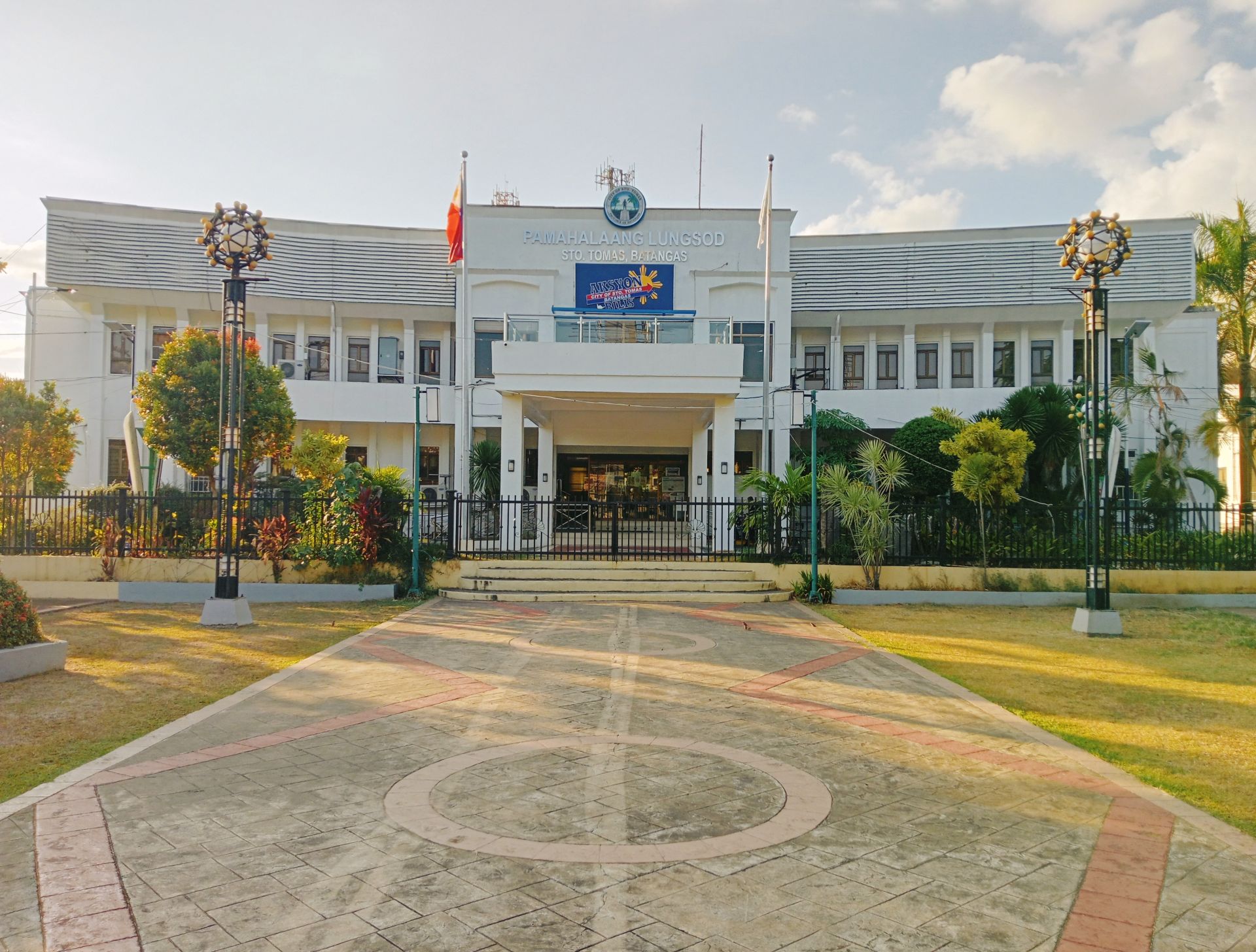
Living in Santo Tomas, Batangas offers a practical middle path for households that want the conveniences of city life without Metro Manila’s density. Located just south of the Laguna boundary, this component city pairs industrial growth with good schools, established hospitals, and a local culture that remains visibly intact. About an hour from the capital via the South Luzon Expressway, it makes a persuasive case for the south as a place to put down a household.
Santo Tomas City, Batangas and its strategic location
Few cities in Southern Luzon sit as neatly on the map as Santo Tomas. Known as the Gateway to Batangas, Santo Tomas works as a bridge between Metro Manila and the Southern Tagalog provinces, connecting Batangas, Laguna, and Quezon.
The Maharlika Highway runs through the city, while the STAR Tollway carries traffic onward to Batangas City and Lipa City. Modern road developments, above all the South Luzon Expressway, have shortened travel time to Manila, so a trip to the capital takes about an hour in good conditions. That easy access explains why the city keeps drawing both employers and families.
Distance from the metropolis also changes the air and the scenery. Mount Makiling provides a scenic backdrop and a cooler climate than the lowland capital, an appealing change for anyone after fresh air following years in the metro. Climate data for the area still follow the tropical pattern of Southern Luzon, with distinct wet and dry seasons, so ventilation and drainage matter when choosing a home.
A component city built on industrial growth
The city’s economy shows in its numbers. The Philippine Statistics Authority counted 218,500 residents in the 2020 census, which makes Santo Tomas the third most populous city in Batangas after Lipa City and Batangas City. The population rose by 4.18 percent a year between 2015 and 2020, a pace that points to a growing population and steady demand for housing.
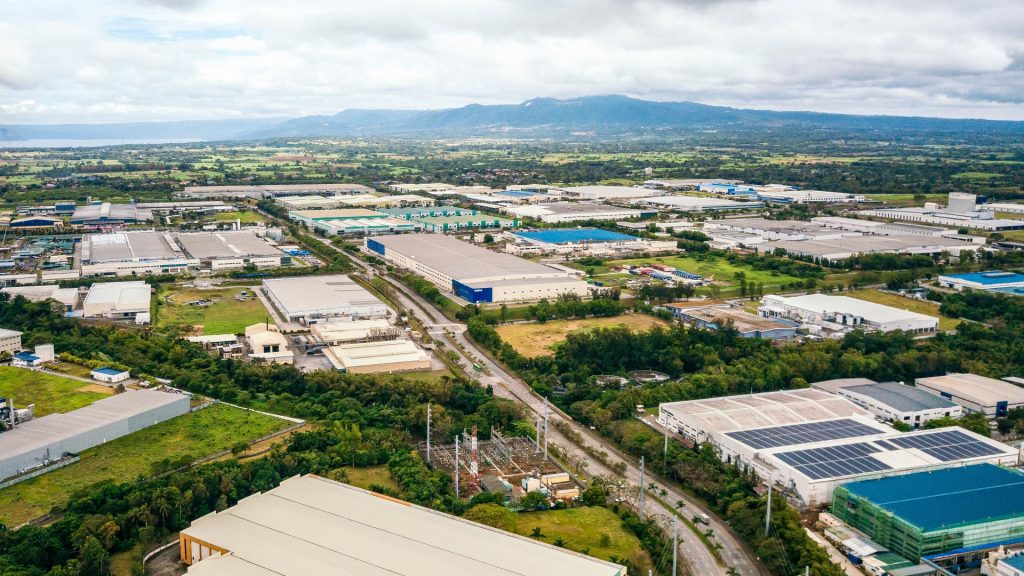
Much of that growth follows jobs. The First Philippine Industrial Park, a 500-hectare estate in Santa Anastacia, anchors the local economy and offers numerous job opportunities to the city and its neighbors. Nearby, the 124-hectare Light Industry and Science Park III hosts global enterprises. Together, these industrial zones make Santo Tomas one of the province’s busiest addresses for light industry and manufacturing.
The local economy is diverse beyond the factory gates, with logistics, services, and agriculture running alongside manufacturing. For young professionals, that mix means a thriving economy with job opportunities close to home and no dependence on a single employer. Large industrial parks also bring dormitories, retail strips, and essential services into surrounding barangays, and Consuelo Park, a green space inside the First Philippine Industrial Park, gives workers a stretch of nature during the workday.
Schools and healthcare for growing families
Families tend to ask about classrooms and clinics first, and the city has a workable answer to both. Santo Tomas has 27 public elementary schools and 5 public high schools, while 19 private schools add further choice. Among its educational institutions, Southville International School & Colleges is a major name, and Canossa College is one of the notable schools in the city. For tertiary study, the Polytechnic University of the Philippines maintains a campus in Santo Tomas, giving local students a state-university option without a move to Manila. Together, these schools support quality education from grade school to college.
Healthcare follows a similar pattern. Cabrini Medical Center and other general hospitals handle most everyday needs, and private hospitals and dental services are available around the city center and along the main roads. Residents who need specialized care can look to the tertiary hospitals in nearby cities such as Lipa City and Batangas City. Peace and order, local government services, and the visibility of the Philippine National Police are among the essential services a family weighs when choosing a location, and Santo Tomas has them all.
Housing options and associated costs
Rapid urbanization has brought a wide range of housing to Santo Tomas. House and lot prices range from PHP 1.70 million to north of PHP 20 million, a spread that covers an affordable house for a first-time buyer as well as larger homes for established households.
Location within the city matters. San Vicente, Santa Anastacia, San Miguel, and Santa Maria are the most populous barangays in the 2020 census, and each is large enough to support its own stretch of shops and services. San Pedro, San Roque, Santa Cruz, and San Luis round out a list of 30 barangays, each adding to the city’s mix of neighborhoods.
Among the newer options, Crown Asia’s Verdalia is a 3.6-hectare themed development set against the foothills of Mount Makiling. The name comes from the Italian and Spanish word for green, and the plan concentrates homes in the accessible lowlands while keeping the foothills visible from within the community. Its model homes, Sapphire, Topaz, and Garnet, are designed around those views. Amenities include a clubhouse, a swimming pool, a gym, sports courts, and landscaped paths, which give children and retirees a place to spend an afternoon without leaving the neighborhood.
The mix of price points also shapes who settles here. Young couples often start with a compact house near a commercial road, mid-career families look for a larger lot with room for a garage and a small garden, and some buyers choose Santo Tomas as a base closer to relatives in Laguna or Quezon. Because the city keeps adding residential communities, buyers can compare several developments, Verdalia among them, within a short drive before committing, and visiting on a weekday morning and again on a weekend shows how traffic behaves around each site.

Daily convenience in a growing city
City living here is organized around a handful of commercial hubs. Malls, the public market, and AllDay supermarket branches cover groceries, while AllHome Santo Tomas serves buyers furnishing a new house. Local markets still set the rhythm for fresh produce, so residents get a convenient lifestyle that draws on both modern retail and traditional stalls.
Getting around depends on public transportation. Jeepneys and tricycles cover short local routes, and buses connect the city to Manila and neighboring provinces. Traffic congestion is a significant challenge during peak hours, especially along the Maharlika Highway and around the shrine on feast days. Households that live near their workplaces or schools feel it least, an advantage the industrial parks make possible.
Practical details deserve the same attention as the headline figures. Buyers comparing a house in Santo Tomas with one in Laguna or Cavite should check flood history, the distance to the nearest SLEX or STAR Tollway access point, and the reliability of water and power in each barangay. A site visit shows more than a brochure does, and the city’s growing population makes it worth asking how nearby roads and schools are expected to cope with new households.
Culture, faith, and community life
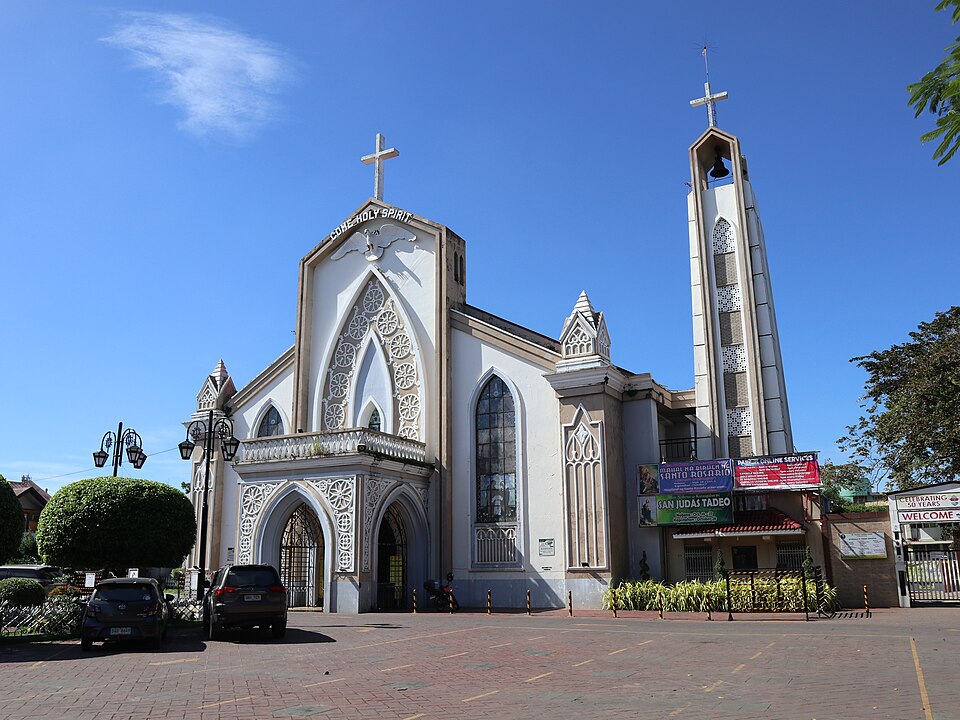
Santo Tomas blends rural charm with urban development. The city keeps strong traditional ties and a calendar of local festivities, and its annual festivals celebrate local culture and traditions. It is also the hometown of General Miguel Malvar, the Filipino general who led Tagalog Republic forces during the Philippine-American War, and a shrine and museum in his name keep that history on view. The St. Thomas Aquinas Parish Church, dedicated to the saint the city is named for, is a landmark of the city center.
The National Shrine of Saint Padre Pio began as a small chapel in 2003 and now draws thousands of visitors annually. On September 23, 2026, the feast day of the saint, the Padre Pio Shrine was declared an international shrine, only the second in the Philippines, with pilgrims arriving from across Asia.
Why the south is worth a closer look
Santo Tomas rewards households that value a balance of work, schooling, and family time. Its strategic location keeps Metro Manila within reach, the local economy supplies steady jobs, and the housing market spans a wide range of budgets. The trade-offs are real, mainly peak-hour traffic and ongoing development in the city center, but they come with a community that holds on to its traditions. For anyone weighing living in Santo Tomas, Batangas, the city offers room to grow in a province with a rich culture of its own.
Explore Crown Asia’s properties Southern Luzon and find a home in Batangas that offers your family space, convenience, and a well-connected address near work and school.
