

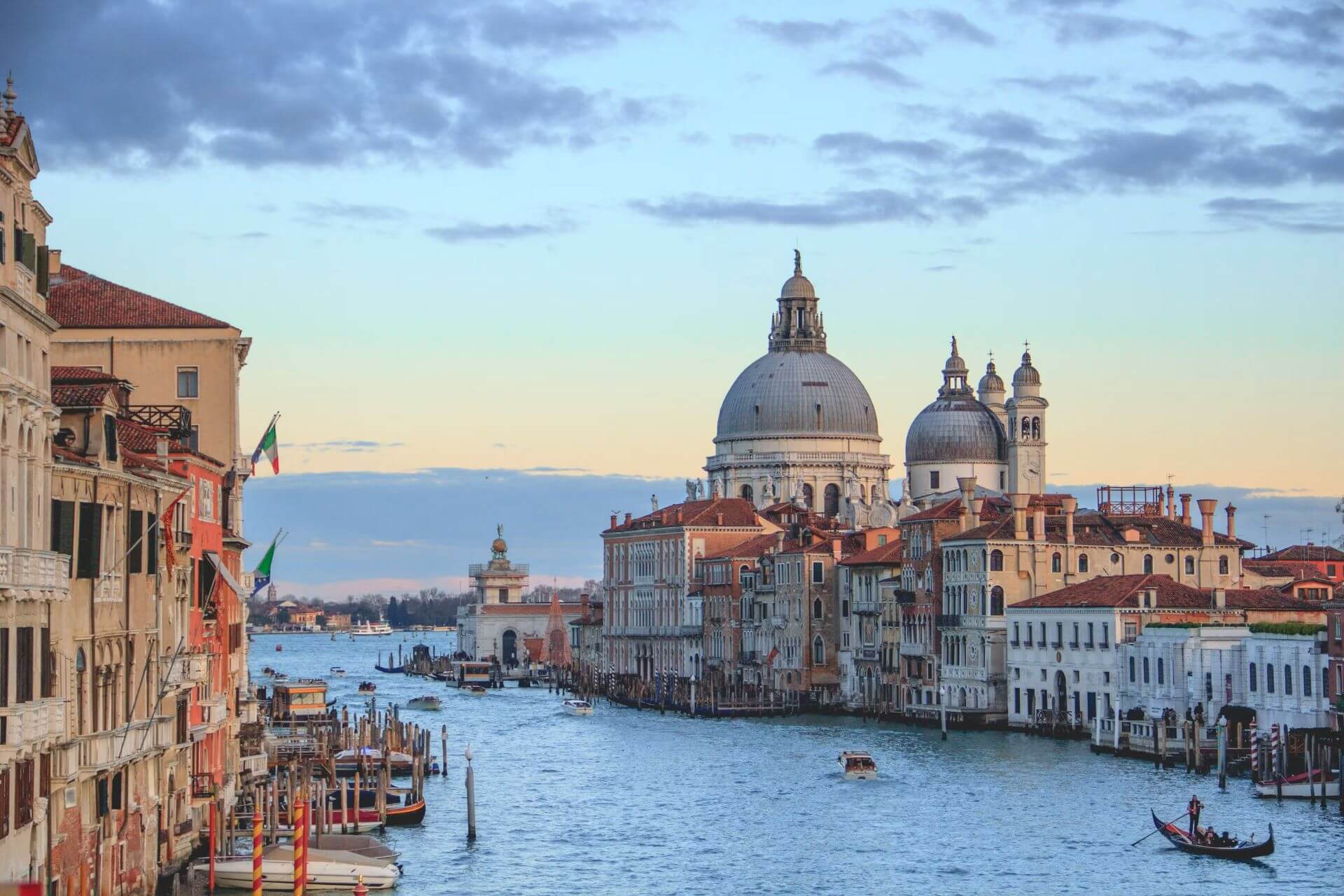
Venice is the only city in the world where a film festival, a labyrinth of canals, and centuries of maritime power occupy the same square kilometer of relevance. The Venice Film Festival is the world’s oldest and a celebration of cinematographic art. The Venice Film Festival, an international exhibition held each year on the Lido di Venezia, is the reason many travelers first hear the word “Venice” outside a history book, but the city earns its reputation from far more than red carpets, cultural or sporting events. Its architecture, its islands, and its daily rhythms have shaped how the world pictures romantic cities for over a thousand years.
The Venice Film Festival: Origins of a global stage
The Venice International Film Festival was established in 1932, making it the world’s oldest international film festival — predating Cannes and Berlin by more than a decade. It was founded under the auspices of La Biennale di Venezia, the international art exhibition created by the Venice City Council that had already been running since 1895, and its first artistic director organized a festival program built around films screened in open-air settings along the lagoon.
The first festival was established as an extension of the main Venice Biennale, a well-known international contemporary art exhibition, and raise awareness for the cinema as a higher art form rather than merely commercial entertainment. From hereon, the annual event has been accorded international prestige and global recognition.
The first festival, held on the balcony of the Hotel Excelsior, was inherently nationalistic, designed to showcase Italy’s cultural superiority under the regime of Benito Mussolini. The money Italians spent to fund the festival came directly from the state and wealthy Italian citizens who wanted to push local tourism and worldwide prestige. The festival’s early years were tied closely to Italian politics. The Fascist National Federation of the Entertainment Industries backed its expansion, and for a period the event doubled as a showcase for Italian culture and film industry ambitions on an international stage.
World War II interrupted the calendar with the festival’s entire system shutting down; the festival resumed in the years after the war, though its early ties to government involvement occasionally drew criticism during moments of social and political unrest.
A major film festival and a platform to promote international cinema
As the festival returned, an audience vote replaced the usual official jury prizes. The original film and the very first movie produced and screened at the festival was a French film—a classic directed by René Clair entitled Le Million.
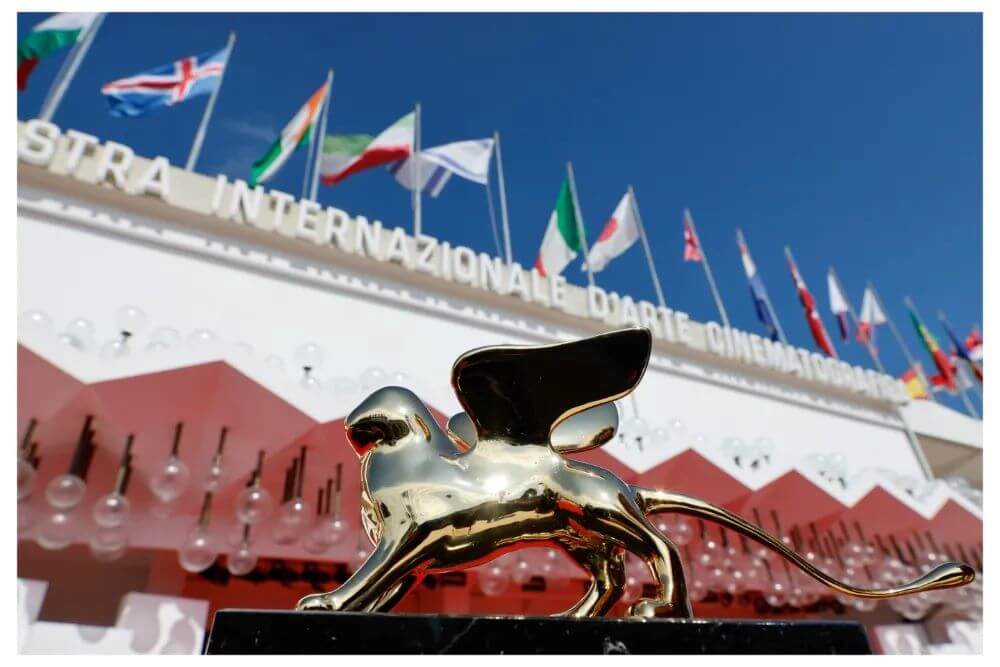
However, as the festival formalized its competition structure in the mid-1930s, the jury included foreign members alongside local Italian critics to ensure credibility. Over the years, the pool of prizes grew into a strict hierarchy of seventeen awards and special recognitions, anchored by the renowned Golden Lion.
The festival established recognition once countries participated more broadly and the event opened itself to American film, French film, and other foreign entries. Nine countries were represented in its earliest post-war editions, a number that expanded steadily as festival opened to Italian film directors and international directors alike. The Golden Lion, introduced in 1949, became the festival’s most recognized top prize, joined over time by official awards for best film, best actor, and best actress.
The festival’s governing body has since introduced other adjustments to keep pace with a more modern image of cinema. An independent and parallel section was added to give space to work outside the main competition, and in 2017 the festival introduced a virtual reality section — an early acknowledgment that film world formats were expanding beyond the screen.
Even an audience referendum has, at times, shaped how first official awards for artistic quality were determined. Held annually in late August or early September, the Venice Film Festival continues today as a fixture of the international cinema calendar, drawing five films or more into daily competition and screening everything from the most moving film of a festival’s slate to the occasional funniest film for lighter relief. This variety is what helped the Venice film festival earn its reputation as the platform that hosted world premieres of many classic films throughout the decades.
Arriving in Venice and getting around
Venice has no cars, and that single fact should be considered in every visit. From Marco Polo Airport, water taxis are the main transport into the city, cutting directly across the venetian lagoon. Travelers on a tighter budget typically rely on the Vaporetto, Venice’s public waterbus system, where a single ticket costs €9.50 for 75 minutes, while a day pass runs €25 for unlimited travel — a better value for anyone planning to move between San Marco, San Polo, and the outer islands in one visit.
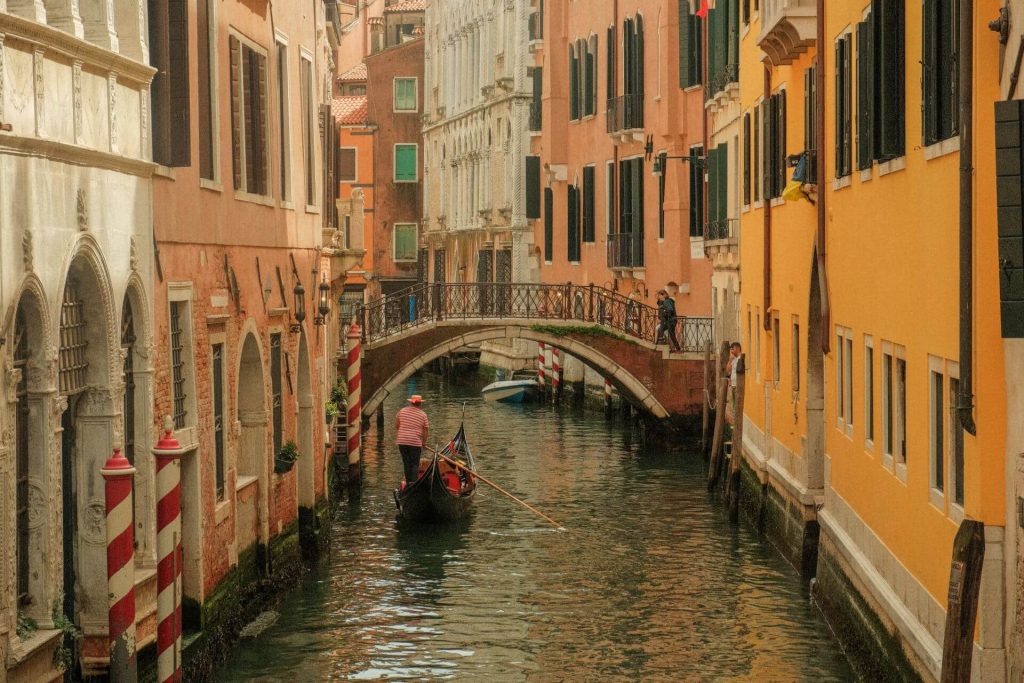
Walking is the primary way to explore once inside the city itself, and it is often the most rewarding. Narrow calli open unexpectedly onto the Grand Canal or a quiet campo, and getting slightly lost is part of the experience. For a single indulgent evening, a gondola ride costs €80 for 30 minutes before 7pm, which is a fixed, city-regulated rate, since gondoliers operate under their own regulations set by the city council.
When and where to visit: Venice’s best seasons and spots
Venice rewards travelers who avoid its peak. The city’s best visiting times are April to June and September to early October, when temperatures are mild and the crowds that fill Piazza San Marco in July and August thin out considerably. Shoulder-season travel also aligns conveniently with the Venice Film Festival itself, since the event’s early September dates offer a rare chance to see the city functioning at full creative capacity without the density of midsummer tourism.
Winter brings its own considerations. Acqua Alta, the seasonal high tide that can flood low-lying areas, typically occurs between November and March, and visitors should check tide forecasts before planning routes near San Marco. The upside of this period is cost: Venice hotels are generally cheaper from November to April, making the off-season an option for travelers prioritizing value over festival dates.
Piazza San Marco: The drawing room of Europe
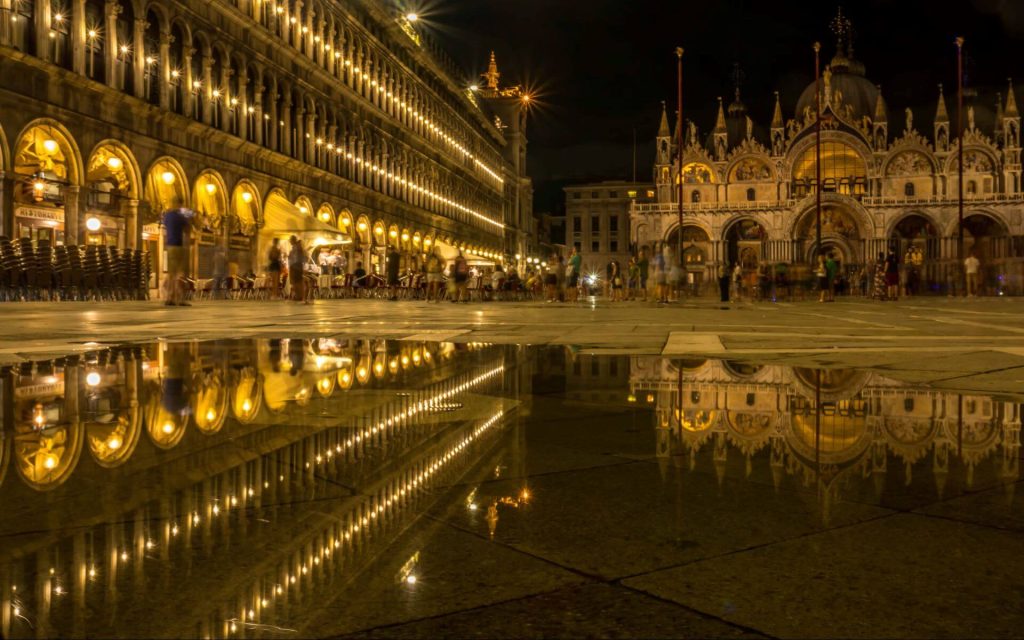
Piazza San Marco has long been called the drawing room of Europe, a description that still holds when the square is quiet in early morning light. Saint Mark’s Basilica anchors one end, its gold-leaf mosaics visible even from a distance. Modest dress is expected inside, as it is in most churches across the city. Nearby, the Doge’s Palace, built in 1340 in Venetian Gothic style, once housed the seat of Venetian government, and the Bridge of Sighs still connects it to the prison cells that gave the bridge its name.
Caffè Florian, established in 1720, sits along the square’s arcades as the second oldest coffee house in continuous operation, a detail that places a simple espresso within eight decades of the festival’s own founding. A short walk away, the Rialto Bridge — initially constructed in 1173 and rebuilt in its current stone form in 1591 — remains the most photographed crossing over the Grand Canal.
Beyond the crowds: Murano, Burano, and the lagoon
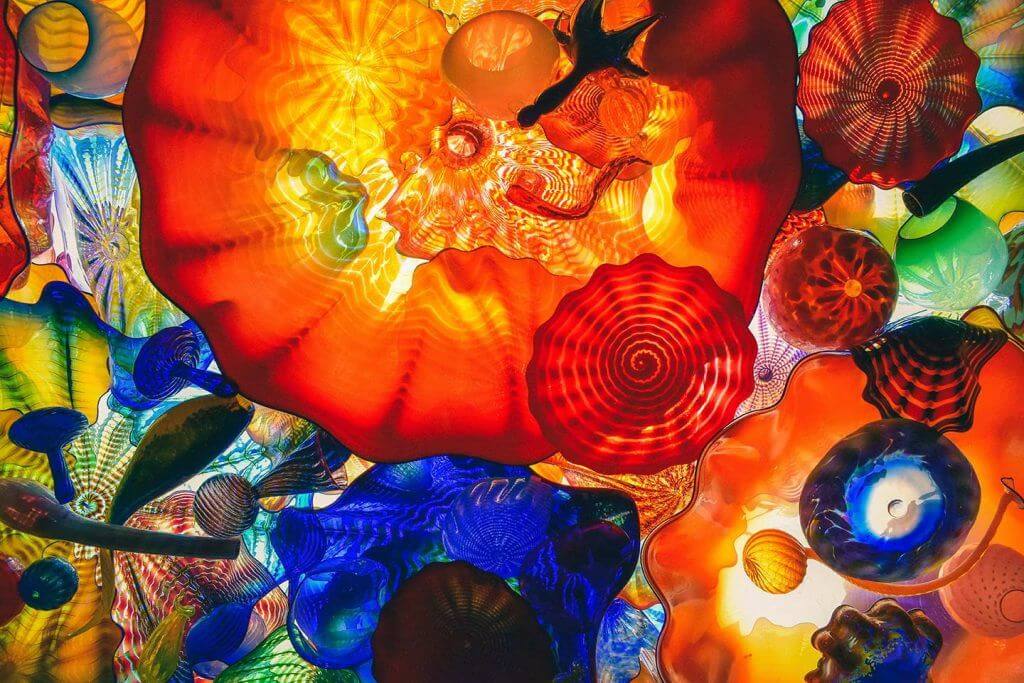
Venice is built across more than 100 small islands within its lagoon, and several beyond the main city justify a half-day trip. Murano is famous for its traditional glassmaking, a craft still practiced in workshops that have operated for centuries. Burano, further out, is known for its colorful houses and hand-worked lace-making, both of which draw visitors as much for the visual contrast as for the craft itself.
For art beyond the festival circuit, the Peggy Guggenheim Collection holds modern art inside Palazzo Venier dei Leoni, a canal-side palace that was never finished by its original owners. One practical note applies across the entire lagoon: swimming in the canals is strictly prohibited, both for hygiene and boat traffic reasons, regardless of how inviting a stretch of water might look on a warm afternoon.
Where elegance checks in: Hotels and cicchetti
Accommodation in Venice ranges from modest guesthouses to some of Europe’s most storied hotels. The Gritti Palace remains one of the fanciest hotels in the city, while the Excelsior Palace Hotel on the Lido has hosted festival guests since the earliest editions of the event. Closer to the main square, the Splendid Venice hotel sits a five-minute walk from San Marco, and canal view rooms are consistently worth the upgrade for the perspective they offer on daily Venetian life.
Food in Venice is best approached the way locals do: in small portions across several stops. Cicchetti, the small Venetian snacks served in local wine bars, pair naturally with an evening spent moving between campi rather than committing to one long dinner. For Filipino travelers used to sharing plates over long conversations, the cicchetti custom will feel familiar even if the setting is entirely new.
A city that keeps its own pace
Venice’s appeal was never built on convenience. A city without cars, prone to seasonal flooding, and shaped by tourism schedules around a festival calendar demands a different kind of travel planning and rewards it accordingly. The Venice Film Festival gave the city an international stage nearly a century ago, but Piazza San Marco, the Rialto Bridge, and the enduring workshops of Murano earned Venice its reputation long before any camera arrived, and will likely hold it long after.
