

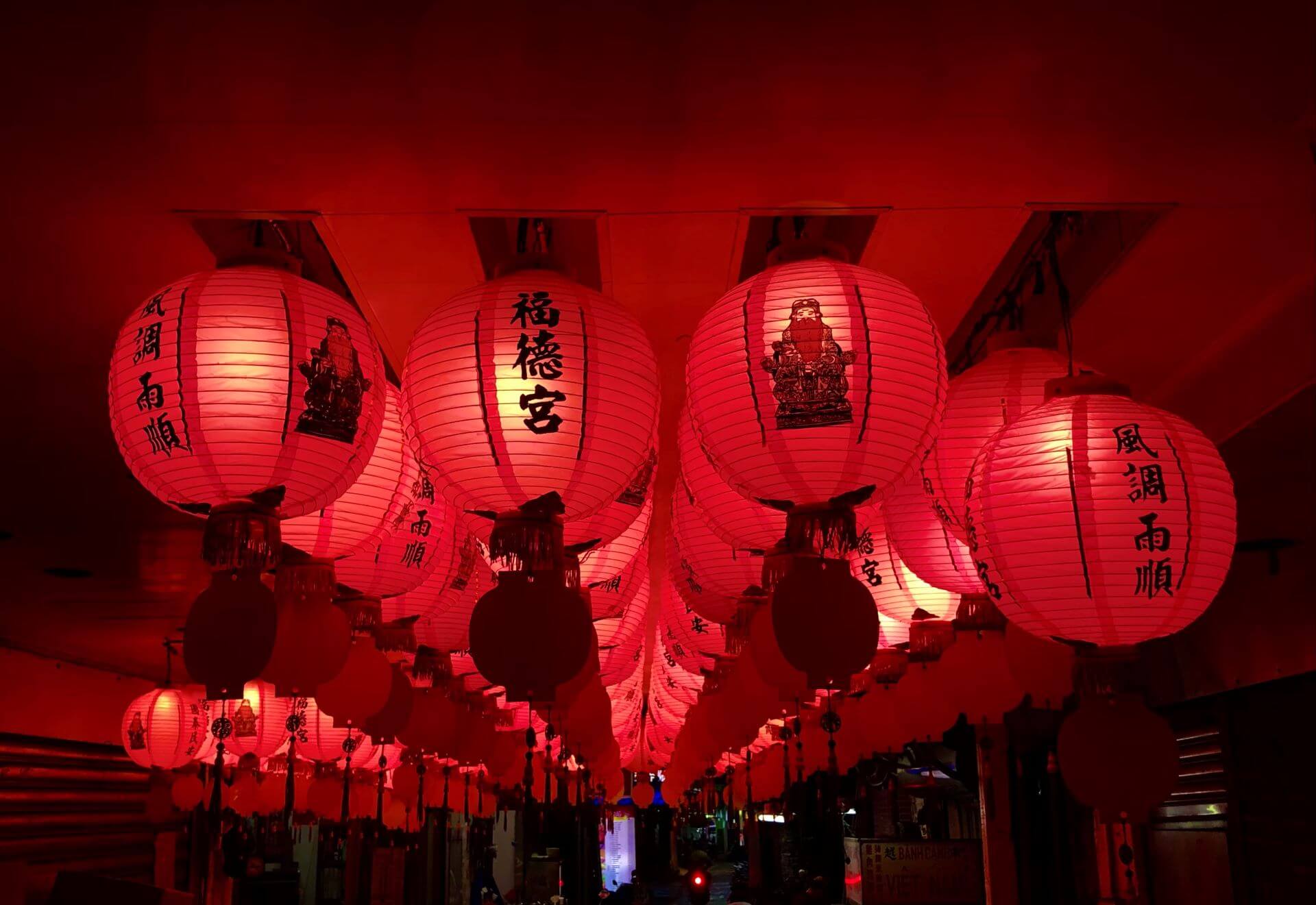
Ghost Month is a period observed across many Asian countries through rituals, offerings, and customs that pay tribute to ancestors while acknowledging beliefs surrounding wandering spirits. While often associated with caution and superstition, the tradition represents centuries-old practices connected to ancestral veneration, Buddhist traditions, and local community gatherings.
Celebrated during the seventh month of the lunar calendar or Chinese calendar, which usually falls in August, Ghost Month is believed to be the time when the gates of the afterlife open, allowing spirits to revisit the mortal world, particularly in the evening. Different countries and their people engage in and observe the season in their own ways, from temple ceremonies and food offerings after the fall harvest, to hanging clothes, cultural performances, and family gatherings.
Although practices vary across East Asia and Southeast Asia, the central idea remains similar: remembering the deceased, showing respect to ancestral spirits, and maintaining harmony between the living and the spiritual realm.
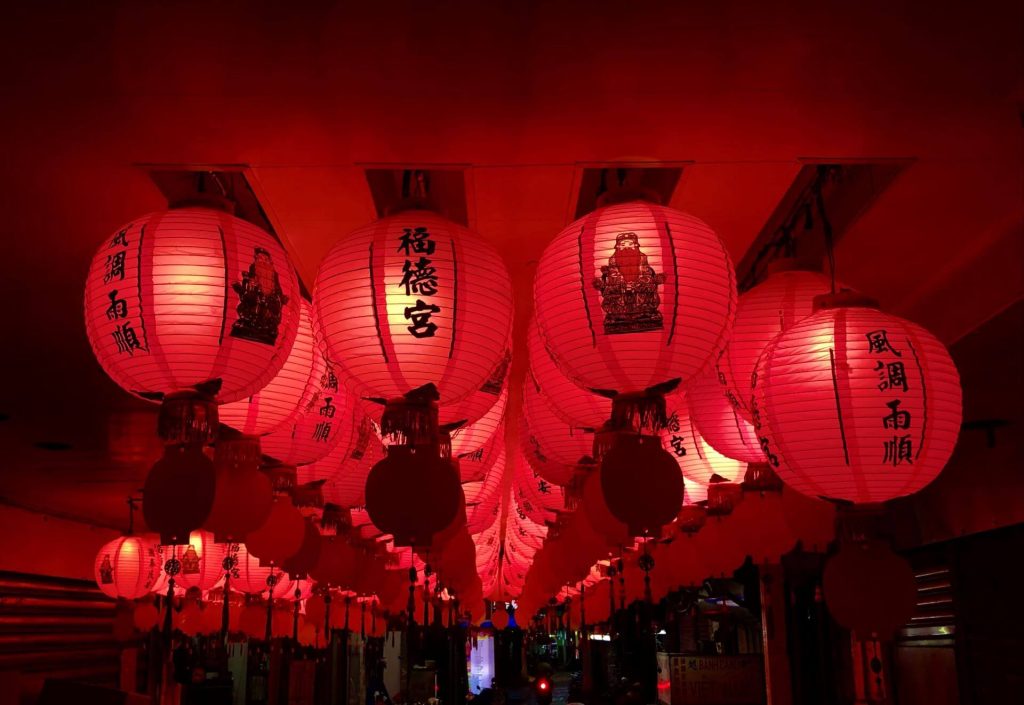
The origins and meaning behind Ghost Month
Ghost Month stems from ancient beliefs about the relationship between the living and the dead. During this period, wandering ghosts and ancestral spirits are believed to return to visit the living realm, particularly on the fifteenth day of the seventh lunar month.
The Hungry Ghost Festival, also known as the Mid-Summer Ghost Festival, is traditionally observed on this day. It is connected to the belief that spirits without descendants or proper offerings may wander the world seeking food, attention, or comfort.
Across many Asian countries, families and communities perform rituals to honor ancestors and appease wandering spirits. Offerings commonly include food, incense, and spirit money, which are burned as symbolic gestures of respect and remembrance.
The tradition is also associated with Buddhist practices. In China, the festival is linked to the Zhongyuan Festival, while Buddhist communities observe the Yulanpen Festival, which highlights compassion, filial responsibility, and acts of kindness. Buddhist monks may participate in ceremonies intended to help wandering souls find peace.
Ghost Month is often discussed alongside other ancestral traditions, such as the Qingming Festival or Tomb Sweeping Day, when families visit burial sites to pay respects. However, the two occasions serve different purposes. Qingming focuses on visiting and maintaining ancestral graves, while Ghost Month centers on welcoming spirits believed to return temporarily.

How different Asian countries celebrate Ghost Month
Regional customs during Ghost Month vary widely across Asia. Each country incorporates local traditions, religious influences, and community practices into the observance.
China: Honoring ancestors through offerings and ceremonies
In China, Ghost Month is deeply connected to ancestral veneration. Families prepare offerings for deceased ancestors, including elaborate meals placed on altars or outside homes. Many believe that providing food, incense, and spirit money helps honor ancestors and bring balance between the physical and spiritual worlds.
The first day of Ghost Month is traditionally marked by ceremonies where families burn joss paper as offerings. Throughout the month, communities may hold temple ceremonies, performances, and gatherings dedicated to remembering spirits.
On the fifteenth day, families often prepare special dinners for spirits. Some communities also organize public celebrations where food and other offerings are presented to wandering ghosts.
Chinese communities may also observe certain precautions during Ghost Month. Some avoid making important decisions, opening new businesses, or starting major life changes during this period due to beliefs that wandering spirits may bring uncertainty.
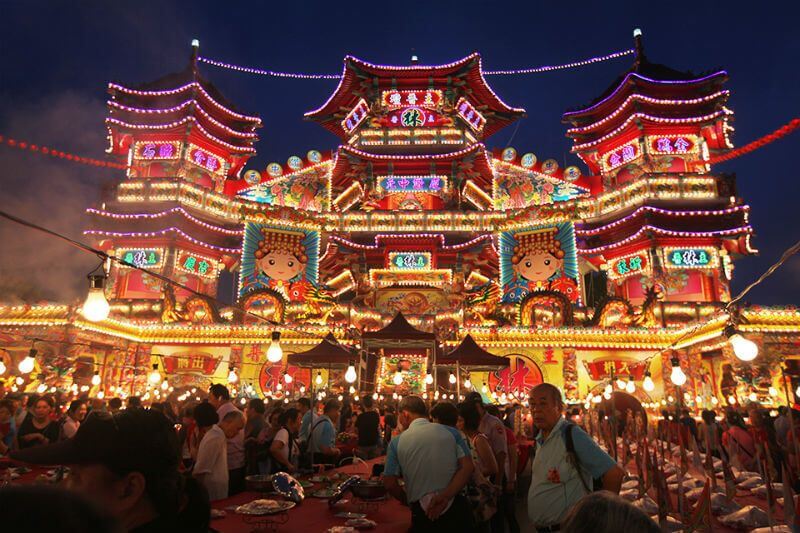
Taiwan: Lanterns, rituals, and guiding lost souls
Taiwan has some of the most visible Ghost Month traditions. Communities organize ceremonies, prepare offerings, and hold events dedicated to wandering spirits.
One of the most recognized customs is the release of floating water lanterns. These lanterns are believed to guide lost souls and help wandering spirits find their way. On the last day of Ghost Month, lanterns are often released as a symbolic farewell before spirits return to the spiritual realm.
Families and communities may also create large altars filled with food, incense, and offerings. Some celebrations feature performances with empty seats reserved for visiting spirits, acknowledging their presence during the festival.
Japan: Obon and welcoming ancestral spirits
Japan celebrates its version of Ghost Month through Obon, a festival focused on welcoming ancestral spirits back home. While Obon shares similarities with Ghost Month traditions, it places greater emphasis on family remembrance and honoring ancestors.
During Obon, families visit graves, clean ancestral memorials, and prepare offerings. Many households welcome spirits through lanterns placed near entrances, while communities hold traditional dances and gatherings.
The festival demonstrates how Ghost Month traditions differ across countries. Rather than focusing only on avoiding malevolent spirits, Obon emphasizes connection between generations and the continued presence of ancestors in family life.
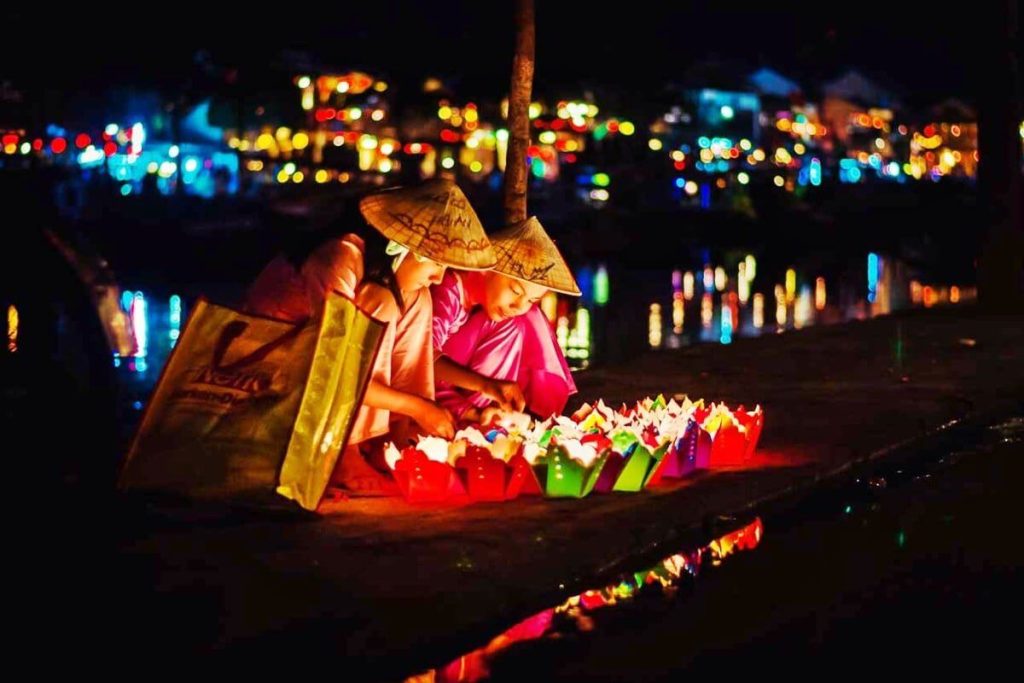
Image from Vinpearl
Vietnam: Vu Lan and filial respect
In Vietnam, Ghost Month is known as Tháng Cô Hồn and is also celebrated as Vu Lan. The observance places strong importance on filial piety, gratitude, and respect for parents and ancestors.
Families prepare food offerings, visit temples, and participate in ceremonies to honor deceased loved ones. Vu Lan is closely associated with Buddhist traditions, particularly the values of compassion and gratitude.
The celebration encourages people to remember the sacrifices of previous generations. Through prayers and symbolic gestures, families express appreciation for those who came before them.
Hong Kong and Singapore: Community performances for wandering spirits
In Hong Kong, Ghost Month traditions often include street operas and community performances. These events may feature empty seats reserved for spirits, reflecting the belief that wandering ghosts are invited to participate.
Singapore also holds Getai performances during Ghost Month. These colorful stage shows combine music, comedy, and entertainment, with performances believed to welcome wandering spirits while bringing communities together.
These celebrations show how Ghost Month has become both a spiritual practice and a cultural event. The traditions preserve beliefs while allowing communities to gather and share experiences.
Common Ghost Month practices and precautions
Many Ghost Month customs involve respectful behavior toward the spiritual realm. While beliefs differ between families and communities, several practices are commonly observed.
Some people avoid major life decisions during Ghost Month, including starting new businesses, signing significant agreements, or making major purchases. The belief comes from the idea that the seventh lunar month is not the most favorable period for new beginnings.
Other common practices include:
- Avoiding swimming or going near bodies of water, as some believe wandering spirits may linger in these areas.
- Avoiding hanging wet clothes outside at night because spirits may attach themselves to clothing.
- Avoiding taking pictures at night during Ghost Month due to beliefs that cameras may capture unwanted spiritual presences.
- Avoiding frequent conversations about ghosts or death, as some believe repeatedly mentioning them may attract negative energy.
Some families also practice wearing red during certain occasions, as the color is traditionally associated with protection in various Asian cultures. Others avoid activities they believe may bring misfortune, such as disturbing offerings or disrespecting ceremonies.
These customs are not practiced universally. For many people, Ghost Month reflects cultural traditions and family values rather than strict religious rules.
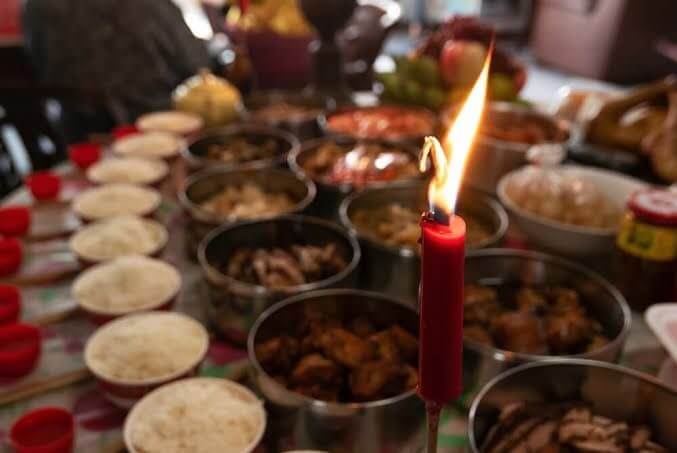
Image from Xiao En
Food offerings and rituals that connect generations
Food remains one of the most important elements of Ghost Month observances, as it is believed that the ghost haunt for food, among many things. Many cultures believe that sharing meals with ancestral spirits demonstrates respect and remembrance.
Families may prepare rice bowls, fruits, and traditional dishes for offerings. These are placed on the main altar, outside homes, or in community spaces during ceremonies.
The fourteenth and fifteenth days of Ghost Month are often especially significant. Families may prepare larger offerings, while communities organize gatherings and temple events. The final day marks a symbolic farewell, with lanterns released in some regions to guide spirits back.
Beyond the rituals themselves, these practices preserve stories, family connections, and cultural identity. They remind younger generations about traditions passed down through ancient times.
Ghost Month in modern communities
Ghost Month continues to exist alongside modern lifestyles across Asia. In cities such as Hong Kong, Singapore, Taipei, and other urban centers, traditional ceremonies often take place alongside contemporary routines.
For many families, Ghost Month is not simply a period of caution but an opportunity to remember loved ones and participate in community traditions. The practices surrounding offerings, ceremonies, and ancestor worship provide a connection between history and present-day life.
Understanding Ghost Month also means recognizing the diversity of Asian cultures. From Taiwan’s water lanterns to Japan’s Obon celebrations and Vietnam’s Vu Lan observances, each tradition carries its own interpretation of respect, remembrance, and family connection.
Preserving traditions that connect past and present
Ghost Month remains an important cultural observance throughout Asia, bringing together beliefs, rituals, and community practices that have lasted for generations. While some customs encourage caution, the broader tradition centers on honoring ancestors and acknowledging the relationship between the living and those who came before.
