

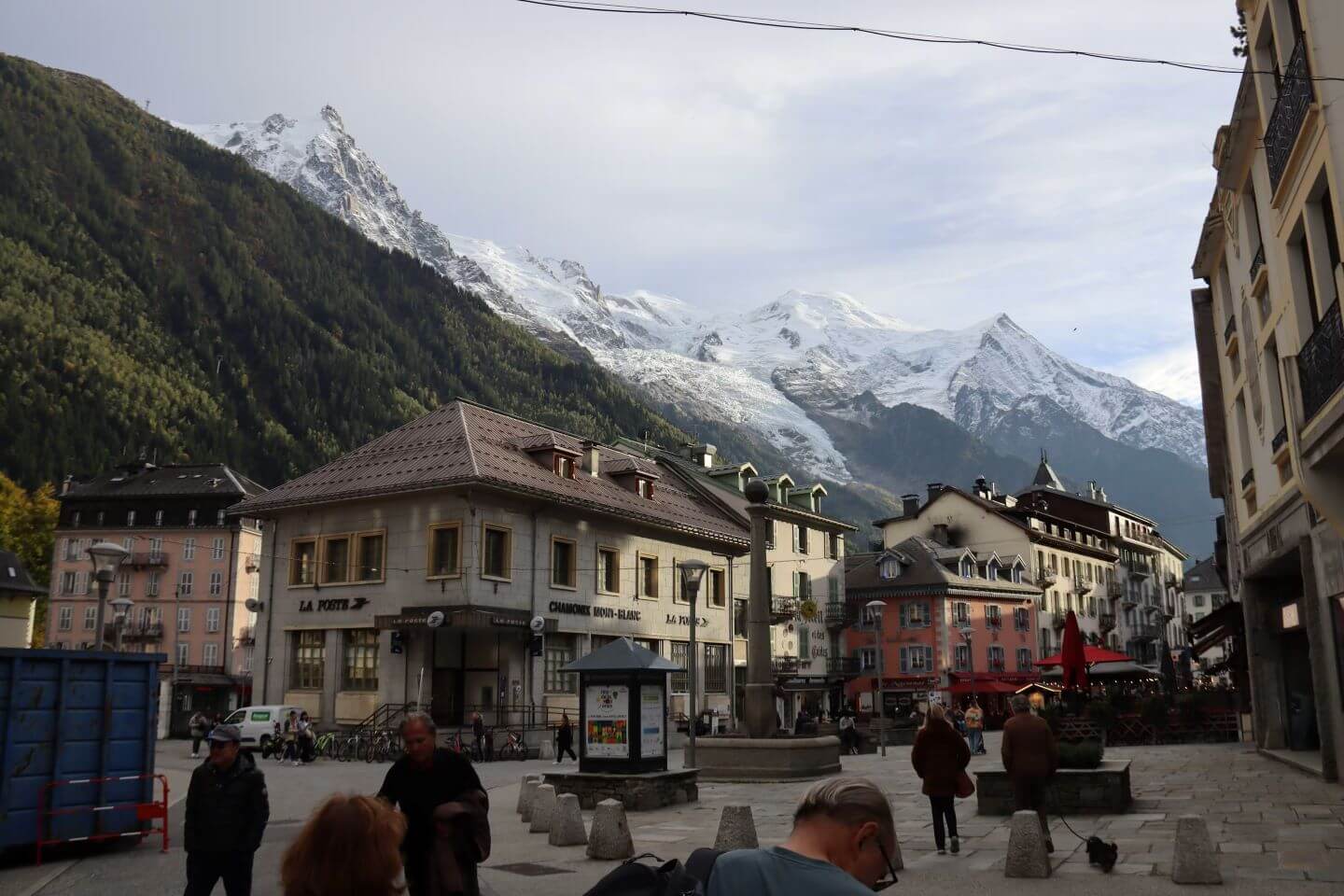
The Tour de France is far more than a premier athletic competition. It also operates as a vast, synchronized showcase of Europe’s most diverse and dramatic natural landscapes. For an international travel audience, this famous cycling race establishes a compelling blueprint for an intentional road trip through historic terrain, steep mountains, and sunlit maritime coastlines.
Following the Tour de France route allows world travelers to witness how cultural heritage and geographic grandeur intersect across Western Europe. Whether standing along high-altitude mountain passes or exploring coastal paths, a journey inspired by the race offers a comprehensive immersion into timeless architecture and classic European landscapes.
Top scenic destinations along Le Tour de France
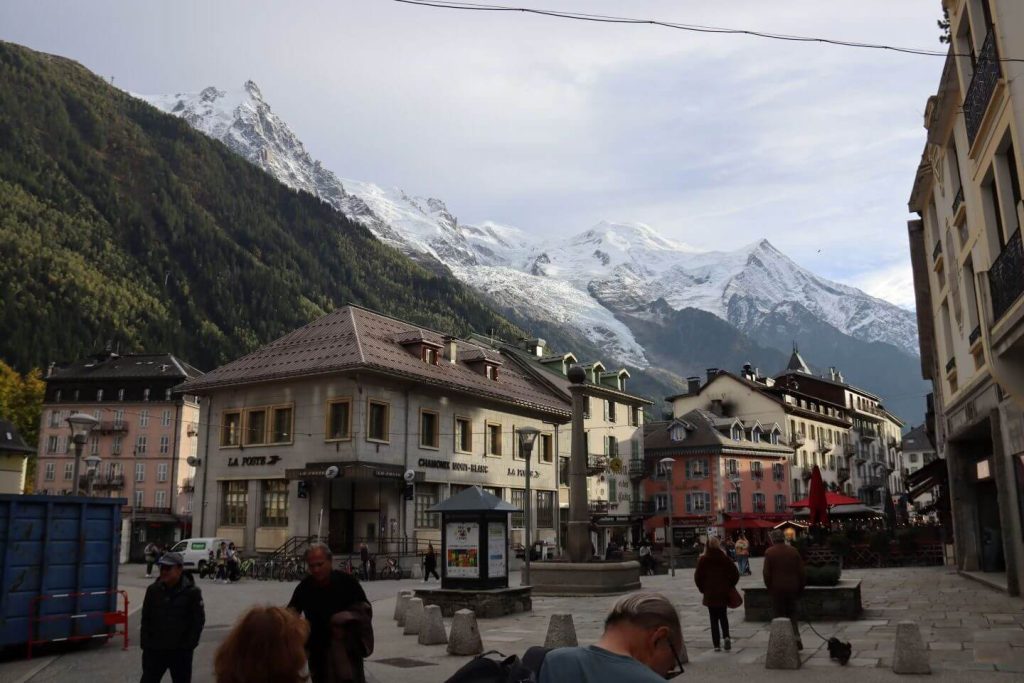
The French Alps and high altitude dramatic scenery
The French Alps represent the physical and visual climax of the event, where towering limestone peaks contrast with deep, verdant valleys. This region is home to grueling mountain stages where competitors contest the General Classification amid thin alpine air or steep rock faces.
For visitors, base towns within the Rhône-Alpes region provide an ideal anchor for a multi-day exploration of the terrain. The proximity to technical climbs allows spectators to view the race up close, provided they arrive early to navigate transport restrictions and changing weather patterns.
Col du Galibier and the mystique of the yellow jersey
Rising over two thousand meters above sea level, the Col du Galibier stands as an iconic monument of high alpine drama. This pass is said to be the ultimate test for the yellow jersey or the maillot jaune—the award for the best cyclist in the tour—demanding elite physical endurance from participants who navigate its steep, winding ascents.
The summit offers a stark, lunar landscape surrounded by the snow-dusted peaks of the Dauphiné Alps, making it a premier photography location. Visitors looking to capture the mid-afternoon light should plan overnight stays in nearby alpine villages to avoid heavy race-day congestion.
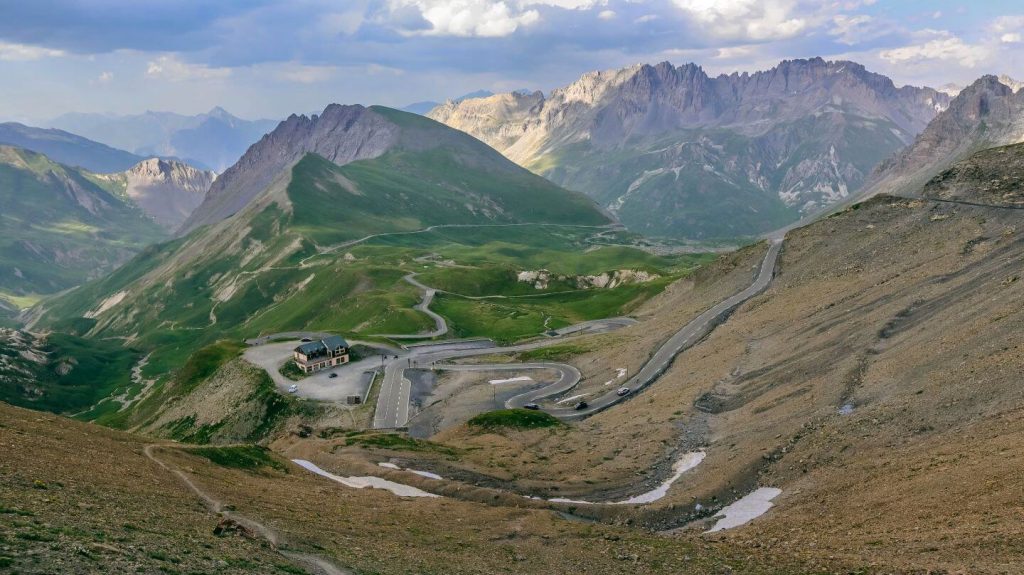
Col du Tourmalet and Pyrenean history
Located within the rugged French Pyrenees, the Col du Tourmalet is steeped in athletic history and distinct geological beauty. Unlike the sharp rock formations of the Alps, the Pyrenees present a softer, more ancient topography covered in dense green pastures that eventually give way to exposed crags.
Roadside monuments commemorate past cycling legends, providing cultural touchpoints for a scenic drive. Travelers can combine this pass with visits to traditional thermal baths in historic villages tucked into the lower valleys, offering a relaxing counterpoint to high-altitude exploration.
Mont Ventoux, the Giant of Provence
Rising in isolation above the lavender fields of Southern France, Mont Ventoux is known globally as the Giant of Provence. The limestone summit is completely devoid of vegetation, creating a brilliant white landscape that resembles a desert in the sky.
This stark white backdrop has hosted great drama over the decades, including the tragic history of Tom Simpson, who fatally collapsed on his ascent here. The northern slopes provide several structured spectator viewpoints, though travelers must remain mindful of the intense wind conditions that frequently sweep across the exposed peak.
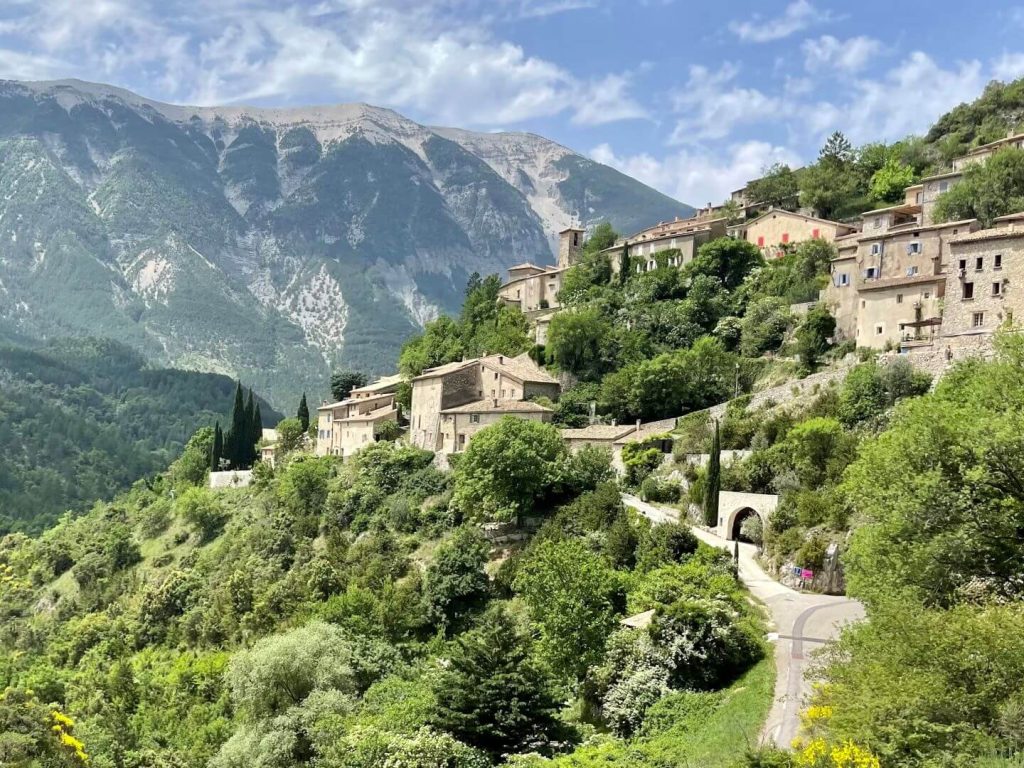
La Plagne and the Savoie Panorama
As a premier winter resort area that transforms into a lush summer haven, La Plagne provides sweeping views of the Mont Blanc massif. This location frequently serves as a dramatic summit finish, where the final kilometers of a stage test the remaining energy of the riders.
Visitors can use the regional cable car systems to ascend to glacier viewing platforms, taking in a panoramic view of the entire Savoie region. These elevated vantage points allow design-conscious travelers to appreciate the grand scale of the alpine topography away from the immediate crowds.
The Loire Valley, Pont du Gard, and other historic enclaves
Transitioning away from the high peaks, the Loire Valley introduces a landscape defined by calm rivers and estate architecture. Here, flat stages allow the riders to accelerate past manicured vineyards, sprawling Renaissance estates, and beautiful towns that have preserved their heritage over centuries.
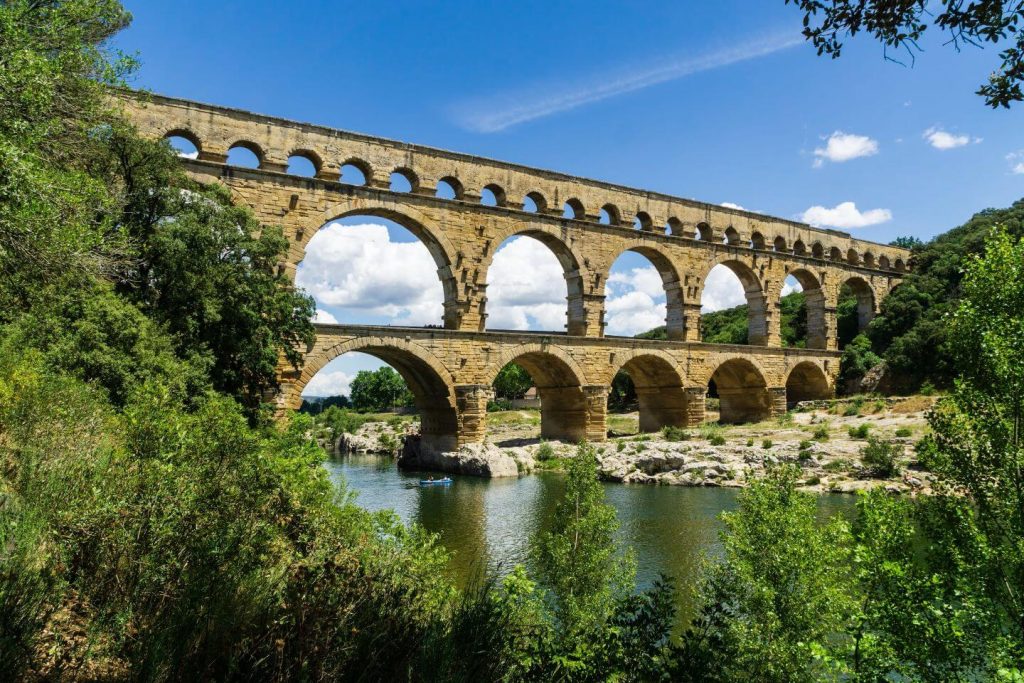
Moving further south towards Languedoc, the race often pays homage to antiquity by passing near the magnificent Pont du Gard, an ancient Roman aqueduct bridge that stands as a marvel of classical engineering.
Stage-adjacent towns feature majestic architecture, including magnificent Gothic cathedral structures and Romanesque churches that anchor the community centers. Visitors can spend afternoons walking along winding medieval streets, observing how historic masonry seamlessly integrates with the natural topography.
Northern horizons and Flemish architecture
When the race routes venture toward the northern borders of France, the aesthetic undergoes a striking shift. The landscape transitions into rolling hills and open fields where historic town squares are defined by intricate Flemish architecture.
Characterized by ornate brickwork, gabled roofs, and towering belfries, these northern structures present a distinct geometric order. The contrast between these brick-carved urban centers and the open countryside provides a rich visual narrative for travelers tracking the race from north to south.
La Rochelle and the Atlantic Coastline
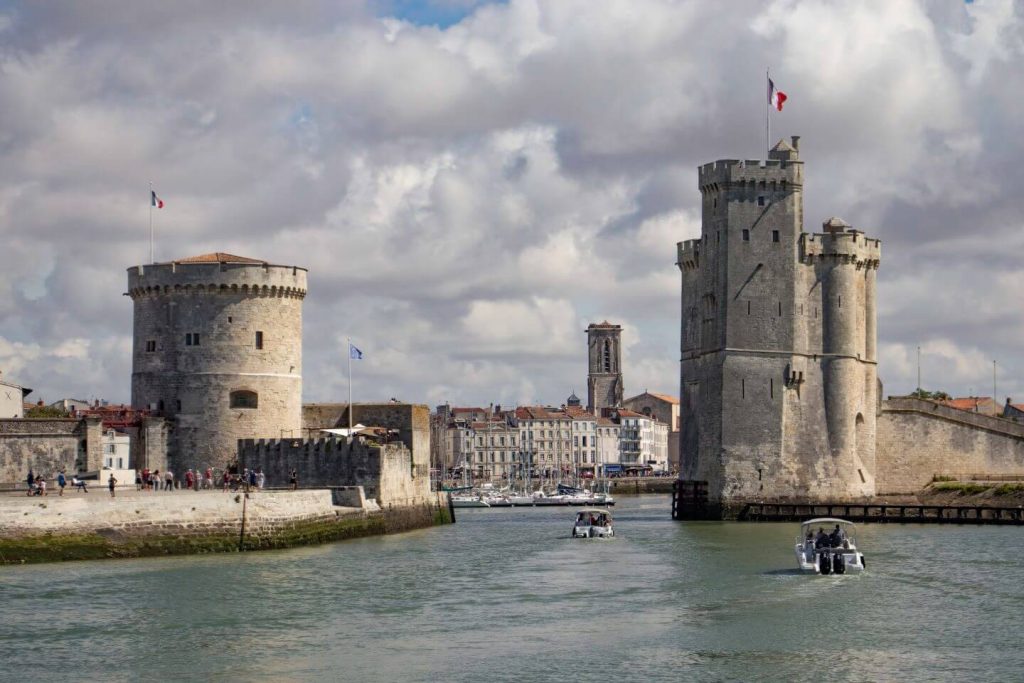
Situated on the breezy Atlantic coastline, La Rochelle provides a nautical aesthetic interspersed with historic stone fortifications and waterfront promenades. The coastal routes introduce a marine atmosphere to the journey, where flat stages are heavily influenced by unpredictable crosswinds from the open sea.
The harbor is lined with vibrant, pastel-colored houses and cobbled streets that tell the story of centuries of maritime commerce. This destination offers a relaxed pace, where family-friendly viewing facilities line the clean beaches and maritime parks.
The Champs-Élysées and the return to Paris
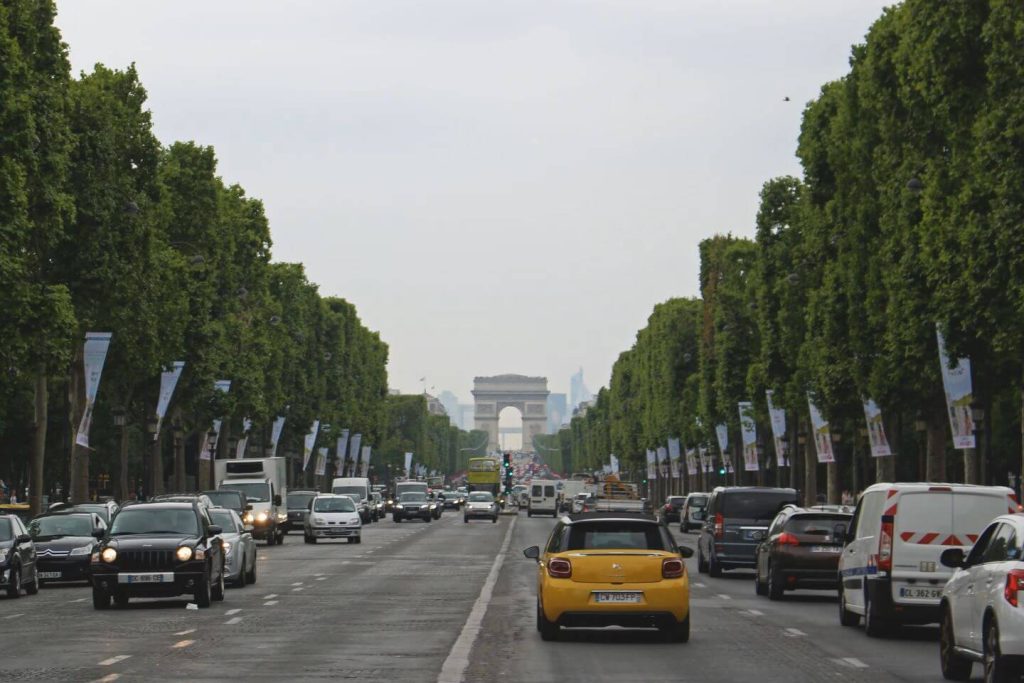
The cinematic finale of the tour occurs in the heart of the capital city, where the remaining cyclists complete multiple high-speed laps on the cobbled streets of the Champs-Élysées. Framed by iconic monuments like the Eiffel Tower, this urban circuit is the traditional finish line of the multi-week race.
The surrounding avenues fill with international spectators, transforming the historic urban center into a celebration of global sport. Mapping out vantage points early along the boulevard ensures an unobstructed view of the final sprint.
Curating the ideal route for diverse travel styles
Maximizing your enjoyment of the Tour de France road trip requires matching specific geographic regions with personal travel preferences to create an unforgettable experience. A journey through the country can be tailored to focus on intense physical exploration, cultural enrichment, or leisurely family coastal relaxation.
The high-altitude climbs, such as the Col de la Madeleine or the grueling peaks of the Massif Central, are best suited for an endurance-focused cycling fan who wishes to ride the exact climbs faced by professionals like Chris Froome.
Conversely, culture-focused travelers will find greater satisfaction in the peaceful wine regions, hilltop villages, and historic town centers of the interior, where day trips can be organized around classical architecture and local heritage. For those traveling with family, the western coastlines near the Atlantic offer accessible beachside parks and open roads that reduce travel stress.
Why these destinations?
The Tour de France is long, and most of its path is grueling. This travel itinerary maximizes the stopovers based on three specific dimensions: visual accessibility, preservation of regional architecture, and geographic variety.
Aiming for a well-balanced journey is easy given the diversity of the race itself, which alternates between demanding mountain stages and expansive coastal lowlands. For your best comfort, choose locations where the infrastructure easily accommodates your needs, so you can navigate the local roads efficiently in your own car while enjoying unmatched panoramic views.
