


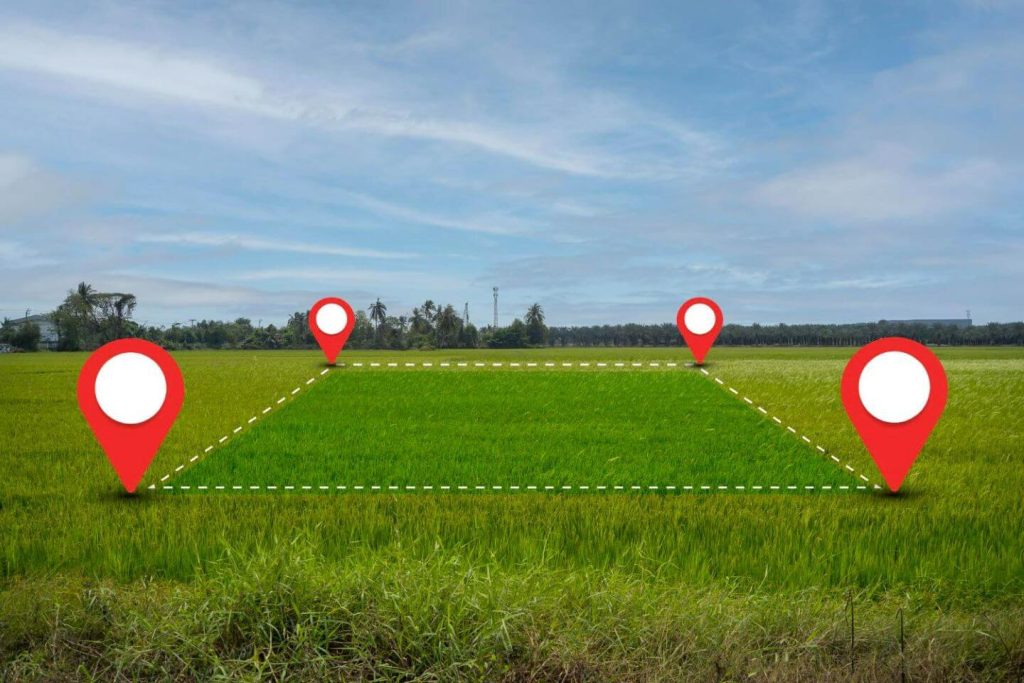
Let us say a piece of land catches your attention.
Maybe it is along a road that looks like it will get busier in the next few years. Maybe it is near a rising business district, a future development, a tourism area, or a quiet location that already feels like it is about to become something more. The price is not small, but the idea is attractive. You start thinking about residential development, commercial potential, land value, and the kind of long term success that only happens when you enter early and enter wisely.
Then reality enters the room, politely but firmly.
Buying land is not the same as buying a finished house or condominium. There are no model units to admire, no staged living room to distract you, and no glossy brochure that can answer every concern. With land, you are buying potential. That potential can become a sound investment, but only if you know what you are really acquiring.
A high-value land purchase in the Philippines requires more than excitement and a handshake. You need to confirm land ownership, check legal and physical access, review essential and key documents, understand land use regulations, study market trends, inspect the site, speak with local authorities, and conduct thorough due diligence before the transaction process moves forward.
Because with land, the question is not only, “Can I afford the purchase price?” The better question is, “Does this land align with my intended use, my investment goals, and the legal reality of the area?”
That is where a clear diligence checklist becomes your best friend. The calm, serious, financially responsible friend who reads the fine print while everyone else is already imagining the future gate design.
Land Ownership Must Be Verified First
The first rule of land acquisition is simple: never fall in love with land before verifying who actually owns it.
In the Philippines, land ownership should be checked through the proper title deed, usually a Transfer Certificate of Title for registered land. You can request a Certified True Copy of the title from the Land Registration Authority, which notes that this document is commonly used for conducting due diligence in buying, selling, and leasing properties.
This step matters because the name on the title should match the person or entity selling the land. If the seller is represented by another person, ask for a valid special power of attorney. If the owner is deceased, you may need to review documents related to extrajudicial settlement, estate settlement, heirs, identification, and proof of authority to sell. In some cases, a birth certificate, marriage certificate, death certificate, or other civil documents may be required to confirm relationships and authority.
You should also check if there are adverse claims, liens, annotations, mortgages, legal disputes, pending litigation, or restrictions written on the title. These details can significantly influence your decision-making process because they may affect your ability to use, develop, finance, or resell the land.
Public lands require a different level of caution. Some lands may be classified as public lands, agricultural lands, protected areas, ancestral domains, or areas tied to natural resources. Not all land can be privately owned, sold, converted, or developed in the way a prospective buyer might expect. This is why checking ownership is not just paperwork. It is the foundation of the entire land sale.
Essential Documents Should Tell the Same Story
The essential documents for a land purchase should match each other. If the title says one thing, the tax declaration says another, and the actual site looks like a third version of reality, pause. The documents should tell one consistent story.
Start with the Transfer Certificate of Title or title deed. Then request the latest tax declaration from the assessor’s office, updated real property tax receipts, and a tax clearance from the treasurer’s office. The Bureau of Internal Revenue checklist for capital gains tax processing includes certified true copies of the tax declaration and a notarized deed of absolute sale or deed of transfer among the documentary requirements.
You should also check the lot plan, vicinity map, technical description, and survey documents prepared by a licensed geodetic engineer. These help confirm property boundaries and reduce the risk of boundary disputes with neighboring properties. If the land is part of a subdivision or larger development, ask for the subdivision plan, development permits, and other necessary permits from local government offices.
Taxes should also be reviewed early. A land transaction may involve capital gains tax, documentary stamp tax, transfer tax, registration fees, and other costs, depending on the structure of the sale. These can affect your total cost, so do not only look at the purchase price. The fair price of land is not just what you pay the seller. It includes taxes, fees, documentation, professional services, insurance costs, and possible expenses tied to compliance or development.
If title insurance is available or applicable in the transaction, ask your legal adviser whether it makes sense. It is not a substitute for due diligence, but it may offer additional protection depending on the situation.
Legal and Physical Access Can Change Everything
A parcel of land can look perfect on paper and still become difficult to use if access is unclear. This is why legal and physical access must be checked before purchasing land.
Legal access means you have a recognized right to enter and use the property through a public road, easement, or documented right-of-way. Physical access means you can actually reach the land in real life without crossing private property, blocked roads, unsafe paths, or disputed areas.
Road access should be inspected personally. Visit the site. Do not rely only on maps, agent descriptions, or the famous “malapit lang po” explanation that can mean anything from five minutes to one emotional hike. Check if the road is public or private. Ask local authorities about rights of way. Confirm if access roads are documented and if there are any existing restrictions.
If the land is surrounded by neighboring properties, be extra careful. You do not want to buy land only to discover that the only practical entry point depends on someone else’s permission. Legal access should be documented. Physical access should be usable. Both are crucial.
This also protects you from future disputes. Many land issues begin when buyers assume access is already settled, only to find out later that the path, road, or entrance is contested. For high-value land acquisition, assumptions are expensive. Verification is cheaper.
Utility Access Should Be Part of the Financial Review
Utility access may not sound glamorous, but it can quietly control your budget.
Before buying land, check if electricity, water, drainage, internet, and other utilities are available or can be connected at a reasonable cost. A property may have strong potential, but if utility access is difficult, the cost of making it usable can rise quickly. This is especially important for residential development, commercial use, or any project that requires immediate functionality.
Ask local service providers about connection requirements. Check if the area has stable power, sufficient water supply, proper drainage, and access to communication services. If the land is in a developing area, confirm whether utility expansion is already planned or still uncertain.
Utility access can also affect market value. A property with existing road access and nearby utilities may command a higher price because it is closer to being usable. A cheaper parcel of land without utilities may look attractive at first, but the added cost of bringing in water, power, and access can change the entire financial picture.
This is where financial considerations meet practical reality. A lower purchase price does not always mean a better deal. Sometimes, the more expensive land is actually the smarter investment because it requires fewer costly improvements.

Image source: https://www.magnific.com/premium-photo/engineer-team-with-blueprint-construction-site_114408019.htm
Environmental Assessments Protect the Investment
Environmental assessments are not only for large corporations or developers with hard hats and dramatic site maps. They matter for any serious buyer who wants to understand the land’s risks before committing.
Conducting environmental assessments can help determine whether the land is exposed to flooding, erosion, landslides, soil contamination, protected waterways, unstable ground, or other environmental conditions that may affect future development. This is especially important in the Philippines, where natural disasters such as typhoons, flooding, earthquakes, and landslides can affect land use, insurance costs, construction decisions, and long-term safety.
You should check hazard maps, flood history, drainage conditions, soil quality, slope, nearby bodies of water, and surrounding land use. Speak with local government offices, engineers, environmental professionals, and local residents who understand the area. Local knowledge can be surprisingly useful, especially when people casually say things like, “Diyan umaabot ang baha,” which is information you definitely want before signing anything.
Environmental assessments can also affect legal compliance. Some areas may require environmental clearances, permits, or restrictions before development can proceed. If the land is near protected zones, agricultural areas, forests, waterways, or sites connected to natural resources, you need to understand the limitations early.
Good land acquisition is not only about what the land looks like during summer. It is also about what happens during heavy rain, peak traffic, construction, and the next major weather event.
Land Use Regulations Should Match Your Intended Use
Before buying land, ask one practical question: Can you legally use it for what you intend to build?
Land use regulations, zoning laws, zoning regulations, building codes, and local laws determine what can and cannot be done on a property. A parcel may look ideal for a residential development, commercial strip, warehouse, or mixed-use project, but the zoning classification may not allow it. That mismatch can stop or delay your plans.
Ask the local planning and development office for zoning information and check the comprehensive land use plan of the city or municipality. The comprehensive land use plan, often called the CLUP, helps guide how land in the area should be used for human settlements, commerce, agriculture, infrastructure, open spaces, and future development. Local land use restrictions should be reviewed before any land purchase becomes final.
You should also ask about building codes, height limits, density restrictions, setback requirements, road widening plans, environmental restrictions, and necessary permits. A property may be legally owned and properly titled, but if the intended purpose does not match the land use classification, the investment may not work as planned.
This is one of the clearest examples of why due diligence is not optional. The land must match the vision. If the land aligns with your intended use, development plans, and local regulations, then you can move forward with more confidence. If not, it is better to know before money changes hands.
Community Development Can Shape Future Value
Land value does not grow in isolation. It is shaped by what happens around it.
Community development can significantly influence the future value of land. New roads, schools, hospitals, transport routes, business districts, tourism zones, commercial centers, and public infrastructure can increase demand in an area. On the other hand, poorly planned growth, congestion, lack of utilities, environmental risk, or unresolved local issues can limit appreciation.
This is why a prospective buyer should look beyond the lot itself. Study neighboring properties. Look at nearby developments. Ask about future development plans. Check if there are approved projects, road expansions, commercial centers, or government infrastructure that may affect access, traffic, demand, and market value.
Local authorities can provide information on zoning, permits, development plans, and land use. The assessor’s office can help with details on tax declarations and assessed values. The treasurer’s office can confirm real property tax payments and tax clearance. These local government offices are not just places with forms and waiting numbers. They are part of your research process.
Community development also affects livability. If the area is growing in a planned, healthy, and connected way, the land may have stronger long-term success. If development feels random or unsupported by infrastructure, the risk becomes higher.

Image source: https://www.magnific.com/premium-photo/small-house-models-map_81628548.htm#from_element=cross_selling__photo
Market Trends Should Guide the Fair Price
A land purchase should never be based only on the seller’s asking price. To know whether the purchase price is fair, you need to study market trends and market conditions.
Compare similar land sales in the area. Look at location, size, access, zoning, utilities, road frontage, nearby developments, and potential use. A smaller parcel with strong road access and utilities may be more valuable than a larger parcel that is difficult to reach. A property near future development may have a stronger upside, but only if the plans are realistic and supported by actual demand.
Market value can change based on infrastructure, tourism, business activity, residential demand, and local economic growth. In premium locations, land value may rise because supply is limited and demand continues. In emerging areas, value may grow if development plans are credible and the area attracts buyers, residents, businesses, or investors.
Still, market trends should be read carefully. Not every “next big thing” becomes the next big thing. Some areas take years to mature. Some remain speculative. Some are priced too high before the demand is actually there.
This is where calm decision-making matters. A high-value land acquisition should be supported by facts, not pressure. If the seller wants you to rush, that is usually your cue to slow down.
Future Development Should Be Tested Against Reality
Future development is exciting because it gives land its story. Maybe you see a private residence, a boutique rental property, a commercial strip, a leisure estate, or a residential development that serves a growing community. That vision matters. But it must be tested against reality.
Ask if the land can support the intended use. Check the terrain, access, utilities, zoning, legal restrictions, environmental conditions, and development costs. Ask what permits are necessary. Review whether the investment aligns with your financial plan, timeline, and risk tolerance.
Development plans should also consider local demand. A project can look impressive on paper but struggle if the area does not support it. Who will live there? Who will rent? Who will buy? Who will use the space? Is there enough demand now, or are you betting on demand that may come much later?
This is especially important for high-value buyers who are not only purchasing land for personal use, but for investment. A beautiful parcel is not automatically a profitable one. The land must work legally, physically, financially, and commercially.
That is the difference between buying land and buying into a viable opportunity.
Boundary Disputes Should Be Resolved Before Closing
Boundary disputes are among the most common land issues, and they can quickly turn an exciting land purchase into a very expensive headache.
Before closing the transaction, hire a licensed geodetic engineer to verify property boundaries through a proper survey. Compare the survey with the title, tax declaration, lot plan, and actual site conditions. Check if fences, walls, roads, structures, trees, or informal paths are crossing into or out of the property.
You should also observe neighboring properties. Are there informal settlers on or near the land? Are there structures built too close to the boundary? Is there any sign of encroachment? Are there neighbors claiming rights of way, access, or use? These matters should be clarified before signing the deed of absolute sale.
Boundary disputes can affect development, financing, resale, and peace of mind. They can also lead to legal disputes or pending litigation. A clean title is important, but it is not enough if the physical property does not match the documents.
This is why site inspection is part of due diligence. You are not only buying paper. You are buying land that exists in the real world, beside real neighbors, with real boundaries.

Image source: https://www.magnific.com/premium-photo/businessman-examines-plot-land-with-magnifying-glass_414427631.htm
Due Diligence Checklist for the Transaction Process
A strong due diligence checklist gives structure to the entire transaction process. It helps you move step by step instead of relying on instinct, charm, or the seller’s confidence.
Start by verifying land ownership and title authenticity. Request a Certified True Copy of the title from the Land Registration Authority. Check for adverse claims, liens, encumbrances, annotations, pending litigation, mortgages, restrictions, or legal disputes. Confirm the seller’s identity and authority to sell. If needed, review special power of attorney documents, corporate secretary certificates, board approvals, birth certificate records, or extrajudicial settlement documents.
Next, review tax records. Ask for the latest tax declaration, real property tax receipts, tax clearance, and assessed value from the assessor’s office and treasurer’s office. Understand who will pay capital gains tax, documentary stamp tax, transfer tax, registration fees, and other charges. Coordinate with the Bureau of Internal Revenue, often referred to as the Bureau of Internal Revenue in the transaction process, because BIR requirements are part of the title transfer and tax compliance.
Then inspect the land physically. Confirm legal access, physical access, road access, utility access, property boundaries, rights of way, environmental conditions, and any signs of informal settlers or encroachment. Review land use regulations, zoning laws, zoning regulations, building codes, local laws, and necessary permits with local government offices.
Finally, review the deed of absolute sale before signing. Make sure the names, property details, title number, purchase price, payment terms, tax obligations, and conditions are accurate. After signing, the transfer process must be completed through the proper government offices so ownership can be properly registered.
This is thorough due diligence. It takes time, but it protects the buyer from future disputes and costly surprises.
Crown Asia and the Discipline of Choosing Well
Crown Asia speaks to buyers who see property as more than a purchase. It is a lifestyle decision, a financial decision, and a long-term positioning move. As Vista Land’s premium residential brand, Crown Asia is known for themed residential developments inspired by global destinations and located in strategic areas across the Philippines. Its official site describes the brand as bringing “the beauty of the world” to buyers through upscale communities with global influences.
That positioning matters because high-value property decisions require the same mindset as high-value land acquisition. You are not only looking at what exists today. You are studying what can hold value, support your intended purpose, and remain relevant as the area grows.
For a prospective buyer, the most refined decision is not always the fastest one. It is the one supported by documents, legal review, site inspection, market analysis, and a clear understanding of future development. It is the one where the investment aligns with lifestyle, risk, and long-term goals.
Buying land in the Philippines can be a powerful move when done carefully. It can support residential development, commercial plans, wealth preservation, and future growth. But the land must be verified, inspected, documented, and understood before the sale becomes final.
Because in high-value real estate, confidence does not come from rushing. It comes from knowing exactly what you are buying, why it matters, and how it can serve the future you are building.
