

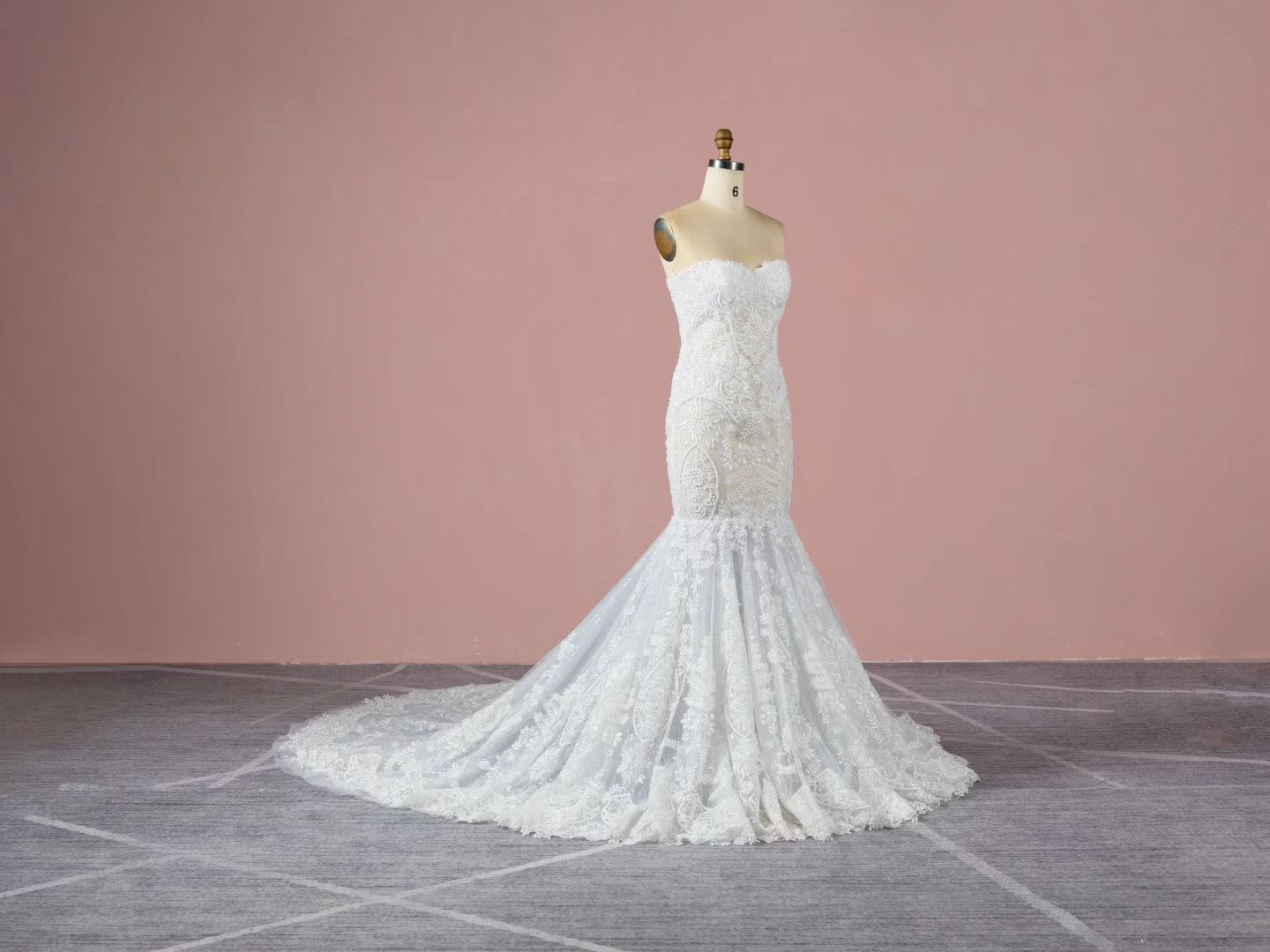
It’s June again, a sign that means many brides are walking down the aisle this month. Of those brides, many dream of walking in a gown that feels timeless, elegant, and unmistakably her own. From classic silhouettes to modern minimalist styles, today’s bridal world offers endless wedding gown inspirations as a personal expression for every kind of Filipina bride.
Whether you envision a grand ballroom ceremony, a garden celebration, or a seaside exchange of vows, finding the perfect wedding dress begins with knowing which styles complement your personality, body shape, and even the venue.
Modern wedding fashion celebrates individuality. Brides are no longer limited to a single aesthetic, as designers now offer wedding gowns that range from romantic lace creations to sleek satin silhouettes. The key is choosing a gown that matches both your vision and your comfort for the big day.
Below is a compilation of information on some of the most popular wedding dress styles featuring flattering silhouettes, high-quality fabric choices, styling ideas, and practical shopping tips to help you confidently search for the gown that turns your wedding dreams into reality.
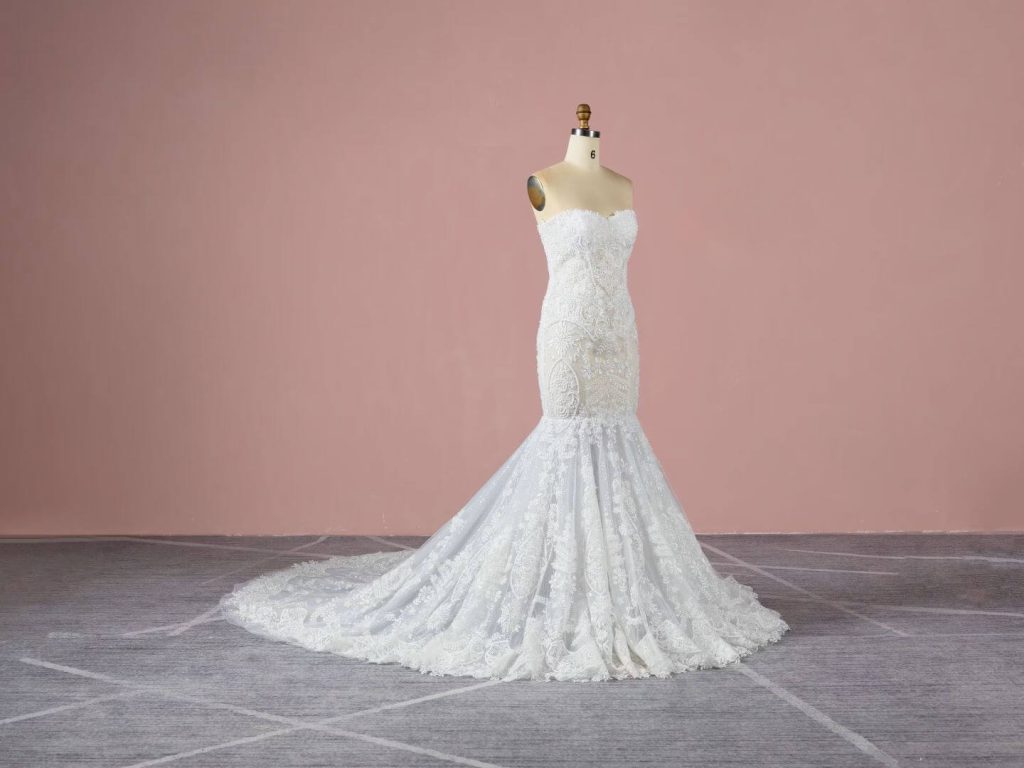
Wedding dress styles and silhouettes
Before entering a bridal boutique, it helps to research and read a number of references on the most common wedding dress styles and silhouette categories. Check on websites and page related to bridal gowns to be aware of the trends. Bridal terminology can sometimes feel overwhelming, especially when designers use similar names for different cuts and details.
A silhouette refers to the overall shape of the gown. It sets the tone for how the dress falls from the waist down, to the ground and how it complements the bride’s body type. Details such as sleeves, neckline, fabric, and embellishments then add personality and character to the gown.
Among the most popular silhouettes are the ball gown, A-line, mermaid, trumpet, sheath, and column styles. Each creates a different visual effect and offers unique advantages depending on the ceremony style, venue, and desired level of comfort.
The romantic appeal of the ball gown
Nothing captures classic bridal elegance quite like a ball gown. Characterized by a fitted bodice and a dramatic full skirt, this silhouette creates a regal appearance that feels ideal for grand celebrations and formal venues.
For Filipina brides planning cathedral weddings or luxurious ballroom receptions, a ball gown offers striking visual impact. The fitted waist highlights the figure while the voluminous skirt adds movement and sophistication.
This silhouette works beautifully for many body types because it defines the waist and balances proportions. Brides with pear-shaped figures often appreciate how the skirt skims over the hips, while taller women can carry the dramatic silhouette with ease.
Ball gown wedding dresses pair beautifully with cathedral veils, crystal earrings, and delicate lace gloves. Structured fabrics such as satin and silk create elegant volume, while layered tulle adds a touch of softness and romance.
The all-time favorite A-line dress
Among all wedding dress styles, the A-line remains one of the most universally flattering. This silhouette features a fitted bodice that gradually flares outward from the waist, forming the shape of the letter “A.”
The beauty of the A-line gown lies in its versatility. It suits almost every body shape, making it an ideal choice for brides who want elegance without the dramatic fullness of a ball gown.
For garden weddings, beach ceremonies, or intimate celebrations, an A-line dress provides comfort and graceful movement. Fabrics such as chiffon, organza, and soft satin allow the skirt to flow naturally while maintaining structure.
Brides who prefer understated sophistication often choose strapless A-line wedding gowns with illusion sleeves, off-the-shoulder necklines, or delicate lace overlays for added detail.
Mermaid and trumpet gowns for a glamorous look
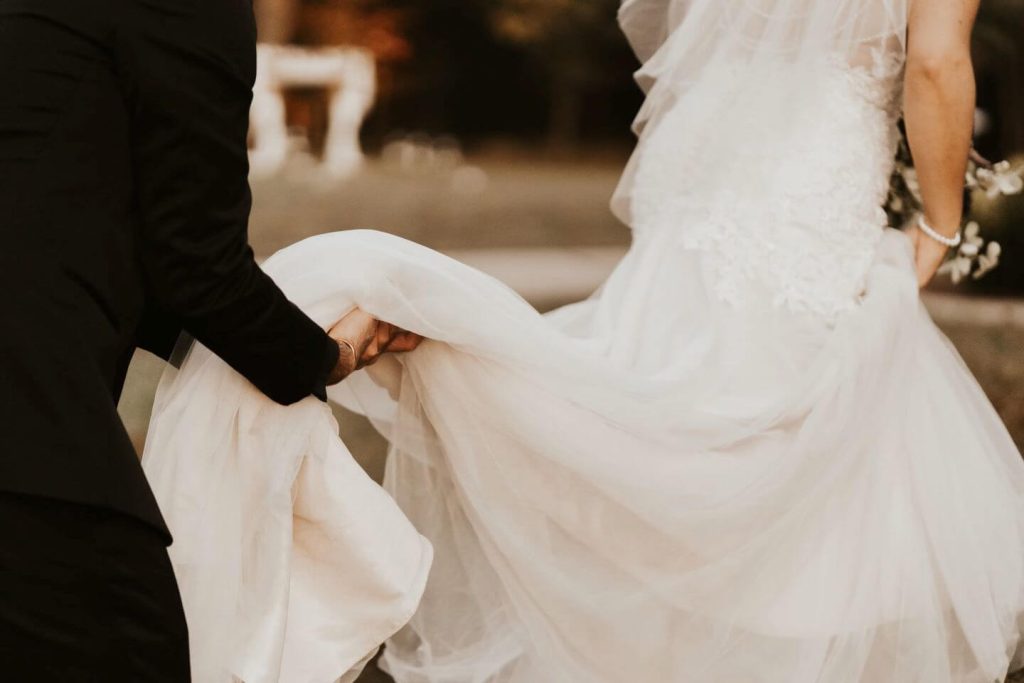
Mermaid and trumpet wedding dresses are designed for brides who want a sleek and fashion-forward silhouette.
Although the two styles are often confused, there is a distinct difference. A mermaid gown is fitted closely through the bodice, waist, and hips before dramatically flaring near the knees. A trumpet silhouette, meanwhile, begins to flare slightly higher around mid-thigh, offering easier movement.
These fitted styles beautifully highlight curves and emphasize the natural figure. Brides with hourglass body types often gravitate toward mermaid gowns because they accentuate the waist and hips.
For receptions involving dancing and movement, trumpet gowns may feel more comfortable than fully fitted mermaid dresses. Brides can also consider detachable overskirts or a second reception dress for added convenience later in the evening.
Sleek crepe, satin, and silk fabrics are commonly used for these silhouettes because they contour the body elegantly without excessive bulk.
Minimalist sheath and column dresses
Minimalist bridal fashion continues to grow in popularity, especially among modern women seeking refined elegance. Sheath and column wedding dresses offer a streamlined silhouette that follows the body’s natural shape without dramatic flare.
These dresses work especially well for intimate venues, for instance, beach weddings, destination ceremonies, and contemporary city celebrations. Their clean lines create a sophisticated appearance that feels effortless and chic.
A sheath gown can also be layered with accessories for additional versatility. Brides may add lace sleeves, illusion capes, detachable trains, or embellished veils to personalize the look while maintaining simplicity.
Minimalist wedding gowns often rely on luxurious materials such as silk, satin, crepe, or mikado fabric to create structure and graceful drape.
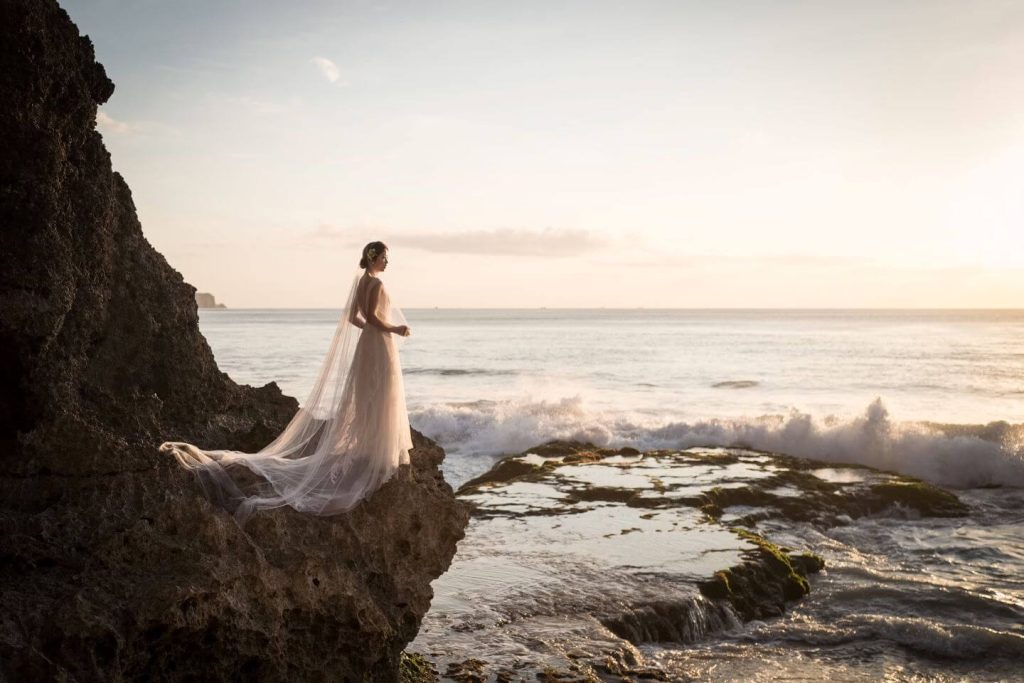
Modern alternatives: Bridal jumpsuits and second looks
Not every bride dreams of a traditional white dress. Modern bridal fashion now embraces jumpsuits, separates, and alternative gowns that offer individuality and practicality.
A bridal jumpsuit can feel stylish, youthful, and contemporary, especially for civil weddings or intimate receptions. Tailoring is especially important for this look, as a precise fit ensures elegance and comfort.
Many brides also choose a second outfit for the reception. After the formal ceremony, changing into a shorter dress or a sleek, fitted gown allows easier movement for dancing and socializing.
For evening receptions, a minimalist second look paired with statement heels and sparkling accessories creates a fashionable transition without sacrificing bridal sophistication.
Designer inspirations and preparations
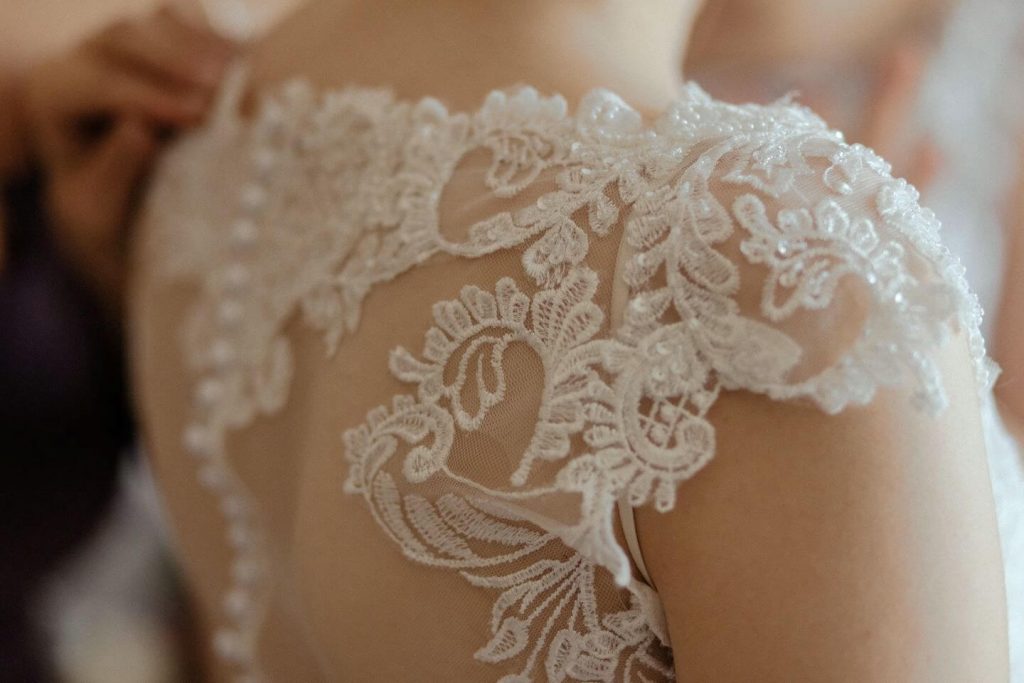
Among today’s most admired bridal designers, Maggie Sottero remains a favorite for brides seeking romantic detail and timeless craftsmanship. Known for intricate lace, flattering silhouettes, and luxurious fabrics, the brand offers designs that appeal to classic and modern brides alike.
Many brides also explore collections from labels such as Sottero and Midgley, which feature dramatic couture-inspired gowns with bold details and sophisticated structure.
Popular bridal designers often focus on signature elements, including:
- Illusion lace bodices
- Sweetheart necklines
- Off-the-shoulder sleeves
- Structured corsetry
- Sleek satin silhouettes
- Embroidered floral details
Exploring designer collections helps brides discover inspiration while narrowing down their preferred aesthetic.
A beautiful gown also requires careful planning behind the scenes. On the wedding day, brides should allow sufficient time for dressing, steaming, and portraits. Bustle options are especially important for gowns with long trains, making movement easier during the reception.
Proper transportation and storage also protect delicate fabrics. Bridal garment bags, padded hangers, and professional cleaning services help preserve the dress before and after the ceremony.
Shopping, budgeting, and alteration tips
Among many other things that a wedding requires, finding the perfect wedding dress requires thoughtful preparation. Before attending bridal appointments, brides should gather inspiration photos, establish a budget, and remain open to trying different silhouettes.
Wedding gowns can vary significantly in price depending on the designer, fabric, and customization. Alterations should also be included in the overall budget, as most dresses require adjustments for an ideal fit.
A typical bridal timeline may include:
- Initial shopping: 8 to 12 months before the wedding
- Ordering the gown: 6 to 8 months before
- First fitting: 2 to 3 months before
- Final alterations: 2 to 4 weeks before the wedding
Planning ahead ensures enough time for adjustments and avoids unnecessary stress.
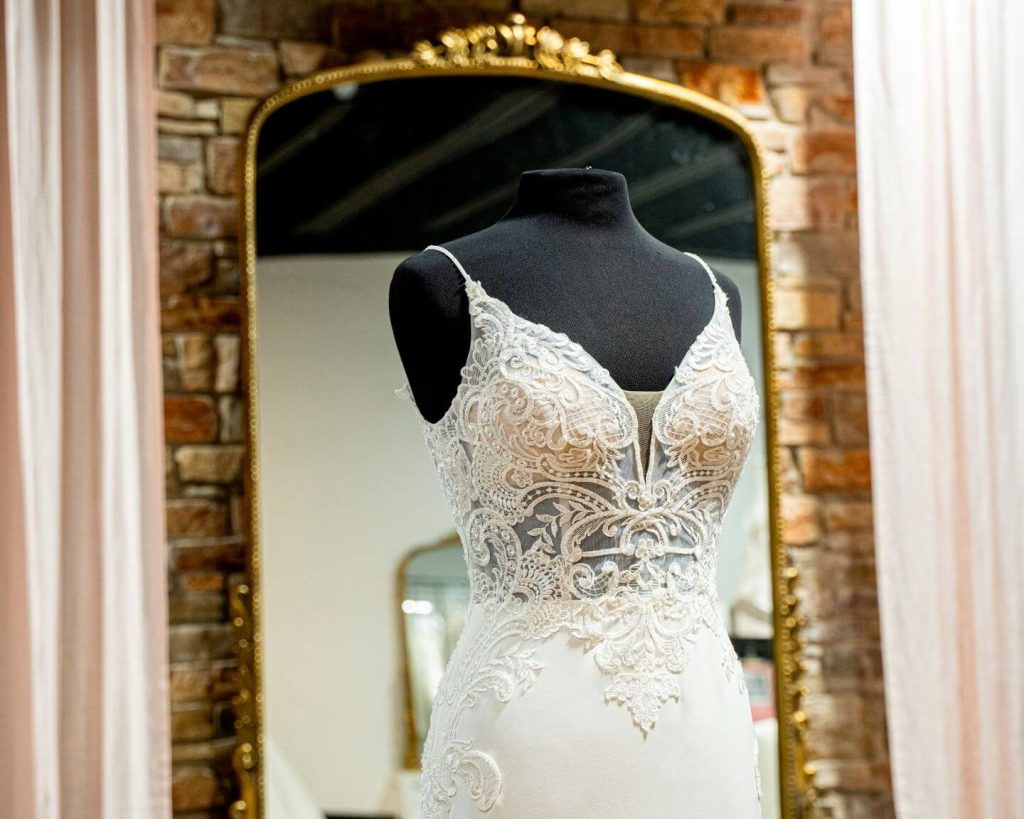
What makes the perfect wedding dress
Choosing a wedding gown is deeply personal. Beyond trends, designer names, or popular silhouettes, the perfect dress is ultimately the one that makes the bride feel confident, elegant, and fully herself. Before making a final decision, brides should ask themselves:
- Does the gown feel comfortable?
- Does it suit the venue and ceremony style?
- Can I move, sit, and dance comfortably?
- Does it reflect my personality and vision?
- Do I feel beautiful wearing it?
Once the final fitting is complete, the next steps include scheduling gown steaming, confirming accessories, and arranging dress preservation services after the wedding.
For every bride, the journey to finding the perfect wedding dress is part of the magic of the wedding itself. Whether you choose a dramatic ball gown, a sleek sheath silhouette, or a romantic lace masterpiece, your gown should celebrate your individuality as you step into one of life’s most unforgettable moments.
