

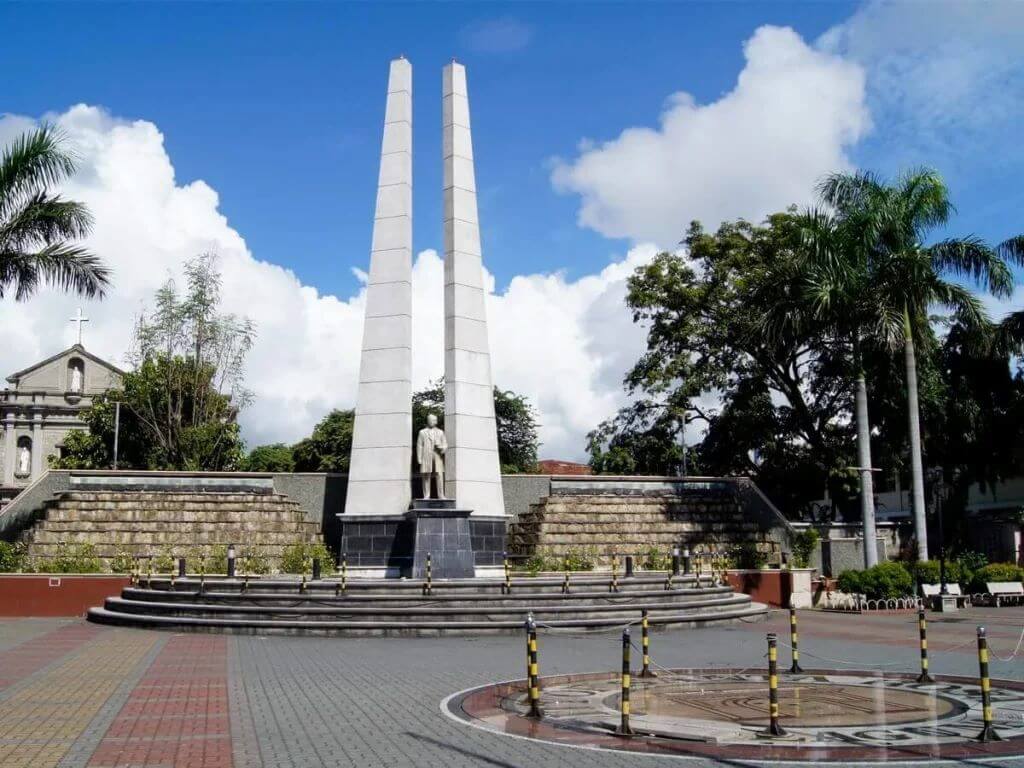
Santa Rosa, Laguna has become one of the clearest examples of how a former agricultural municipality can transform into a genuine engine of economic growth in the Philippines. Long before it earned nicknames like the Motor City and the Lion City of the South, Santa Rosa was a modest farming town on the western edge of Laguna de Bay. But while Santa Rosa continues to thrive and modernize, its deep respect for its rich historical roots endures, protecting cultural heritage, heirloom cuisine, ancestral architecture, and landmarks that ground the city’s identity. Rapid urban expansion often leaves older sectors neglected or abandoned. Santa Rosa prevents this by continuously revitalizing and maintaining real estate assets and enforcing strict community management. Today, it is a component city that anchors industry, commerce, and residential life across CALABARZON, and its trajectory says as much about the region’s future as it does about the city itself.
According to recent data from the Philippine Statistics Authority (PSA), Santa Rosa’s total population has surpassed the number of its residents, reflecting a growing mix of nuclear, extended, and upwardly mobile professional demographics. This growth compels the city to create peaceful open spaces, welcome sustainable properties, and invest in infrastructure that helps transform consumer growth into a productive workforce.
Santa Rosa City: From municipality to component city
Santa Rosa’s administrative history is inseparable from its economic rise. The town, founded on January 18, 1792, spent nearly two centuries as a primarily agricultural settlement. Its population told the story of that slow pace: from 7,339 residents in 1903, the town grew gradually through the twentieth century, sustained mostly by farming and small family enterprises.
The turning point came in the 1980s, when local and foreign investors began establishing manufacturing operations in what was then still a municipality. That industrial momentum eventually justified a change in status. On July 10, 2004, Santa Rosa was converted from a municipality into a component city of Laguna province through Republic Act No. 9264, following a plebiscite in which residents ratified the conversion. The Official Gazette records the law as the city’s formal charter, and the Republic Act itself defines Santa Rosa’s territorial boundaries against Laguna de Bay, the Cabuyao River, and neighboring towns in Cavite.
Fifteen years later, on August 28, 2019, Republic Act No. 11395 gave Santa Rosa its own congressional district, separating it from Laguna’s first legislative district and formally recognizing its growing political and economic weight within the province.
The fiscal engine behind Santa Rosa Laguna’s economic growth
Santa Rosa is one of the most important cities that drive economic growth in South Luzon and it’s not just a matter of perception. According to the Commission on Audit, the city posted ₱4.99 billion in local revenue in 2022, the highest among all local government units in Laguna province that year. City officials attribute this partly to a business-friendly governance approach. Investors have pointed to proximity to Metro Manila’s consumer market as one advantage, alongside the city’s efforts to streamline business permitting and regulatory processes for companies looking to invest.
That business-friendly posture extends to how Santa Rosa treats its special economic zones. Zones operated under the Philippine Economic Zone Authority, enabled by Republic Act No. 7916, allow the city to offer meaningful incentives to investors, which helps explain why retail, residential, and business process outsourcing sectors have all expanded here in tandem with manufacturing. Job creation in Santa Rosa is now concentrated across this diverse mix of industries rather than any single sector, giving the local economy more resilience than a company town would have.
The Motor City and the Lion City of the South
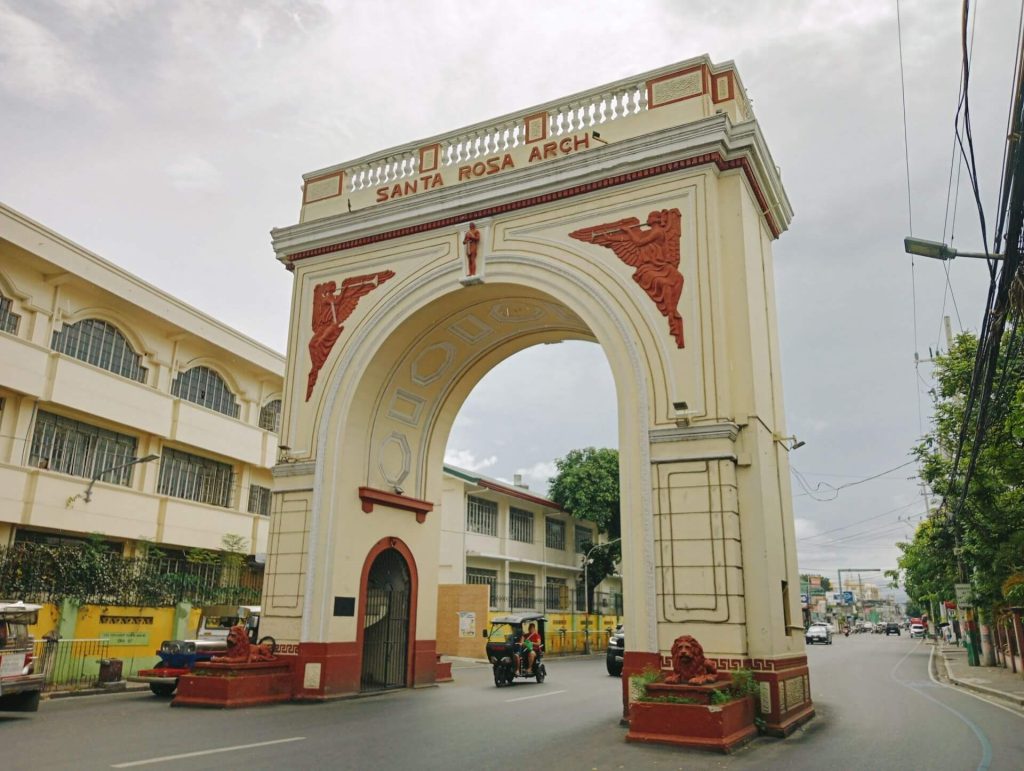
No discussion of Santa Rosa’s industrial character is complete without its automotive sector. The city is often dubbed the Motor City of the Philippines, and for good reason: multinational carmakers including Toyota, Nissan, Honda, and Mitsubishi maintain manufacturing operations here, together accounting for roughly 95 percent of the country’s total automotive production. Toyota Motor Philippines has been based at its Santa Rosa headquarters, located along the Santa Rosa-Tagaytay Road, since 1988, while the Greenfield Automotive Park, the country’s first dedicated automotive economic zone, hosts Ford Motor Philippines and other locators across roughly 62 hectares of PEZA-accredited land.
Additionally, manufacturing in Santa Rosa extends well beyond automobiles. Monde Nissin Corporation, maker of Lucky Me instant noodles, operates a 14-hectare facility in the city, and the Coca-Cola Company’s largest manufacturing plant in the Philippines sits just across the Santa Rosa Exit of the South Luzon Expressway. These manufacturing plants, together with the Laguna Technopark special economic zone, have made Santa Rosa a magnet for both local and international investors for more than three decades.
Information technology and business process outsourcing represent Santa Rosa’s newer growth story. The city has been positioning itself as a hub for the BPO industry, and it currently ranks 82nd globally for IT-BPO competitiveness according to strategic advisory firm Tholons. Employers such as TeleTech have added to that footprint, giving Santa Rosa’s workforce options beyond factory floors and retail counters. Together, these industries have earned the city its other well-known moniker: the Lion City of South Luzon.
As a growing workforce relocates to Santa Rosa, premier real estate developers like Vista Land and Greenfield Development Corporation/Greenfield City are aggressively expanding their residential portfolios to meet the surging housing demand.
Connectivity that drives commercial developments
Santa Rosa’s strategic location, roughly 40 kilometers south of Metro Manila, would matter far less without the infrastructure connecting it to the wider region. The South Luzon Expressway (SLEX) gives the city two direct exits, while the Cavite-Laguna Expressway (CALAX) adds two more, cutting travel time to Metro Manila to under an hour and linking Santa Rosa efficiently to Cavite, Batangas, and the rest of CALABARZON. This connectivity has positioned the city as a critical gateway to the region and a key node within the National Economic and Development Authority’s Southern Luzon development framework.
Improved infrastructure has, in turn, catalyzed outward urban sprawl and further economic expansion. Commercial developments have followed the expressway exits closely: shopping centers, business process outsourcing offices, and mixed-use complexes have clustered around Santa Rosa’s SLEX and CALAX interchanges, reinforcing the city’s role as both a production base and a retail destination for surrounding towns.
Population growth and the residential response
Santa Rosa’s population reached 414,812 in the 2020 Census, according to the Philippine Statistics Authority, making it the second-largest local government unit in Laguna after Calamba and the eighth most populous city or municipality in the entire CALABARZON region. That figure represents a striking increase from the 7,339 residents recorded in 1903, and the city’s land area of 54.84 square kilometers now carries a population density of roughly 7,600 people per square kilometer.
Much of this growth stems from sustained migration rather than natural increase alone, as workers relocate to Santa Rosa in search of employment in its factories, offices, and retail establishments. That demand has, unsurprisingly, reshaped the residential landscape. Master-planned communities have proliferated across the city. Homebuyers drawn to Santa Rosa today are looking for more than proximity to work. They want integrated communities that combine housing with schools, retail, and green space.
Culture and community life amid rapid growth
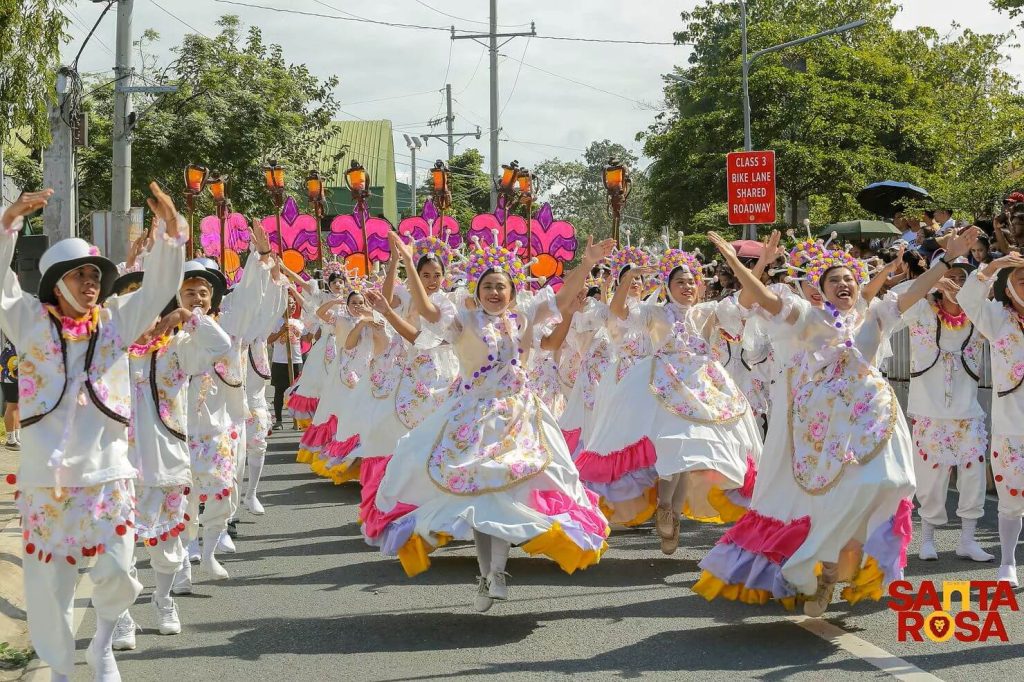
Despite its industrial identity, Santa Rosa has not treated its history as incidental. The city’s Sikhayan Festival, held every January 18 to mark its founding anniversary, takes its name from the Filipino word for diligence and persistence, honoring the labor and enterprising spirit of residents who helped drive the local economy forward. The local government has also invested in a heritage square at the city center, an effort to preserve the Spanish-era poblacion built around structures like the Santa Rosa de Lima Parish, itself dating to 1792.
Recreation has kept pace with population growth. Enchanted Kingdom, the city’s well-known theme park, can host up to 25,000 guests at a time, while the Multi-Purpose Complex and covered basketball courts in Santa Rosa’s barangays give residents accessible venues for sports and community gatherings. These investments matter for a city whose population has grown as quickly as its factories have multiplied, since civic infrastructure has to expand alongside industrial and commercial developments if quality of life is to keep pace.
Building toward a sustainable future
Rapid urbanization has pushed Santa Rosa’s local government to focus more deliberately on sustainable development and green infrastructure. In September 2025, the city launched its first Voluntary Local Review, a United Nations-aligned reporting tool that measures progress against ten priority Sustainable Development Goals spanning poverty reduction, health, education, climate action, and institutional partnerships. The review joins Santa Rosa to a growing global network of more than 200 local governments that have undertaken similar assessments.
On the ground, that commitment has translated into concrete projects. The city has begun installing solar panels in government offices to reduce reliance on the conventional grid, and it has set up its own water testing laboratory capable of analyzing wastewater and ambient water quality, a facility intended to serve private establishments as well as the local government. These efforts suggest that Santa Rosa’s next chapter of growth will be measured not only in revenue and factory output, but in how well the city manages the environmental cost of its own success.
A city that keeps building on its own momentum
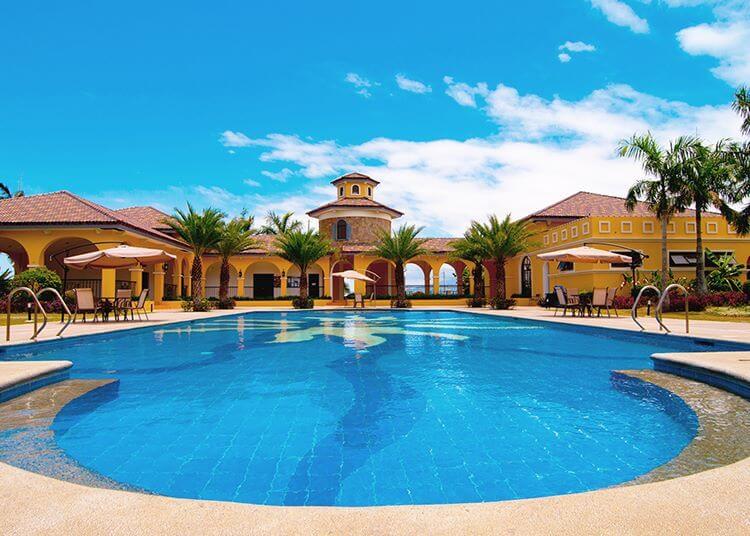
Santa Rosa’s story is unusual because its industrial, commercial, and residential growth have reinforced one another rather than competing for space. Automotive manufacturing plants funded the roads and utilities that made commercial developments viable. Those commercial developments attracted the workers who now fill residential communities like Crown Asia’s Valenza and that population, in turn, has pushed local government to invest in culture, recreation, and sustainability alongside economic growth. Few cities in Laguna province, or in the country more broadly, have managed to keep all three moving at once. For investors and homebuyers evaluating where south of Metro Manila still has runway left, Santa Rosa, Laguna remains one of the more convincing answers.
To access more information about Crown Asia themed developments in the south, check out the website and social media page. Leave your comments so sales specialist can immediately assist you.
