

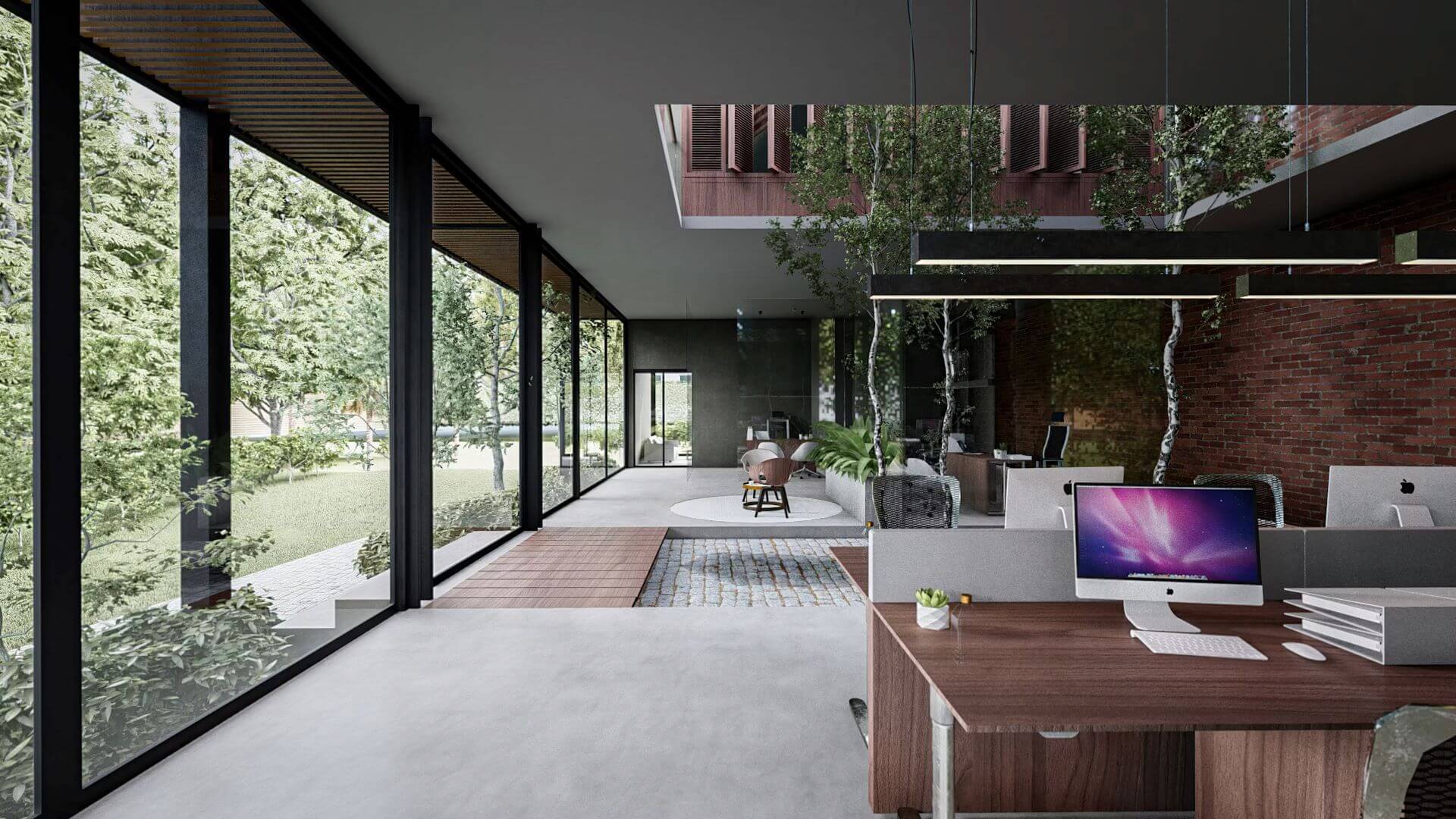
Modern luxury is no longer defined solely by prestigious addresses, expansive floor plans, or premium finishes. Increasingly, discerning homeowners are seeking residences for stress reduction, ones that enhance well-being and promote healthier, more balanced lifestyles. As city life becomes denser and people spend more time indoors, there is growing recognition that the spaces we inhabit profoundly influence our mental health, physical health, and overall well-being.
This evolution has brought biophilic design into the spotlight. More than an architectural trend, biophilic design seeks to strengthen the relationship between people and the natural world by thoughtfully integrating natural elements into the built environment. Through natural light, natural materials, vegetation, flowing air, and views of nature, architects and interior designers create spaces that feel restorative while remaining refined and contemporary.
Backed by decades of research in architecture, psychology, and environmental science, biophilic design demonstrates that homes inspired by nature do more than look beautiful. They also actively enhance human health, improve cognitive performance, and create environments where people can truly thrive.
The science behind biophilic design
The concept is anchored to biophilia, the idea that humans possess an innate tendency to connect with living systems and the natural environment. Popularized by biologist Edward O. Wilson and expanded by social ecologist Stephen Kellert, the theory suggests that thousands of years of human evolution have shaped our preference for landscapes that provide refuge, prospect, vegetation, and water. Many researchers even suggest that humans instinctively prefer environments resembling open savannas because these settings historically supported survival.
Recognizing these deeply rooted preferences, Stephen Kellert identified six broad elements that later informed modern biophilic design principles. Design consultancy Terrapin Bright Green further expanded this work into fourteen patterns that include visual connection with nature, material connection, non-visual connection, non-rhythmic sensory stimuli, refuge, prospect, and organized complexity. Together, these frameworks help architects create spaces that establish a deliberate and positive reference to nature instead of merely decorating with plants.
Being in contact with the natural world offers health benefits
Scientific evidence increasingly shows that our surroundings influence how we think, feel, and recover. Studies indicate that biophilic design can reduce stress by 9 to 37 percent, lowering cortisol levels and heart rate while encouraging positive emotions and emotional resilience.
The benefits extend to cognition as well. Research has found that workplaces incorporating biophilic design elements improve cognitive performance and employee productivity by 8 to 15 percent. Exposure to natural patterns, natural forms, and multisensory experiences enhances creativity, strengthens working memory, improves response inhibition, and reduces attentional fatigue. Auditory experiences such as flowing water or birdsong, along with other sensory devices that mimic nature, further improve mental engagement.
These outcomes reflect how humans process the rich sensory information found in the natural world. Gentle movement, changing daylight, shifting shadows, and seasonal variation—sometimes described as stochastic and ephemeral connections—keep environments stimulating without becoming overwhelming. Instead of demanding constant attention, these subtle experiences restore focus and strengthen our human connection with place.
For residents navigating fast-paced urban environments, these qualities transform homes into restorative spaces that support both productivity and relaxation.
What environmental features make a space genuinely biophilic?
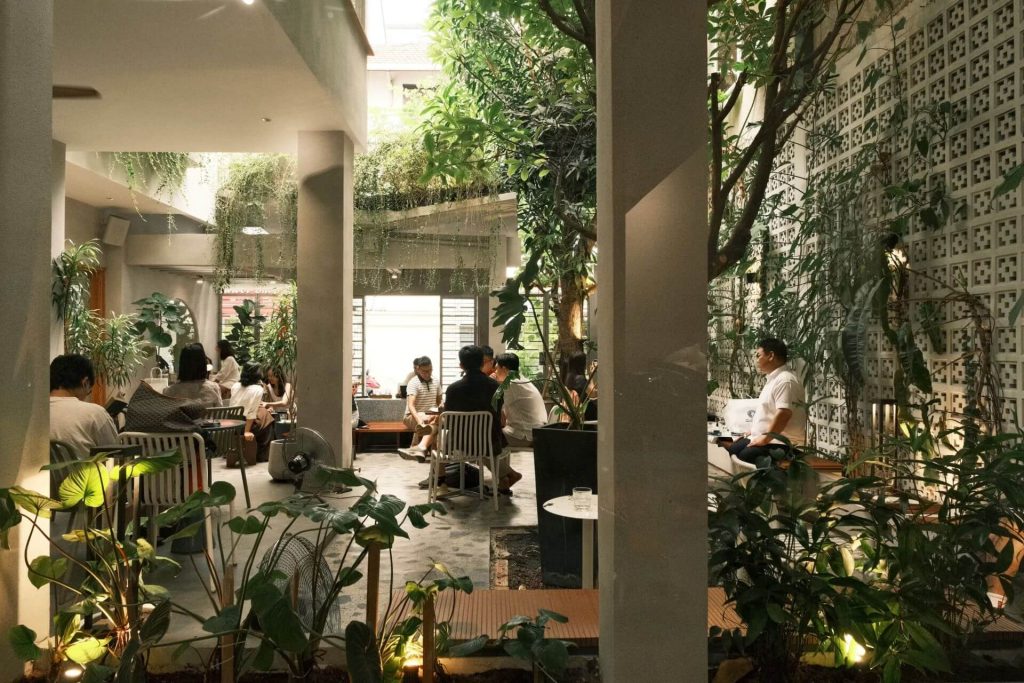
Authentic biophilic design extends far beyond placing a few potted plants in a room. It is a holistic approach to architectural design and interior design that thoughtfully combines the direct experience of nature, indirect references to nature, and spatial experiences that foster comfort and security.
One of its defining characteristics is access to ample natural light. Large glass windows, courtyards, and carefully planned orientations maximize daylight while creating a strong visual connection with surrounding natural landscapes. Combined with natural ventilation, these features improve air quality, encourage the circulation of fresh air, and reduce dependence on mechanical systems.
Living vegetation is equally important. Green walls, indoor gardens, water features, and carefully selected potted plants reconnect residents with the rhythms of the local ecology while strengthening the relationship between indoor and outdoor spaces. Even gentle airflow carrying natural scents or the sound of moving water provides valuable non-visual connection that supports relaxation.
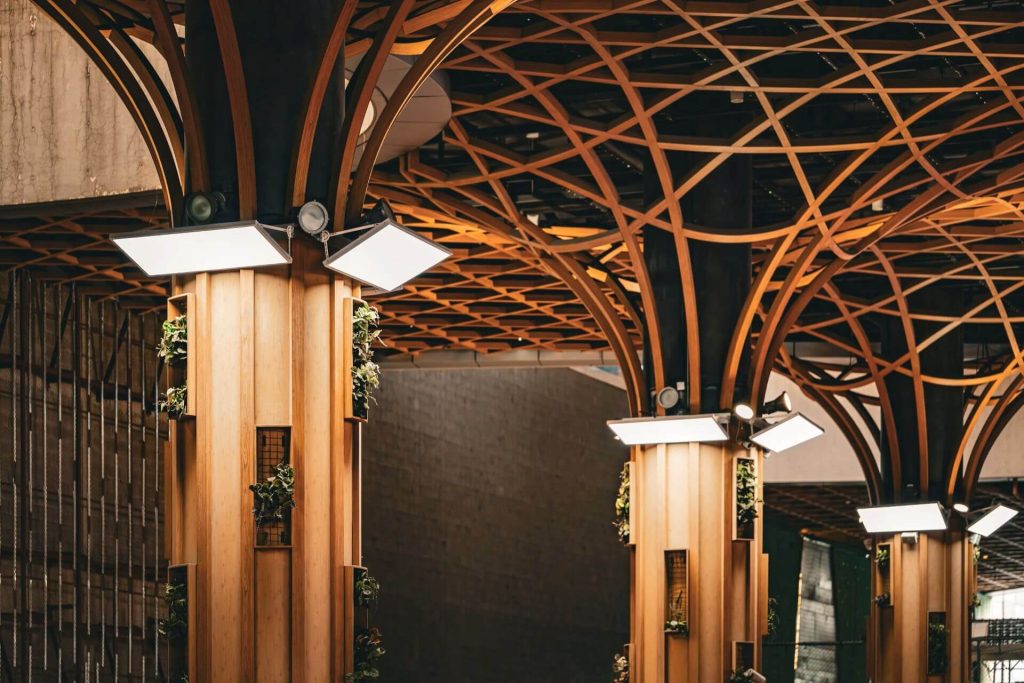
Material selection also plays a central role. Designers often specify natural materials, organic materials, and local materials such as stone, bamboo, or local timber that undergo minimal processing. These finishes improve indoor environmental quality while creating an authentic material connection to the surrounding landscape.
Nature also inspires the language of form. Instead of rigid symmetry, biophilic spaces incorporate natural geometries, naturalistic shapes, flowing organic forms, and layered shapes and forms that mimic natural environments. These characteristics are reinforced through transitional spaces, thoughtful spatial hierarchy, and organized complexity, creating a distinct sense of refuge while encouraging effortless movement throughout the home.
Rather than simply copying nature, successful biophilic design references natural systems, natural processes, and ecological relationships that have evolved over thousands of years. This sense of ecological attachment fosters comfort, familiarity, and emotional well-being, allowing homes to feel deeply connected to both people and place.
Architecture that proves nature belongs in modern luxury
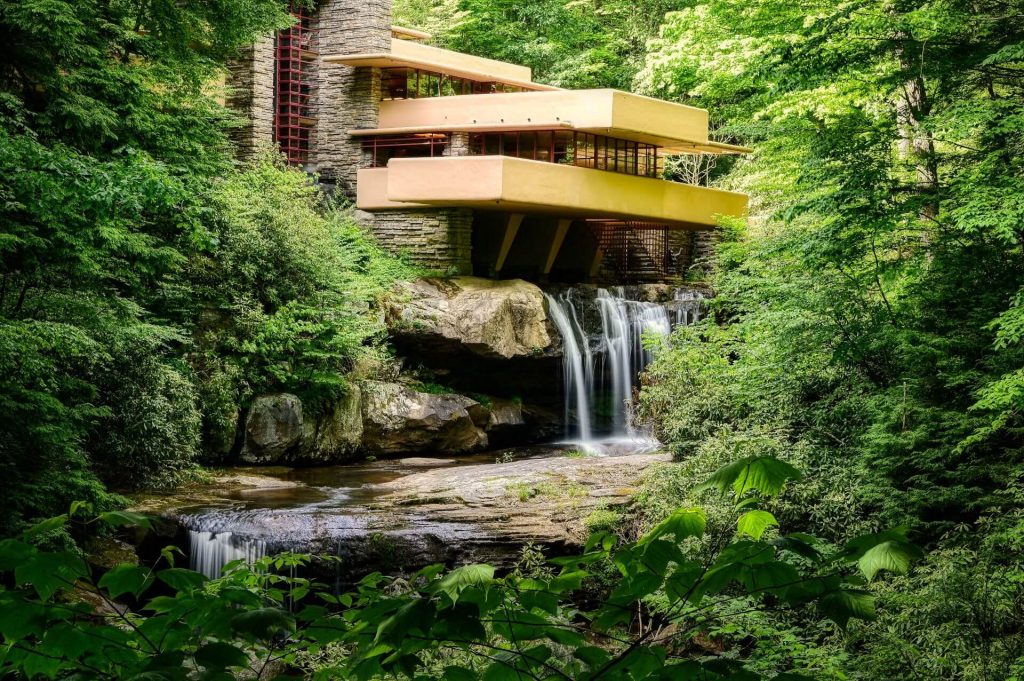
One of the earliest and most celebrated examples is Fallingwater, designed by Frank Lloyd Wright. Rather than positioning the home to admire a waterfall from afar, Wright built it directly above the cascading stream, allowing the sound, movement, and presence of water to become part of everyday life. Local stone, expansive terraces, and organic forms dissolve the boundary between architecture and the surrounding landscape, making the house a lasting benchmark for biophilic architecture.
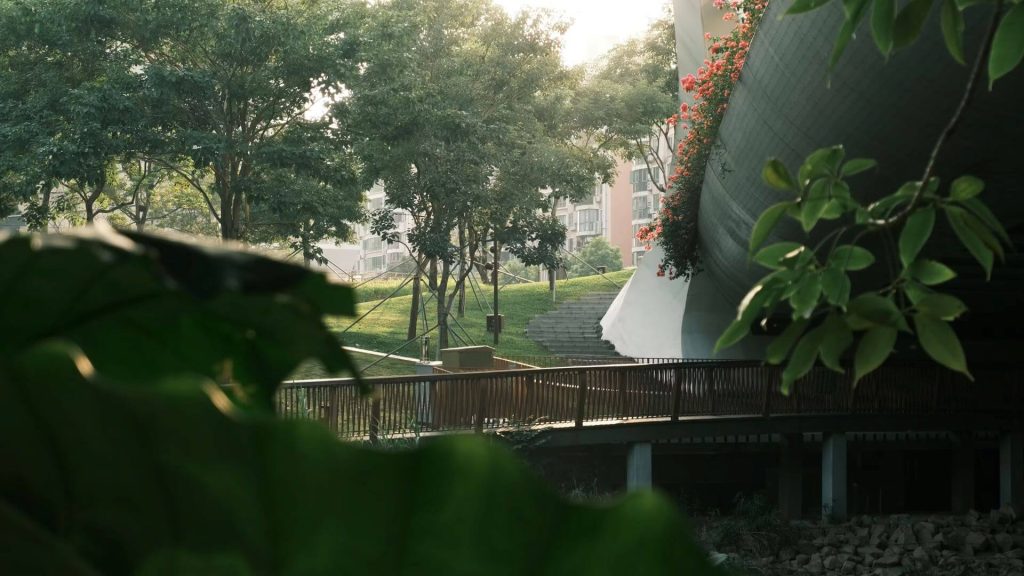
Healthcare has produced some of the strongest evidence supporting nature-inspired design. Singapore’s Khoo Teck Puat Hospital integrates gardens, ponds, green walls, and open-air circulation throughout its campus, creating a restorative environment for patients, healthcare workers, and the surrounding community. Remarkably, about 15 percent of its visitors come simply to enjoy its gardens rather than seek medical treatment.
Research on healthcare environments has consistently found that patients with views of nature recover faster, require less pain medication, and experience shorter hospital stays. Studies associated with biophilic healthcare design have reported average stays decreasing from 3.67 days to 2.6 days, demonstrating how carefully designed environments can enhance recovery from illness and surgery while improving the overall patient experience.
Biophilic principles also transform public spaces. Singapore’s Jewel Changi Airport features the world’s tallest indoor waterfall surrounded by lush vegetation, proving that even major transportation hubs can recreate the atmosphere of natural landscapes within dense urban settings. Visitors experience daylight, flowing water, and abundant greenery long before reaching their departure gates.
Similarly, the Amazon Spheres in Seattle house more than 40,000 plants representing over 400 species. Created as an alternative workplace environment, the project recognizes that employees perform better when surrounded by living systems instead of conventional office interiors. Research supports this approach, showing that natural elements in workplaces can increase productivity by 8 to 15 percent while reducing absenteeism and improving creativity.
Nature has influenced architecture for centuries, not only through vegetation but also through form. The Church of Mary Magdalene, known for its onion-shaped domes and expressive natural geometries, illustrates how organic shapes have long inspired architects seeking to evoke harmony, beauty, and emotional comfort.
Although these projects differ greatly in purpose, they all share the same objective: creating environments that help people feel healthier, calmer, and more connected to the natural world.
Why nature-inspired homes have become a premium investment
As wellness becomes a priority for homeowners, biophilic design is increasingly recognized as both a lifestyle choice and a valuable investment.
Studies suggest that properties incorporating biophilic design can sell for up to 16 percent more than comparable developments. Buyers increasingly appreciate homes that combine sophisticated architectural design with healthier indoor environments, recognizing that comfort extends beyond luxury finishes.
Natural materials contribute significantly to this appeal. Stone, timber, bamboo, and other organic materials improve indoor environmental quality while creating a timeless aesthetic that ages gracefully. Combined with generous daylight, fresh air, and thoughtfully landscaped surroundings, these features create homes that remain desirable over the long term.
The economic benefits extend well beyond residential properties. Increased daylighting has been linked to retail sales increases of up to 40 percent, while offices designed around biophilic principles consistently report higher employee satisfaction and stronger cognitive performance. Researchers estimate that wider adoption of biophilic strategies could generate approximately $470 million in productivity gains while reducing societal costs associated with stress, illness, and absenteeism. Some studies also suggest that greener urban environments contribute to lower crime-related expenses, reinforcing the value of healthier communities.
For today’s luxury developments, wellness is no longer considered an optional amenity. Buyers increasingly seek homes that strengthen their connection to the local ecosystem, encourage everyday interaction with nature, and create restorative environments despite the demands of modern urban life.
Carving a biophilic space in everyday living
While iconic buildings showcase the possibilities of biophilic design, many of its principles can be incorporated into private residences regardless of size.
Homes benefit from maximizing ample natural light through well-positioned windows and open layouts that reduce dependence on artificial lighting. Improving natural ventilation encourages healthier airflow while maintaining comfortable indoor temperatures throughout the year.
Designers also pay close attention to how a home feels rather than simply how it looks. Layered spaces, gradual transitions between rooms, varied textures, and subtle sensory experiences create environments that encourage calm, security, and everyday comfort. These qualities transform homes into spaces that actively support physical health, emotional resilience, and overall human wellbeing.
A future where luxury feels more natural
As architecture continues to evolve, the most desirable homes are increasingly those that improve everyday life rather than simply impress at first glance. Biophilic design demonstrates that exceptional homes can combine elegant aesthetics with measurable health benefits by strengthening our relationship with nature.
Through natural light, fresh air, organic materials, thoughtful spatial planning, and meaningful connections to local ecology, nature-inspired homes foster healthier minds, stronger communities, and a greater sense of belonging. In an increasingly urban world, these qualities are redefining what modern luxury truly means.
