

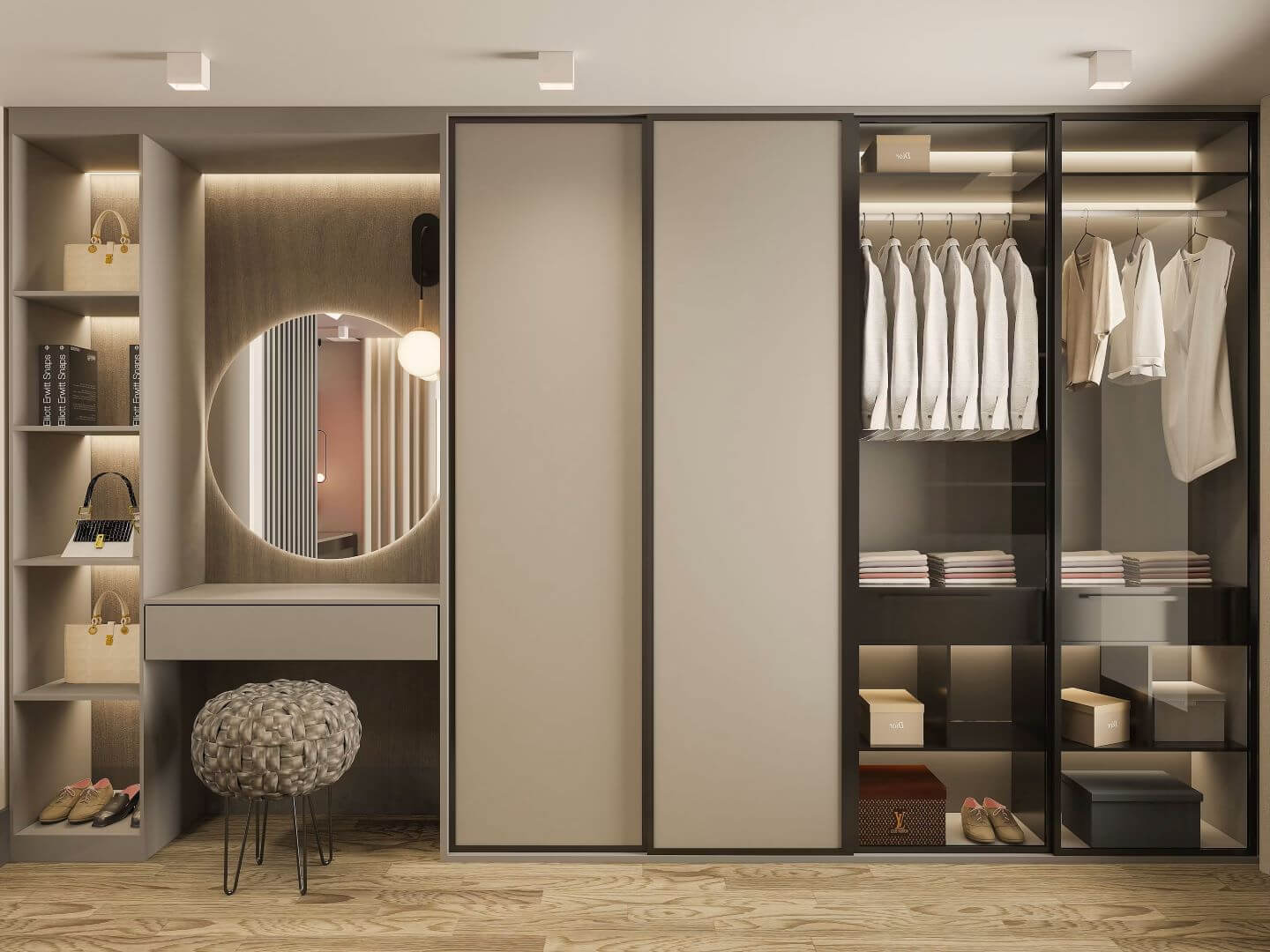
Thoughtful walk-in closet design ideas can transform a storage area into one of the most functional and visually appealing spaces in a home. It is a more organized way to manage clothes, accessories, shoes, and everyday essentials. Whether connected to a spacious master bedroom or incorporated into a compact layout, a well-planned closet contributes to a smoother daily routine while enhancing the overall atmosphere of the room.
The best walk-in closet design balances aesthetics and efficiency. By making smart use of floor space, wall space, and vertical space, homeowners can create a dedicated area that feels organized without sacrificing style.
A carefully planned walk-in closet can accommodate everything from hanging clothes and folded items to jewelry, bags, and seasonal wardrobe pieces. With the right closet systems, lighting, and layout, a simple storage area can achieve the boutique feel.
More than a place to store clothing, a walk-in wardrobe can help reduce clutter, protect valuable pieces, and create a more enjoyable start and end to each day. Whether designing a small walk-in closet or your spacious dream closet, these ideas offer inspiration for creating a space that is both beautiful and highly functional.
Walk-in closet designs for different needs
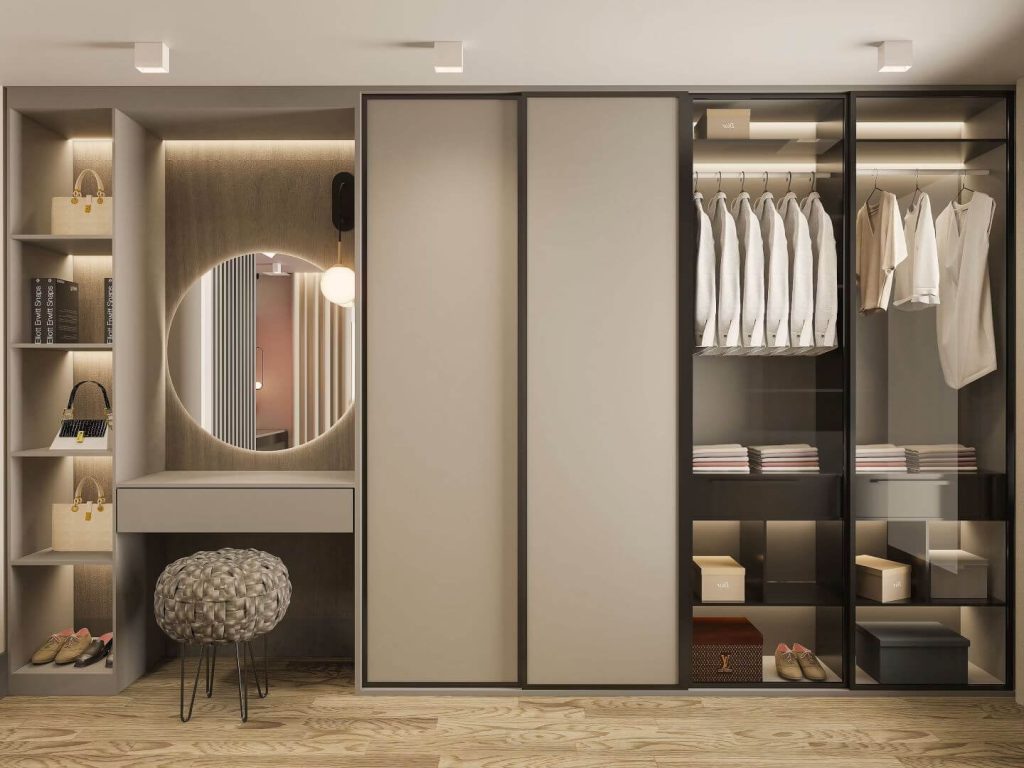
1. Floor-to-ceiling shoe wall
For homeowners with an extensive collection of shoes, a floor-to-ceiling shoe storage wall offers a practical and visually striking solution. This design maximizes vertical space while keeping the floor clear, creating a cleaner and more open environment. Adjustable shelves can accommodate different footwear styles, from everyday sneakers to formal heels and boots.
When integrated into a walk-in closet, a shoe wall can become a design feature rather than simply a storage solution. Adding subtle lighting can create a display effect that highlights favorite pairs while still keeping it organized.
2. Vertical shelving with custom shelves
Custom shelves provide the flexibility that standard storage units often cannot match. By tailoring shelf dimensions to specific wardrobe needs, homeowners can create dedicated areas for bags, folded items, accessories, and decorative pieces.
This closet design works particularly well for households that require varied storage options. Taller shelves can accommodate larger items, while smaller compartments keep everyday essentials within reach. The result is a tidy and highly personalized storage system that adapts to changing needs over time.
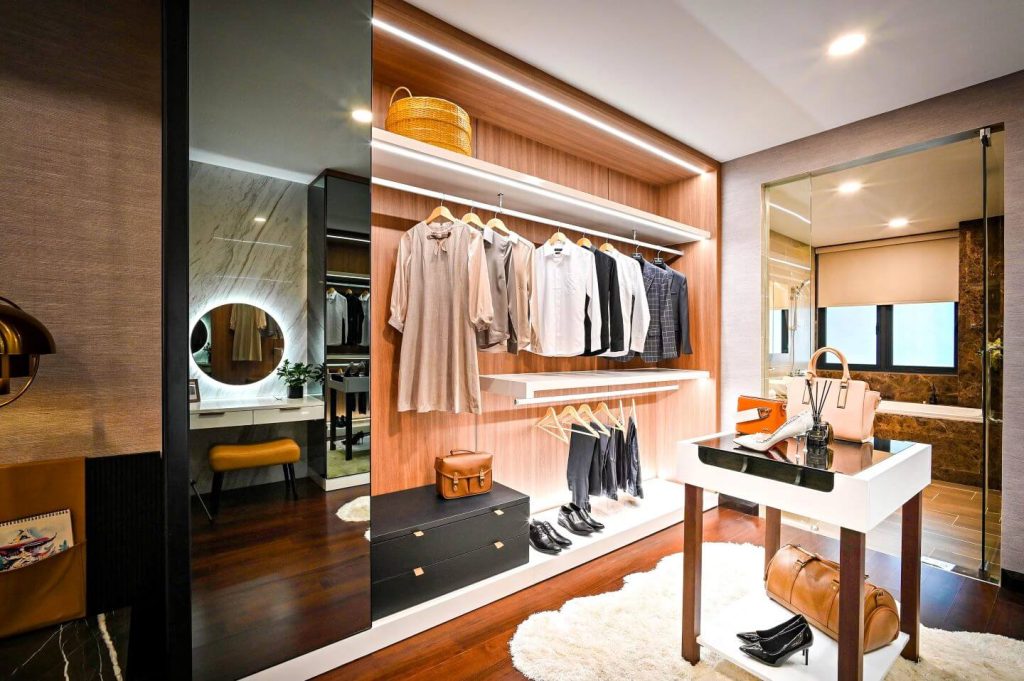
3. Double hanging rod system
One of the most effective walk-in closet ideas for maximizing hanging space is the double hanging rod system. By installing two levels of clothing rods, homeowners can significantly increase storage capacity without expanding the footprint of the closet.
This arrangement works well for shirts, jackets, trousers, and shorter garments. Dedicated hanging sections for dresses, coats, and longer clothing can be added nearby to ensure that every item has an appropriate place. The combination creates a balanced layout that makes it easier to organize and access clothing.
4. Maximized small walk-in closet plan
A small walk-in closet can still feel spacious when every inch is used thoughtfully. The key is to prioritize efficiency while maintaining an uncluttered appearance. Open shelving, slim-profile drawers, and integrated racks can help maximize available space without making the room feel crowded.
Choosing lighter finishes, incorporating mirrors, and keeping pathways clear can also contribute to a more open atmosphere. Even in a compact bedroom, a well-designed closet can provide substantial storage while remaining comfortable to use.
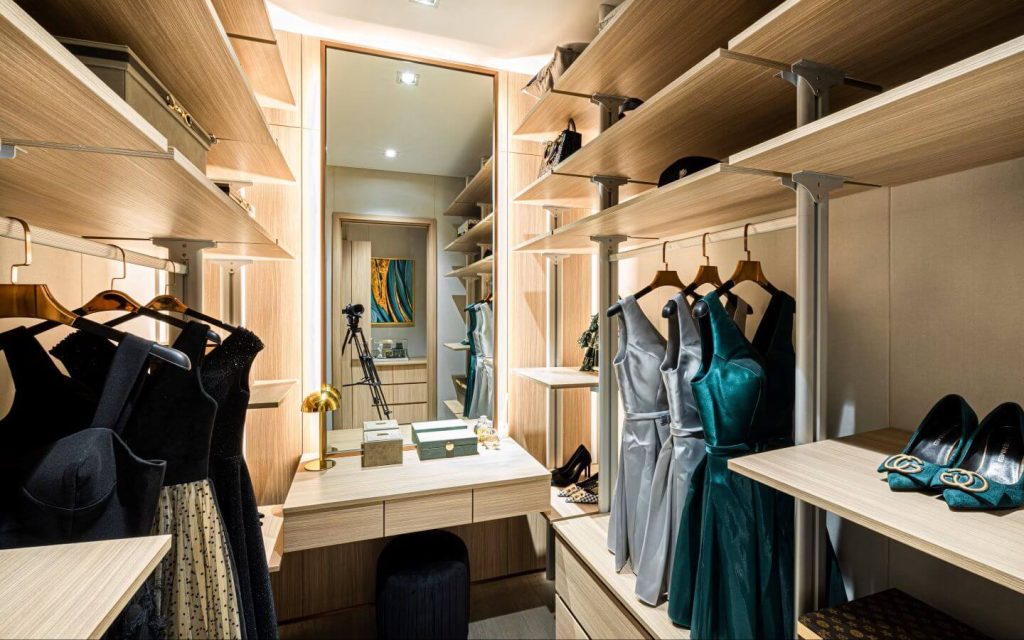
5. Central closet island for extra space
A central island instantly elevates the experience of a master closet. Beyond its visual appeal, it offers valuable extra space for organizing outfits, folding clothing, and storing smaller items such as jewelry and accessories.
Drawers built into the island can provide concealed storage, while the top surface serves as a convenient workspace during daily dressing routines. In larger layouts, a center island can also help define circulation within the room and create a more polished, custom appearance.
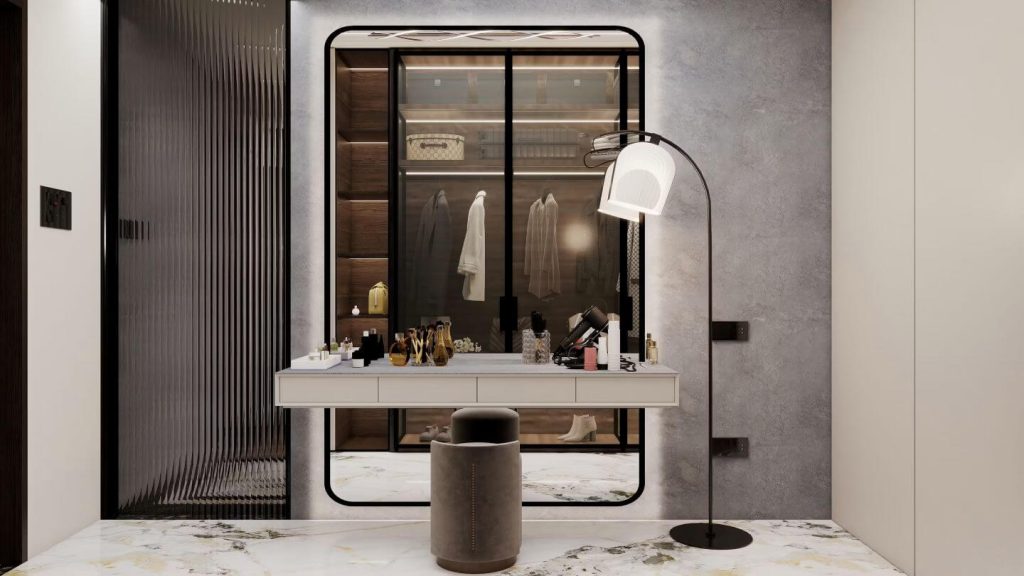
7. Mirrored walk-in wardrobe wall
A full-height mirror wall is one of the simplest ways to make a walk-in wardrobe feel larger. Mirrors bounce light throughout the room and create the illusion of additional depth, which is particularly helpful in smaller spaces.
In addition to their visual impact, mirrors serve an obvious practical purpose. Whether checking an outfit before work or preparing for a special occasion, a well-placed mirror enhances both convenience and style while complementing a wide range of interior design themes.
8. Budget-friendly modular closet ideas
Creating a beautiful closet does not always require a significant investment. Many budget-conscious modular systems offer flexibility, durability, and a professional appearance without the expense of fully custom cabinetry.
These systems often include adjustable shelves, hanging rods, bins, baskets, and storage accessories that can be reconfigured as needs change. Homeowners can start with a basic system and gradually add components over time, making it a practical solution for those planning a new closet on a budget.
9. Under-window bench with shoe storage
An under-window bench combines comfort and functionality in a way that feels natural within a walk-in closet. The seating area provides a convenient spot for putting on shoes, while the storage below helps keep footwear organized.
This design is particularly effective in rooms where wall space is limited. Instead of leaving the area beneath a window unused, homeowners can transform it into a practical feature that adds both storage and character to the room.
10. Open display closet design with lighting
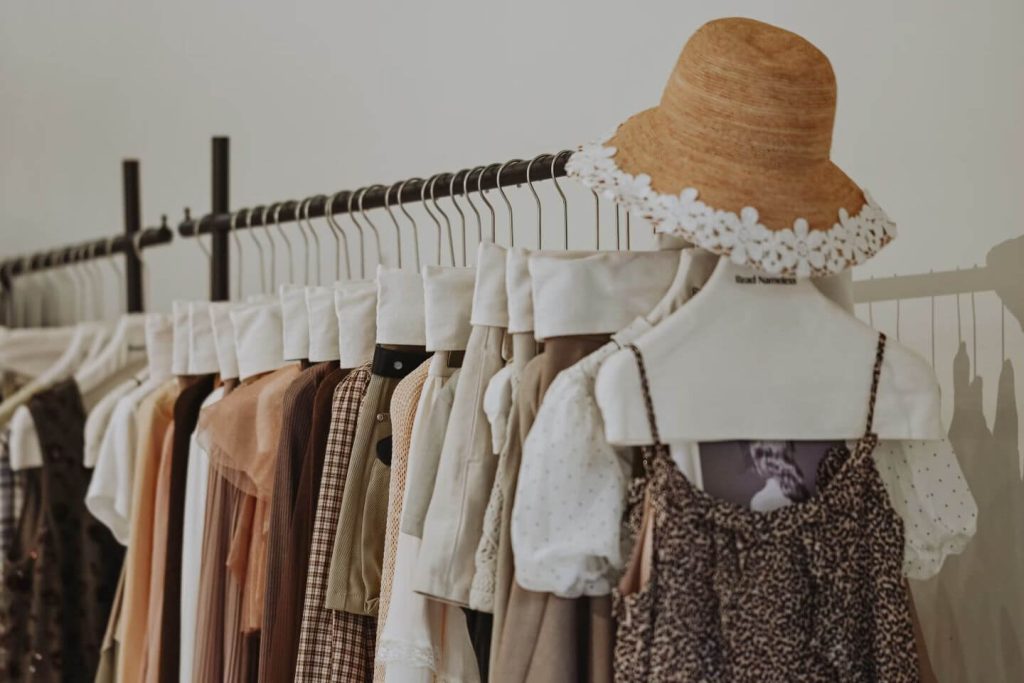
An open display closet embraces the idea that a wardrobe can become part of the room’s decor. Rather than hiding everything behind doors, this approach showcases clothing, accessories, and carefully selected pieces in an organized manner.
Lighting plays an important role in achieving the desired effect. Integrated lighting beneath shelves, inside display sections, or around a vanity can create a sophisticated atmosphere while making it easier to locate items. The result is a closet with a strong boutique feel that combines practicality with visual appeal.
12. Curtain-front walk-in for flexible access
Not every walk-in closet requires built-in doors. Curtain-front designs provide a softer and more flexible alternative, particularly for smaller homes or multipurpose spaces.
Fabric panels can be opened easily to access clothing while concealing storage when desired. This approach introduces texture into the room and offers a quick solution for homeowners looking to create separation without extensive renovation work.
13. Zone-divided walk-in with functional areas
Dividing a closet into dedicated zones helps maintain organization over time. Different sections can be assigned to work attire, casual clothing, athletic wear, shoes, and accessories, making it easier to locate items quickly.
This layout works especially well for shared wardrobes or households with extensive clothing collections. Clear zones encourage consistent organization and help prevent clutter from building up in frequently used areas.
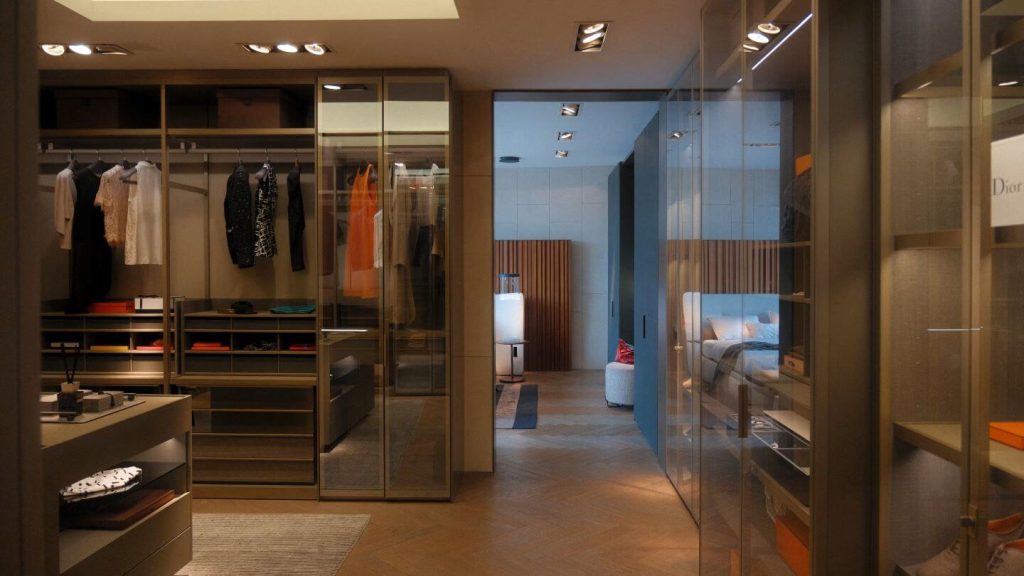
14. Boutique-style luxury walk-in closet ideas
Luxury walk-in closet ideas often draw inspiration from high-end retail spaces. Features such as glass display cases, elegant lighting, custom drawers, and carefully selected finishes create an elevated atmosphere while remaining highly practical.
A statement pendant light, a comfortable sitting area, or a dedicated vanity can add personality and sophistication to the space. Combined with premium materials and thoughtful planning, these elements help create a dream closet that feels both refined and welcoming.
How to choose the right design for your home
The right closet design depends on your available room dimensions, storage needs, and lifestyle preferences. Some homeowners prioritize hanging space for professional clothing, while others require more shelves and drawers for folded items.
Ceiling height also plays an important role. Homes with higher ceiling clearance can benefit from additional upper storage, creating more space for seasonal items and less frequently used belongings. In contrast, smaller layouts may benefit from streamlined closet systems that prioritize accessibility.
Finally, budget considerations are equally important. While fully custom installations provide maximum flexibility, modular solutions can deliver many of the same benefits at a lower cost. The best approach is often a combination of both, using custom features where they provide the greatest value while incorporating ready-made storage elements elsewhere.
