


The definition of a dream home has evolved. Today’s buyers are no longer focused solely on square footage, luxury finishes, or prestigious locations. Across the global region, the holistic approach is gaining ground, and consumers are increasingly prioritizing wellness, sustainability, and balance in their daily lives. This growing demand is shifting the future of real estate toward new destinations of wellness that place human health and holistic living at the center of every development.
From green spaces and meditation gardens to yoga studios and wellness features that encourage physical activity, the wellness real estate market is experiencing a new wave of growth. According to research from the Global Wellness Institute, wellness real estate has become one of the fastest-growing sectors in the broader real estate market, driven by consumers seeking homes that support their physical health, mental health, and overall well-being.
For developers, investors, and urban families alike, this is more than a passing trend. It signals a new approach in how communities are designed and how people want to live in the future.

The rise of wellness real estate
The rise of wellness real estate mirrors changing lifestyles and priorities. Modern urban developments are no longer viewed simply as places to live. Instead, they are becoming environments carefully designed to support healthier, more fulfilling lifestyles.
The Global Wellness Institute has consistently highlighted the connection between the built environment and human health. As cities become denser and daily routines become more demanding, many families seek homes that provide access to nature, open spaces, and amenities that promote holistic health.
Wellness-focused communities respond directly to these concerns. These developments integrate wellness features into their overall concept, creating neighborhoods that support both physical and mental well-being.
Most wellness communities often include:
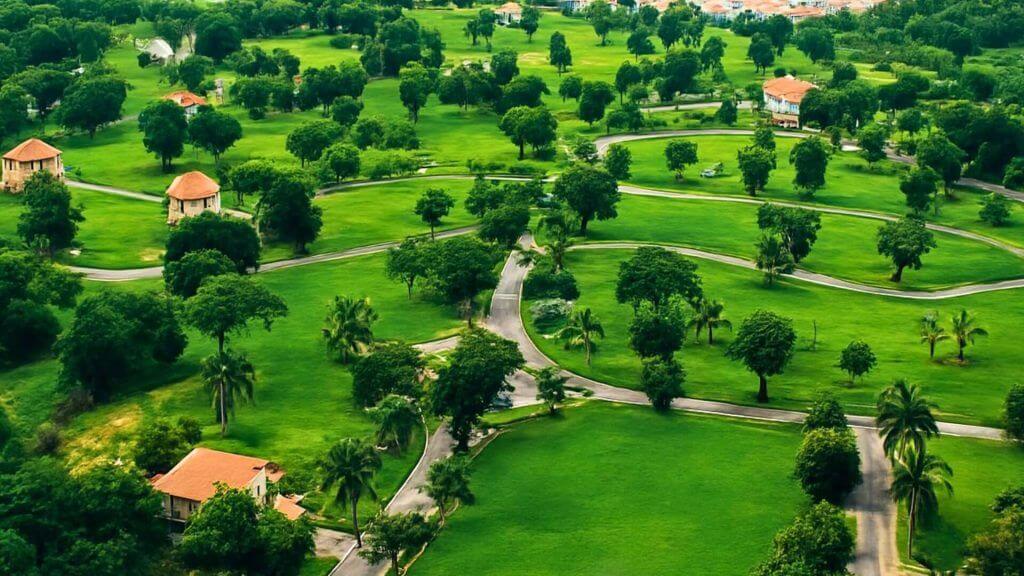
- Green spaces and landscaped parks
- Meditation spaces and meditation gardens
- Walking and biking paths for physical activity
- Yoga studios and fitness centers
- Sustainable living initiatives such as rainwater harvesting
- Serene surroundings designed to reduce stress
- Open spaces that encourage social connection
These design features help residents feel more connected to nature while also reducing the effects of social isolation commonly associated with urban living.
Why wellness-focused communities are becoming popular
There are several key reasons why wellness-focused communities are becoming essential in the future of real estate.
They support physical health
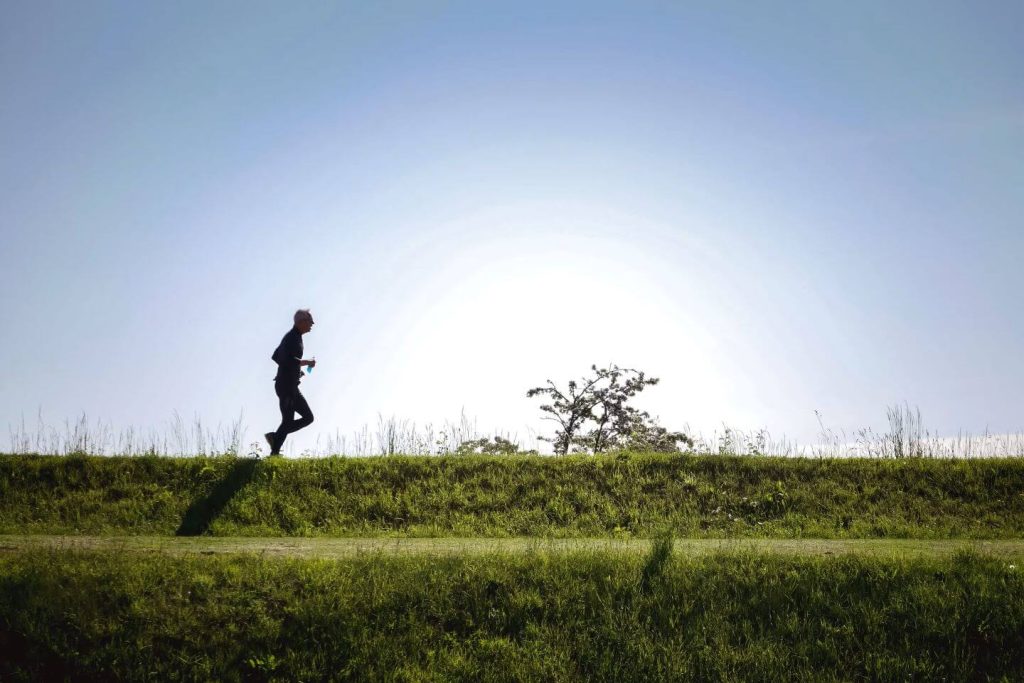
One of the strongest drivers behind wellness real estate is the growing awareness of physical health. Residents increasingly want communities that encourage movement and healthy living without requiring major lifestyle adjustments.
Walkable developments, bike-friendly roads, and accessible fitness amenities make it easier for people to stay active. Open spaces allow children to play safely outdoors while adults enjoy walking trails or recreational activities.
Research continues to show that communities designed around physical activity contribute positively to cardiovascular health, mobility, and cognitive function. Access to parks and green spaces also encourages residents to spend more time outdoors, which can improve energy levels and overall wellness.
For senior living developments, wellness features become even more valuable. Safe walkways, calming landscapes, and easy access to healthcare facilities or hospitals can significantly improve the quality of life for older members of the family.
They prioritize mental health
Wellness communities are equally focused on mental health. In today’s fast-paced urban environment, stress and burnout have become common concerns. More consumers are looking for homes that provide a sense of calm and balance.
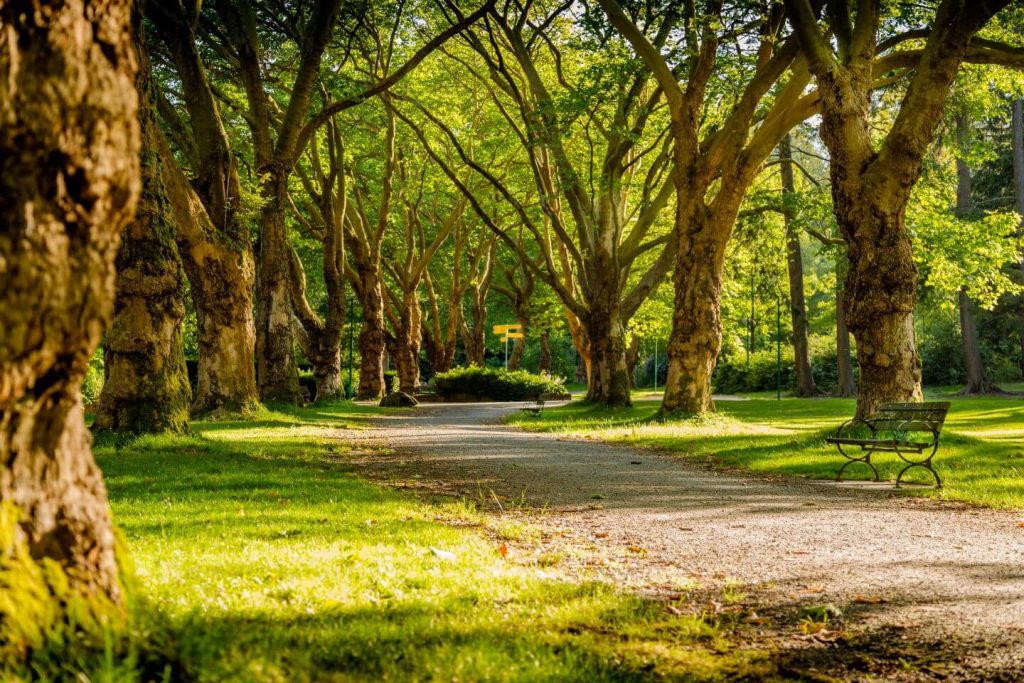
Meditation spaces, serene surroundings, and thoughtfully designed communal areas contribute to mental peace and emotional wellness. Natural lighting, greenery, and reduced noise pollution all play an important role in supporting holistic health.
Holistic living recognizes the connection between physical health, mental health, emotional wellness, and environmental wellness. Developers now integrate meditation gardens, wellness lounges, and recreational spaces that encourage balance and social connection.
Sustainability and the built environment
Sustainability has become another major factor driving the wellness real estate market. Buyers are increasingly aware of how environmental conditions affect health and long-term quality of life.
Sustainable living practices are now considered essential rather than optional. Features such as rainwater harvesting systems, energy-efficient infrastructure, natural ventilation, and environmentally responsible materials are becoming standard in many wellness-focused communities.
This rise in wellness-focused communities reflects a fundamental shift in consumer expectations. Buyers now seek homes that promote healthy living, physical activity, mental peace, and a stronger social connection. Global wellness research and communities symposium discussions continue to highlight how the built environment influences human health, emotional balance, and overall well-being.
The investment potential of wellness communities
For investors, wellness communities present strong opportunities for the future of real estate.
One major advantage is the growing demand for wellness-focused developments across multiple price points. While luxury buyers were initially the primary market for wellness real estate, the concept is now expanding into upper-middle and mid-market communities as well.
Consumers increasingly view wellness amenities as valuable long-term investments rather than optional luxuries. Access to green spaces, wellness centers, meditation spaces, and healthy living environments often allows developments to command a price premium compared to traditional residential projects.
This demand creates opportunities for both property appreciation and stronger buyer interest. Investors are recognizing that wellness real estate is not simply a niche market but an expanding category with long-term relevance.
Urban families have new expectations
Urban families are among the strongest drivers behind the rise of wellness communities. In many urban developments, wellness amenities have become a key differentiator. Buyers are comparing not only home sizes and finishes but also the quality of community spaces, environmental features, and lifestyle support.
Residents also value developments that support work-life balance through recreational spaces, wellness amenities, and serene surroundings.
The pandemic further accelerated this shift in priorities. Consumers became more aware of the importance of mental health, physical wellness, and environmental quality in daily life.
As a result, the future of real estate is increasingly centered on creating communities that support healthier lifestyles rather than simply offering residential units.
Wellness communities are shaping the future
The growth of wellness communities is a powerful transformation in the real estate industry. As consumers prioritize healthy living, sustainability, and holistic health, developers and investors must adapt to changing expectations. Wellness-focused communities are no longer viewed as luxury concepts reserved for select markets. They are becoming an essential part of the future of real estate.
From meditation spaces and green spaces to sustainable living initiatives and wellness amenities, these developments reflect a deeper understanding of how environments influence human health.
The wellness real estate market will likely continue to expand as more buyers seek homes that support physical health, mental wellness, and balanced lifestyles. This new wave of development goes beyond aesthetics or convenience. It suggests a broader commitment to creating communities where residents can truly thrive.
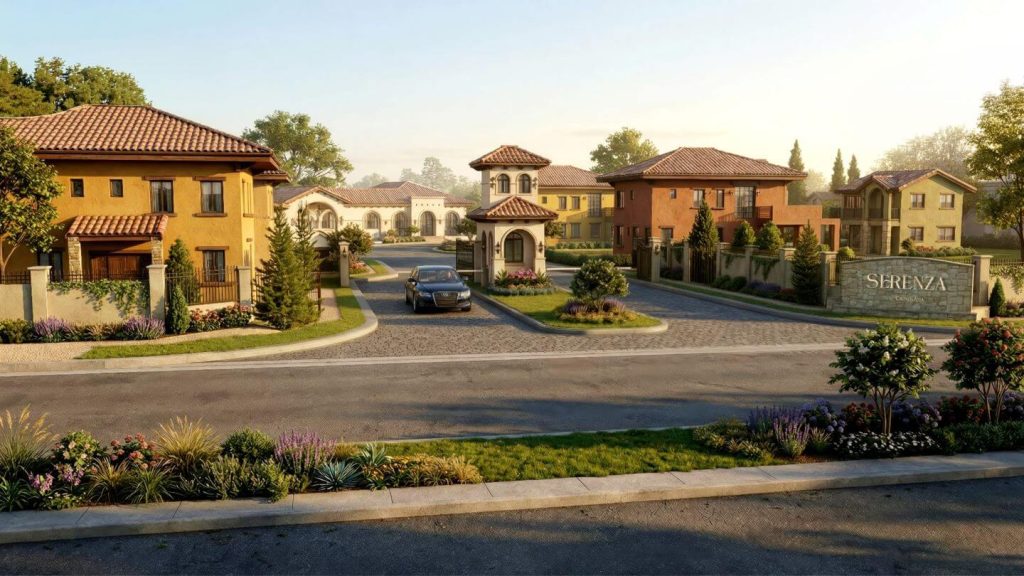
As wellness communities continue to influence the future of real estate, developments like Crown Asia’s Serenza in Silang, Cavite, show how thoughtful design, open spaces, and nature-inspired surroundings can support a healthier and more balanced way of life. With its Tuscan-inspired setting, landscaped streets, recreational amenities, and carefully planned community spaces, Serenza offers residents an environment where wellness, comfort, and everyday living come together in one distinctive address.
