

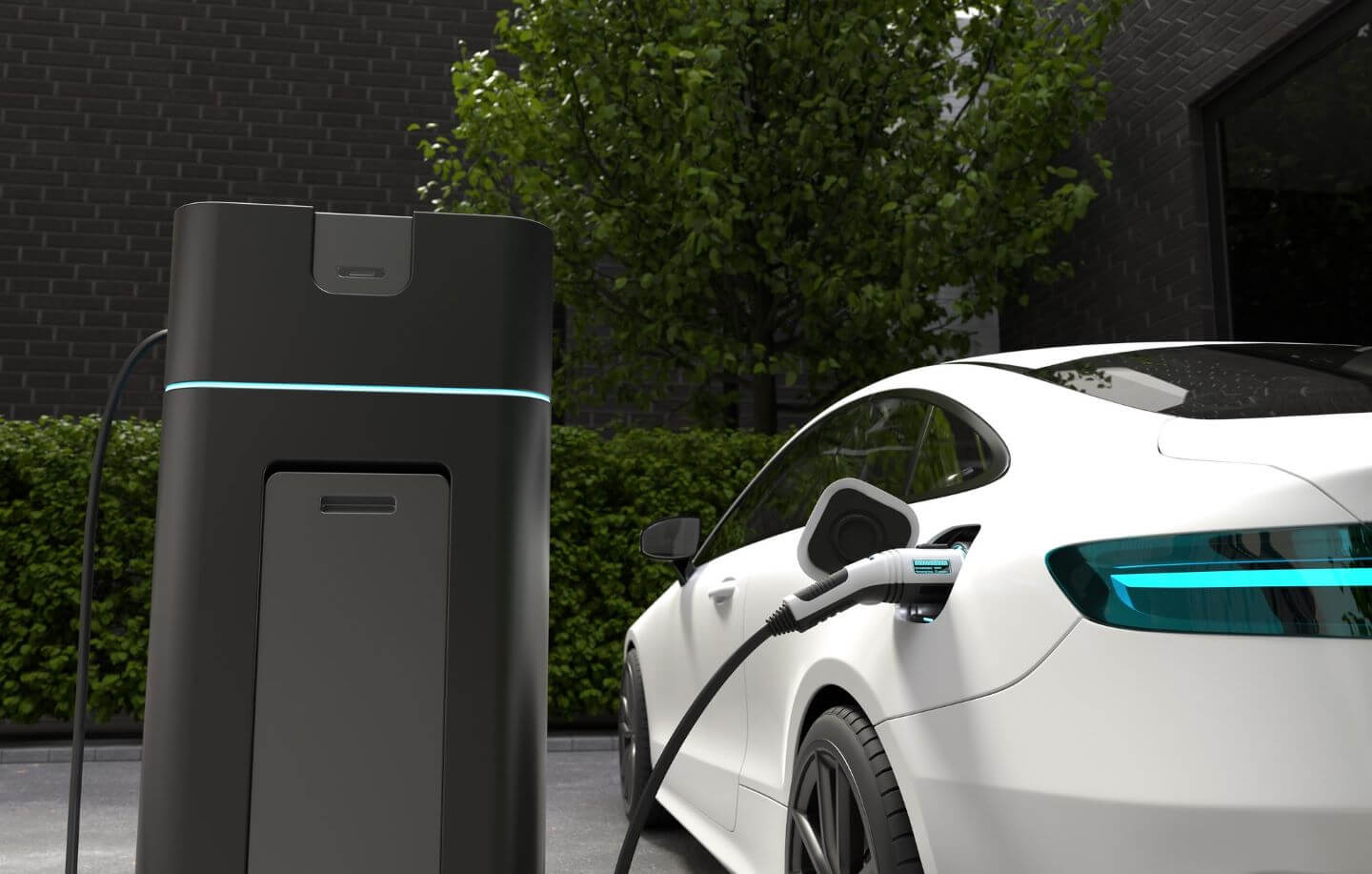
Image source: Magnific
For years, the idea of owning an electric vehicle in the Philippines felt unrealistic for most families. Electric cars were viewed as expensive, difficult to maintain, and impractical for everyday driving conditions. In 2026, that perception is changing rapidly.
Rising fuel prices, worsening urban traffic, and expanding charging infrastructure are pushing more Filipinos to rethink what makes an efficient vehicle for daily life. More EV models are entering the market, commercial centers are adding charging stations, and consumers are paying closer attention to long-term cost savings rather than just upfront purchase prices.
For many households preparing to buy their next car, the conversation is no longer about whether EVs are possible in the Philippines. The real question is whether sticking with gas-powered vehicles still makes financial and practical sense long term.
Practical Guide to Buying an Electric Vehicle
One reason electric vehicles EVs are gaining traction locally is that they now align more closely with how many Filipinos actually use their vehicle every day.
Use in Urban Spaces
Most urban households spend more time in traffic than on open highways. In these conditions, battery electric vehicles perform surprisingly well. Unlike ICE cars (Internal Combustion Engine Cars) that continue burning fuel while idling, a fully electric vehicle uses energy more efficiently during city driving and low speeds. This becomes especially valuable in Metro Manila, Cavite, Cebu, and other densely populated areas where stop-and-go traffic is unavoidable.
Reducing Carbon Footprint
EV ownership also appeals to buyers trying to reduce dependence on fossil fuels and lower emissions. Since EVs produce zero tailpipe emissions, they contribute less pollution compared with traditional vehicles powered by a gas engine.
For first-time buyers, understanding the difference between EV types matters. A fully electric vehicle relies entirely on battery power and an electric motor, while a plug-in hybrid combines battery operation with a gasoline-powered vehicle setup. Plug-in hybrid systems can still use fuel when needed, which some families prefer if they regularly travel across areas with limited charging infrastructure.
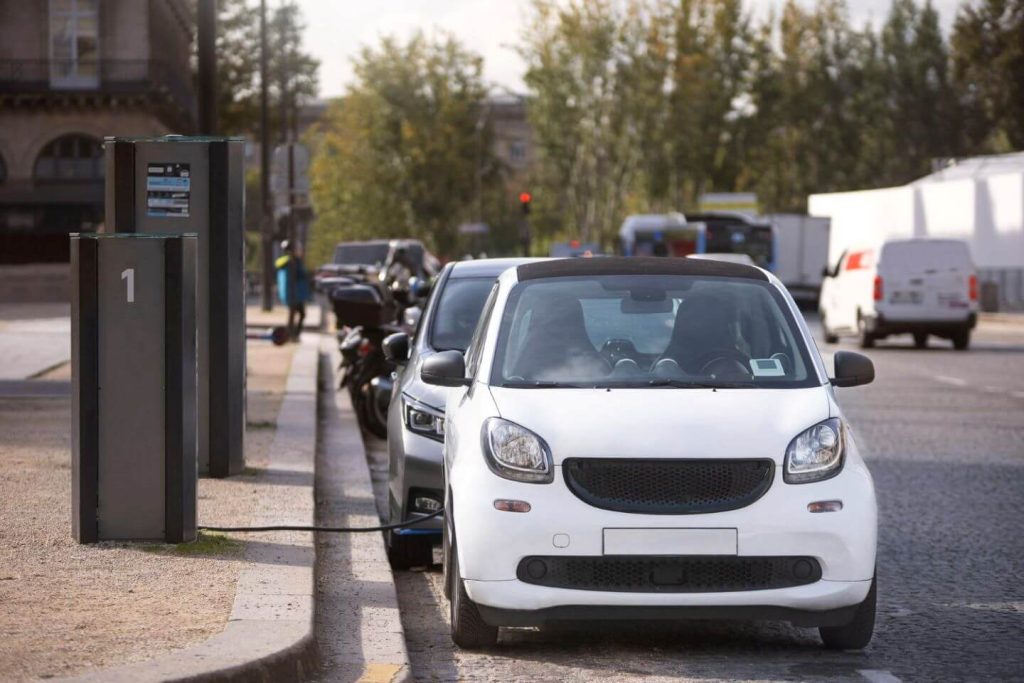
What Actually Matters When Buying an EV in 2026
Modern electric cars no longer feel experimental. Many manufacturers now offer EV models designed specifically for families, with larger cabins, better safety systems, and enough battery range for daily use.
The growing number of EV models available in the Philippines is also giving buyers far more flexibility than before. Unlike a few years ago, when choices were limited mostly to premium imports, today’s market now includes compact city EVs, family-oriented crossovers, and higher-performance electric SUVs across different price segments.
Chinese brands currently dominate much of the local EV market, particularly in the entry-level and mid-range categories, while Korean, Japanese, and American manufacturers continue expanding their electric vehicle lineups locally.
Popular Entry-Level and City-Focused EVs
For first-time EV buyers prioritizing affordability and daily commuting efficiency, compact electric cars are becoming more accessible. Models such as the BYD Seagull, Nissan LEAF, and MG 4 EV are gaining attention among urban drivers because of their manageable size, practical battery range, and lower operating costs.
These vehicles are often best suited for:
- city driving
- short-to-medium commutes
- daily school and office travel
- households transitioning from smaller ICE cars
Family-Oriented Electric Crossovers and SUVs
As EV adoption grows, manufacturers are increasingly focusing on family-friendly electric vehicles with larger cabins, improved safety technology, and better long-distance comfort.
Models such as the BYD Atto 3, Kia EV5, Kia EV9, Hyundai Ioniq 5, and BYD Sealion series appeal to buyers looking for more interior space and flexibility without sacrificing efficiency. Many of these EV models also offer stronger power output, longer battery range, and more advanced driver-assistance systems compared with earlier electric cars.
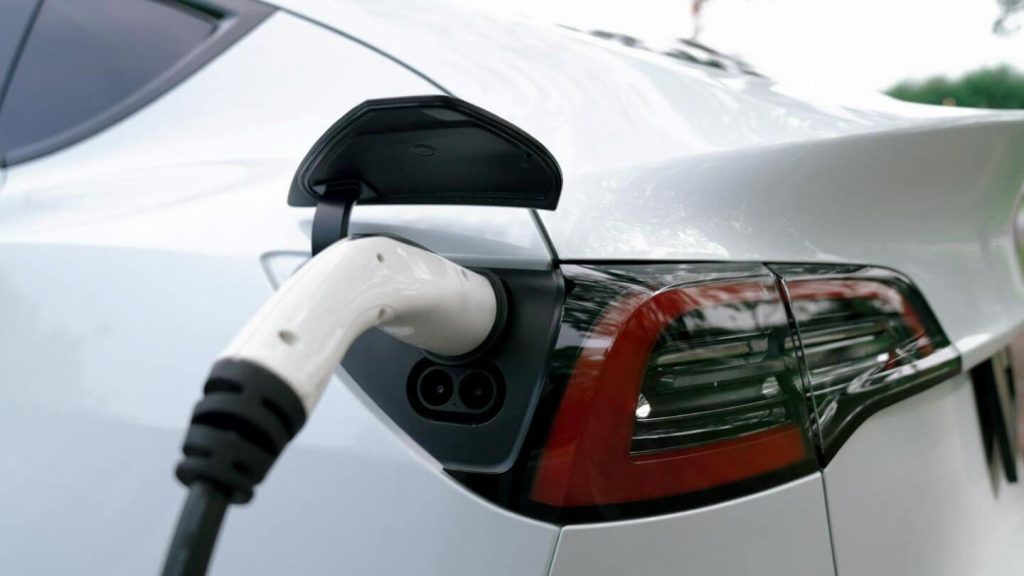
Premium and High-Performance EV Models
For buyers willing to spend more on performance and technology, premium electric vehicles are also becoming more visible in the Philippine market. The Tesla Model 3, Tesla Model Y, and Kia EV6 remain among the more recognizable options for consumers prioritizing acceleration, advanced software systems, and longer EV range capabilities.
As competition between manufacturers continues increasingly, buyers now have more flexibility to choose an electric vehicle that matches their budget, driving habits, and long-term ownership priorities rather than settling for limited options.
Driving Habits and Everyday EV Practicality
A proper guide to buying an electric vehicle should focus less on hype and more on practical ownership realities. Many buyers still obsess over maximum miles of range, assuming the highest number automatically means the best cars. In reality, the ideal EV depends heavily on driving habits.
A family traveling short daily distances around the city may never need oversized batteries or extremely high performance. An average EV with smaller batteries can already cover several days of commuting on a single charge under normal conditions.
Instead of focusing only on advertised specifications, buyers should evaluate:
| What to Evaluate | Why It Matters |
|---|---|
| Battery range | Determines how far the EV can travel before charging |
| Charging speed | Affects convenience during travel and public charging |
| Power output | Influences acceleration and highway performance |
| Real-world range | Reflects actual usage instead of ideal test conditions |
| Warranty coverage | Important for long-term battery reliability |
| Home charging compatibility | Impacts daily convenience and electricity costs |
Battery Capacity and Practical Driving Range
Battery capacity is typically measured in kilowatt-hour ratings. Larger battery systems generally support longer driving distances, but they also increase vehicle cost and charging time. For many Filipino households, a more efficient EV with moderate battery capacity may be more practical than premium models designed for extremely long-range travel.
Why Test Drives Matter for First-Time EV Buyers
A test drive matters more with EVs than many buyers initially expect because the driving experience differs significantly from that of ICE vehicles. Instant torque delivers quicker acceleration response, while regenerative braking changes how the vehicle slows down. Some systems even support one-pedal driving, where easing off the accelerator automatically slows the vehicle while recovering energy back into the battery.
These differences can feel unusual at first, especially for drivers transitioning directly from traditional vehicles. Some family buyers may also be surprised that many modern EVs already deliver smoother acceleration and more power than similarly priced ICE cars, particularly during overtaking and highway merging.

The Importance of Local Reviews and Real-World Performance
Consumer reports and local reviews are also becoming increasingly important because Philippine road conditions differ from international testing environments. Real-world range performance in tropical weather, heavy traffic congestion, and uneven road conditions often matters more than laboratory estimates.
The Financial Reality of EV Ownership
One of the biggest misconceptions surrounding electric vehicles is that they are automatically more expensive overall.
While a new electric vehicle can still cost more upfront than many ICE cars, ownership costs tell a different story over time. Some of the advantages are as follows:
- Fuel and Maintenance Savings: The most obvious advantage comes from fuel and maintenance savings. EVs eliminate many routine expenses associated with a gasoline-powered vehicle because there is no engine oil, fewer moving parts, and less mechanical wear.
- Lower Electricity Rates vs. Fuel: Electricity rates remain a major consideration, but home charging is still usually cheaper than regular fuel expenses, particularly for urban households with predictable driving schedules.
- Improved Battery Substantially: Battery degradation remains one of the biggest concerns among first-time EV buyers. However, modern EV batteries have improved substantially in durability and thermal management. Most manufacturers now include extensive warranty coverage for battery systems, often lasting eight years or longer.
- Growing Government Support: Government support is also slowly improving. Local incentives, reduced tariffs, and evolving tax credits continue encouraging EV purchases throughout Southeast Asia, including the Philippines.
For households planning to keep their new vehicle for many years, EV ownership increasingly offers significant long-term savings despite the higher initial investment.
Improvements in Charging Infrastructure and Charging Stations
Range anxiety remains one of the most common reasons Filipinos hesitate to switch to electric. Many consumers still assume charging stations are too limited for practical ownership. That concern was more valid several years ago than it is today.
The Expansion of EV Charging Infrastructure in the Philippines
Charging infrastructure across the Philippines is still developing, but expansion is accelerating through commercial developments, mixed-use centers, office districts, and residential communities.
Public charging options now include:
- Standard AC charging
- Fast charging
- DC fast charging
- DC fast charging stations along selected major highways
A DC fast charger can replenish a battery much faster than standard charging setups, making longer trips more manageable for EV drivers.
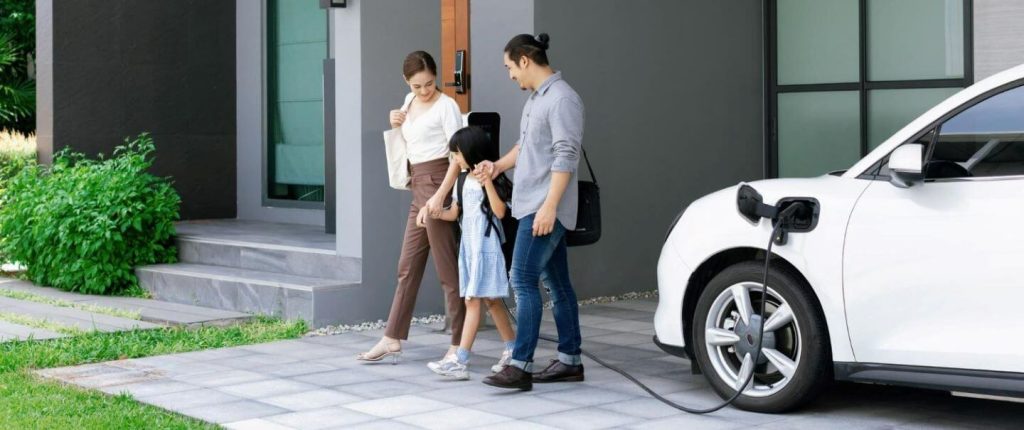
Why Home Charging Remains the Most Practical Option
For daily use, however, most families rely primarily on home charging rather than public stations. Installing a home charger allows owners to charge overnight while electricity demand is lower and schedules are more predictable.
Workplace charging is also becoming more common in business districts and newer developments, helping reduce dependence on public infrastructure.
In Cavite, Augustine Grove by Crown Asia benefits from proximity to Vista Mall Dasma, which includes an EV charger facility that supports the growing demand for electric mobility. For modern households planning ahead, nearby charging access is increasingly becoming a practical convenience rather than a luxury feature.
Understanding EV’s Range in Real Philippine Driving Conditions
The average Filipino commuter rarely travels anywhere close to the full EV’s range available in modern electric cars. Most daily routines involve school runs, office commutes, errands, and short-distance travel within urban corridors.
Still, several factors influence battery performance:
- Highway speeds consume more energy
- Aggressive acceleration reduces efficiency
- Heavier loads affect range
- Air-conditioning usage impacts battery consumption
- Cold weather can slightly affect battery performance, though less severely in the Philippines
For long distances and road trip planning, charging preparation matters more than with ICE vehicle ownership. Many EV drivers now use Better Route Planner tools and mapping apps to locate fast chargers before traveling.
Public DC fast charging infrastructure remains less widespread than gas stations, but the gap is steadily narrowing along key transport routes and urban centers.
Once drivers become familiar with charging speed, battery behavior, and travel planning, much of the initial range anxiety tends to fade.
Is an EV the Right Next Car for Your Family?
There is no universal answer for every household. Some buyers may still prefer the familiarity of traditional vehicles or the flexibility of a plug-in hybrid setup. Others may prioritize maximum battery range for frequent provincial travel. The best electric vehicle buying guide is ultimately one grounded in real lifestyle needs rather than assumptions.
Families who understand their driving habits, charging access, and long-term priorities are far more likely to determine whether an EV truly fits their future. And for a growing number of Filipino households, that answer is increasingly becoming yes.
