

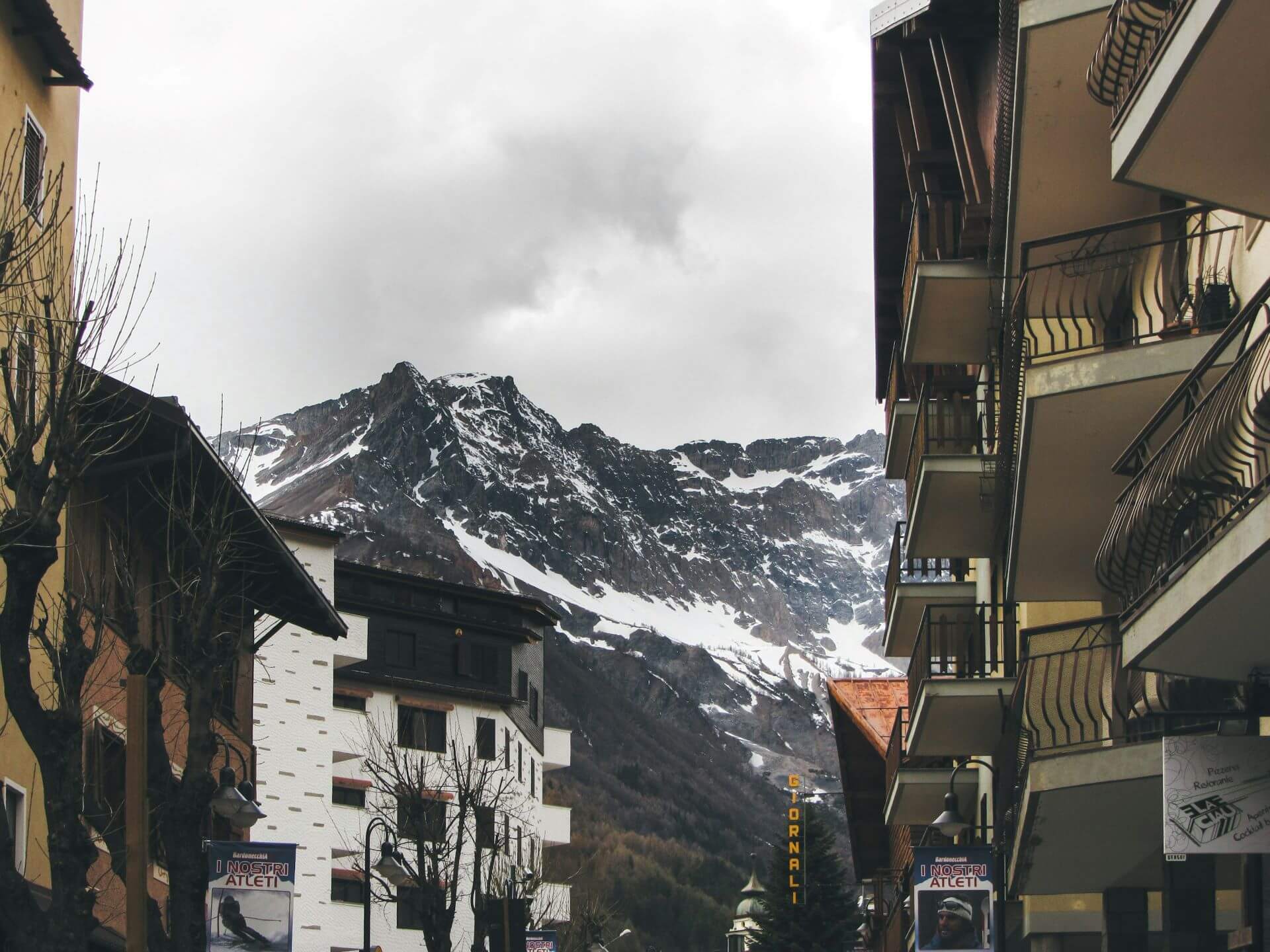
It is often said that winter reveals a quieter, more intimate side of Italy. For seasoned travelers, this is the country’s best-kept secret. As the holiday season settles in, the familiar warmth of summer and fall gives way to a quieter landscape.
Cobblestone streets feel more personal, historic landmarks are easier to appreciate, and local traditions become the central attraction. For those who value depth over spectacle, Italy in winter offers a richer experience.
From the snow-covered Alps of Northern Italy to the winter sun warming the southern regions, this is a country that transforms beautifully, even during the winter months. In fact, it might be just the best time for travelers to experience its cities, towns, and landscapes on their own terms.
Why winter is a special time for visiting Italy
Winter is when Italy’s streets and corners settle down into a more natural rhythm. As the off-season begins, fewer tourists visit the country, which means travelers can move through cities and towns more freely without the usual crowds. This is the time when you can get a chance to experience places as locals do.
Museums feel more contemplative, piazzas, like the popular piazza del duomo, seem more familiar, and daily routines more visible. Aside from the less crowded streets, the colder months also bring practical advantages, from reduced extra cost concerns to easier access and reservations in otherwise competitive, famous spots. Even in the widely visited central regions of Italy like Tuscany, Umbria, Lazzio, and Abruzzo, the winter season brings in a whole new depth.
For this reason, Italian winter feels more lived-in than other seasons. Festive lights illuminate historic streets, nativity scenes appear in churches and public squares, and the scent of roasted chestnuts, hot chocolate, and mulled wine fills the air. Menus also highlight seasonal cuisine, which makes the holiday experience memorable.
In Italy, snow year round is concentrated in the high-altitude alpine regions where glaciers can be found. This includes the Aosta Valley, Mont Blanc, and Lombardy.
If you’re seeking connection rather than consumption, winter is the best time to savor Italy.
Northern Italy’s alpine wonderland
Northern Italy defines the classic image of winter. It’s where snow, tradition, and landscape come together to serve as the stunning backdrop for your postcard-worthy vacation pictures.
Enjoy the snow-covered Alps and winter sports experiences
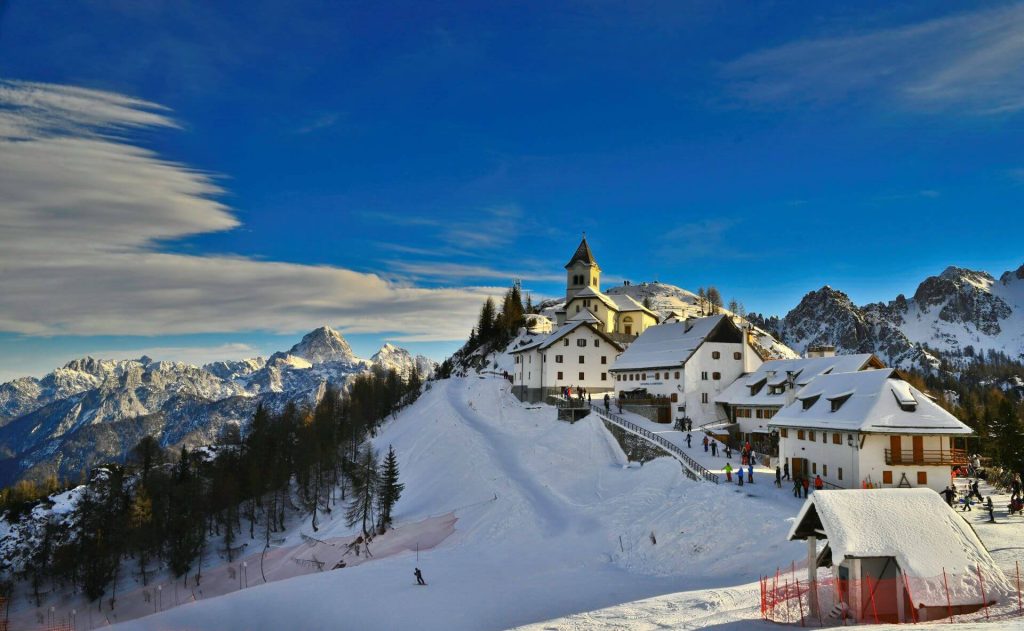
The Italian Alps offer one of Europe’s most scenic winter playgrounds. The snow-capped mountains create the best playground for world-class winter sports, including skiing, snowboarding, and snowshoeing. Alpine villages dotted with wooden chalets especially feel both picturesque and welcoming, especially under pale winter skies.
Here, winter is immersive rather than rushed. Travelers linger longer over meals, take walks in fresh snow, and enjoy the crisp mountain weather that permeates the colder months. It’s this refined balance of activity and rest that sets these winter destinations apart.
Explore South Tyrol
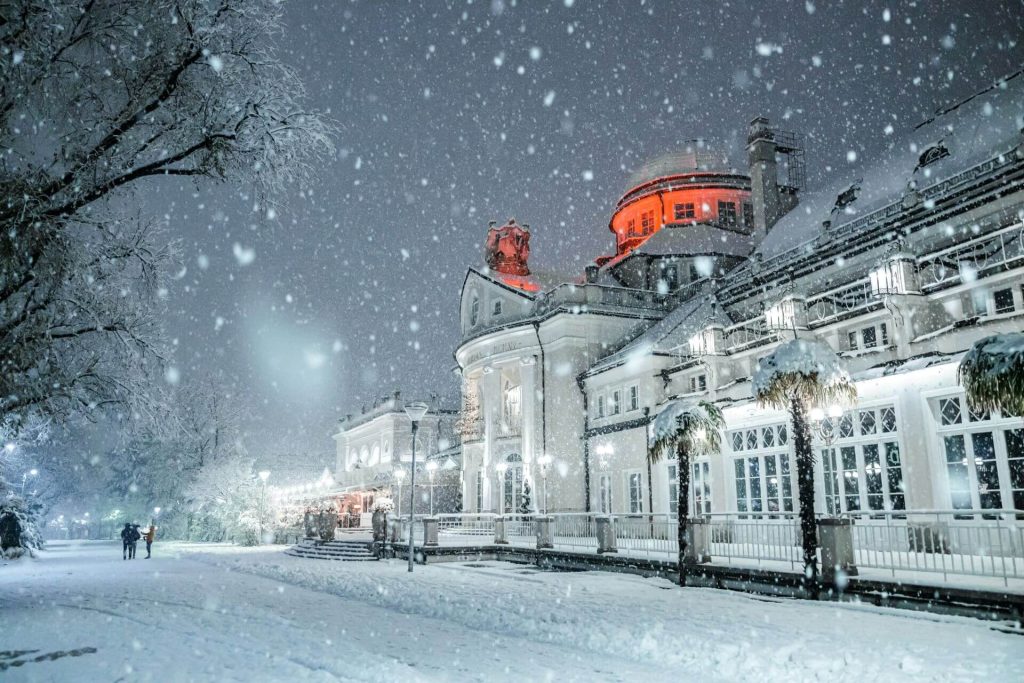
Winter in South Tyrol, in particular, is enhanced by its centuries-old traditions. While geographically in Italy, South Tyrol also carries the culture of Austria, especially in language, with the majority of people speaking German.
Here, you’ll experience charming Christmas markets and their activities like they’re woven into daily life. It’s also the perfect time to discover finely crafted pieces, subtle seasonal scents, and thoughtfully prepared local dishes. These Christmas markets often take place in historic town centers, framed by mountain silhouettes and preserved medieval architecture, like Schloss Tirol, Castel Roncolo, and Burg Taufers, to name a few.
In other words, the northern regions of Italy are no less than their summer counterparts. What it offers is a different flavor of experience that will surely get you into the festive cheer.
Italy’s iconic cities, minus the summer crowds
Winter changes how you experience Italy’s cities. This time of the year, there’s less time navigating crowds and more time to engage with the locale’s layers and history.
Rediscover Rome in winter
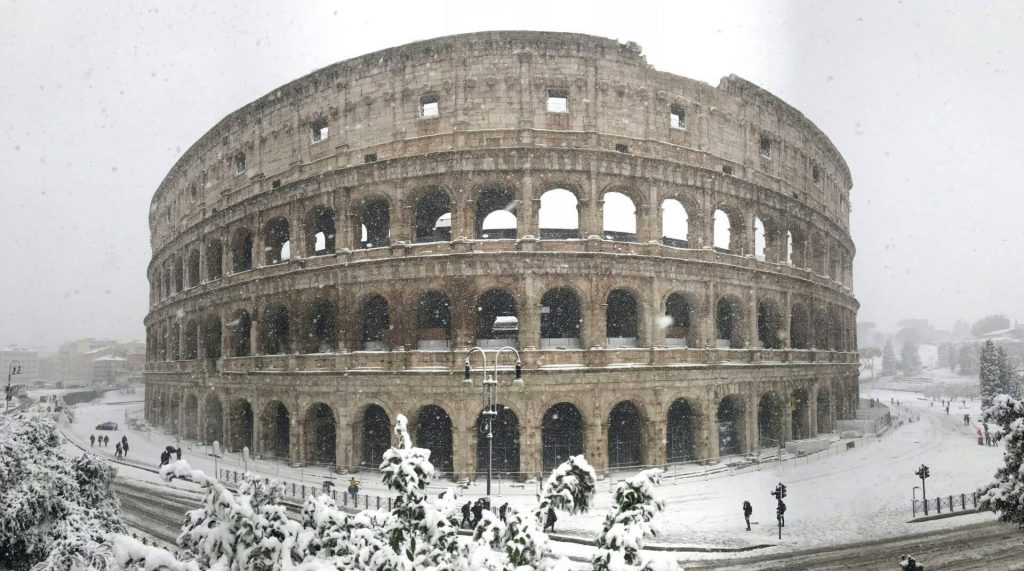
Rome—the Eternal City—has a way of holding its ground, no matter the season. In other words, winter is not enough to diminish its presence. If anything, it sharpens it. With fewer crowds, the Roman Forum and the Vatican Museums feel easier to take in because history isn’t competing for attention. Walking through the city feels instinctive, guided by familiar cobblestone streets that carry rich history, and where historic figures once walked.
Traverse romantic old towns
Beyond Italy’s well-known avenues and postcard views, winter widens your lens to discover the towns and cities that are hiding in the corners of travel guides. This is the season to follow local routines—morning walks, evening errands, familiar shortcuts—and allow experiences to unfold naturally. It’s time to get lost in an old town with narrow streets that glow under soft lights and cool air. Open yourself up for an unhurried city escape or a simple day trip.
Winter especially deepens the mood of a romantic city, which Italy has plenty of. This is where you can set out for an exploration that happens at your own pace, guided less by schedules and more by instinct.
Southern Italy’s mild weather and coastal calm
As Northern Italy embraces snow, the south offers a contrasting winter narrative—one defined by light, space, and mild weather.
See the beauty of the Amalfi Coast (yes, even in winter)
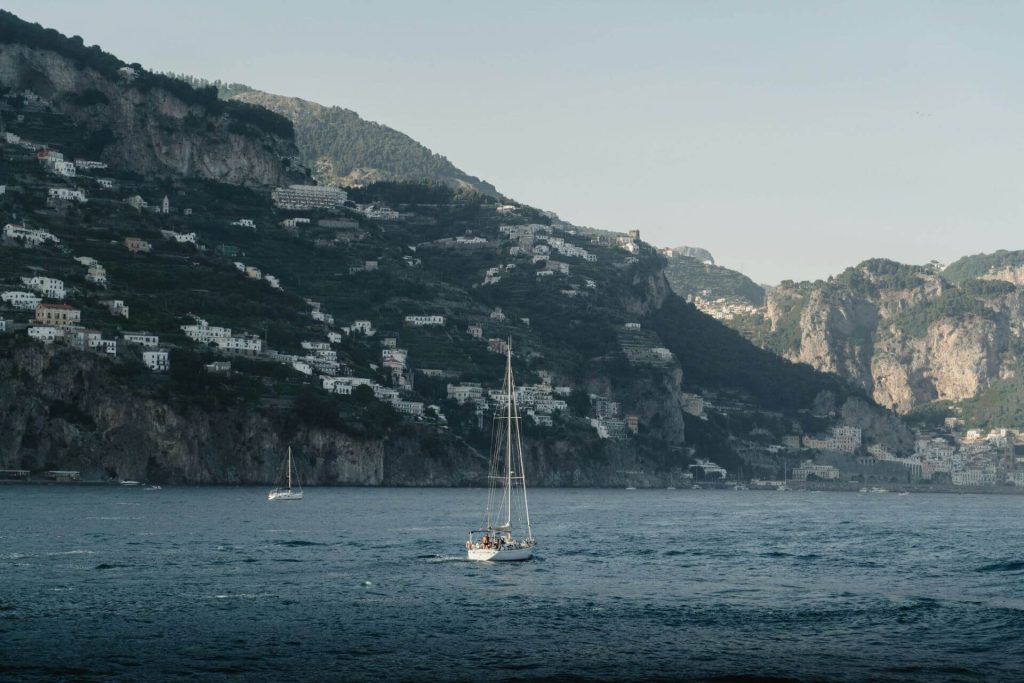
The Amalfi Coast is often imagined as a summer destination, but winter reveals a different (yet equally compelling) side of it. Without summer crowds, the coastline feels more relaxed. Roads are less congested, viewpoints invite you to linger, and each seaside town opens up beyond its seasonal façade.
While swimming takes a back seat, the experience shifts toward landscape and movement. You can still enjoy coastal walks and open sea views, and outdoor tables still welcome long lunches.
Visit the southern regions rich in culture and tradition
Beyond the coast, Italy’s southern regions shine through their traditions. Cities and towns celebrate Italian culture through music, food, and crafts, while Via San Gregorio Armeno in Naples becomes a focal point for intricate nativity scenes during Christmas. Winter is also truffle season in certain areas, so it’s worth checking out local menus and visiting markets.
Natural escapes, hot springs, and volcanic landscapes
Italy’s winter appeal extends to landscapes that feel especially striking during the colder months. Inland regions come into focus through nature-driven experiences, where hot springs and thermal waters are the best reprieve amidst the crisp winter air.
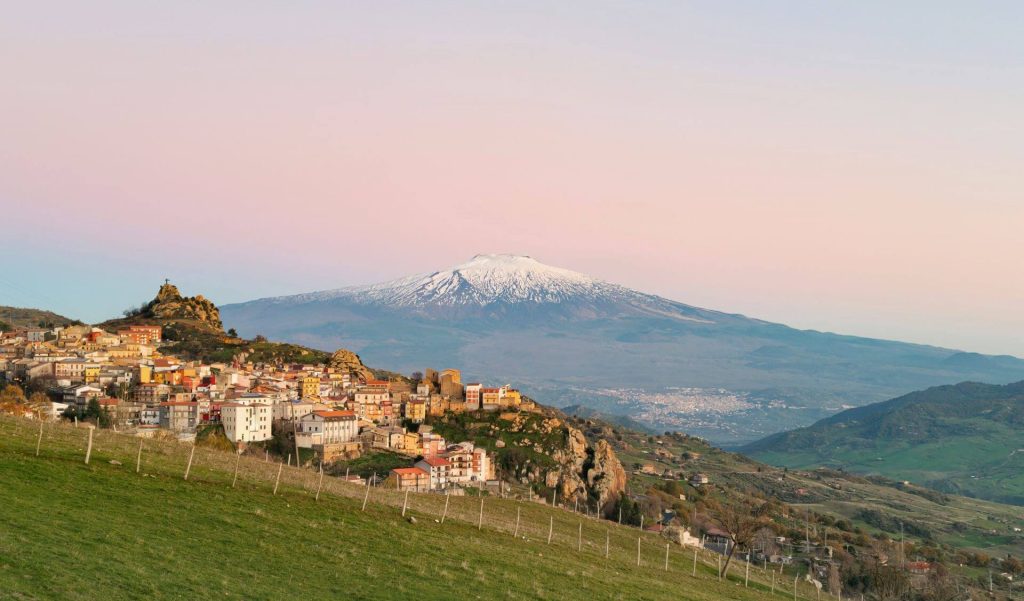
Around Mount Etna, winter brings an unexpected visual contrast of dark volcanic rock dusted with snow, set against open skies and rugged terrain. These certain destinations are your best options if you want to be closer to nature. For some, it can even be a magical experience to see this side of Italy that feels raw, restorative, and powerful.
How to plan the perfect winter trip to Italy
Planning a winter trip to Italy is less about fixed itineraries and more about intention. The winter season is the perfect opportunity to try something different. December to February brings festive traditions like Christmas and New Year’s Eve celebration, and alpine settings into focus, while the later part of winter highlights cultural depth in cities and clearer coastal days ideal for sightseeing. With reliable transport connections across regions, moving between landscapes feels effortless, even during peak winter dates.
Compared to other European countries, Italy offers a remarkable variety in a single journey, from mountain villages to ancient cities and sunlit coasts. You can experience snow-dusted mountain towns, centuries-old city centers, and sunlit coastal routes within the same trip.
