


Set along the western coast of the Philippines, Subic has developed into a destination where natural landscapes are complemented by deliberate, well-planned infrastructure. Within the Central Luzon region, it offers a mix of pristine beaches, amazing attractions, and a tourism industry benefiting from both local and international demand.
For travelers looking to balance a beach trip with organized activities, this ultimate guide to exploring Subic outlines where to stay, what to do, and how to move through one of the country’s most accessible coastal hubs.

Image from Subic Bay Yacht Club
Where to stay in Subic
Accommodation options in Subic range from modern luxury hotels to beachfront properties, each offering distinct experiences suited to refined preferences. Aurora Subic Hotel stands out for its spacious rooms, rooftop swimming pool, and proximity to the central business district, making it a practical yet polished choice.
For those drawn to waterfront settings, Lighthouse Marina Resort is ideal for its waterfront road location and spectacular sunset views, often complemented by curated yacht cruise experiences.
Meanwhile, Camayan Beach Resort appeals to travelers seeking more secluded beaches and nature-focused surroundings, offering a more intimate coastal retreat.
Additional options, such as Subic Park Hotel and Kamana Sanctuary Resort, provide flexibility across different budgets, all while maintaining convenient access to Subic’s key attractions.
Top beaches to add to your list
Subic’s coastline is defined by accessible, family-friendly beaches with gentle waves, making it ideal for both leisure and casual exploration. Baloy Beach remains one of the most popular choices, particularly for day trips, while nearby areas such as Barrio Barretto offer additional beach resort options for those in search of more relaxed settings.
A well-paced half-day itinerary often begins with a morning arrival at the main gate entrance, followed by time spent swimming or unwinding by the beach. Lunch at a nearby restaurant provides a natural midpoint, before transitioning into a late afternoon break that leads to a rewarding sunset view. Arriving early in the day is recommended to avoid peak crowds, especially during weekends and holidays.
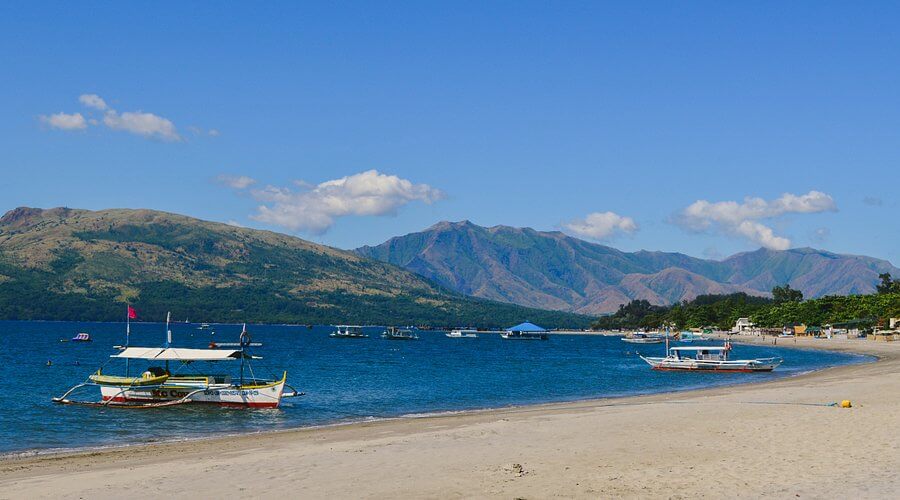
Image from Tripadvisor
Activities to try
Subic activities present a well-rounded mix of recreation and exploration, catering to a wide spectrum of interests. Water-based pursuits include diving and snorkeling for local and international divers , yacht cruise experiences, and extreme water sports, offering both leisurely and high-energy options along the coast.
On land, visitors can explore forest trail environments, adventure parks, and immersive experiences such as El Kabayo, which provide a deeper connection to the area’s natural landscape. For families, attractions like Zoobic Safari and Ocean Adventure add an educational and interactive dimension, ensuring that each itinerary can be tailored to balance relaxation with discovery.
Inflatable Island
As one of Subic’s most recognizable attractions, Inflatable Island (dubbed Asia’s largest floating playground) offers an energetic, activity-driven alternative to the traditional beach experience. To fully enjoy the visit, it is advisable to book tickets in advance, particularly during peak season when demand is highest.
Selecting morning or late afternoon time slots allows for a more comfortable experience, while the use of on-site lockers and changing rooms ensures convenience throughout the day. This floating playground remains especially popular among groups and families seeking an engaging addition to their beach itinerary.
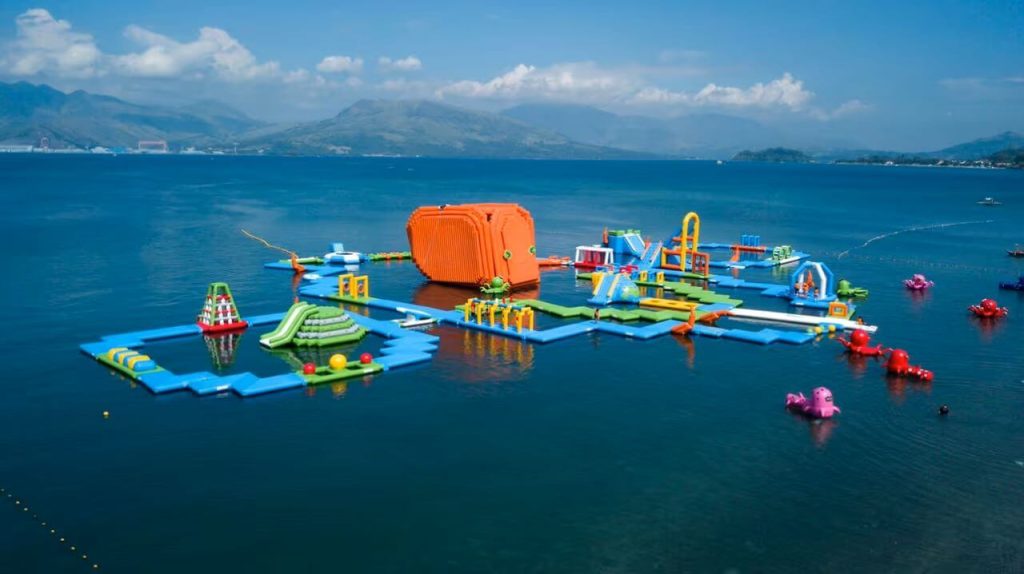
Image from Guide to the Philippines
Island hopping and water adventures
Island hopping within Subic Bay opens access to smaller coastal areas and other beaches that are otherwise unreachable by land, offering a more exclusive perspective of the region. Boat rentals are often shared among groups, making the experience both practical and enjoyable.
For those inclined toward marine exploration, several dive centers accommodate both beginners and experienced divers. Wreck diving sites, including those associated with vessels such as the USS New York, continue to attract both local and international enthusiasts, while snorkeling fee packages typically include gear rental.
El Kabayo trails and forest experiences
Beyond the coastline, the El Kabayo Subic Trail introduces a more grounded and immersive way to experience the region. Guided forest trail walks allow visitors to navigate lush surroundings with expert insight, while jungle survival tours offer a more interactive approach to understanding the environment.
Cultural visits managed alongside the local community provide meaningful context, connecting travelers to the heritage of the area. Nearby trekking sites, including Pamulaklakin, further enrich the experience by highlighting Subic’s ecological diversity and historical depth.

Image from El Kabayo Stables
Sunset spots and waterfront experiences
As the day winds down, Subic’s waterfront becomes the focal point for more relaxed pursuits. Lighthouse Marina Resort remains a favored location for sunset views, where the changing light enhances the coastal atmosphere.
For a more casual setting, Boardwalk Park offers space for leisurely walks, while Subic Bay Yacht Club presents refined marina views that pair naturally with dining experiences.
Booking and practical tips
Costs in Subic vary depending on the chosen activities and level of comfort. Typical considerations include transport alongside entrance fees for theme parks and attractions, as well as recreational wreck dive prices for certified divers. Accommodation and dining further shape the overall budget.
To ensure a seamless experience, travelers are encouraged to book accommodations early during peak season. Practicing proper waste disposal supports sustainable tourism, while reducing reliance on plastic bottled drinks contributes to preserving the area’s natural appeal.
Food, shopping, and local experiences
Subic shopping includes a mix of duty free shopping centers, outlet shops, and shopping malls within the Freeport Zone. These are complemented by dining areas near the Moonbay Marina Complex, where visitors can find both casual and upscale options. The presence of logistics and warehousing services in the area also supports a steady flow of goods, making retail experiences varied and accessible.
Safety, weather, and the best time to visit
Subic is best experienced during the dry season, when conditions are most favorable for outdoor activities. Visitors are advised to follow safety guidelines for water activities and trekking, while also monitoring weather conditions prior to travel. Respecting local regulations plays an important role in sustaining the tourism industry, ensuring that Subic remains both a safe and enduring destination for future visitors.

Getting there from Metro Manila
At the center of the experience is Subic Bay Freeport Zone, a former naval base that now serves as a major maritime gateway and commercial hub. Within it, Subic Bay anchors a range of tourist spots, from waterfront promenades, to recreational facilities.
From Metro Manila, travel typically takes around two to three hours, making it a manageable weekend destination. For international and domestic arrivals, Clark International Airport (also known as Clark Airport) serves as the nearest air access point, connected to both Subic and the nearby Clark Freeport Zone.
Traveling to Subic is straightforward, with several options depending on preference and budget. For those who prefer a relaxed, cost-efficient journey, Victory Liner bus operates routes from Metro Manila to Olongapo City, with trips typically ending at the arrival area bus station at Olongapo Bus Terminal. From there, connecting transport, such as an SUV taxi, makes it easy to reach nearby hotels.
For a more seamless and private experience, traveling by car through Subic routes via the North Luzon Expressway (NLEX) and Subic-Clark-Tarlac Expressway (SCTEX) offers the most direct access, particularly ideal for families or groups. Meanwhile, van or private hire services provide added flexibility, especially for travelers carrying equipment for their Subic activities like snorkeling or diving. Bus fare remains relatively affordable, ensuring accessibility whether for a short escape or an extended stay.

A coastal destination designed for both leisure and longevity
Subic stands out for its structured development, combining accessibility, natural landscapes, and a wide range of attractions. From beach resorts to forest trails, it offers a balanced experience that appeals to both casual visitors and long-term travelers.
As Subic continues to emerge as one of Central Luzon’s most promising coastal and economic corridors, Luzerra by Crown Asia offers a residential address that aligns with this upward trajectory. It is a place where proximity to opportunity is balanced by privacy, design, and lasting value. For discerning homeowners, it is your natural extension of success in a flourishing destination.
