

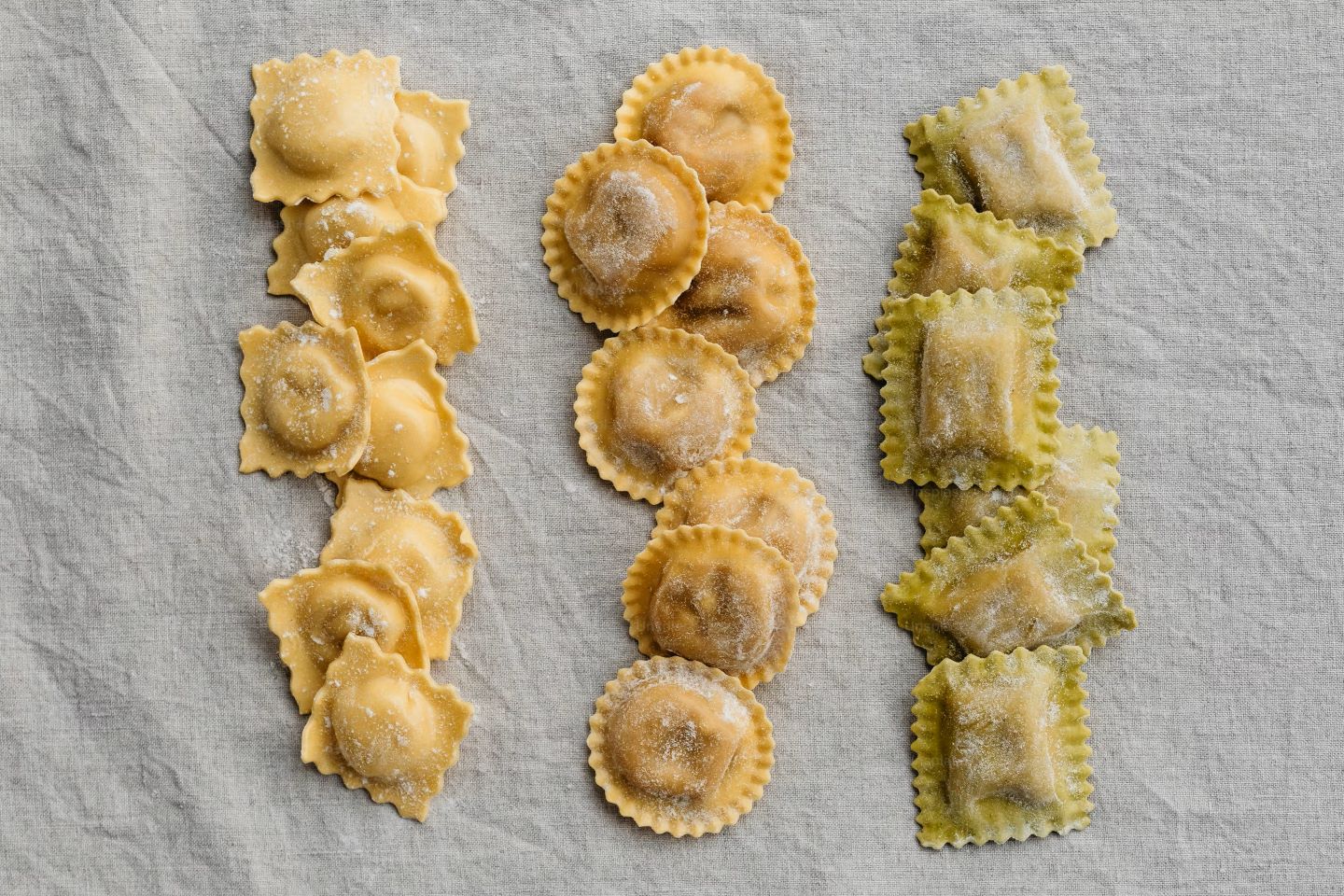
There is something deeply satisfying about preparing ravioli from scratch. In many Filipino homes, weekends are reserved for dishes that require patience, featuring recipes that invite the whole family into the kitchen. Learning to prepare ravioli recipes perfectly fits into that rhythm. It requires you to review recipe beforehand, it is hands-on, precise, and infinitely rewarding.
Whether crafted entirely from scratch or assembled with practical shortcuts, ravioli carries a sense of occasion. From kneading supple pasta dough to spooning in a creamy ravioli filling, each step transforms simple ingredients into a comforting ravioli dish.
Below is a practical guide designed for the modern home cook to replicate these absolutely delicious results at your own pace.
Exploring ravioli recipes: What makes a ravioli good?
Before diving into shaping and sauces, it helps to understand what makes ravioli distinct from other forms of pasta. Ravioli belongs to the family of filled pasta, composed of thin pasta sheets sealed around a flavorful filling; the most popular ones have cheese filling.
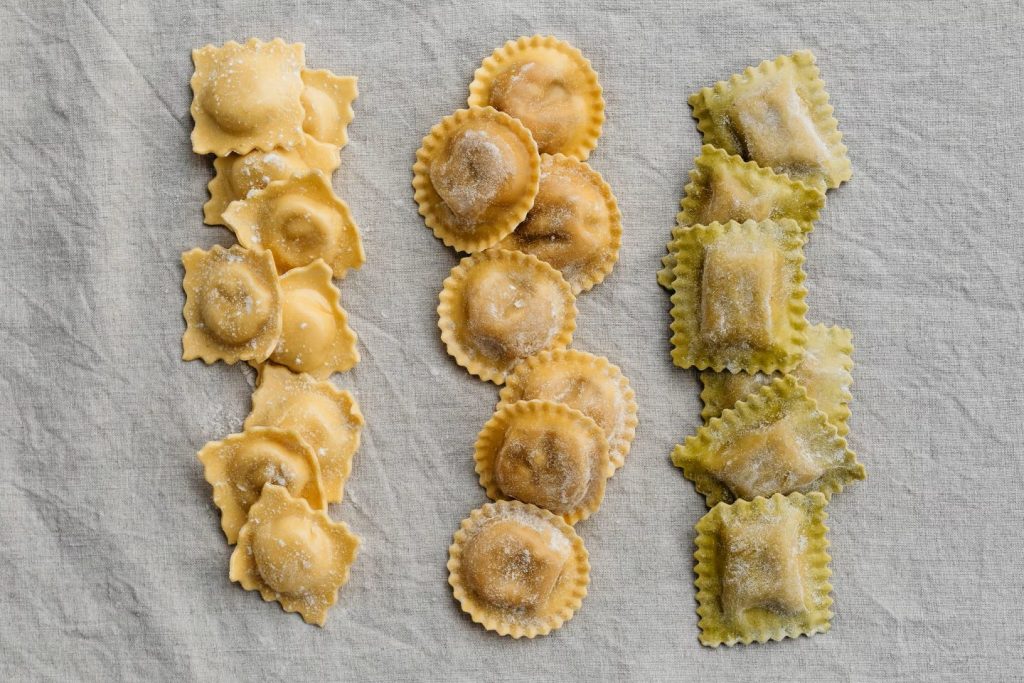
Mastering ravioli is really about three essential elements that work together. First, there’s the ravioli dough itself. It should be well-balanced, pliable, and smooth, forming the perfect foundation for whatever you choose to fill it with. The texture is very different than store bought ravioli which is usually frozen solid.
Next comes the filling, whether it’s a creamy cheese mixture or a savory combination of ingredients. This bit should be cohesive so that each bite feels harmonious. And finally, technique matters. It depends on how you seal and cook the ravioli, which can make all the difference between a successful dish and one that falls apart.
For beginners, it helps to follow clear, step-by-step instructions. But once you gain confidence, you can start to adapt the homemade ravioli recipe to your own methods, experimenting with flavors and techniques while still respecting the structure that makes these little pockets of goodness so satisfying.
Craft your own pasta dough
Making homemade ravioli begins with the dough. While many rely on convenience products today, preparing your own ravioli pasta gives you control over texture and flavor.
Choose the right flour blend
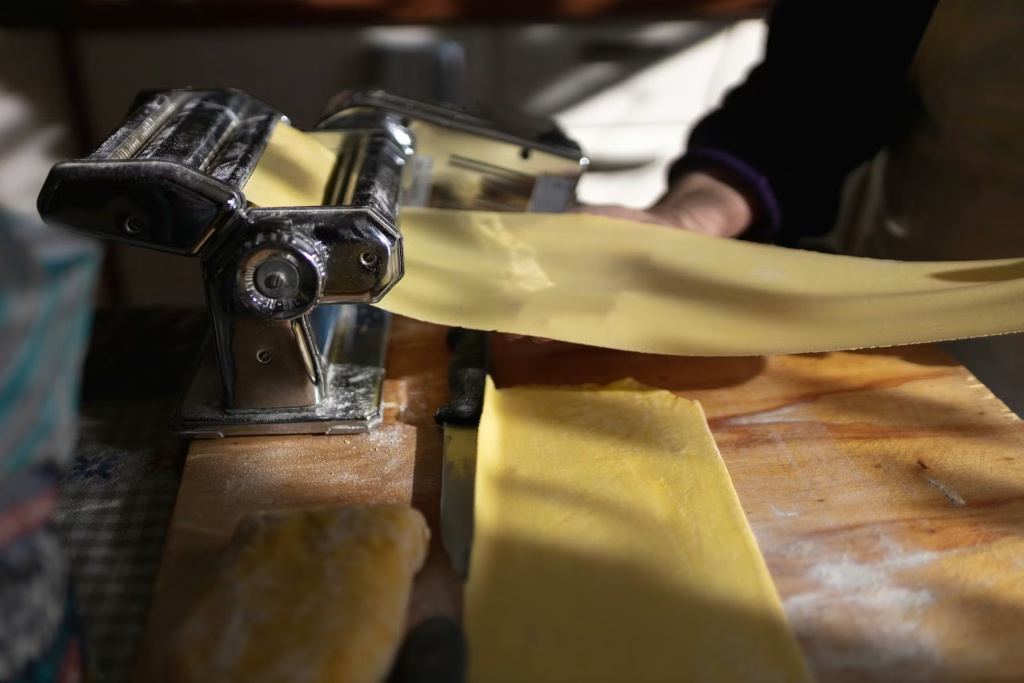
Picking up the right flour blend is a key step in creating a balanced ravioli dough. Many recipes combine bread flour, which gives the dough structure, with semolina flour, which adds a pleasant bite. Together, they create pasta sheets that are sturdy enough to hold the filling but tender enough to feel light in the mouth.
Some cooks stick to all-purpose flour for simplicity, but blending flours gives the dough a more authentic texture and makes the finished ravioli feel closer to the traditional version you might find in an Italian kitchen.
Mix and knead the dough
On a clean surface, mound your flour and create a well for eggs. Incorporate slowly until a shaggy mass forms. If using a stand mixer, attach the dough hook and knead until smooth.
Kneading requires patience, and it often takes several minutes of steady pressure. This is not a step to rush, since gluten development ensures the dough stretches thin without breaking.
Once smooth, wrap the dough tightly in plastic wrap and allow it to rest. Resting relaxes the gluten, making rolling easier later.
Roll and shape the ravioli
Rolling dough evenly is where many cooks hesitate. The goal is thin but not fragile layers.
Using tools for consistency
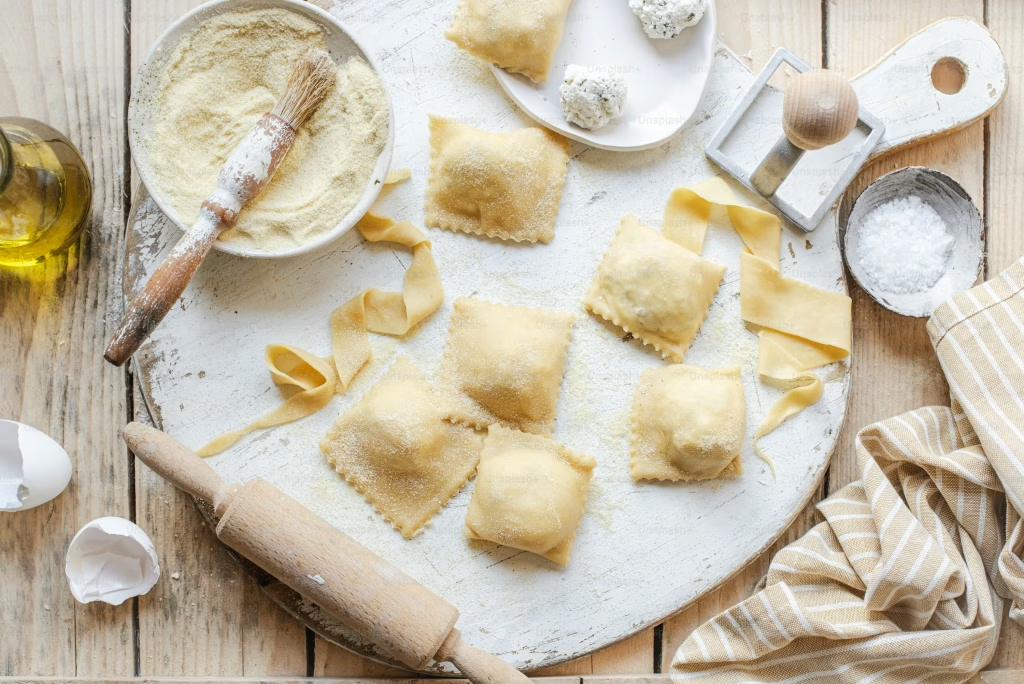
You may roll the dough by hand with a rolling pin, though a pasta machine or pasta maker ensures consistent thickness. If using a mixer with a pasta attachment, feed the dough gradually through each setting until thin sheets form. Place one sheet on a lightly floured surface. This becomes your top sheet later.
Filling and sealing properly
Spoon small portions of ravioli filling onto the base sheet, spacing evenly. Leave room between portions so you can properly fill ravioli and seal the edges.
Brush water around each mound before laying the second sheet on top. Press firmly to remove air pockets, since trapped air can cause ravioli to burst during cooking.
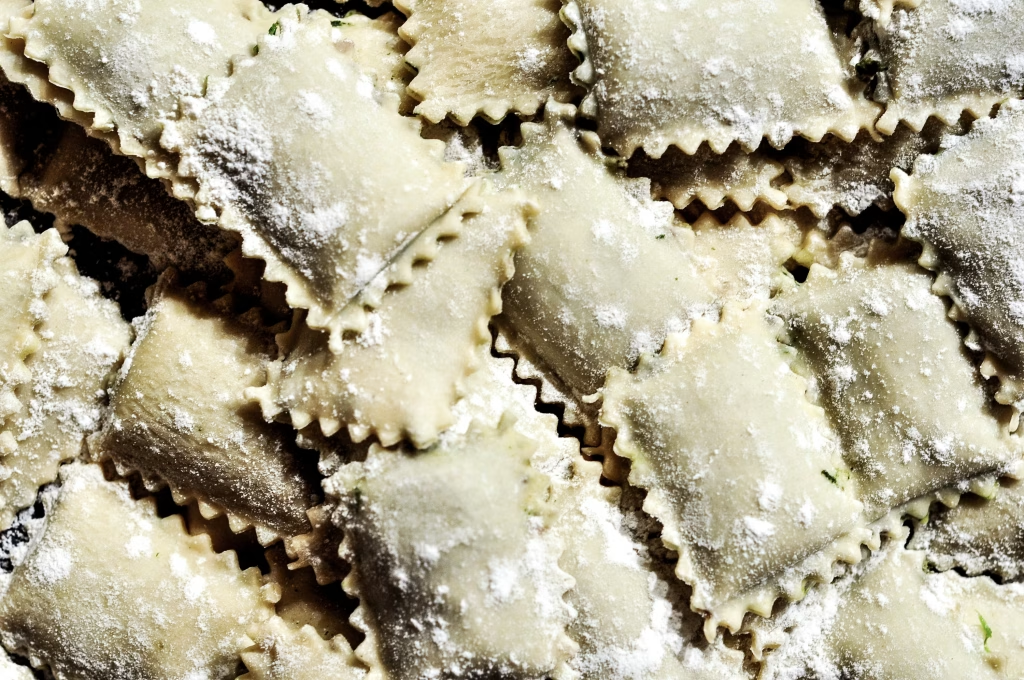
Cut into squares or circles, depending on preference. At this stage, you now have fresh ravioli ready to cook.
Choose your filling
Among all variations, cheese ravioli remains a favorite because of its simplicity and universal appeal.
A balanced ravioli pasta recipe filling often includes:
- Ricotta
- Mozzarella cheese
- Cream cheese
- Freshly grated Parmesan cheese
- Finely chopped fresh spinach or thawed frozen spinach
- Minced garlic
- A pinch of Italian seasoning
- Chopped fresh parsley
The result is rich but balanced. Avoid excess moisture by draining the spinach thoroughly to prevent soggy pasta. For extra aroma, stir in chopped fresh herbs just before assembling.
This combination has stood the test of substantial time in kitchens worldwide because it balances saltiness, creaminess, and herbal brightness.
Cook ravioli the right way
Once shaped, the next step is to properly cook ravioli. This stage determines texture.
Boiling method
Bring a large pot of generously salted boiling water to a steady simmer. Carefully drop in the ravioli and stir gently to prevent sticking. Fresh ravioli typically cooks within minutes. They float when ready. If using frozen ravioli, add them directly from frozen without thawing. Use a slotted spoon to transfer them to the sauce immediately.
Finishing in sauce
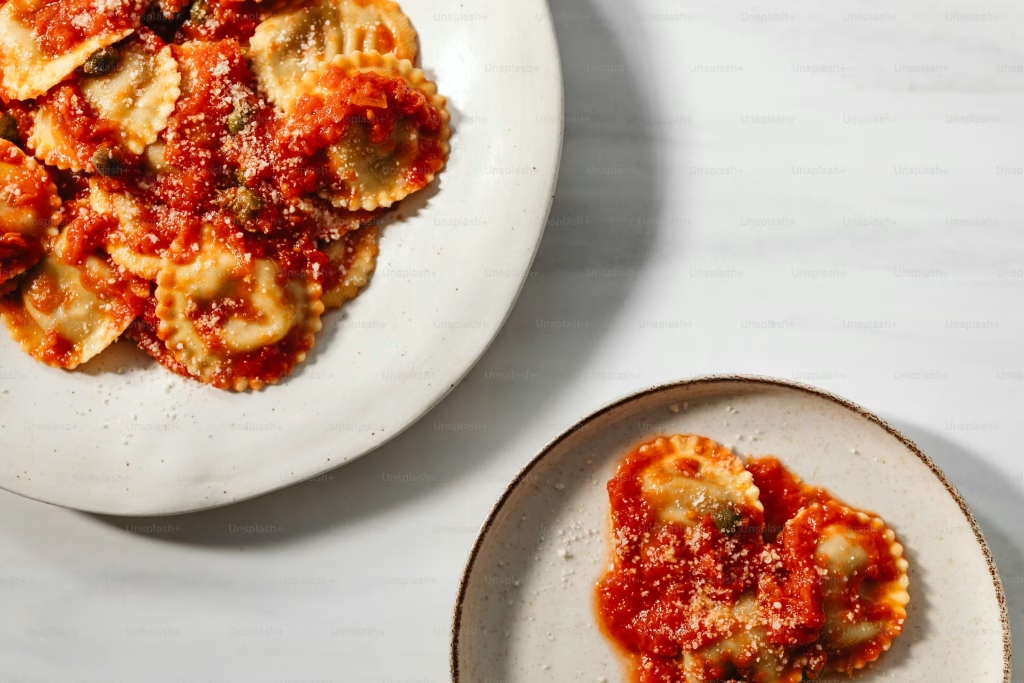
In a large skillet, heat olive oil over medium heat. Add minced garlic and sauté briefly. Stir in the marinara sauce and allow it to simmer. For a richer option, add a splash of heavy cream to create a pink sauce. Toss ravioli gently in the sauce to coat evenly. Finish with chopped fresh basil, a drizzle of olive oil, and more parmesan cheese. The result is a great recipe suitable for gatherings or Sunday meals with the whole family.
For a heartier alternative, bake your ravioli
Ravioli can also be baked for a heartier presentation. Layer cooked ravioli in a baking dish, alternating with sauce and shredded mozzarella cheese. Bake until bubbly and lightly golden. This method works especially well with store-bought ravioli or leftover fresh ravioli, transforming them into an easy ravioli casserole-style meal.
Storing and preparing ahead
If you’re making ravioli in advance, start by arranging the uncooked pieces in a single layer until they’re firm. Once set, transfer them to an airtight container for freezing. A light dusting of flour before storing helps prevent sticking, since moisture is always the main challenge.
For safety and hygiene, it’s important to keep your work surfaces clean, avoid cross-contamination, and store ingredients properly.
When testing a recipe, take notes as you go. Reviewing each step carefully allows you to make small adjustments over time, helping you refine both flavor and texture until your ravioli feels just right.
How to be flexible while maintaining tradition
Though traditional tools like a hand-cranked roller remain popular, modern kitchens allow convenience. Some cooks prefer using digital scales, others stick to visual cues. What matters most is understanding the similar manual process behind each variation: knead, roll, fill, seal, and cook. Once comfortable, you can confidently begin making your own pasta variations tailored to personal taste.
Ravioli preparation teaches patience. It encourages mindfulness. And it brings people together around the kitchen table.
Bring tradition to your table
Mastering the art of making ravioli does not require professional training, only patience and attention to detail. From preparing supple dough with bread flour and semolina flour, to blending creamy ricotta with herbs, each stage builds skill.
Whether boiling gently in a large pot, simmering in sauce over medium heat, or baking until golden, the goal remains the same: to serve a thoughtful, comforting ravioli dish that nourishes both appetite and connection. With practice, even a first attempt can turn into a dependable favorite.
