

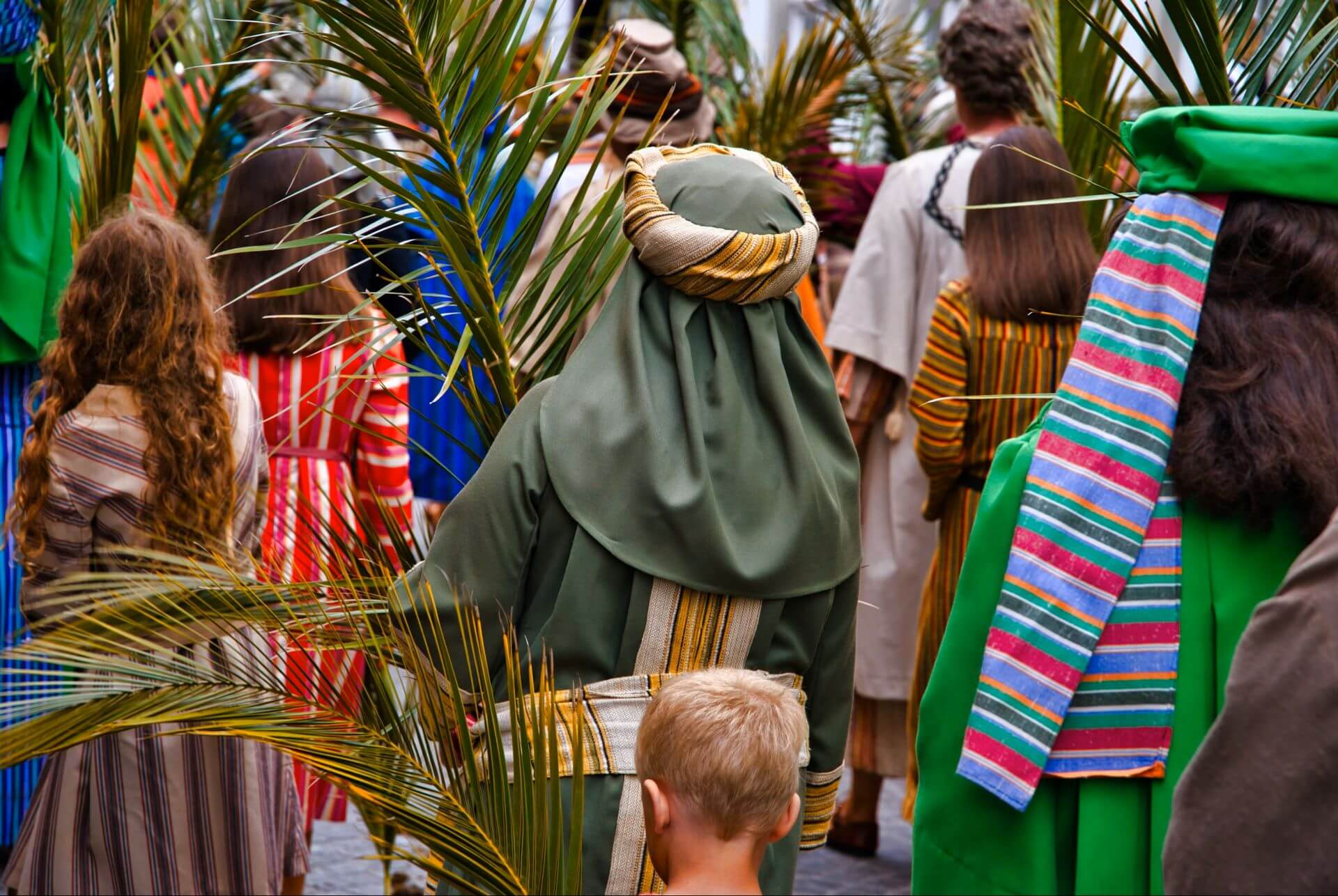
In towns where stone streets narrow toward a centuries-old cathedral and olive branches rest against wooden doors, spring arrives with a different kind of anticipation. Across Italy, communities prepare not only for a holiday, but for a week of remembrance and devotion called La Settimana Santa.
La Settimana Santa in Italy is a sacred time that draws families back to their hometowns, fills all the churches with prayer, and carries centuries of tradition into the present. From Palm Sunday to Easter Monday, the days are often solemn and communal.
How La settimana Santa is observed in Italy
La Settimana Santa begins with La Domenica delle Palme and continues through Easter Sunday, concluding for many with Easter Monday, which is often called Little Easter. While Holy Week is observed around the world, Settimana Santa in Italy carries distinct regional customs, especially in Southern Italy and in many villages where religious brotherhoods still play a prominent role.
Throughout the week, special masses, eucharistic adoration, and solemn procession rites bring the story of Christ closer to daily life. Church bells mark the passing hours until they fall silent near Venerdì Santo, around which time you can feel the atmosphere of mourning before the celebration of the risen Christ on Easter morning.
La Domenica delle Palme
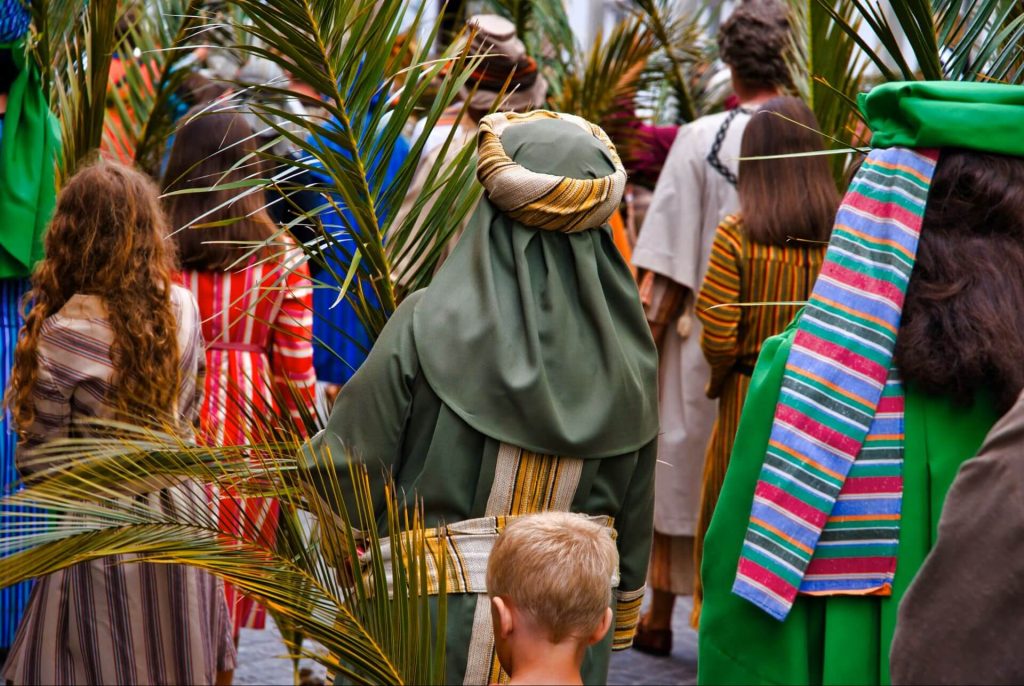
Palm sunday, or La Domenica delle Palme, opens Holy Week with olive branches and palm trees carried into the church for blessing. In many towns, the morning mass includes a modest procession recalling the holy savior Jesus Christ entering Jerusalem. Children hold woven olive branches while families gather outside the cathedral before entering together.
The gesture is simple but meaningful. Olive trees, common in the Italian landscape, become a living reminder of peace and devotion. After mass, blessed olive branches are brought home and placed near family icons or doorways.
Holy Monday to Holy Wednesday
Holy Monday, Holy Tuesday, and Holy Wednesday are quieter days in La Settimana. Churches host evening prayer services and eucharistic adoration, inviting reflection before the more eventful days that follow. In some regions, small procession groups move through narrow streets in the late afternoon, carrying statues of the Virgin Mary or ecce homo.
These early processions are intimate. Young men from local brotherhood groups, sometimes dressed in ancient costumes, prepare for the larger Good Friday procession.
Holy Thursday to Holy Saturday
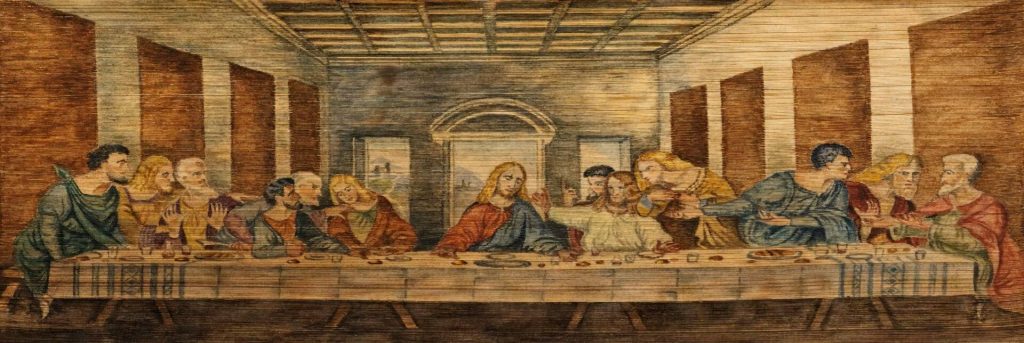
As Holy Thursday approaches, the focus turns to the last supper and the institution of the Holy Mass. Many towns hold an evening mass commemorating the washing of the feet, echoing the humility of Jesus. Afterward, the altar is stripped bare, and eucharistic adoration continues late into the evening.
On Holy Thursday, churches fill for the evening mass recalling the last supper. In some cathedrals, twelve parishioners are chosen to participate in the foot-washing ritual. After mass, families may visit several churches in one evening, a custom observed in many cities. This quiet pilgrimage links neighborhoods and parishes in shared devotion.
Venerdì Santo
Venerdì Santo, or Good Friday, is marked by mourning. Church bells fall silent. Instead, funeral marches echo through the streets as a solemn procession moves slowly through town. The Good Friday procession often features two statues: one of the dead Christ and another of the Lady of Sorrows, representing the Virgin Mary in grief.
In parts of Southern Italy, four confraternities organize the entire procession. Members of each brotherhood, sometimes wearing a black veil or ancient costumes, take turns as the statues are carried through the streets. The cathedral passing becomes a focal moment, where prayers grow and candles flicker in the evening air.
The dead Christ, laid carefully on a wooden bier, is accompanied by hymns and funeral marches. The Lady of Sorrows, also symbolizing the seven sorrows of Mary, follows closely. The march is slow, deliberate, and reverent. Spectators do not treat it as a parade but as a shared act of remembrance of Jesus and his cross.
Holy Saturday
Holy saturday, known as Sabato Santo, is a day of waiting. Churches remain subdued until nightfall. Then, during the Easter Vigil Mass, a new fire is lit outside the church. From it, the Easter candle is illuminated and carried into the darkened cathedral.
One by one, the congregation lights their candles from the Easter candle to herald the return of hope. Scripture readings recount salvation history, leading to the proclamation of the risen Christ. By the end of the mass, the atmosphere shifts from mourning to anticipation.
Easter morning
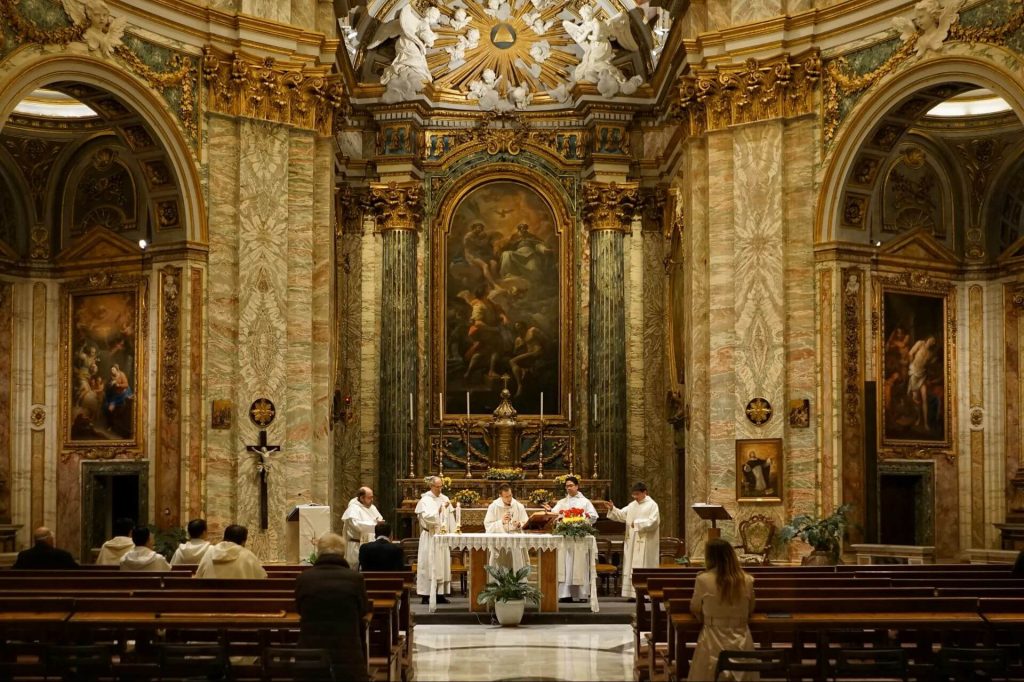
Easter sunday dawns with renewed energy. Church bells ring again, and easter morning mass draws families dressed in their best. The resurrection of Christ is celebrated with hymns and prayers that contrast sharply with the solemn tones of Holy Friday.
In some towns, a symbolic meeting between statues of Jesus and the Virgin Mary takes place in the main square. The black veil covering mary is lifted, revealing bright garments beneath—a gesture marking the end of mourning. Applause breaks out, and the community shares in a collective sense of relief and joy.
After mass, families gather for long meals. Lamb, bread, and regional pastries fill the table. The greeting “buona pasqua” is exchanged warmly. The celebration extends into Easter week, with Easter monday treated as a holiday. Many families spend this day outdoors, enjoying spring air in the countryside.
Regional traditions in Italy
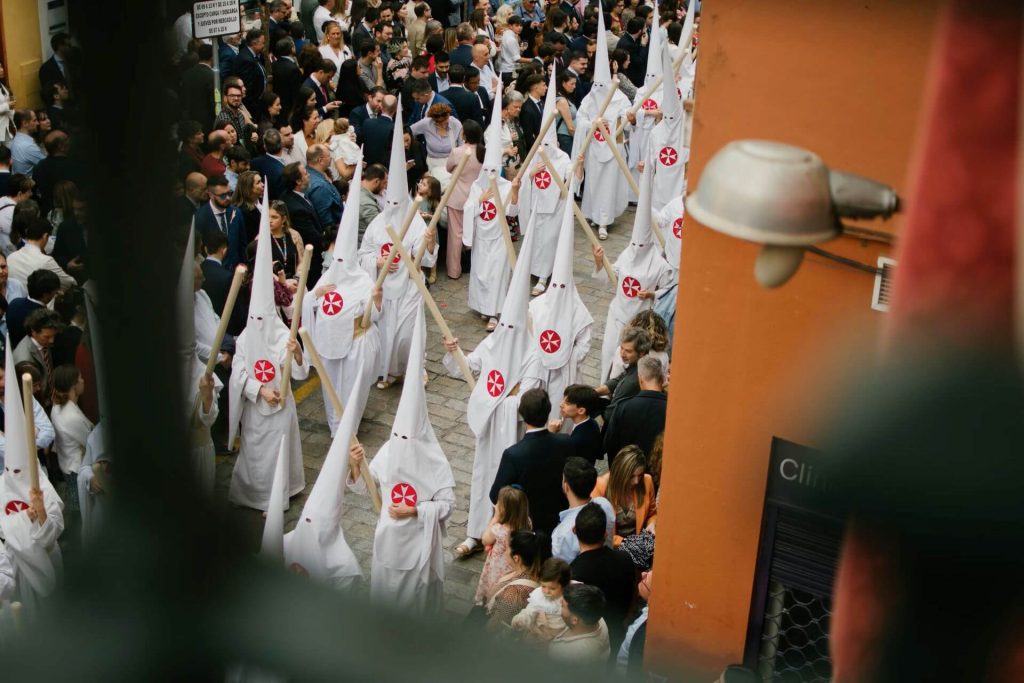
While the core story of holy week remains the same, each region in Italy adds its own nuance. In Southern Italy, the Good Friday procession can last several hours, winding through the entire town. In many villages, participation is a rite of passage for young men, who train to carry heavy statues during the march.
The church stands at the center of these traditions, but the community sustains them. Local brotherhoods take a prominent role in organizing special masses, preparing ancient costumes, and coordinating the solemn procession routes. The pope in Vatican City leads global observances, yet small-town rituals carry equal emotional weight for residents.
Across La Settimana Santa in Italy, faith is not confined to the church interior. It moves through streets, pauses before homes, and gathers under cathedral arches. The entire procession, whether modest or grand, binds generations together in shared memory.
More than a series of events, Settimana Santa in Italy is a lived tradition. Through solemn procession rites, special masses, and the careful carrying of sacred statues, communities across the country continue to honor a week that remains central to their faith and identity
