

Photo by Jakub Żerdzicki
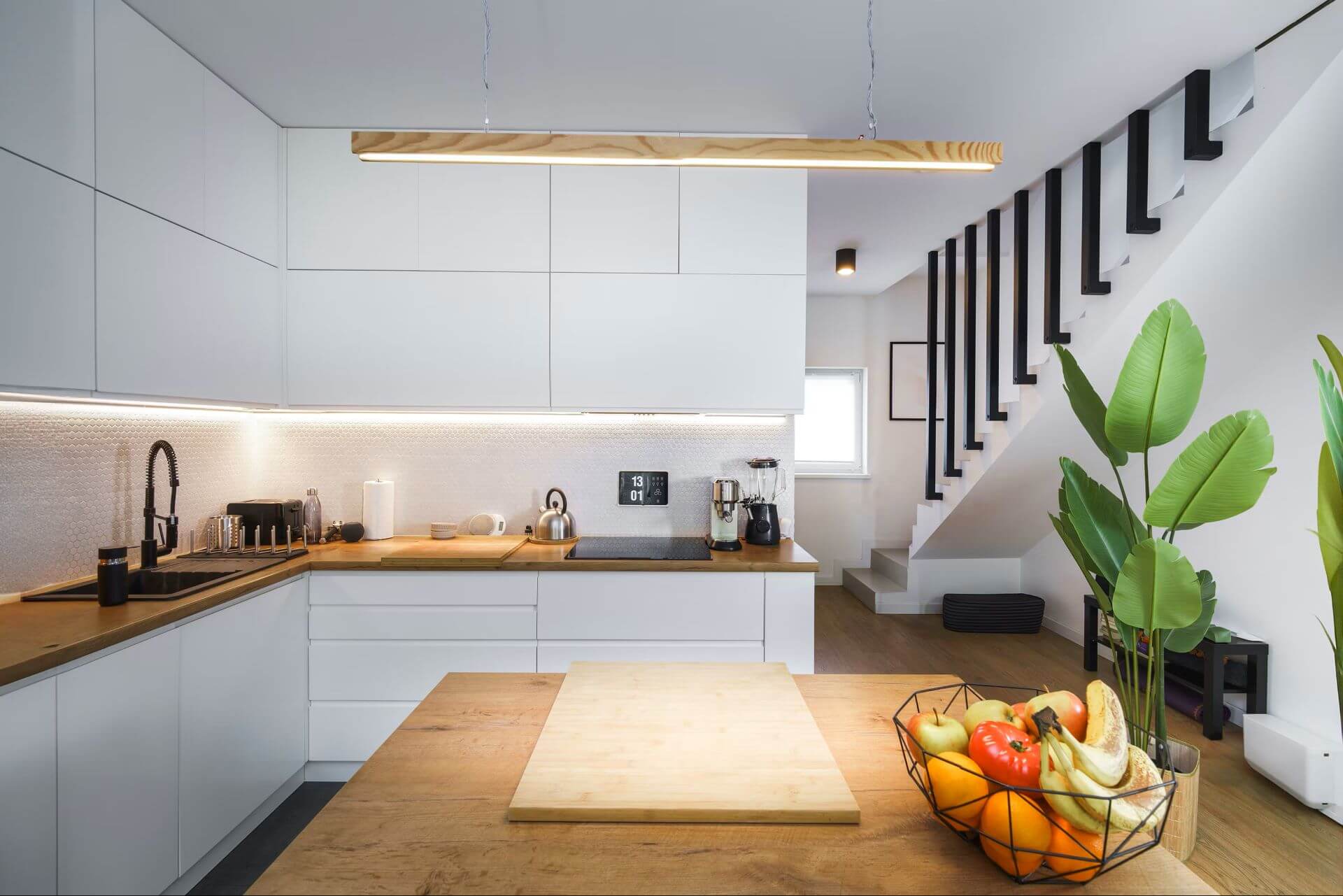
The idea of a smart home once came with a certain visual language. Screens mounted on walls, glowing indicators, bulky speakers on shelves, and visible switches proudly announced the presence of smart technology. Today, that language is changing. By 2026, the most advanced homes are defined not by what is on display, but by what has been intentionally placed out of sight.
Invisible smart home technology has become a marker of refinement that integrates advanced technology to support daily life without competing with architecture, interiors, or personal style. For modern homeowners, the appeal of a smart home lies in how naturally it fits into the living space.
Rather than drawing attention to devices, invisible technology allows the home itself to become the interface that’s responsive, adaptive, and cohesive.
Invisible vs. visible technology
Invisible technology is a fundamental shift in how we experience a smart home. Instead of placing gadgets at the center stage, design now leads, and technology follows.
Previously, visible smart home technology was designed to be seen and interacted with, such as wall-mounted control panels, smart displays, or voice assistants placed prominently in living spaces.
Invisible smart home technology, by contrast, is built into the home itself. Think lighting that adjusts automatically, climate systems that respond to daily patterns, or security features that operate without input. One benefits from the unparalleled convenience of invisible smart technology while it enhances aesthetics of your home. The difference, ultimately, lies in experience. One announces its presence, while the other supports daily life without asking for constant attention.
When smart technology avoids visual dominance
Early smart home devices often relied on visibility to signal capability. Flashy gadgets (and sometimes clunky gadgets) and screens were meant to reassure homeowners that the wi fi is working and the systems were active.
In contrast, invisible tech prioritizes restraint. Sensors, controls, and smart devices are embedded into walls or ceilings, placed discreetly in rooms, or integrated into existing fixtures. The result is a seamless blend where technology operates in the background rather than drawing attention.
This approach allows a modern home to maintain visual clarity. Furniture, finishes, and natural light define the space, while invisible technology supports function without altering the character of the house. For homeowners who value thoughtful design, this balance has become the baseline expectation.
A new way of adopting smart home technology
Instead of adding a new device for every need, modern homeowners are prioritizing simplicity and long-term integration. Smart home technology is no longer treated as an accessory, but as part of the home’s inner workings and daily routines.
The ultimate goal is not to showcase innovation, but to allow it to serve lifestyle needs consistently. When systems work together, technology fades from view, and what remains is a living environment that feels intuitive.
From individual devices to a cohesive system
A good invisible smart home system does not depend on a single product, but on how everything works together.
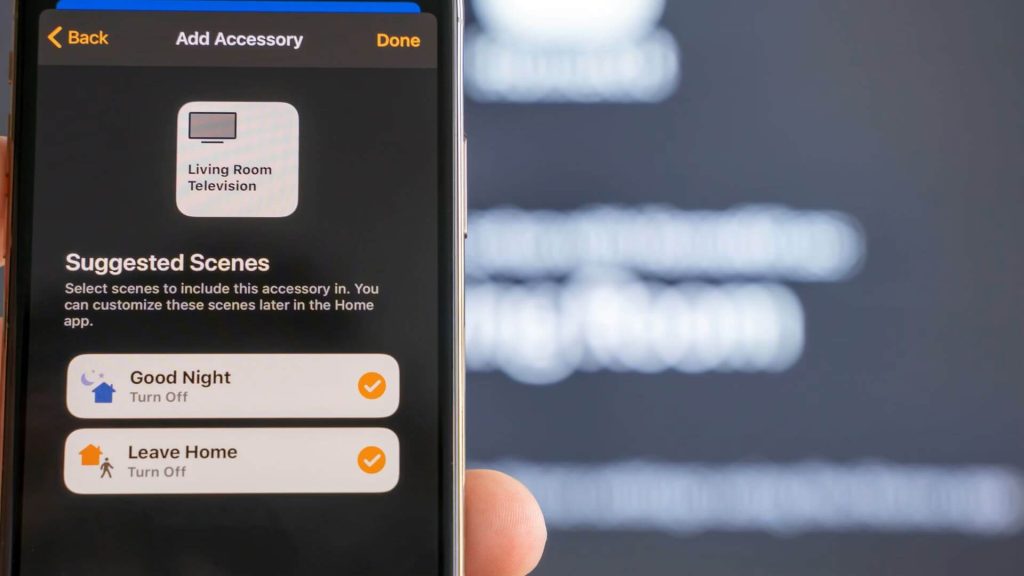
Photo by Patrick Campanale
How smart home systems work seamlessly
A connected home’s secret is good integration. Smart home systems link lighting, security systems, entertainment systems, and climate controls into a cohesive system that responds as one. Instead of managing separate smart home gadgets, homeowners interact with a unified network designed for consistency.
Home automation is what makes this structure work. By connecting smart technology across the house, systems can respond to time of day, occupancy, or established routines. This means things still work as intended without constant manual input.
Centralized control without visual clutter
Centralized control removes the need for multiple visible interfaces. A smart home hub, for example Google Home or Apple HomeKit, allows homeowners to manage smart devices through voice commands on a single platform. Major platforms, including Google Assistant and Amazon Alexa, for instance, provide control without adding physical clutter to the living space.
This approach reduces reliance on visible switches, screens, and remotes. Control becomes accessible without altering walls, shelves, or home decor.
Invisible comfort through lighting, sound, and environment
Comfort in advanced homes is created through systems that respond consistently and discreetly.
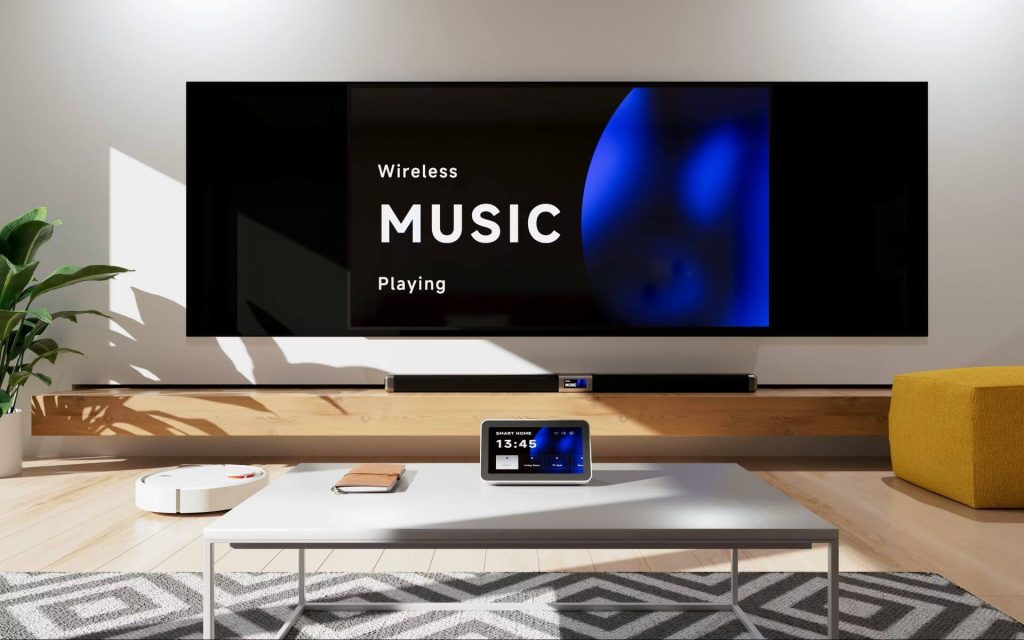
Photo by Li Zhang
Smart lighting designed into the structure
Smart lighting is no longer just smart bulbs that feel out of place or add-on fixtures that draw attention. Your smart lighting system can now be designed directly into walls or ceilings, reducing the need for multiple light switches. Lighting adjusts automatically across rooms, responding to time, occupancy, or specific routines.
By integrating lighting into the structure of the house, it enhances the living space without introducing visual noise. The focus remains on architecture and materials, while technology manages illumination in a way that feels natural to daily life.
Entertainment systems without bulky components
Entertainment systems are another area where invisible tech has transformed expectations. Instead of bulky speakers or visible equipment, advanced systems deliver high-quality sound through components concealed within walls or ceilings. This enables high-quality sound without sacrificing floor space or visual balance.
Health and security built into everyday living
Invisible smart home technology also addresses wellness and safety in ways that feel more integrated than ever.
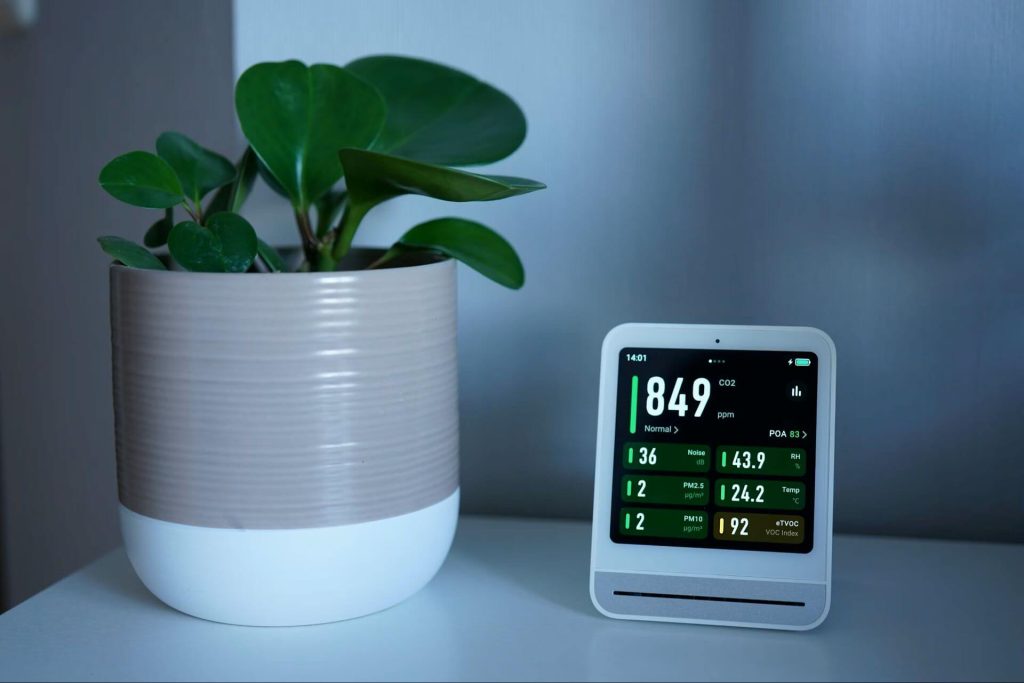
Monitor indoor air quality through invisible sensors
Indoor air quality has become a growing priority in home technology. Air quality monitors and invisible sensors can now track air quality without the device being visible in the room. These systems provide real-time data and can adjust ventilation or filtration automatically.
Security systems designed for visual restraint
Home security no longer relies on prominent cameras or panels. Modern security systems are built into the home’s structure, using discreet sensors and smart devices to monitor activity. This approach supports security without making the presence of technology visually dominant.
Energy efficiency integrated into daily routines
Energy efficiency is another area where invisible technology delivers lasting value.
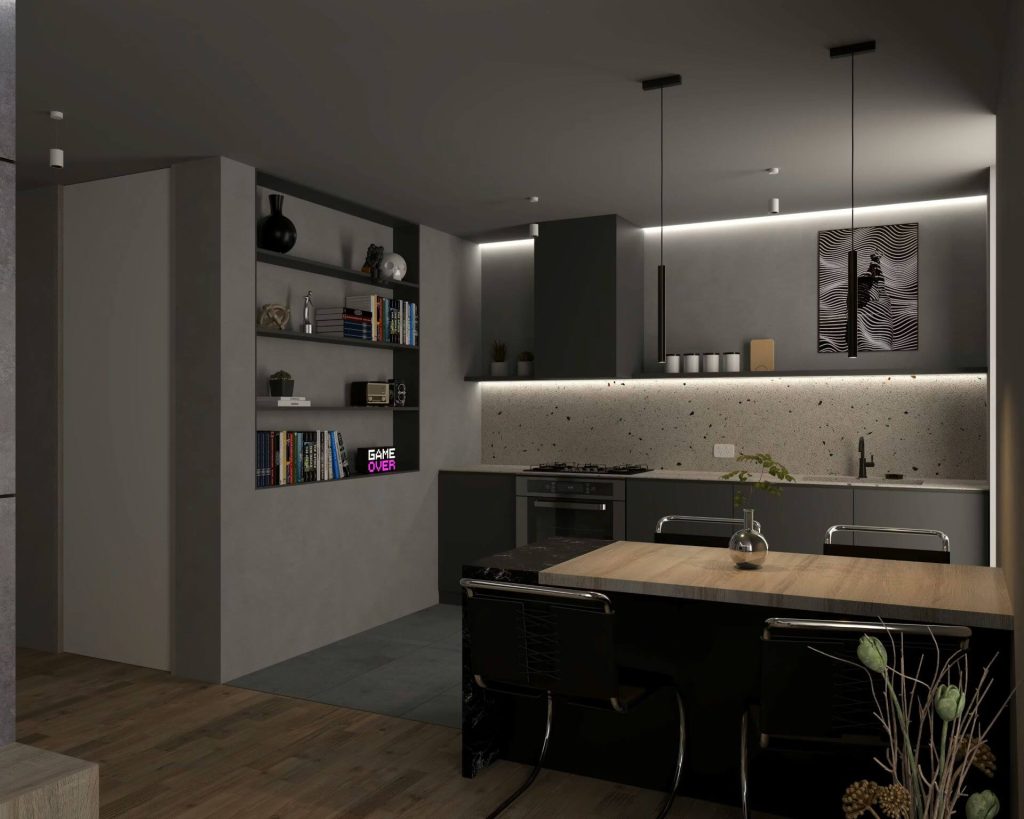
Photo by taufiq triadi
Manage energy use through smart automation
Smart thermostats help regulate energy use throughout the house. These systems learn patterns in daily routines and adjust temperature, lighting, and energy consumption accordingly. By optimizing energy use, homeowners can manage energy costs more effectively without constant oversight. This way, energy efficiency becomes a natural outcome of smart home systems rather than a manual effort.
Homes that adapt without constant input
Simple automation allows the home to respond automatically, which means you don’t need to make frequent adjustments. This approach helps create a home smarter in operation while minimizing waste. Over time, these systems contribute to sustainability goals while supporting comfort and consistency.
Living well in a visually tech-free home
The most advanced homes of 2026 are those with invisible smart home technology that integrates into your structure, systems, and routines. Through cohesive systems, centralized control, and embedded design, technology supports comfort, security, energy efficiency, and lifestyle needs without altering the visual integrity of your living space.
As expectations continue to rise, invisible innovation sets a new standard for what it means to live well in a connected home.
