

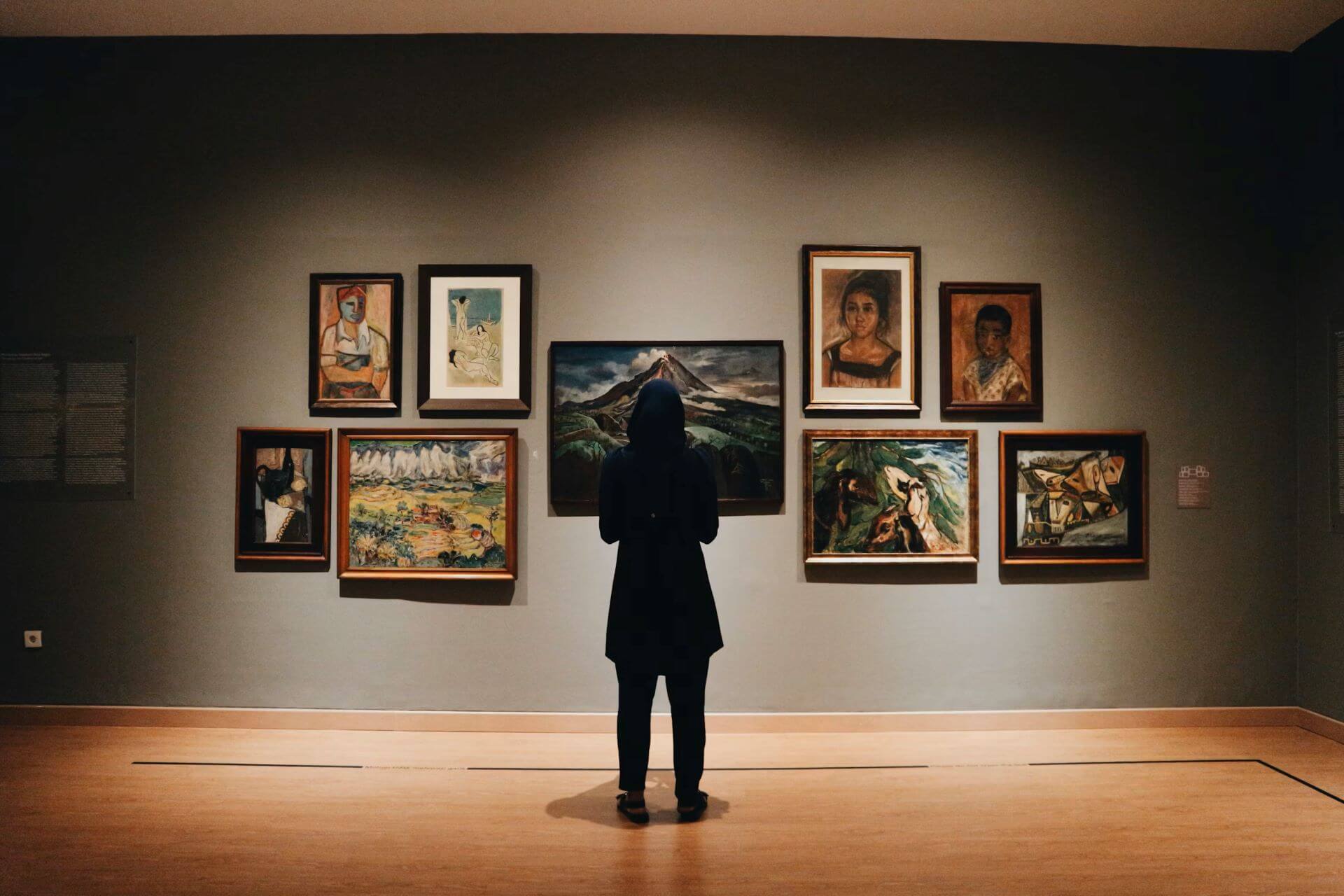
The art world is often portrayed as a closed circle of quiet rooms, unfamiliar names, and unspoken rules. For many, the idea of collecting art feels distant and reserved for those with deep knowledge or long-standing connections. But at its core, art collecting begins much closer to home. It starts with curiosity, with time spent looking, and with the willingness to engage with art and treat it as part of everyday life.
Starting an art collection begins with attention to detail. It is a rewarding journey that comes from observation, personal response, and gradual learning. Whether through classical or contemporary art, the art collecting journey invites you to slow down, notice what resonates, and allow meaning to form over time.
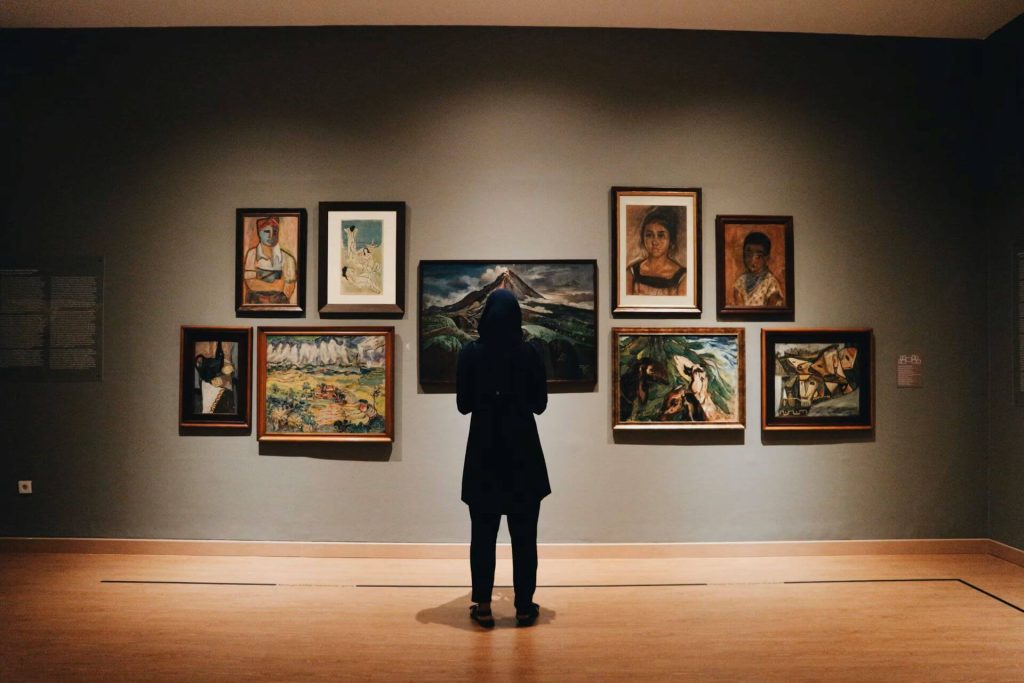
Photo by Zalfa Imani
How to start an art collection: Entering the art world with intention
The art world is expansive, layered, and sometimes overwhelming. Entering it with intention, rather than urgency, allows space for your understanding to develop naturally. Before they start collecting art, most collectors begin by simply spending time with art.
Learning by looking
Museums, exhibitions, galleries, and art fairs provide valuable opportunities to observe how art functions in different contexts. Moving through these spaces regularly helps build you familiarity, not only with styles and mediums, but with how artworks create mood, provoke thought, or perfectly settle into a room.
Spending time in these environments helps you develop visual literacy. Patterns begin to emerge. Certain forms, materials, or subjects consistently draw attention. Over time, this repeated exposure offers a better understanding of how art operates within the broader world and how individual preferences begin to take shape.
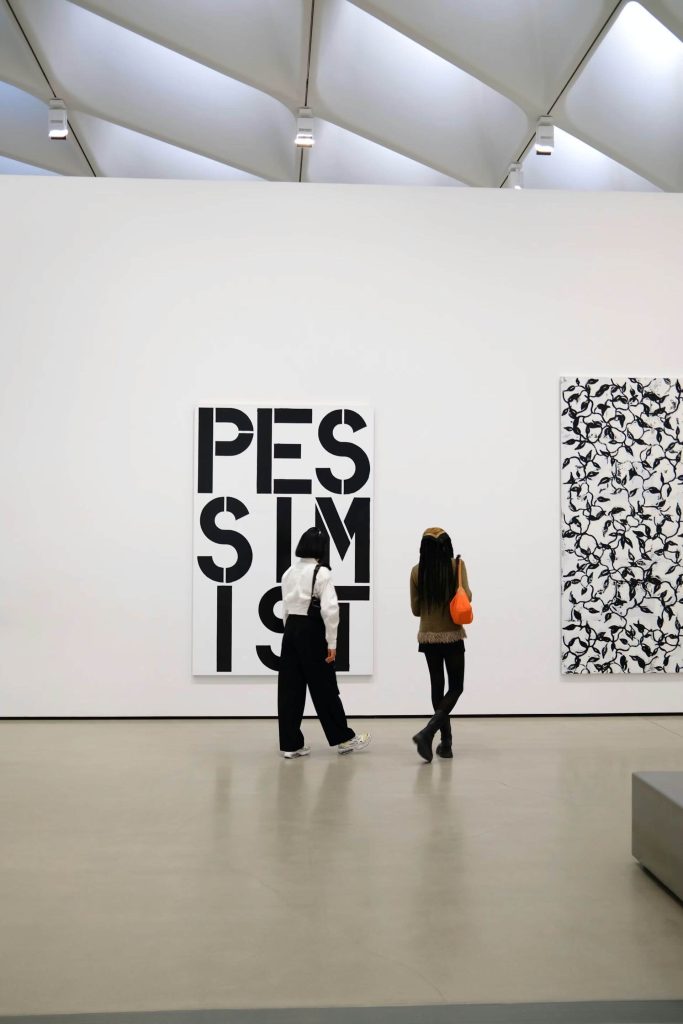
Photo by Mike Von
Contemporary and fine art today
Contemporary art is part of fine art. It sits within the same tradition of artistic practice, while responding directly to the present moment, its social conditions, technologies, and ways of seeing things. Contemporary art shows how fine art continues to evolve over time.
Some works may draw heavily on technique and material mastery, while others prioritize concept, experimentation, or shifting perspectives. Neither approach demands immediate comprehension. What matters is the act of looking and allowing works to register before you assign meaning.
Collecting begins when familiarity replaces intimidation. As your confidence grows, the art world becomes an ongoing dialogue between you and the work you’re looking at.
Becoming an art collector through personal taste
Most collectors do not begin with a defined vision. Instead, they arrive there gradually, guided by instinct and repetition. Becoming an art collector should be more about your personal tastes rather than external validation.
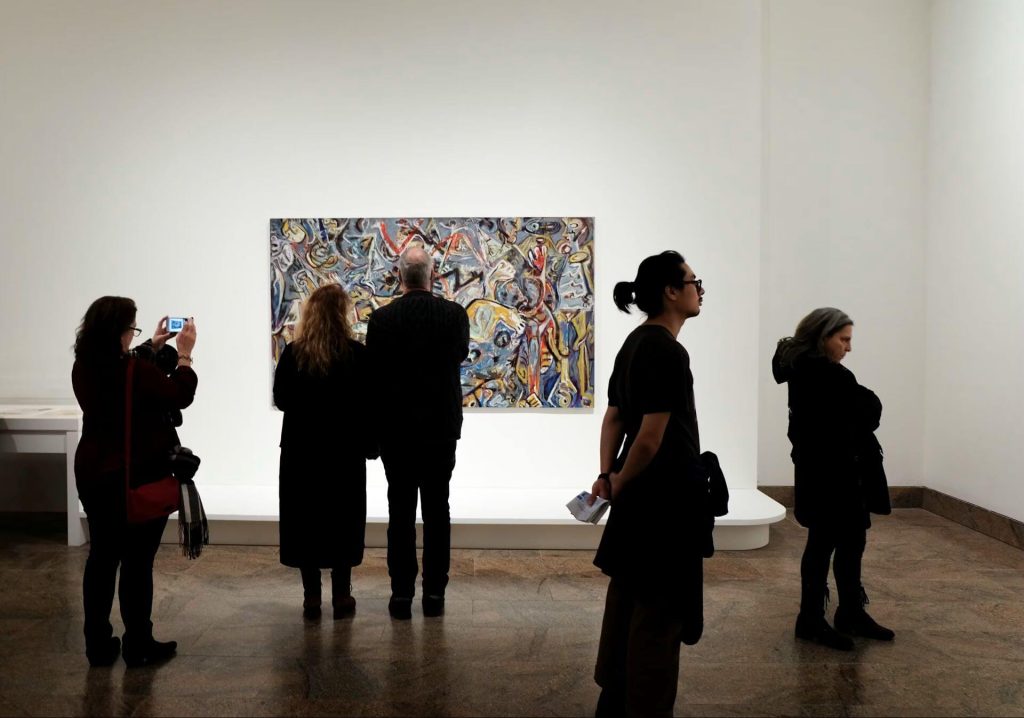
Photo by Jessica Pamp
Developing your own taste and gut instinct
Developing your own taste requires patience. Early encounters with art may feel uncertain, but over time, your gut instinct becomes a reliable guide. Many collectors discover that they are consistently drawn to certain themes, colors, or emotional tones. This sense of being drawn is often more valuable than trend awareness.
To love art is not to understand it fully, but to feel a connection. Collectors who trust this response tend to build collections that feel coherent and personal, rather than assembled for approval.
Starting small and letting the collection grow
Starting your own art collection rarely appears complete at the beginning. It will take time. One piece leads to another, and the collection grows alongside changing perspectives and life stages. Owning art is basically something lived with rather than stored away.
Most collectors find that early choices inform later ones, even as preferences shift. This gradual progression gives the collection depth.
Finding art in both formal and informal spaces
Art does not exist only within institutional walls. While many galleries and formal exhibitions offer important entry points, meaningful discovery often happens elsewhere.
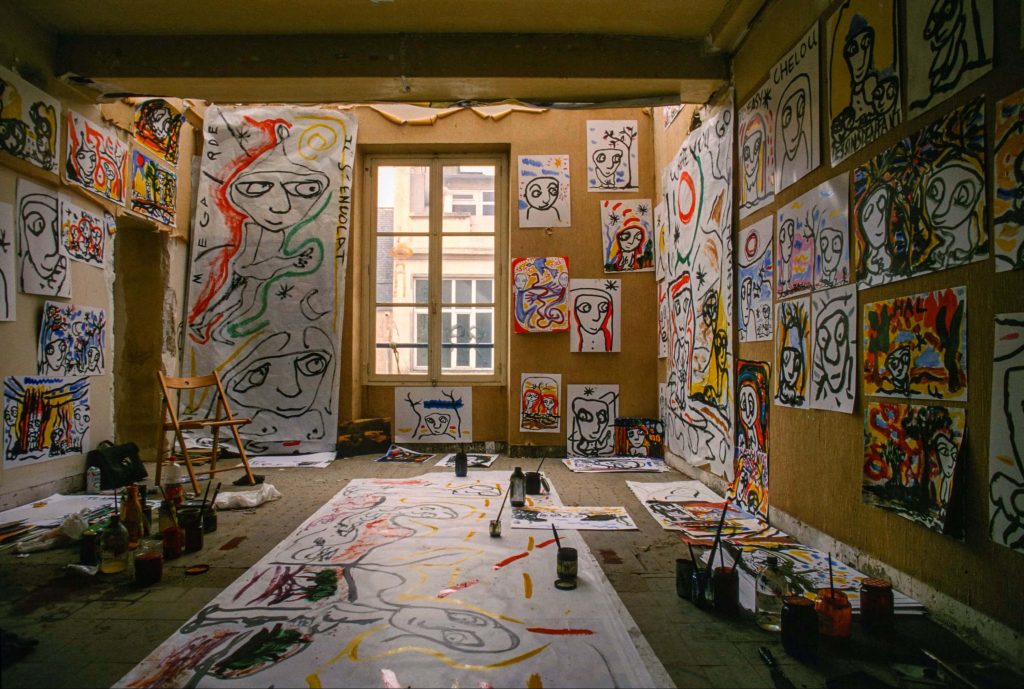
Photo by Mick Haupt
Galleries, graduate shows, and open studios
Many galleries play an essential role in guiding new collectors. Gallery owners often provide context, share good tips, and help navigate price points with transparency. Graduate shows and open studios also offer access to emerging artists at formative stages of their careers.
Open studio events, in particular, allow collectors to engage with the process rather than the finished presentation. These encounters also often lead to long-term relationships with gallery owners and many artists.
Silverlens Galleries
Silver’s long-standing program introduces collectors to Southeast Asian contemporary artists such as Leslie de Chavez and Pow Martinez and open doors to up-and-coming artists. The gallery is known for contextual conversations, price transparency, and long-term artist representation.
Finale Art File
Finale regularly works with both emerging and established Filipino artists, offering collectors guidance through curated exhibitions, catalog essays, and direct dialogue with artists.
White Cube
Internationally, White Cube exemplifies how galleries provide educational support through talks, publications, and staff expertise that help collectors understand both artistic and market contexts.
Unexpected places where collectors find work
Beyond formal settings, collectors find other works of art in thrift stores, estate sales, coffee shops, and smaller events. These spaces encourage exploration without pressure. Affordable works discovered here often carry strong personal narratives, shaped by chance encounters rather than planned acquisition.
Finding original art in these environments reinforces the idea that collecting is not confined to one path. Discovery remains open, fluid, and deeply individual.
Buying art with care and clarity
Art buying sits at the intersection of emotion and consideration. While instinct initiates interest, clarity sustains confidence.
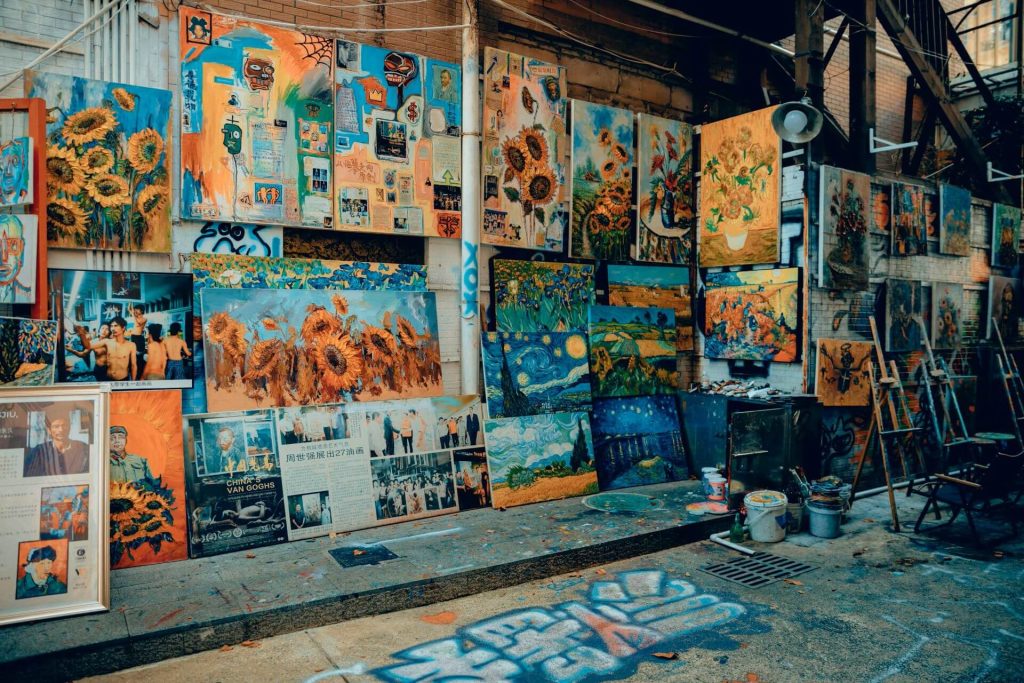
Photo by Lin Renais
Buying from artists directly and building relationships
Buying from artists directly through studio visits or open studios creates opportunities for connection. Learning about an artist’s process, influences, and own work adds depth to the acquisition. Supporting artists in this way strengthens the ecosystem that sustains creative practice.
Building relationships with artists often leads to continued dialogue, allowing collectors to follow growth over time rather than focusing on single transactions.
Working with galleries and auction houses
As collections mature, some collectors turn to galleries and auction houses for access to a broader range of artwork. These channels provide structure, documentation, and guidance within the art market. Understanding provenance, exhibitions, and pricing becomes increasingly important, particularly when engaging with higher price points. Clear communication and research here ensure that art buying remains intentional.
Balancing passion with future value
While passion guides collecting, questions of future value inevitably arise. Addressing them thoughtfully helps maintain balance, especially for those with disposable income that see an art collection as an investment potential.
Collecting emerging, young, and mid-career artists
Emerging artists, young artists, and mid-career artists often offer compelling perspectives shaped by contemporary conditions. Supporting these artists contributes to the next generation of cultural voices. Investing in these artists and buying in bulk can generate large discounts. Over time, some gain broader recognition, while others remain personal discoveries, and both outcomes hold value.
Major artists and long-term relevance
Major artists often come with established histories of exhibitions and critical acclaim. Their works may hold stronger positions within the art market, offering stability alongside cultural significance. However, acquiring such works requires careful consideration of budget, context, and long-term relevance rather than immediate recognition.
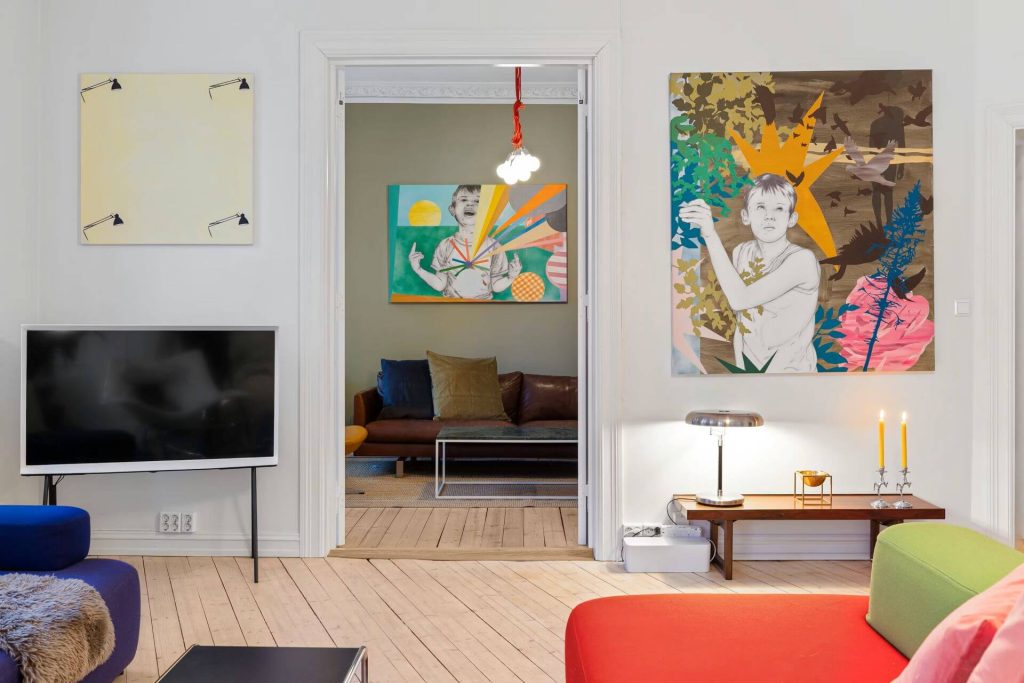
Photo by Lin Renais
Living with art in a private collection
A private collection gains meaning through daily interaction. How art is lived with matters as much as how it is acquired.
Wall space, light, and scale influence how an artwork is experienced. Paintings, mixed media pieces, prints, and original prints each require thoughtful placement. Display decisions shape how art integrates into everyday routines, allowing works to breathe within a space rather than compete for attention.
Art books, exhibitions, and museums extend learning beyond acquisition. Investing time in continued exposure adds more value to the collecting experience, deepening your understanding and appreciation over time.
The collector’s path
Collecting art is a long-term process. From finding art in unexpected places to building relationships with artists and galleries, each step is a lived experience rather than a fixed ambition. As collectors grow more confident, their choices gain clarity. What begins as curiosity becomes a practice grounded in attention, allowing art to take its place not as an object of status, but as a meaningful presence within daily life.
