

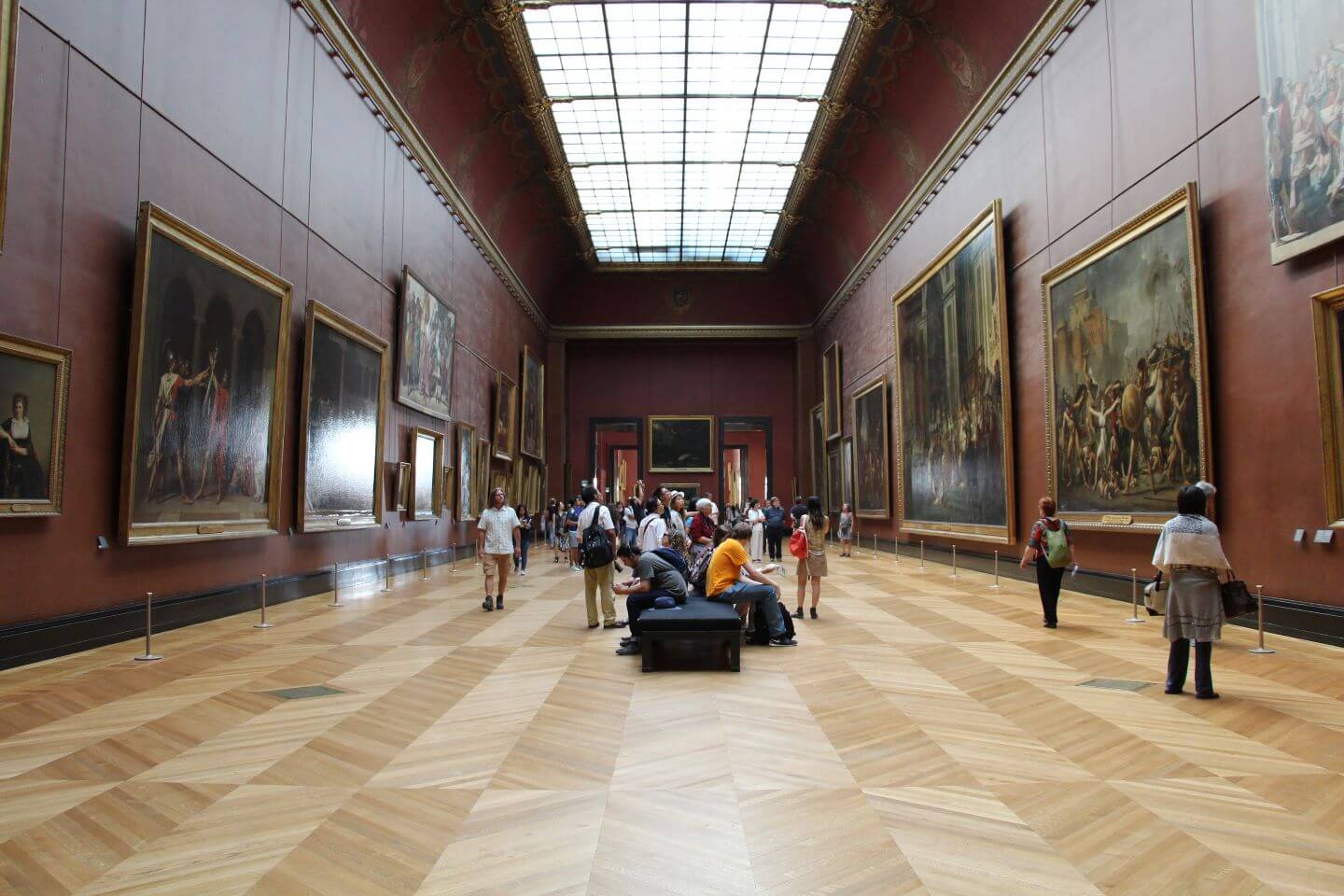
Museums are valuable parts of every culture because they provide a direct connection to the stories, achievements, and traditions that tell stories of civilizations. For travelers seeking depth in their journeys, the best museums in the world allow for a closer look at how art, science, and history intersect. Each gallery, artifact, and installation reflects centuries of human effort, making these spaces essential for anyone interested in culture.
For many travelers exploring global destinations, museums serve as both educational landmarks and meaningful travel experiences. They present an opportunity to encounter world art, understand different societies, and appreciate the enduring impact of human creativity across generations.
Best art museums for exploring global masterpieces
Across continents, certain institutions have become synonymous with artistic excellence. These best art museums are known not only for their scale but also for the significance of their collections.
1. Louvre Museum: A cornerstone of world art
The Louvre Museum stands undisputed as one of the most recognized art museum institutions globally. It houses the iconic Mona Lisa, along with works connected to Leonardo da Vinci and other renowned artists. Its galleries span Renaissance paintings, French art, and artifacts from ancient Egypt, to arts from the Middle Ages, offering a comprehensive view of artistic and cultural development.
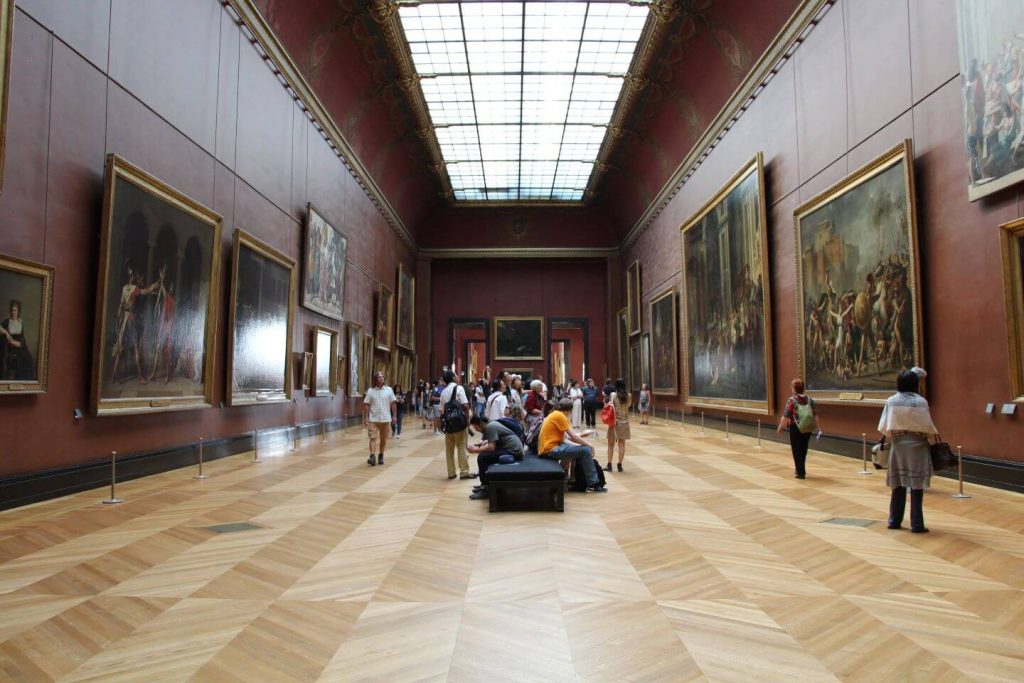
Photo by Fred Romero, CC BY 2.0
2. Metropolitan Museum of Art: A vast collection of global traditions
The Metropolitan Museum of Art is widely regarded as one of the largest art museum institutions in the world. Its vast collection from Western Art to European art, Asian art, and decorative arts, presenting a diverse overview of global traditions. Visitors can move from classical sculptures to intricate textiles within a single visit. Plus, this museum also hosts the yearly star-studded Met Gala fundraising.
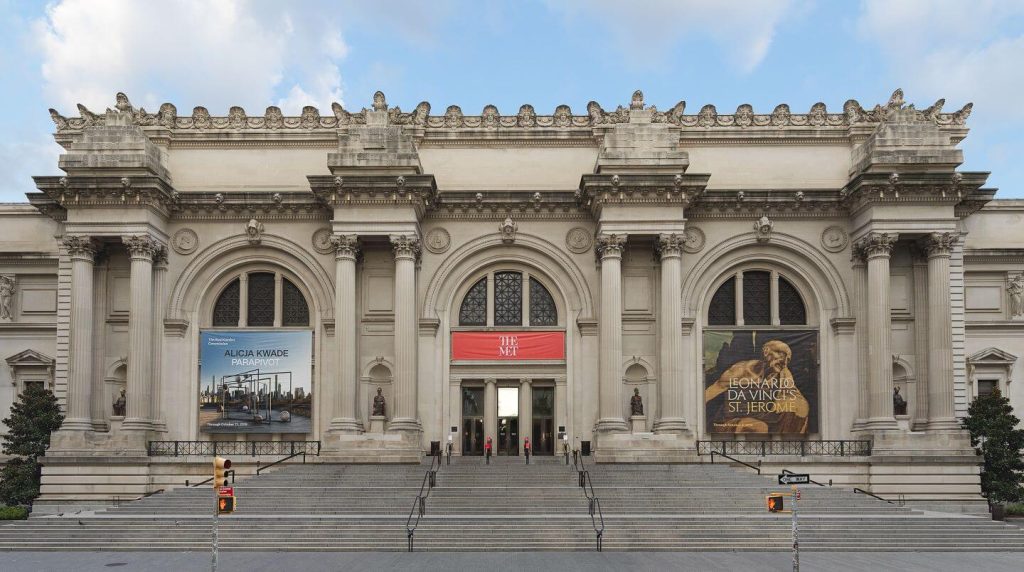
Photo by Hugo Schneider, CC BY-SA 2.0
3. Museo Nacional del Prado: Spanish and European painting heritage
The Museo Nacional del Prado is known for its extensive collection of European paintings, particularly from Spanish masters. Its galleries include notable works by Francisco Goya, alongside pieces that represent key periods in art history, preserving paintings that continue to shape artistic traditions today.
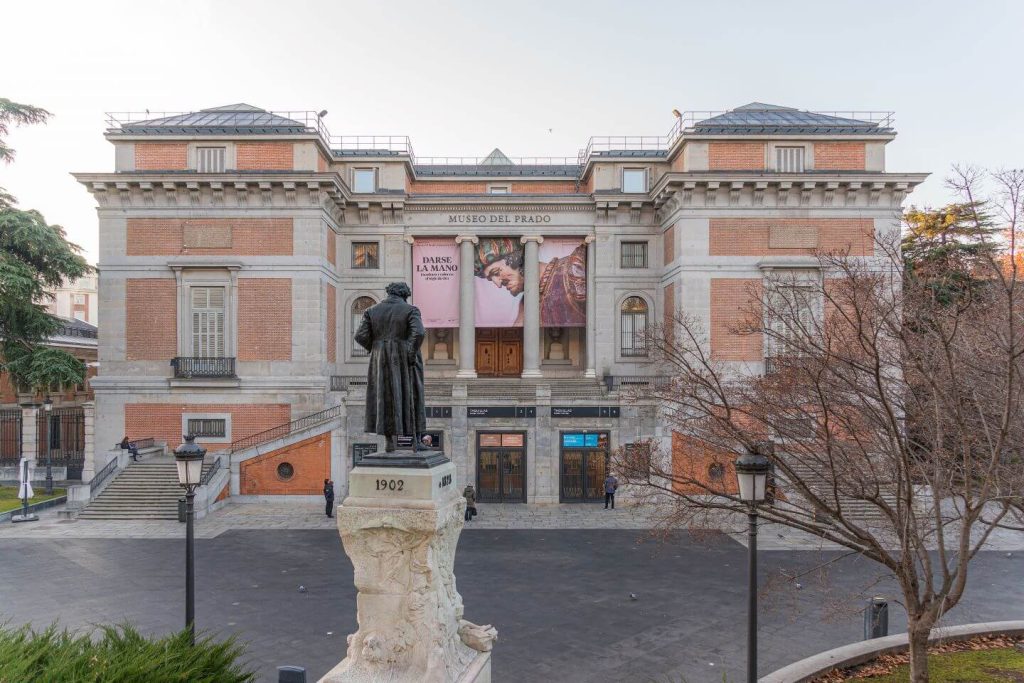
Photo by Por Fernando, CC BY-SA 4.0
4. Uffizi Gallery: Renaissance art in Florence
The Uffizi Gallery is celebrated for its collection of Renaissance art and European paintings. Its exhibits include some of the most famous works by Sandro Botticelli, including The Birth of Venus, one of the most recognized paintings from this period.
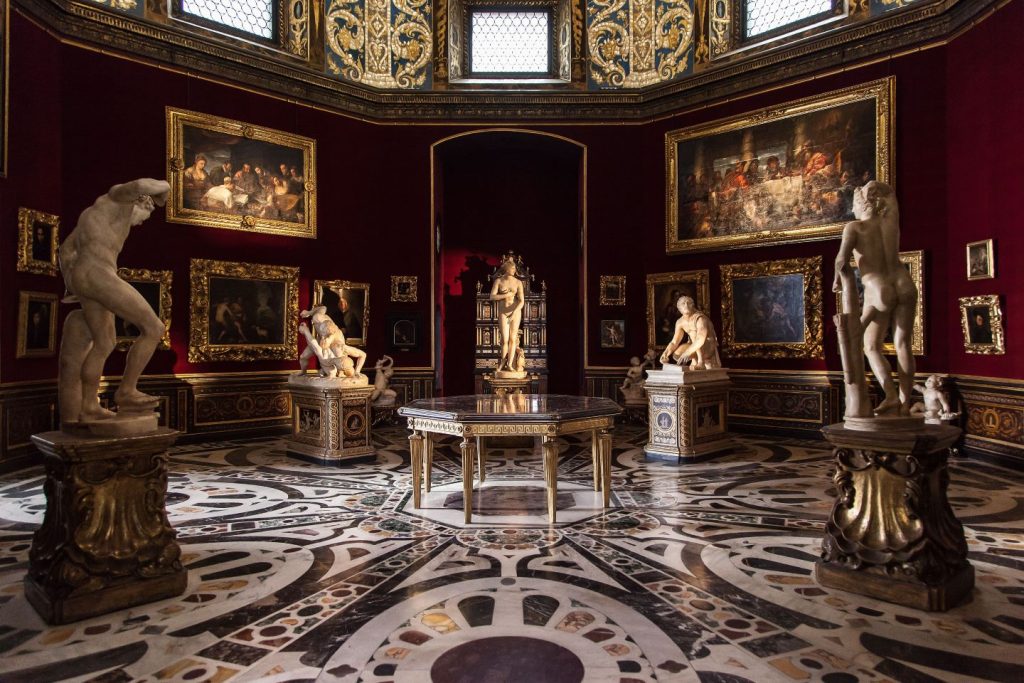
Photo by Marta De Bortoli1991, CC BY-SA 4.0
5. Guggenheim Museum Bilbao: Modern architectural and artistic vision
The Guggenheim Museum Bilbao, designed by postmodernist architect Frank Gehry, is an architectural marvel known for its distinctive structure and focus on modern art and contemporary art. At its entrance stands Maman, a large-scale spider sculpture by Louise Bourgeois, which has become closely associated with the museum’s identity.
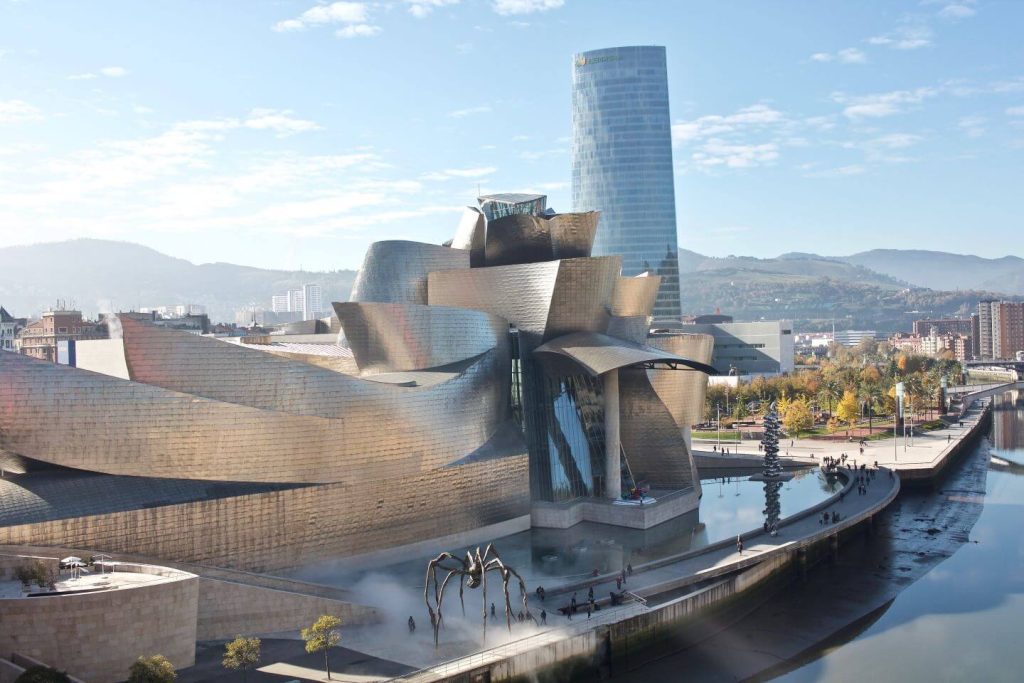
Photo by Naotake Murayama, CC BY 2.0
6. Museum of Modern Art (MoMA): A home for modern masterpieces
The Museum of Modern Art is an art gallery widely recognized for its influence in shaping the appreciation of modern art and contemporary art. Among its most notable works is The Starry Night by Vincent van Gogh, one of the most famous paintings in the world. Its collection spans painting, sculpture, and design, presenting key developments in the visual arts through carefully curated galleries. MoMA holds a permanent collection while opening up to temporary exhibitions by rising artists.

Photo by ajay_suresh, CC BY 2.0
7. Musée Lumière: The origins of cinema
The Musée Lumière is dedicated to the pioneers of early cinema, the Lumière brothers. Located in Lyon, it presents the origins of filmmaking through original equipment, photographs, and early motion picture experiments. Its exhibits trace the development of film as a visual medium, and it provides a focused look at the foundations of global cinema.

Photo by Par Victorgrigas, CC BY-SA 4.0
8. Frida Kahlo Museum (Casa Azul): Art and personal legacy in Mexico
The Frida Kahlo Museum, also known as Casa Azul, was the home of Frida Kahlo and now preserves her life and work. The museum displays many of her famous artworks, including The Two Fridas and Self-Portrait with Thorn Necklace and Hummingbird. Visitors can also see her personal belongings, traditional Mexican art pieces, and the vibrant courtyard that reflects her identity and artistic inspiration.

Photo by Peter Andersen, CC BY-SA 3.0
9. Rijksmuseum: Dutch art and history
The Rijksmuseum is the national museum of the Netherlands, known for its rich collection of Dutch Golden Age art. It features iconic works such as The Night Watch by Rembrandt and The Milkmaid by Johannes Vermeer. The museum highlights the artistic achievements and cultural history of the Netherlands.
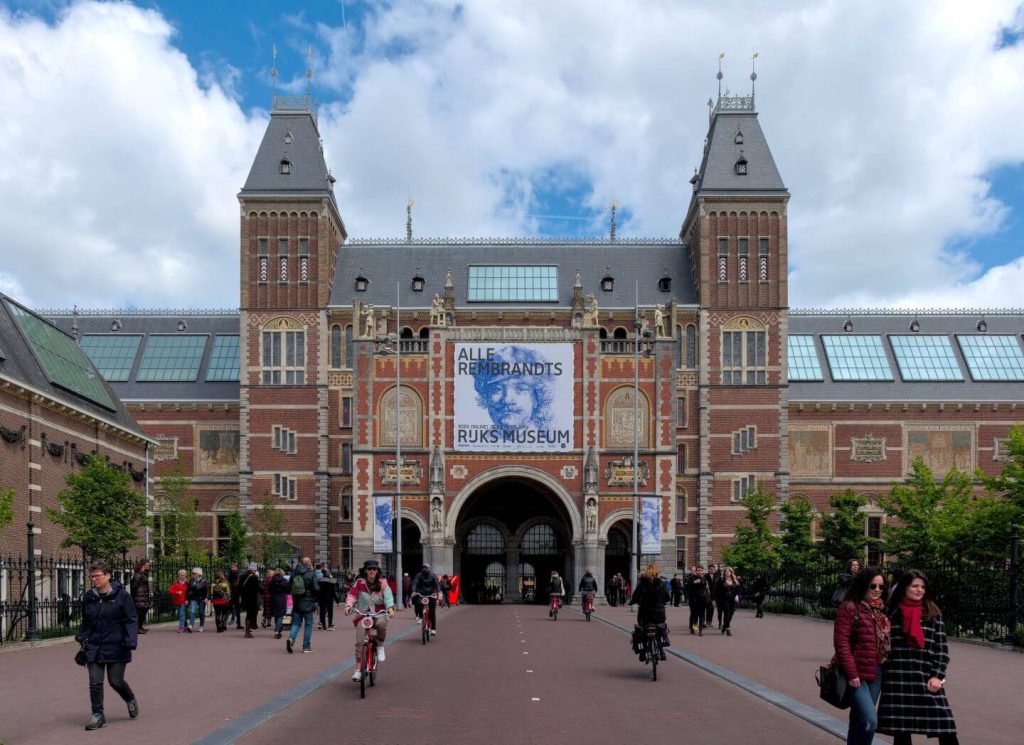
Photo by Trougnouf (Benoit Brummer), CC BY 4.0
Museums that preserve history and civilization
While art museums highlight creativity, other institutions focus on documenting the broader story of civilization. These museums provide context for how societies functioned and evolved.
10. Grand Egyptian Museum: A new center for ancient Egypt
The recently unveiled Grand Egyptian Museum is one of the most valuable additions to the global museum landscape. Located near the Pyramids of Giza, it houses a vast collection of artifacts from ancient Egypt, including the full Tutankhamun collection. Designed as a modern museum complex, it presents historical objects through organized, large-scale galleries that make it easier to follow the development of Egyptian civilization. Its opening marks a significant step in how ancient history is preserved and shared with the public.
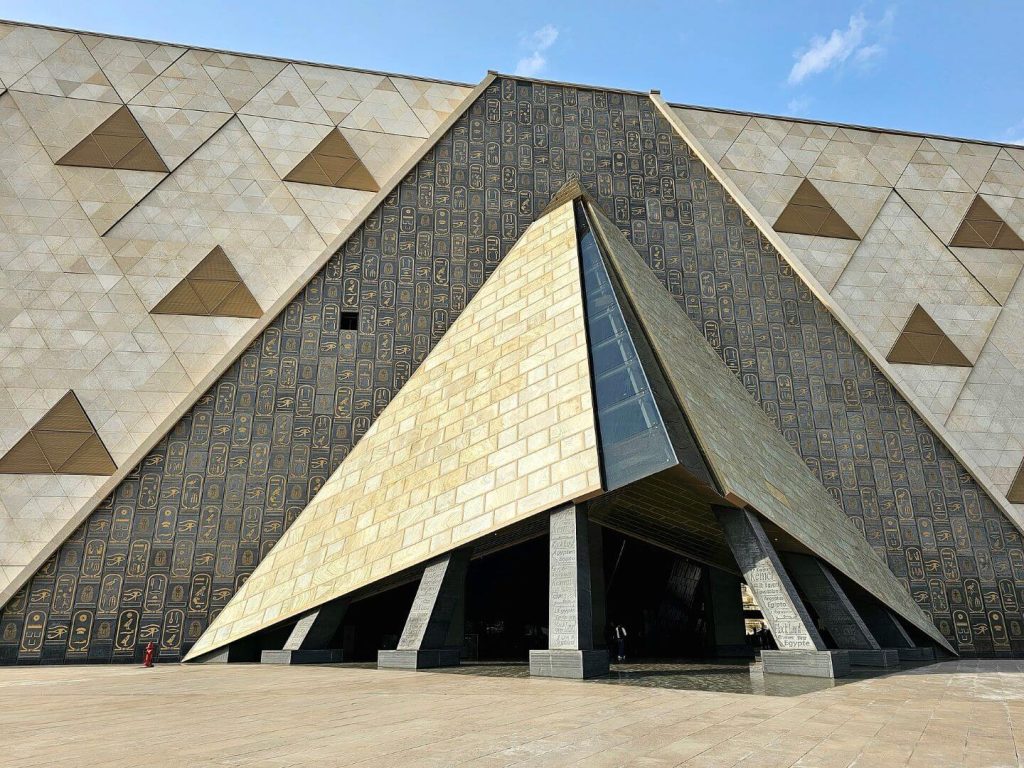
Photo by By Richard Mortel, CC BY 2.0
11. British Museum: A record of ancient civilizations
The British Museum is recognized for its extensive collection of artifacts from around the world, offering a sweeping view of human history across continents. Among its most notable pieces is the Rosetta Stone, which played a key role in understanding ancient Egypt. The museum also features relics from ancient Greece and a wide array of ancient sculptures. The majority of its vast holdings were acquired during the height of the British Empire, which means visitors can encounter cultural treasures from numerous civilizations in a single visit, making it a compelling, if complex, window into the world’s heritage.
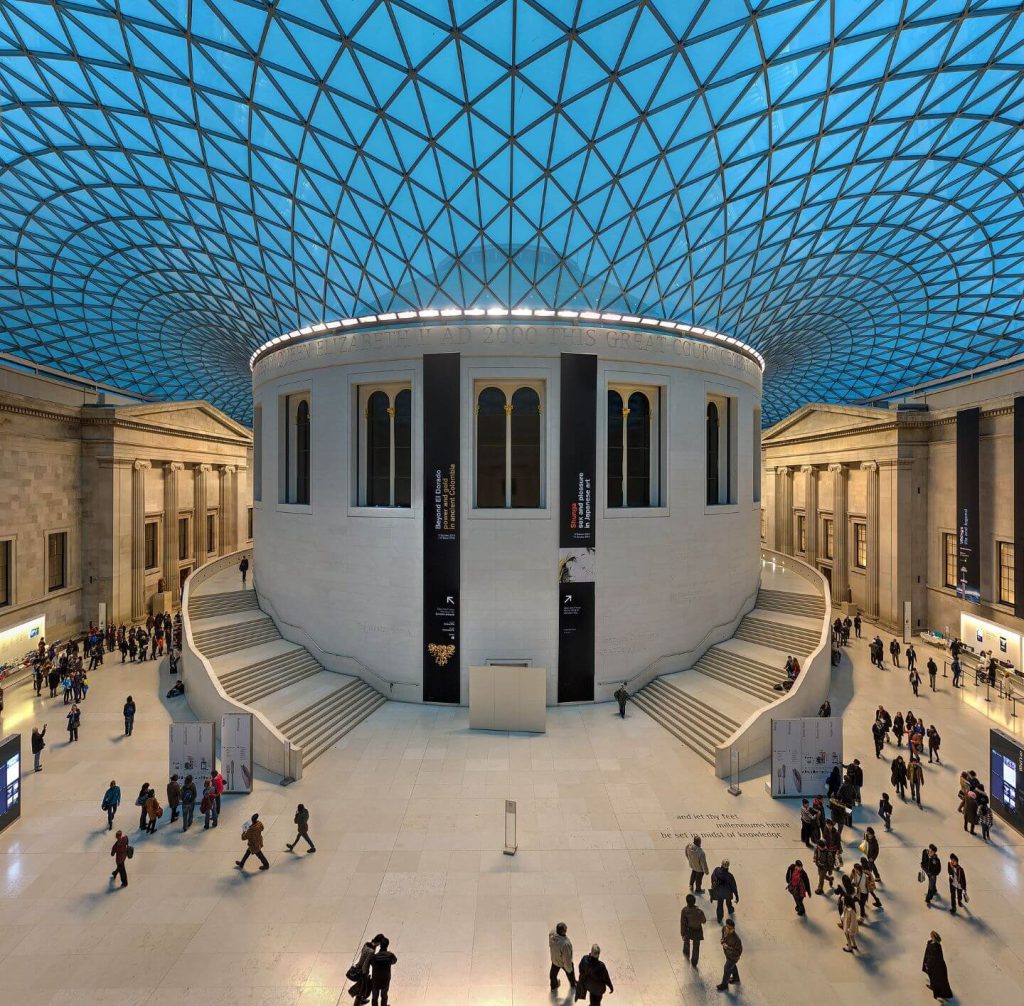
Photo by Diliff, CC BY-SA 3.0
12. Vatican Museums: Religious and artistic heritage in Vatican City
Located within Vatican City, the Vatican Museums showcase some of the world’s most famous artworks. Highlights include the Sistine Chapel ceiling by Michelangelo, especially The Creation of Adam, as well as The School of Athens by Raphael and the sculpture Laocoön and His Sons.
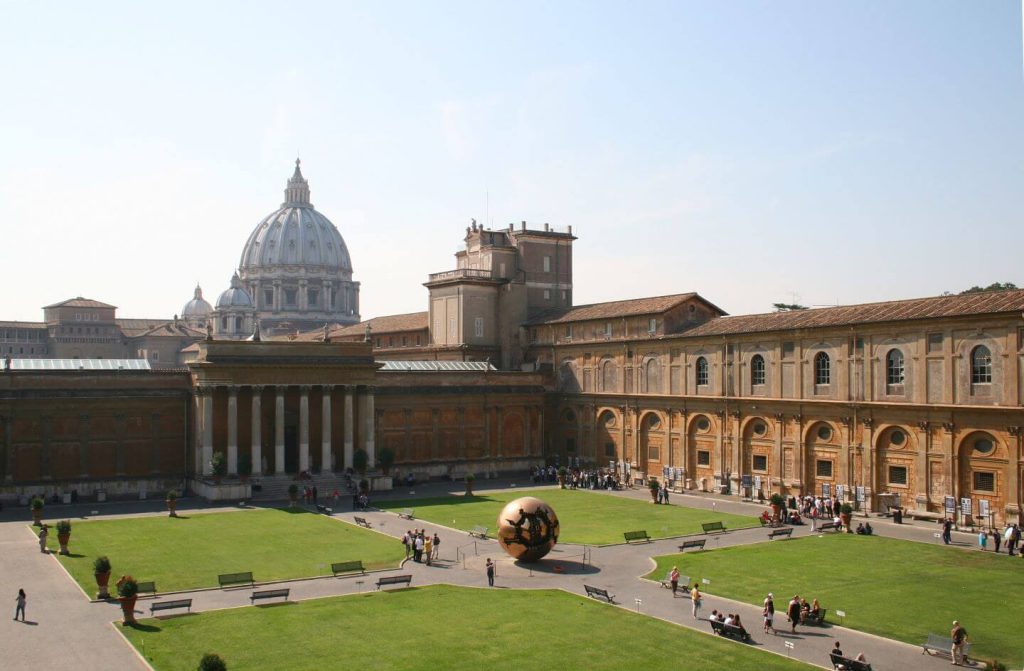
Photo by Jean-Pol GRANDMONT, CC BY-SA 3.0
13. State Hermitage Museum: Russian art and history
Found in St. Petersburg, the State Hermitage Museum houses one of the world’s largest art collections. Its highlights include masterpieces such as The Return of the Prodigal Son by Rembrandt and Madonna Litta by Leonardo da Vinci. The museum also features rich European galleries and Russian imperial art, reflecting centuries of cultural and artistic exchange.
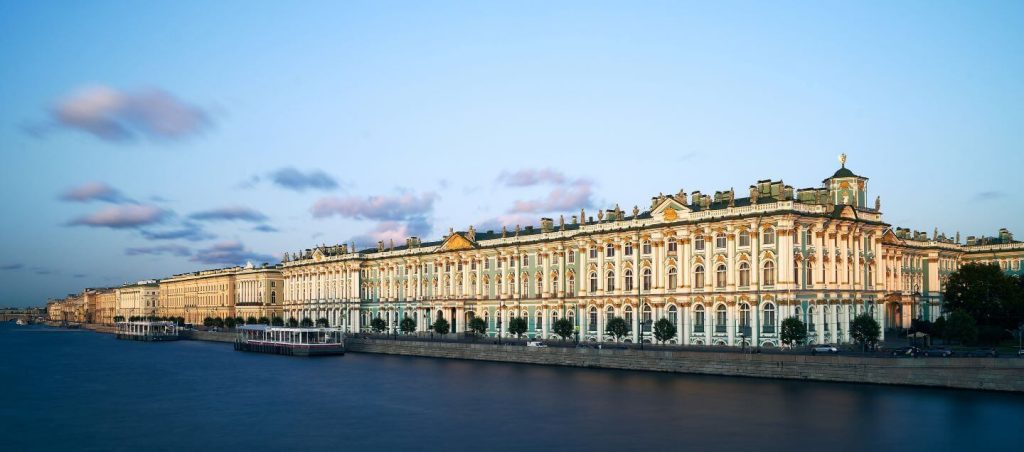
Photo by By Pedro Szekely, CC BY-SA 2.0
14. Pushkin State Museum: European and Russian art
The Pushkin State Museum of Fine Arts is renowned for its collection of European art, especially Impressionist and Post-Impressionist works. Notable pieces include Red Vineyard by Vincent van Gogh and works by Pablo Picasso, such as Woman with a Guitar. It also showcases important casts of classical sculptures, bridging Russian and European artistic traditions.
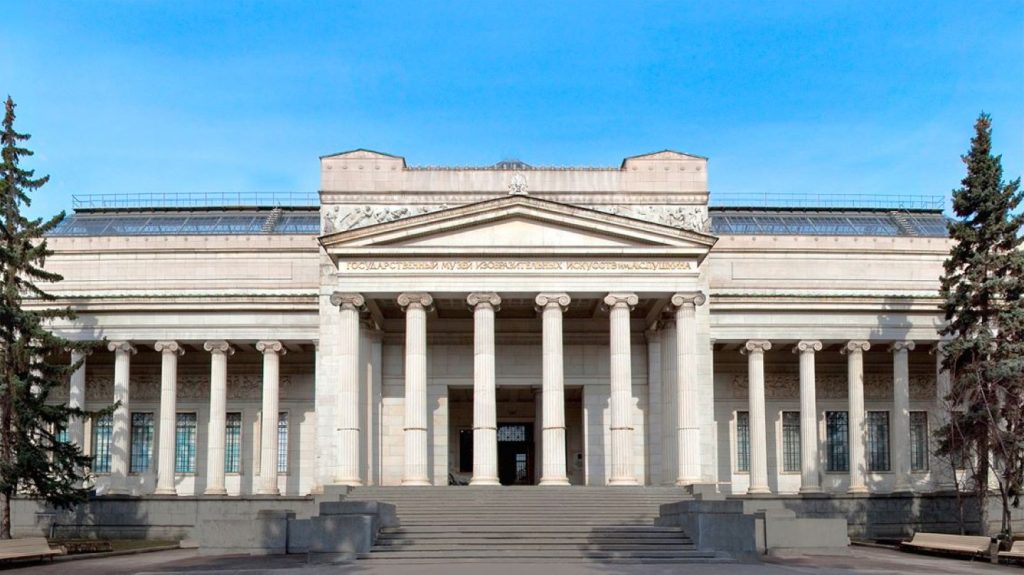
Photo from Pushkin Museum
15. Palace Museum: A window into imperial China
The Palace Museum houses an incredible collection of imperial artifacts, including bronze sculptures and pieces of Asian art. As one of the largest museum complexes, it offers insight into centuries of governance, culture, and craftsmanship.

Photo by kallgan, CC BY-SA 3.0
Specialized museums for science, nature, and innovation
Some institutions focus on specific disciplines, offering a deeper look into the natural world and technological progress. A natural history museum or museum of natural history typically showcases exhibits on biodiversity, geology, and the development of life on Earth. These spaces help visitors understand natural history through interactive and educational displays.
The Smithsonian National Air and Space Museum is a leading space museum that documents milestones in aviation and exploration. Its exhibits highlight humanity’s pursuit of knowledge beyond Earth.
In Asia, the Tokyo National Museum focuses on preserving cultural artifacts and Asian art, offering a closer look at regional traditions. Meanwhile, institutions such as the National Gallery and various art institute spaces continue to support education by presenting structured approaches to learning about art and history.
Museums that capture modern identity and social history
Museums also serve as platforms for understanding more recent events and social developments. The National WWII Museum provides a comprehensive view of the Second World War, covering both military history and personal narratives.
Other institutions dedicated to African American history highlight the experiences and contributions of communities that have shaped modern society. These museums emphasize the importance of representation within a museum’s collection, ensuring that diverse perspectives are included.
In addition, museums centered on modern and contemporary art document present-day ideas and cultural shifts. Through installations, multimedia exhibits, and curated works, they offer insight into how societies interpret current issues and creative expression.
Where art and history meet
Museums stand as enduring spaces where history, art, and knowledge come together. From the halls of the Louvre Museum to the awe-inspiring displays of the Grand Egyptian Museum, each institution offers a distinct perspective on human achievement. These museums in the world not only preserve the past but also encourage deeper appreciation for the present.
For travelers and culture enthusiasts, visiting these institutions offers a way to connect with stories, traditions, and ideas that continue to shape societies. In every exhibit and collection, museums remind visitors of the shared threads that link cultures across time.
