

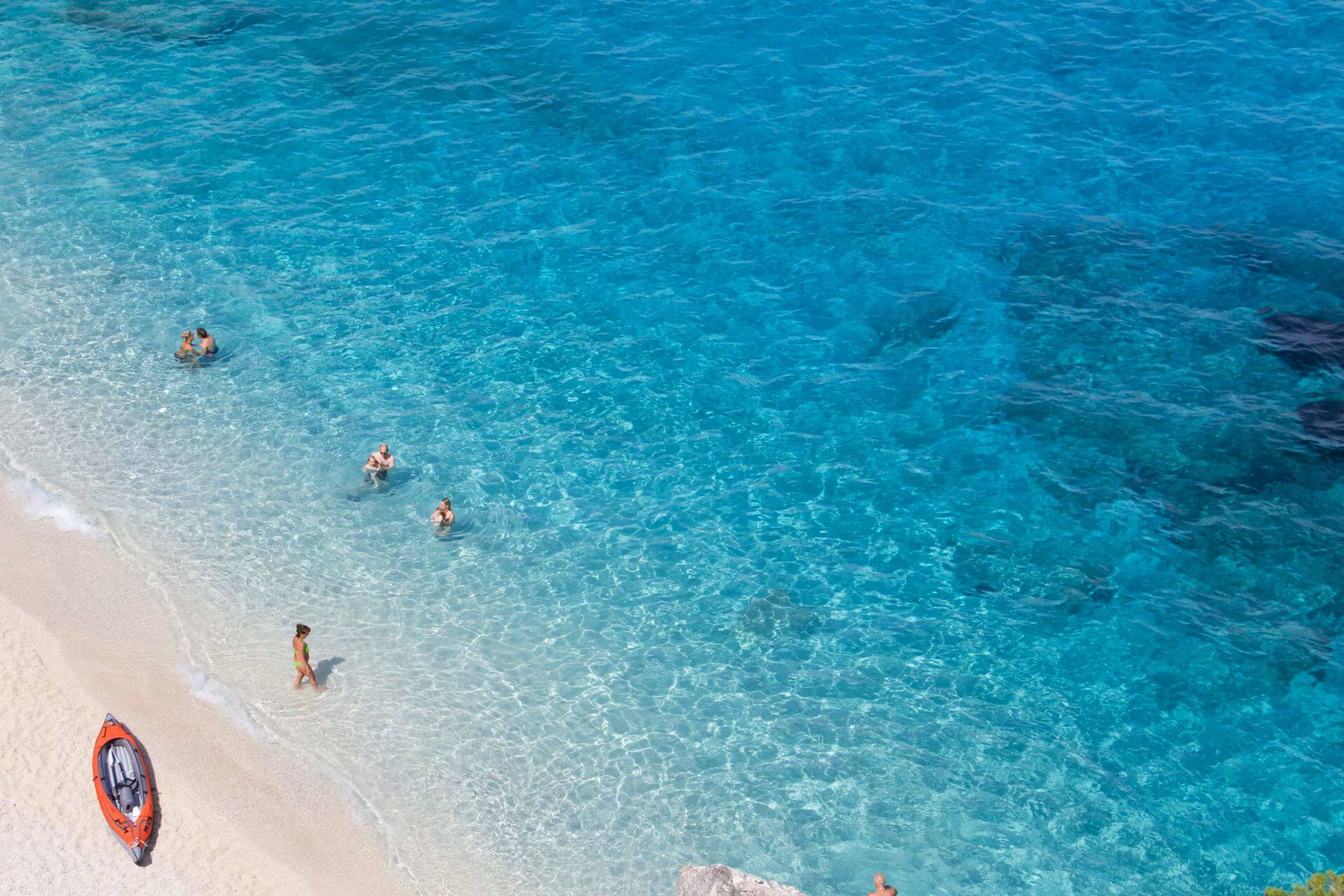
When people bring up an Italy trip, most itineraries usually begin and end inland. It typically includes museum visits in Florence, late dinners in Rome, and a few days around Lake Como before eventually turning their attention toward the coast. Once summer arrives, though, new destinations open up to tourists. Train schedules start revolving around ferry departures, reservations to Italy’s most beautiful beaches become part of the schedule, and entire towns reorganize themselves around the sea.
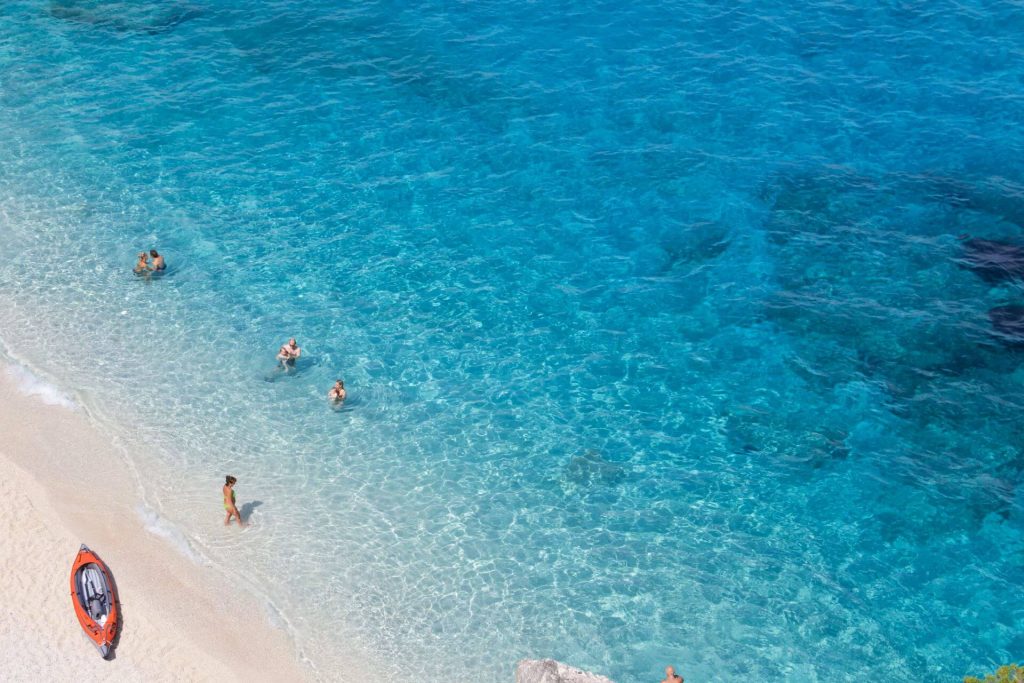
What makes the best beaches in Italy stand out
What makes the best beaches in Italy particularly memorable is the variety within a relatively compact geography. In the north, pebble beaches sit beneath steep cliffs and old fishing towns. The south part of Italy boasts long stretches of coast and soft sand that attract families escaping city heat.
Offshore islands also offer hidden cove swimming spots accessible only by boat or steep coastal trails. Even within the same region, some nice beaches may feel organized and social while others sit inside a protected nature reserve with visitor limits and almost no development.
The best Italian beaches are rarely identical in style. Some travelers picture a sandy beach with golden sand and rows of beach clubs, while others look for rocky coves with crystal clear waters suited for snorkeling and diving.
Another unique quality of beaches in Italy, not often seen in other parts of the world, is that most of them are either located within or adjacent to archeological sites, allowing travelers to swim right into ancient history.
Sardinia and Sicily
Italy’s islands contain some of the country’s most visually striking coastal scenery. Sardinia and Sicily, in particular, combine natural beauty with unusually clear water conditions surrounded by rocky seabeds and protected marine environments.
Cala Goloritzé and Cala Gonone
On Sardinia’s eastern coast, Cala Goloritzé has become one of the most photographed beaches in the Mediterranean. Reaching this hidden cove requires effort. Visitors either arrive by private boat excursions departing from Cala Gonone or complete a steep hiking trail descending through Mediterranean scrub and limestone terrain.
The beach itself is relatively small, edged by pale rocks and dramatic cliffs rising sharply behind the shore. Because access remains controlled, the area avoids the overcrowding found at many famous beaches elsewhere in Europe.
Nearby, Cala Gonone functions as the practical base for exploring Sardinia’s eastern coast. Boat operators run short trip routes connecting multiple swimming spots inaccessible by road. For travelers prioritizing snorkeling and secluded bays, this section of Sardinia remains one of the strongest choices in Italy.
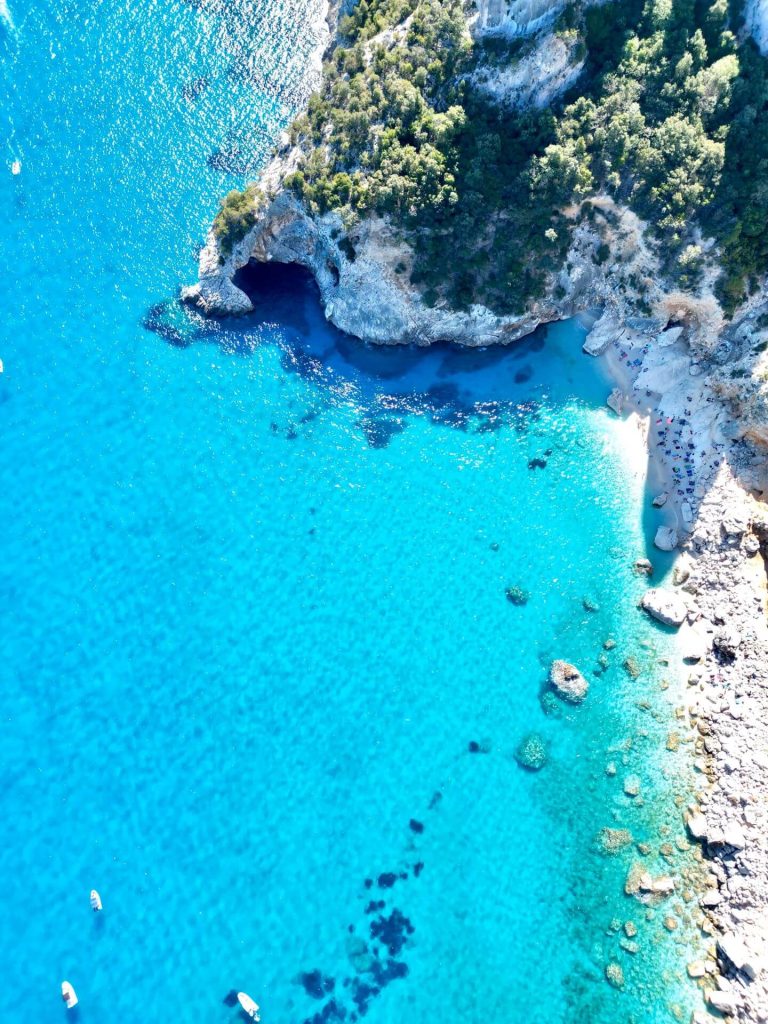
By Solomonn Levi – Own work, CC BY-SA 4.0, https://commons.wikimedia.org/w/index.php?curid=94062788
La Pelosa and San Vito Lo Capo
At the opposite end of Sardinia, La Pelosa offers a completely different setting. The beach is known for shallow turquoise water, soft sand, and long stretches suitable for families and casual swimming. During the summer, visitor caps and reservation systems help preserve the shoreline.
In Sicily, San Vito Lo Capo combines similar white sand conditions with a more active beach town atmosphere. Restaurants line the waterfront, and evening crowds spill into the old town after sunset. The beach’s gradual entry into the sea makes it popular with families, especially during peak summer weeks.
Isola Bella and Cala Rossa
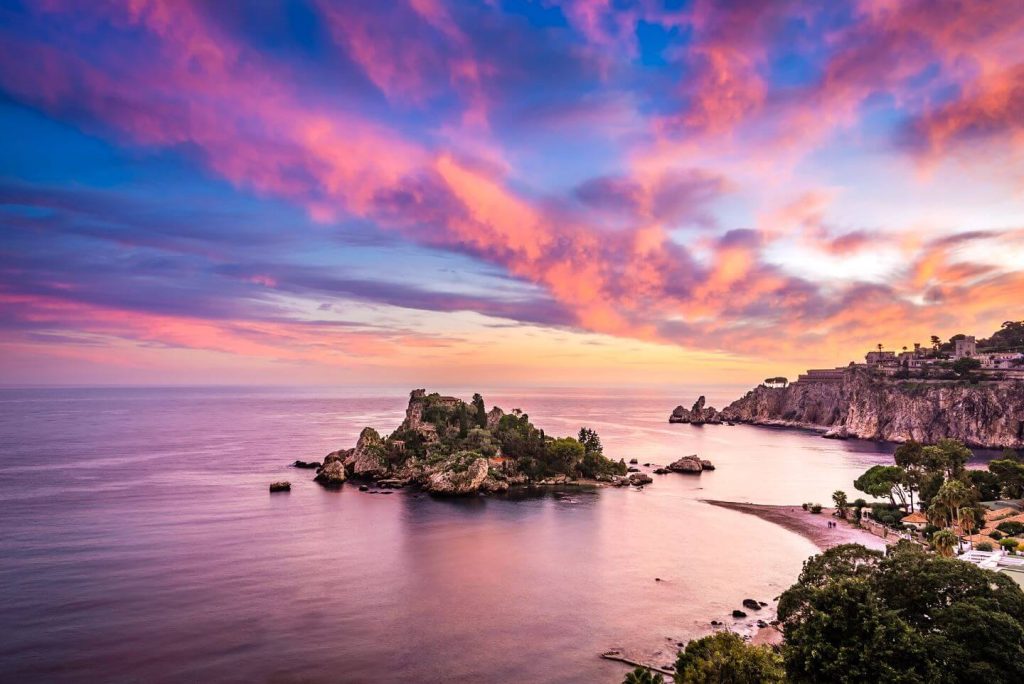
Near Taormina, Isola Bella remains one of Sicily’s most famous coastal landmarks. The beach sits below steep hillsides connected by stair routes descending from town viewpoints above. Visitors often combine swimming with a day exploring Taormina itself, making it one of the easier beaches in Italy to incorporate into a broader cultural itinerary.
Farther west, Favignana’s Cala Rossa comes with a more rugged environment. The beach is known less for sand than for dramatic rock formations carved into the shoreline. Clear water and underwater visibility attract snorkelers throughout the summer.
Day trips to Cala Rossa typically depart from Trapani, while eastern Sicily travelers often access Isola Bella through nearby Catania.
The southern coast from Puglia to Calabria
Southern Italy offers some of the country’s most accessible beach destinations, especially for travelers seeking sandy beach conditions combined with local food culture and slower coastal towns.
Santa Maria di Leuca and Salento
At the southern tip of Puglia, Santa Maria di Leuca sits where the Adriatic and Ionian seas meet. The surrounding coast alternates between cliffs, swimming spots, and small beach areas tucked beneath limestone formations.
Much of Salento’s coastline has gained international attention for its transparent water and Caribbean-like color variations. Spiaggia di Pescoluse, often compared to tropical destinations, attracts visitors searching for shallow water and soft sand conditions.
Travelers here often choose between organized beach clubs and free beaches. The club system provides convenience during summer, particularly for families staying all day, while public sections offer more flexibility for travelers moving between multiple coastal towns.
Tropea and the Calabria coast
Tropea has become one of the most recognizable beach towns in southern Italy. Its dramatic setting with historic buildings perched above the shore distinguishes it from flatter resort areas elsewhere in the country.
The beach itself combines clear water with relatively soft sand, while the church positioned on a rocky outcrop creates one of Calabria’s most photographed coastal views. Despite growing popularity, Tropea still retains a strong local atmosphere outside peak summer weekends.
June and September are generally considered the best times to visit. August brings dense crowds from across Italy, especially during national holiday periods.
Gargano Peninsula and Tremiti Islands
The Gargano Peninsula, located along the Adriatic coast, feels noticeably different from southern resort regions farther west. Forested areas, limestone cliffs, and rocky coves dominate the landscape.
Offshore, the Tremiti Islands contain some of the clearest swimming spots in the Adriatic. San Domino, the archipelago’s most visited island, attracts travelers interested in snorkeling, diving, and quieter coastal scenery.
Because the whole island system sits within a protected marine environment, boat access and visitor activity remain more regulated than in heavily commercialized destinations.
Liguria, Cinque Terre, and the Adriatic side of Italy
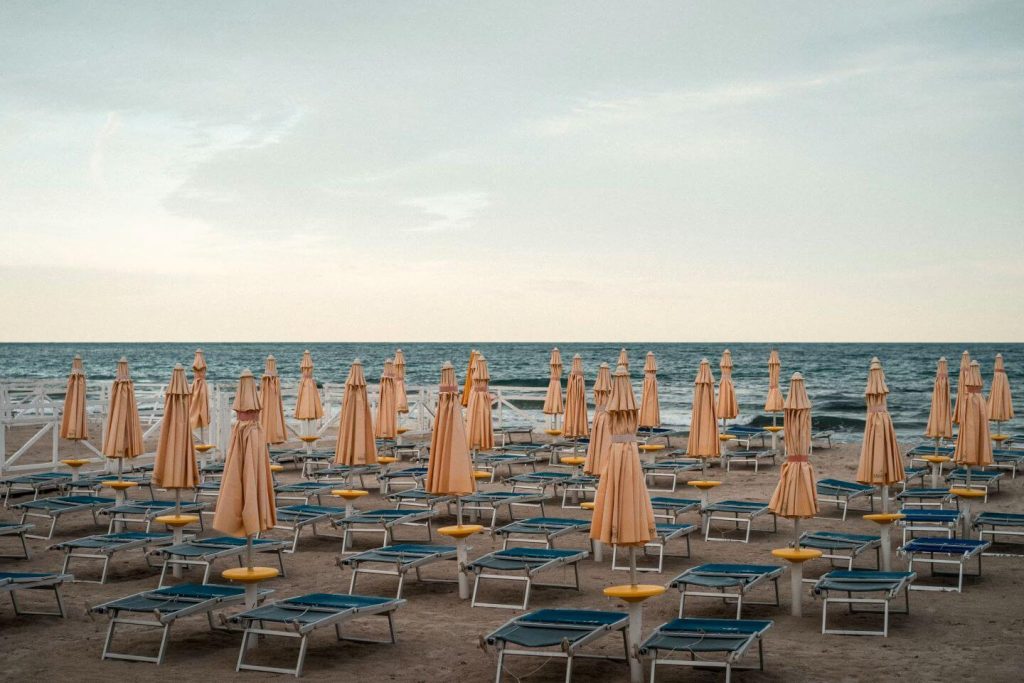
Northern and central Italy offer a more compact coastal experience where beaches exist alongside tightly packed historic towns and steep rail-connected coastlines.
Monterosso and Cinque Terre
Among the five villages of Cinque Terre, Monterosso contains the area’s most practical beach. Unlike the rocky shorelines elsewhere along the coast, Monterosso combines sand with smoother stones, making swimming easier for day visitors arriving by train.
Boat routes connect the towns throughout the summer, although rail travel remains the fastest option during busy periods. Travelers planning to visit Monterosso during high season typically arrive early in the morning before excursion crowds reach the shore.
The appeal of Cinque Terre lies partly in the combination of sea access and compact urban life. Restaurants, train stations, and swimming areas all remain within walking distance.
San Fruttuoso and Riviera del Conero
San Fruttuoso occupies one of Liguria’s most unusual coastal settings. The small beach sits beside a historic abbey accessible primarily by boat or hiking trails. Offshore, divers visit the famous bronze statue submerged beneath the water near the bay.
On Italy’s Adriatic side, Riviera del Conero in Le Marche presents a different atmosphere. White cliffs descend into quieter beaches framed by pine trees and rocky shoreline formations. Compared with the more internationally famous Amalfi Coast or Cinque Terre, this region receives fewer international visitors despite its striking scenery.
Cala Violina and Tuscany’s protected shores
Tuscany’s Cala Violina remains one of the country’s best-known protected beaches. Located inside a nature reserve, the half-moon bay limits visitor numbers during the summer months to preserve the environment.
The beach is surrounded by Mediterranean vegetation and pine-covered trails rather than hotels or large-scale development. Travelers visiting Cala Violina are encouraged to arrive prepared with water, beach shoes, and minimal waste, since facilities remain intentionally limited.
Planning a beach-focused Italy trip
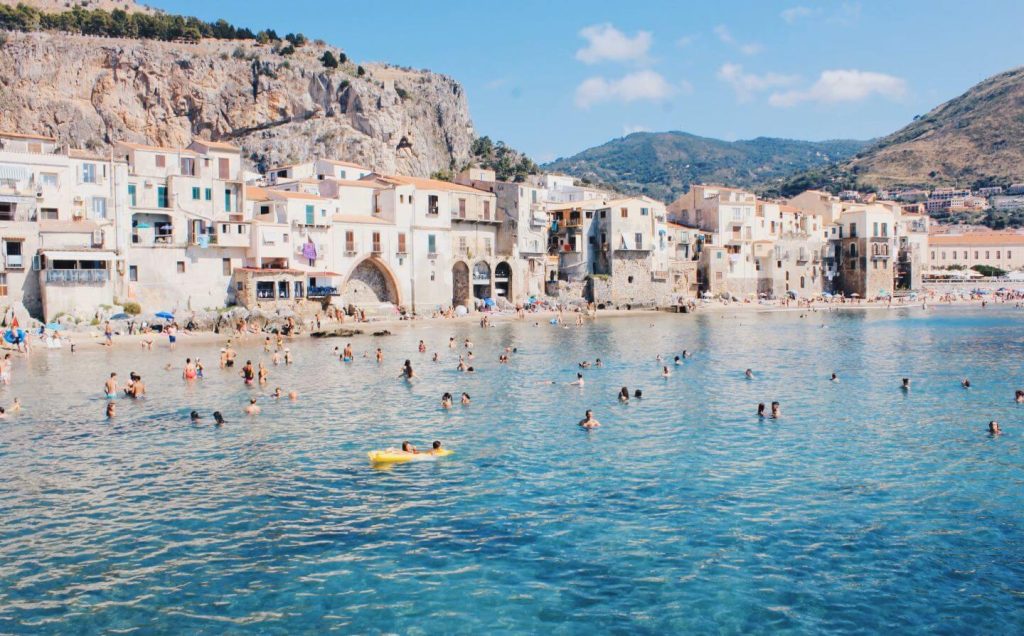
Organizing an itinerary around beaches in Italy requires balancing transportation logistics with regional variety. Some destinations work best as short trip additions to a city itinerary, while others justify longer coastal stays.
For travelers prioritizing convenience, towns with beaches within walking distance of hotels and restaurants simplify summer travel considerably. Monterosso, Tropea, and San Vito Lo Capo are particularly practical for this style of itinerary.
Island-focused trips require more planning. Sardinia and Sicily offer many beaches and stronger opportunities for boat excursions, but travelers should account for ferry schedules, rental cars, and seasonal accommodation shortages.
A typical seven-day route might focus entirely on one region, such as Puglia or Sicily. A 10-day itinerary could combine Rome with the Amalfi Coast and Calabria, while a 14-day trip allows travelers to include both islands and mainland coastlines.
Packing also varies by destination. Pebble beaches and rocky coves often require water shoes, while exposed southern coast areas demand strong sun protection and extra water during summer.
With thoughtful planning, travelers can experience Italy’s coast at a luxurious pace, moving between historic towns, protected bays, and some of the Mediterranean’s most memorable swimming spots.
