

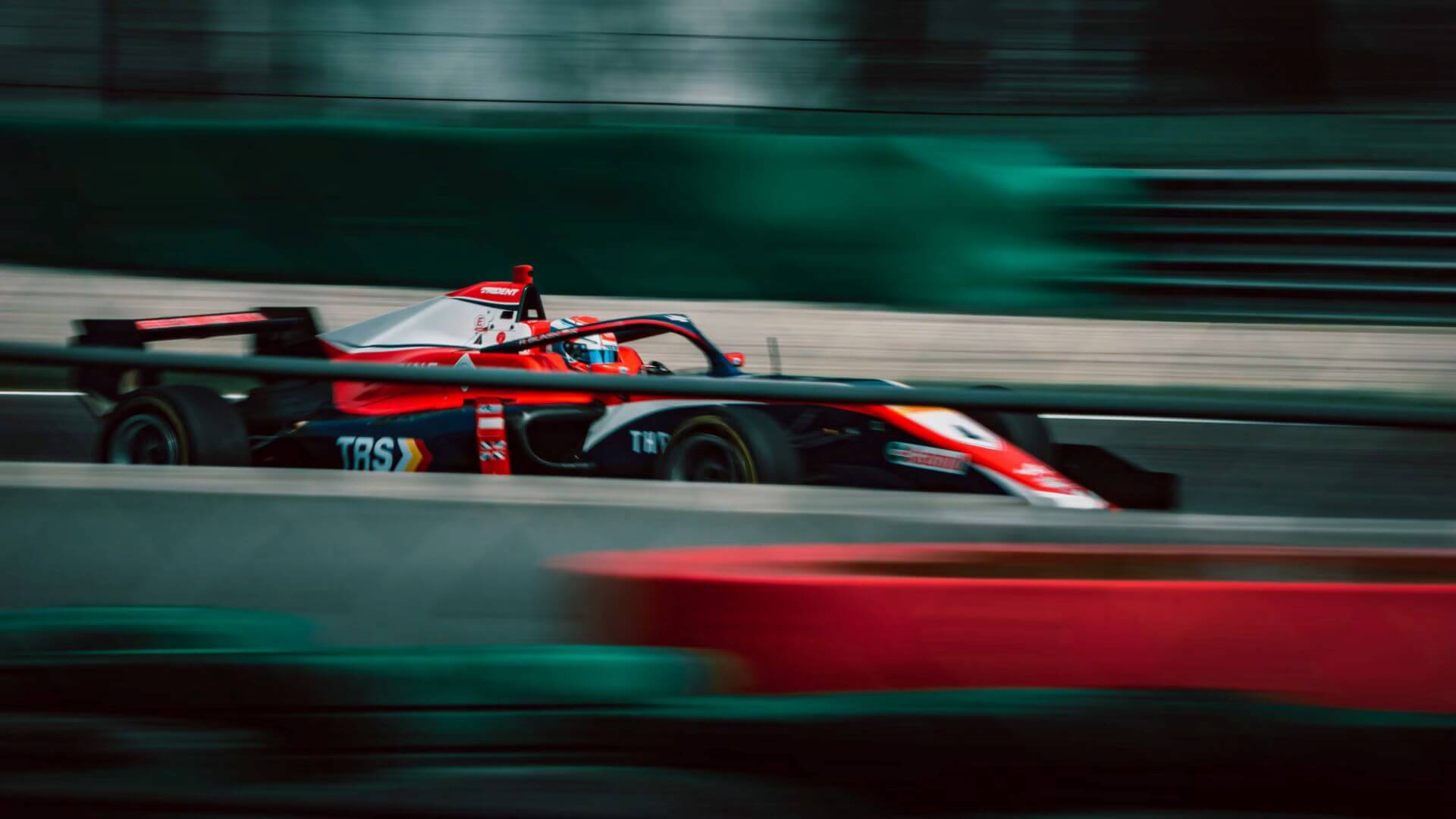
The Formula 1 lifestyle combines elite athletic training, engineering discipline, and global entertainment, and the glamour visible on screen depends on a routine with very little slack. A driver who reaches the podium at a Grand Prix has usually spent the week in simulators, briefing rooms, hotels, and airports. This article looks at what that routine involves, from the physical load inside the cockpit to the audience that now follows the sport across the world, and why Formula 1 is treated as a lifestyle and entertainment property as much as a sport.
The physical load inside the cockpit
A modern Formula 1 car puts the body through forces few other athletes face. Drivers experience up to 5G during hard braking and cornering, so the head and helmet press down with several times their normal weight. To hold steady, drivers must build neck muscles able to support roughly 90 pounds of force, and weighted harnesses and resistance work are a standard part of their training.
The cardiovascular demand is just as severe. Heart rates stay above 170 beats per minute through high-speed cornering, and cockpit temperatures can reach 50°C on hot race days. A Grand Prix runs for up to two hours, which means concentration has to hold long after the body is tired. Of all the aspects of the job, this is one that broadcasts convey only in part. A driver who loses focus for a moment in the final laps can lose a position, so the physical work is also a mental one. A love of racing gets drivers to the grid, but conditioning keeps them competitive once they are there.
Training, diet, and recovery
Weight matters in a car where every kilogram counts, so drivers keep a lean physique while still eating enough to fuel peak performance. Meals are planned around training load and the race calendar, with close attention to hydration and carbohydrates before a heavy session. Even small details, such as the timing of a meal before qualifying, are worked out in advance with nutritionists and trainers.
Routines are designed to maximize recovery and maintain physical fitness through the entire season. That usually means protected sleep, physiotherapy and massage between sessions, and strength and cardio work that carries on even in a busy race month. Recovery is scheduled like any other session. In a sport where the car gets most of the credit, the driver’s body is the component that has to be maintained for nine months.
What a race weekend demands
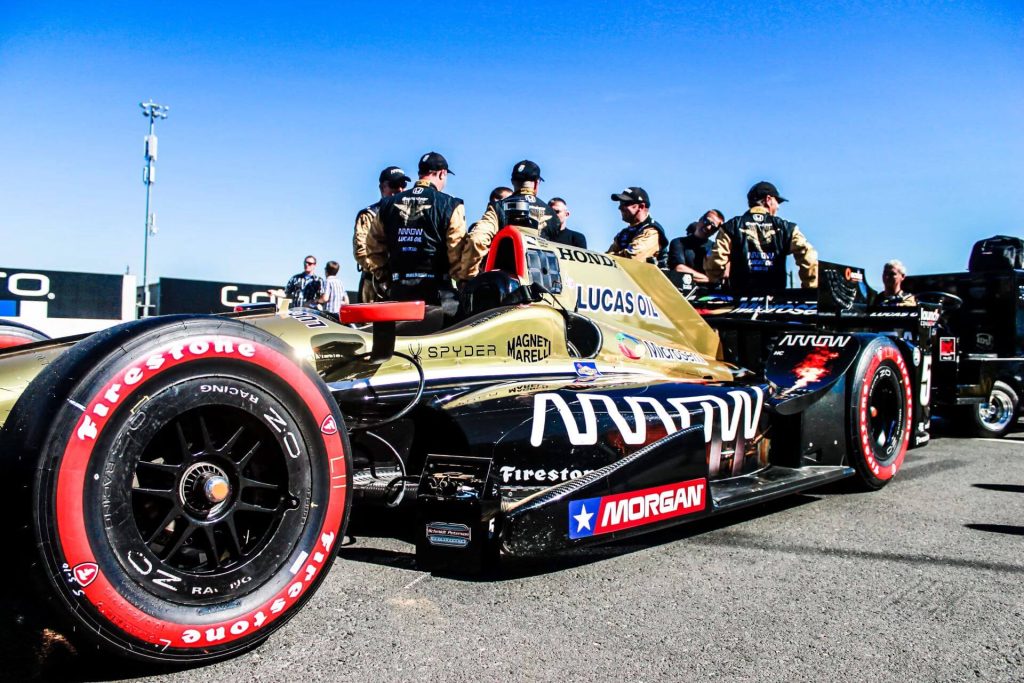
A race weekend rarely leaves a free hour. Drivers move between engineering meetings, media interviews, and practice sessions. They talk through tire wear, braking points, and setup changes with their engineers, go over telemetry, and then head back to the garage before facing the press room. The days start early and end late, and the debrief after each session influences the next one. Qualifying sets the grid on Saturday, and Sunday’s race closes the weekend. On the six sprint weekends in 2026, the schedule is compressed further.
Under that pressure, the paddock forms a tight community. Drivers, engineers, and mechanics spend most of the year in the same places, and the shared experience of long weekends and hard losses creates a camaraderie that rivals can keep even while fighting for the same corner. Many drivers also know each other from junior categories, so the friendships often predate the careers.
Life on the road: Races, hotels, and jet lag
The F1 season features up to 24 races across five continents. The 2026 schedule opened in Melbourne in March, added a Madrid debut in September, and ends in Abu Dhabi in December. A number of rounds sit in markets with very different climates and time zones, which means each trip carries its own logistical puzzle for drivers and crews alike. Teams string rounds into double-headers and triple-headers, so a driver can leave one time zone for another within days.
Drivers spend upwards of 200 days a year living out of hotels, and the routine of packing, flying, and adjusting never fully stops. Jet lag affects sleep, reaction time, and mood, so a driver flying from Asia to North America has to manage rest as carefully as training. The summer break is one of the few stretches where the suitcase stays closed.
The private life behind the public one
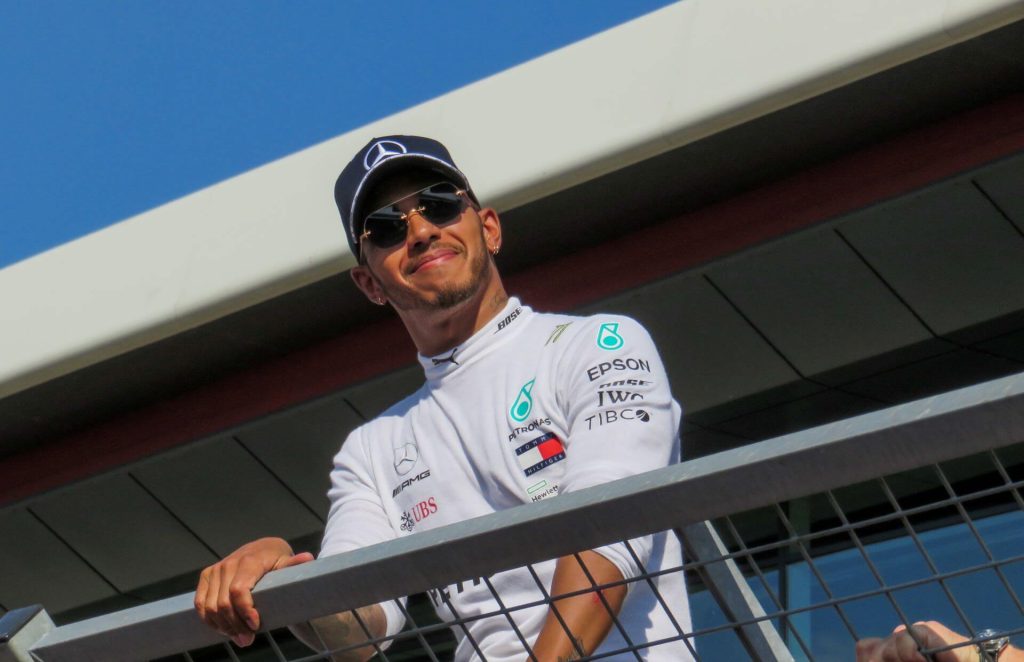
Relationships and a normal private life are hard to sustain when scrutiny follows drivers from the paddock to the hotel lobby. Friends and partners learn to share a person with a calendar that belongs to a team, and to the fans who watch every move.
Much of that attention was amplified by Netflix’s Drive to Survive, a series created by the production company Box to Box Films. It premiered in March 2019, and its eighth season arrived on 27 February 2026. That timing, just before the season starts, gives fans a recap of the previous year as the new one begins. By showing scenes from garages and motorhomes, the series turned engineers, team principals, and rookies into recognizable characters, with all the drama of rivalries and midfield teams trying to survive. The same exposure that grows the sport also trims privacy.
Drivers also take on media and sponsor commitments beyond racing: brand events, photo shoots, and appearances that fill the gaps between sessions. These are things the job requires, and they sit on top of the training and the travel.
What defines the Formula 1 lifestyle off the track?
The Formula 1 lifestyle blends elements of sport, engineering, and entertainment, and nowhere is that more visible than at the Monaco Grand Prix. Race week there features glamorous parties and events, from yacht gatherings in the harbor to charity evenings where drivers have appeared on the catwalk, as they did at the Amber Lounge fashion show in 2016.
That mix is why F1 is now considered a lifestyle and entertainment property. Fashion houses, watchmakers, hospitality providers, and streaming platforms all play a part in how the championship is presented, and the weekend is built as much around the paddock’s social calendar as around the track. For many visitors, the exciting part of a Grand Prix is the full event: the practice sessions, the concerts and fan zones, and the evenings in the harbor.
Who follows Formula 1 today
Formula One is a genuinely global sports property, and its audience has changed in recent years. A third of its fans are now under 35, and F1 has exceeded a 40 percent female split in key markets. Its 2025 Global Fan Survey, drawn from more than 100,000 responses in 186 countries, found that women account for three in four new fans.
Those stories are told through streaming, social media, and shared content as much as through broadcasts, which helps explain why a sport once seen as a niche interest now draws a younger and more varied crowd.
Why brands follow the grid
That audience is exactly what sponsors want to reach. In May 2025, PepsiCo announced a worldwide multi-year partnership covering Sting Energy, Gatorade, and Doritos, and the company is using F1 to launch products in specific markets, with Sting available in 34 markets and set to expand.
Partnerships of this kind allow brands to engage diverse audiences across age groups and regions. They also provide local reach in developing markets, where a regional round such as the Singapore Grand Prix gives a global platform a nearby stage. For Filipino fans, it is one of the nearest races on the calendar. According to F1’s own survey, 76 percent of respondents believe sponsors enhance the F1 experience.
Where discipline and lifestyle meet
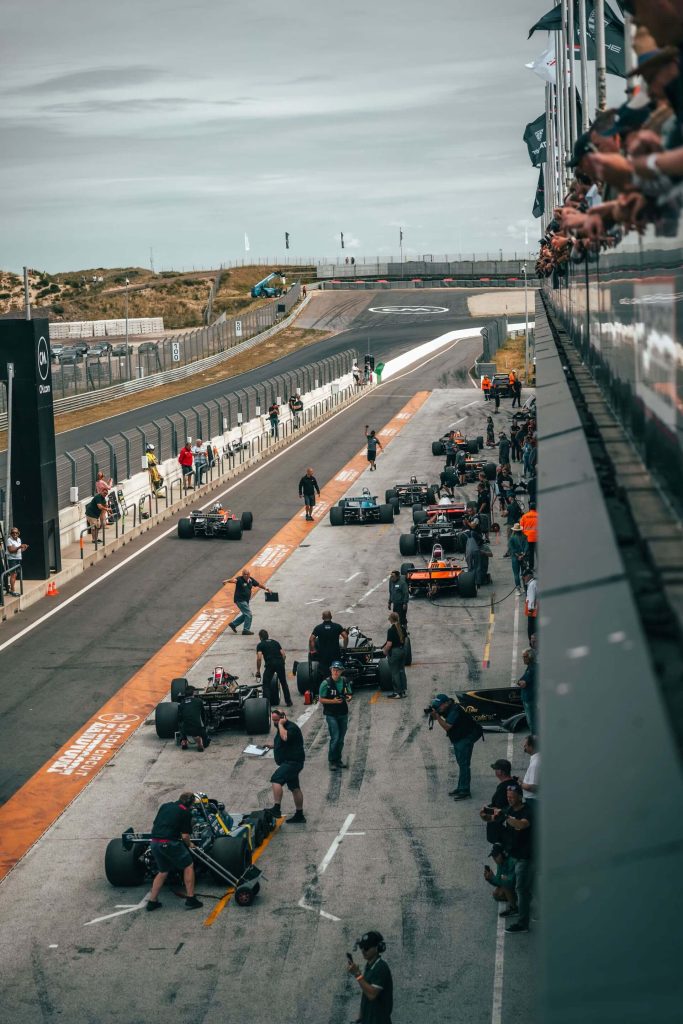
The Formula 1 lifestyle looks effortless from the grandstands, yet it rests on training, travel, and recovery that continue well after the lights go out. Drivers earn their place through physical conditioning and long weeks away, while the sport around them has grown into a worldwide entertainment property.
