

Investment patterns are increasingly pointing toward emerging investment locations where infrastructure, demographics, and economic development converge to create long-term value. While the more established, best cities in prime locations hold pricing power and continue to attract capital, most markets and investors are expanding their focus on emerging markets and previously underdeveloped areas that offer stronger growth potential, competitive property prices, and increasing investor confidence. In today’s environment, identifying the right location often depends on recognizing early signs of transformation before they become widely accepted.
Across the Philippines and around the world, emerging opportunities, especially in the sphere of real estate investments, are facilitated by infrastructure projects, digital industries, population growth, and changing business priorities. From commercial real estate and data centers to residential communities in strategic locations, these new wealth corridors illustrate how investment increasingly follows long-term fundamentals rather than short-term trends.

Why emerging locations are gaining traction
The past decade has shown that many of the strongest-performing real estate markets were once overlooked. The number of early investors who recognized improving infrastructure, economic policies, and demographic changes is low relative to industry, but often benefited from stronger appreciation and higher rental income as demand increased.
Institutional investors and private equity firms are reinforcing this trend. Rather than concentrating solely on mature markets, institutional capital is increasingly moving into emerging areas where assets remain relatively affordable but show strong demand and long-term investment value. Many of these other markets also provide better opportunities for operational efficiency, allowing investment properties to generate healthier cash flow while maintaining room for future growth.
A stable economy, transparent regulatory environment, and strong rule of law remain important factors that encourage both domestic and foreign investors. Predictable policies reduce uncertainty, making it easier for developers and businesses to commit private investment that supports sustained economic growth.
The drivers behind tomorrow’s emerging markets
No single factor creates an investment destination. Instead, several conditions often work together to transform emerging locations into attractive real estate markets.
Infrastructure remains one of the strongest indicators. Major highways, railway systems, airports, and ports improve accessibility, connecting residential communities to employment centers and commercial spaces. Planned infrastructure projects frequently become early signals that surrounding properties may appreciate over time as travel becomes easier and businesses expand.
Accessibility also influences rental demand. Homes located near transport networks, schools, hospitals, and key establishments are in high demand as they appeal to professionals, students, and growing families who prioritize convenience. Neighborhoods with parks, restaurants, and lifestyle hubs further strengthen long-term value by encouraging residents to remain in the area.
Population trends also matter. Regions experiencing population growth, urbanization, and expanding middle-class communities often experience growing demand for housing. Job creation naturally increases demand for rentals, supporting rental yield while helping maintain relatively low vacancy rates.
Another indicator is economic diversification. Cities that rely on multiple industries generally withstand economic cycles better than those dependent on a single sector. As governments encourage manufacturing, technology, tourism, renewable energy, and digital services, these markets become increasingly attractive for both commercial developments and residential investment.
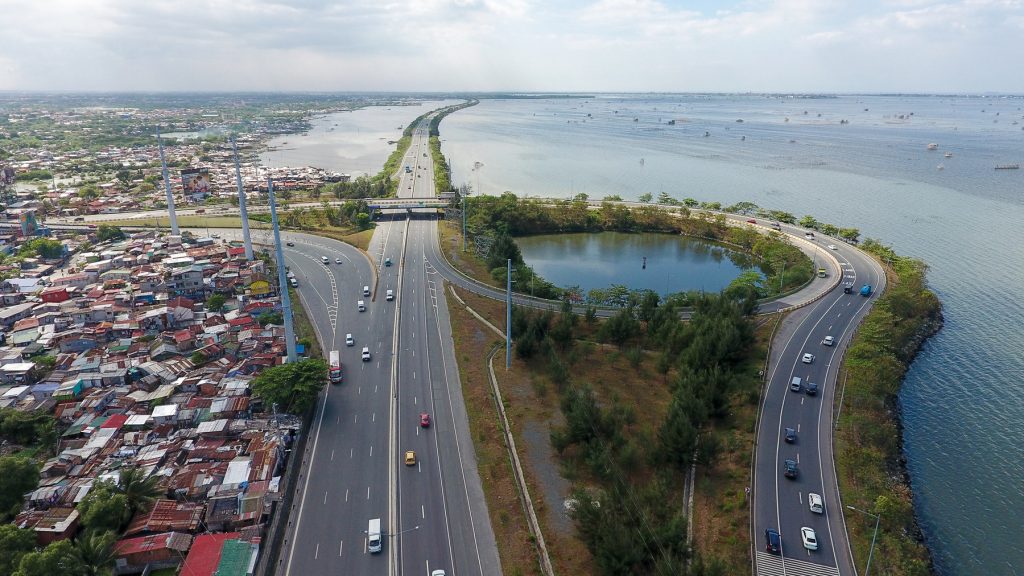
The role of infrastructure projects and demographics
The Philippines continues to benefit from strong demographic fundamentals. A young workforce, steady urbanization, and continuing infrastructure investments are supporting demand across several emerging locations beyond traditional business districts.
Quezon City remains one of the country’s most resilient investment destinations. Its concentration of universities, hospitals, government offices, and business districts creates consistent rental demand throughout the year. Combined with ongoing commercial developments and transport improvements, the city continues to offer attractive rental yields alongside long-term appreciation.
Batangas is also attracting growing attention as one of the country’s promising emerging investment locations. Industrial expansion, port activity, tourism, and improved road infrastructure continue to strengthen economic development across the province. As more businesses establish operations, demand for residential communities and commercial real estate is expected to increase.
Within Batangas, Santo Tomas has gained momentum because of its strategic location near industrial corridors while maintaining convenient access to Metro Manila. This balance between employment opportunities and residential appeal positions the city for sustained future growth.
Davao City has similarly strengthened its reputation as a major investment destination outside Luzon. Continuous infrastructure improvements, expanding commercial spaces, and population growth have supported increasing investor confidence. As businesses continue to establish operations in Mindanao, the city’s diversified economy creates conditions for stable long-term investment.
Beyond these established growth centers, emerging opportunities are appearing in areas where infrastructure is unlocking new possibilities. Subic continues to benefit from logistics, tourism, and industrial activity surrounding its freeport zone. Meanwhile, Bataan is drawing attention through manufacturing investments, renewable energy initiatives, and infrastructure improvements connecting it more efficiently to Central Luzon and Metro Manila.
In Cavite, Bacoor and Dasmariñas remain among the province’s fastest-growing residential corridors. Their accessibility to Metro Manila, expanding commercial establishments, educational institutions, and improving transport networks continue to attract families, professionals, and investors seeking properties with strong long-term value.
Investment themes that boost investor confidence
The search for emerging markets extends well beyond residential property. Institutional investors are increasingly diversifying across asset classes that support modern economies, creating opportunities in both traditional and alternative sectors.
Digital infrastructure has become one of the fastest-growing areas of investment. The expansion of artificial intelligence, cloud computing, and digital services has fueled demand for data centers, which now rank among the most sought-after institutional-grade assets.
At the same time, the clean energy transition is directing capital toward renewable resources, battery manufacturing, and regions rich in critical minerals. Across Africa, for instance, natural resource wealth continues to attract private investment, while several Middle Eastern economies are pursuing economic diversification to reduce dependence on oil revenues and encourage technology, tourism, and financial services.
Cold storage facilities have also emerged as an increasingly attractive asset class. Growth in food logistics, pharmaceuticals, and e-commerce has created steady demand for temperature-controlled warehouses, leading many private equity firms to view cold storage and outdoor storage as resilient long-term investments that generate stable cash flow.
Asia-Pacific continues to stand out as one of the world’s strongest growth regions. For instance, India’s real estate market, supported by rapid urbanization, infrastructure expansion, and a growing middle class, is expected to experience significant growth over the coming years. Across many emerging markets in Asia, Latin America, Africa, and Eastern Europe, governments are introducing tax incentives and improving the regulatory environment to attract institutional capital and strengthen investor confidence.

Recognizing opportunities before they become mainstream
While every market has unique characteristics, successful real estate investing often begins with recognizing patterns rather than chasing headlines. Emerging investment locations frequently share common indicators that signal sustainable growth.
Strong infrastructure investments improve productivity and accessibility. Population growth creates housing demand. Expanding employment opportunities support steady demand for rentals. Commercial developments bring new amenities that strengthen lifestyle appeal, while schools, hospitals, and transportation networks improve everyday convenience for residents.
Another sign is the gradual transformation of neighborhoods. Previously underdeveloped areas may experience property value boosts as new businesses, mixed-use districts, and public investments encourage higher property values. Combined with healthy consumer demand and a growing middle class, these changes often strengthen both rental income and long-term appreciation.
Although no investment is without risk, markets supported by sound economic policies, political stability, and diversified industries generally provide stronger foundations for sustainable growth than locations driven by short-term speculation alone.
Commercial real estate in the local and global market
As global capital continues to identify new wealth corridors, investors are increasingly balancing established markets with emerging locations that offer stronger future growth. Infrastructure, accessibility, demographic expansion, and economic diversification remain among the most reliable indicators of long-term value, whether evaluating Metro Manila, Southern Luzon, Davao City, or other high-growth regions worldwide.
For property investors, the objective extends beyond purchasing real estate. It involves understanding how location, infrastructure, demand, and economic momentum interact over time. Markets that demonstrate these fundamentals today are often the ones that define tomorrow’s investment landscape.

Final thoughts: Invest where tomorrow’s opportunities begin
Crown Asia continues to expand into high-growth areas where infrastructure, business activity, and population growth support long-term property value. In Subic, Subic Bay Luzerra benefits from the area’s thriving logistics, tourism, and industrial sectors. In Bataan, Aymara is positioned to capitalize on the province’s growing manufacturing base and major infrastructure investments.
In Bacoor, Bacoor Ponticelli Groves, Siena, and Trieste offer premium living in one of Cavite’s most connected cities, supported by ongoing road developments and strong demand from Metro Manila commuters. In Dasmariñas, Crown Asia strengthens its presence via Pontello in a key educational and commercial hub with sustained residential demand and expanding economic activity.
Meanwhile, in Santo Tomas, Batangas, Verdalia is strategically located within a fast-rising industrial corridor, benefiting from increasing commercial investments, manufacturing growth, and improved regional connectivity.
Together, these locations demonstrate Crown Asia’s strategy of developing premium themed residential communities in emerging investment destinations where accessibility, economic expansion, and long-term appreciation create enduring value for homeowners and investors alike.
