

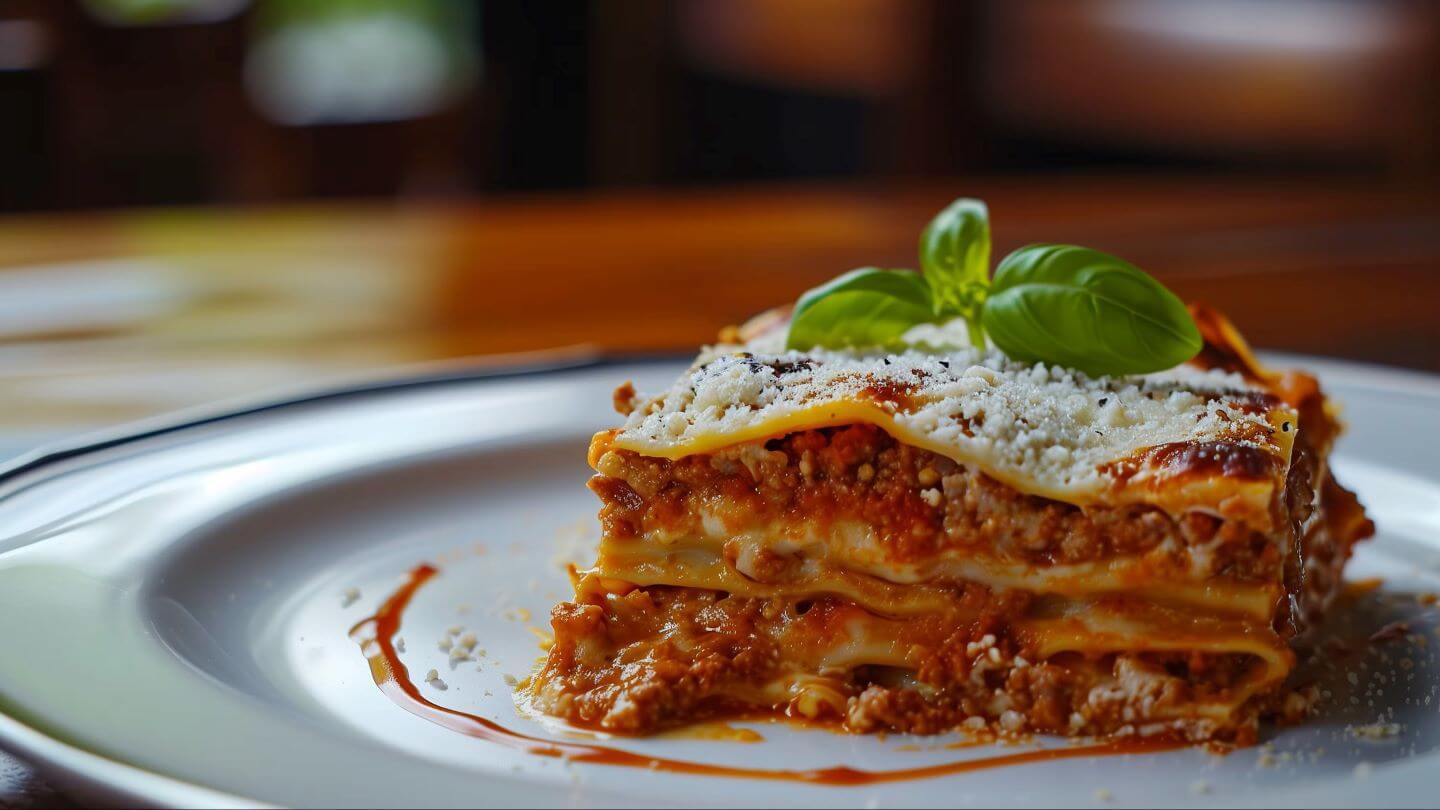
Few dishes capture the warmth of Italian food quite like lasagna. Rich, layered, and deeply satisfying, it has become a favorite around the world. Yet many versions served outside Italy differ significantly from the traditional preparation. An authentic lasagna recipe focuses on balance rather than excess, combining a slow-simmered meat sauce, delicate pasta, creamy béchamel sauce, and carefully selected cheeses.
For home cooks searching for the best lasagna recipe, understanding the traditional techniques behind an Italian lasagna recipe can transform the dish from a simple casserole into something truly memorable. Known in Italy as Lasagne al Forno, this classic preparation rewards patience, quality ingredients, and careful assembly.
lasagna noodles, al dente,
What makes an authentic Italian lasagna?
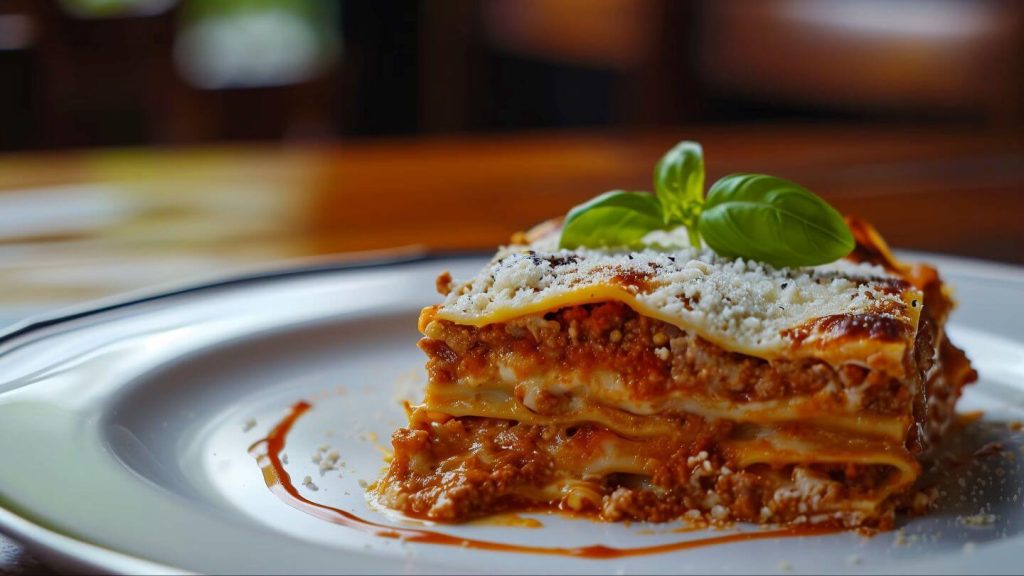
One of the biggest surprises for people exploring an authentic lasagna recipe is discovering that traditional lasagna uses béchamel sauce instead of ricotta cheese. While ricotta-based versions are popular in many regions, classic Italian lasagna relies on layers of meat sauce and bechamel sauce to create a smoother, more cohesive texture.
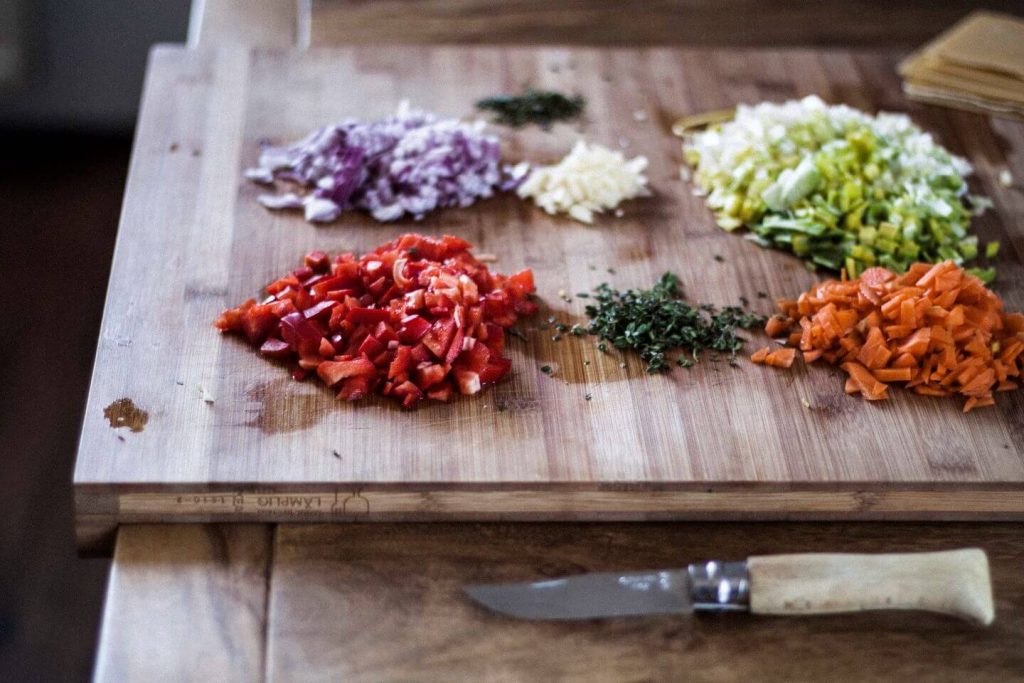
Authentic Italian lasagna also begins with a soffritto, a mixture of finely chopped vegetables cooked gently in olive oil. Typically consisting of onions, carrots, and celery, this foundation contributes depth and complexity to the finished dish.
Another hallmark of traditional Italian lasagna is restraint. Rather than piling on excessive amounts of cheese, the goal is harmony between the pasta, sauces, and seasonings. Freshly ground black pepper, salt and pepper, and quality ingredients often do more for flavor than extra toppings.
Traditional recipes frequently feature San Marzano tomatoes or other high-quality canned tomatoes, allowing the meat sauce to develop richness over time. The result is an Italian lasagna that tastes balanced, layered, and deeply satisfying.
There are legitimate blog sites that have earned the required recipe ratings where you can review recipe variations such as Allrecipes, Taste of Home, and Food Network.
Building the foundation with a rich meat sauce
At the heart of every authentic lasagna recipe is an exceptional meat sauce. This ragu develops flavor gradually, requiring time and attention.
Begin by heating extra virgin olive oil in a large pot. Heat oil over medium heat and add onion along with diced carrots and celery. Using a wooden spoon, cook until softened. Add garlic and continue stirring occasionally until fragrant.
Increase to medium high heat before adding ground beef and ground pork. Some cooks prefer pork mince, while others incorporate italian sausage for additional flavor. Once browned, transfer meat temporarily if needed, then return everything to the same pot.
Next, stir in tomato paste and cook briefly to deepen its flavor. Add tomatoes, including canned tomatoes and diced tomatoes, along with tomato puree and tomato sauce. A splash of red wine adds acidity and complexity, while beef stock helps create a silky consistency. Bay leaves contribute additional depth.
After combining the ingredients, reduce heat and allow the sauce to simmer uncovered for 2.5 to 3 hours. Maintain a gentle medium low heat or low heat throughout the cooking process. Stirring occasionally prevents sticking while allowing the flavors to concentrate naturally.
This extended simmering period is what separates authentic meat sauce from quicker versions. As moisture evaporates, the tomatoes, meat, and aromatics meld into a rich ragu that forms the backbone of homemade lasagna.
Although some modern adaptations use a slow cooker, traditional preparation on the stovetop offers greater control over texture and consistency.
Mastering the béchamel sauce
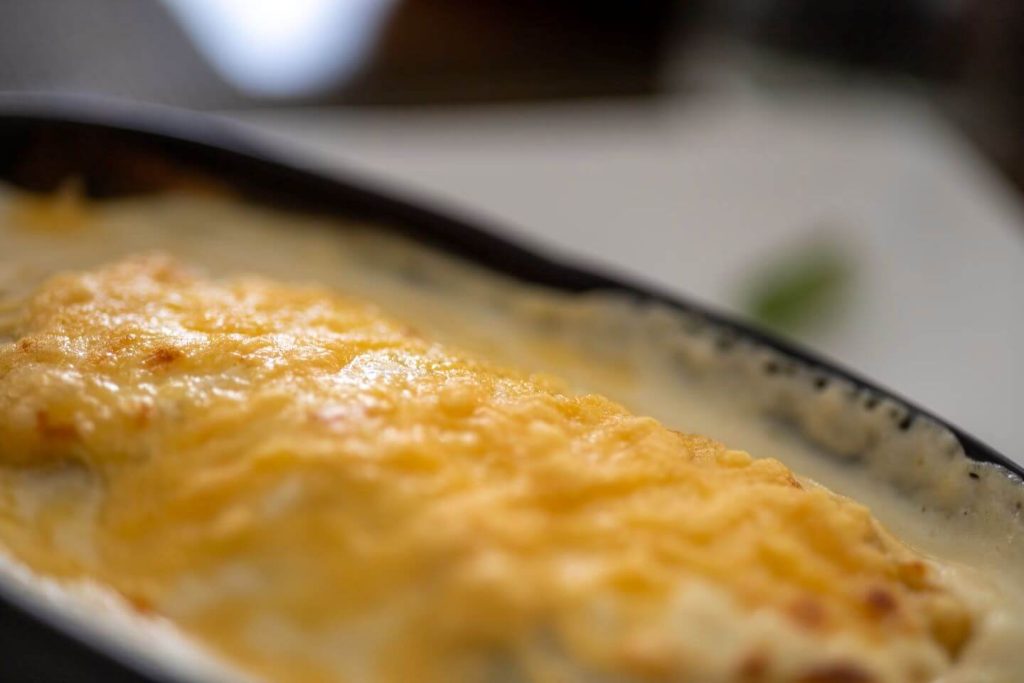
The second essential component of an authentic Italian lasagna recipe is béchamel sauce. This classic white sauce consists of butter, flour, and milk, creating the creamy element that replaces ricotta cheese in traditional versions.
To prepare it, melt butter in a saucepan over medium heat. Add flour and cook briefly, whisking constantly to create a smooth roux. Some mix everything with a food processor. While it hastens the process, the manual way of mixing the ingredients produce a more authentic lasagna taste. Gradually pour in warm milk while continuing to whisk.
A roux (pronounced as ‘roo’) is a mixture of equal parts saturated fat and flour cooked and used for soups, sauces, gravies, and the foundational base for classic French sauces such as Bechamel.
Within about 5 to 7 minutes, the bechamel sauce will thicken into a velvety consistency. Season lightly with salt and pepper and a touch of freshly ground black pepper.
The goal is a sauce that coats the back of a spoon without becoming overly thick. A properly prepared white sauce spreads easily between layers and contributes the luxurious texture associated with authentic Italian lasagna.
Many cooks find this step intimidating, but patience and whisking constantly are usually enough to ensure success.
Choosing the right pasta for homemade lasagna
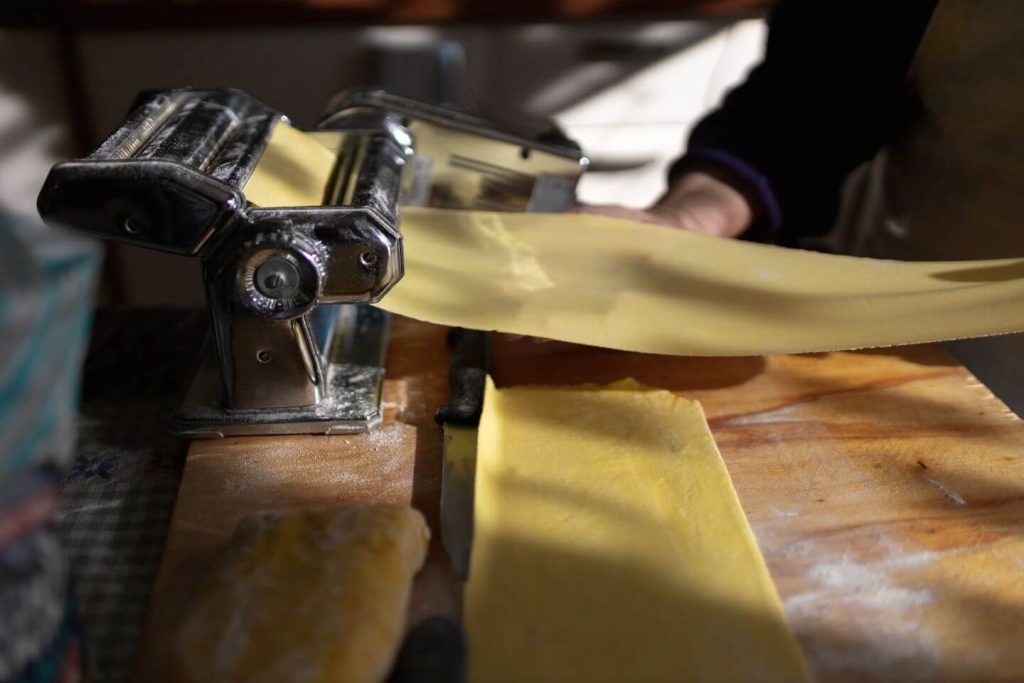
The pasta itself plays a significant role in the final result. While dried lasagna sheets are widely available, many Italian cooks prefer fresh lasagna sheets because they deliver a softer texture and more even layers.
Fresh pasta generally requires less preparation and often eliminates the need for pre-boiling. Fresh lasagna sheets are typically found in the refrigerated section of specialty grocers and larger supermarkets.
Dried lasagna sheets can still produce excellent results, but they occasionally curl while cooking and may create uneven layers in the baking dish. Some cooks use no boil noodles for convenience, though these products can absorb too much liquid and alter the intended texture.
For those seeking the most authentic experience, homemade pasta offers another option. Making your own pasta sheets requires additional effort, but the texture and flavor can be exceptional.
Whether using fresh pasta, dried lasagna sheets, or your own pasta, aim for four to five layers of pasta throughout the dish. This creates the proper ratio between sauce and noodles while maintaining structural integrity.
How to assemble lasagna like an Italian cook
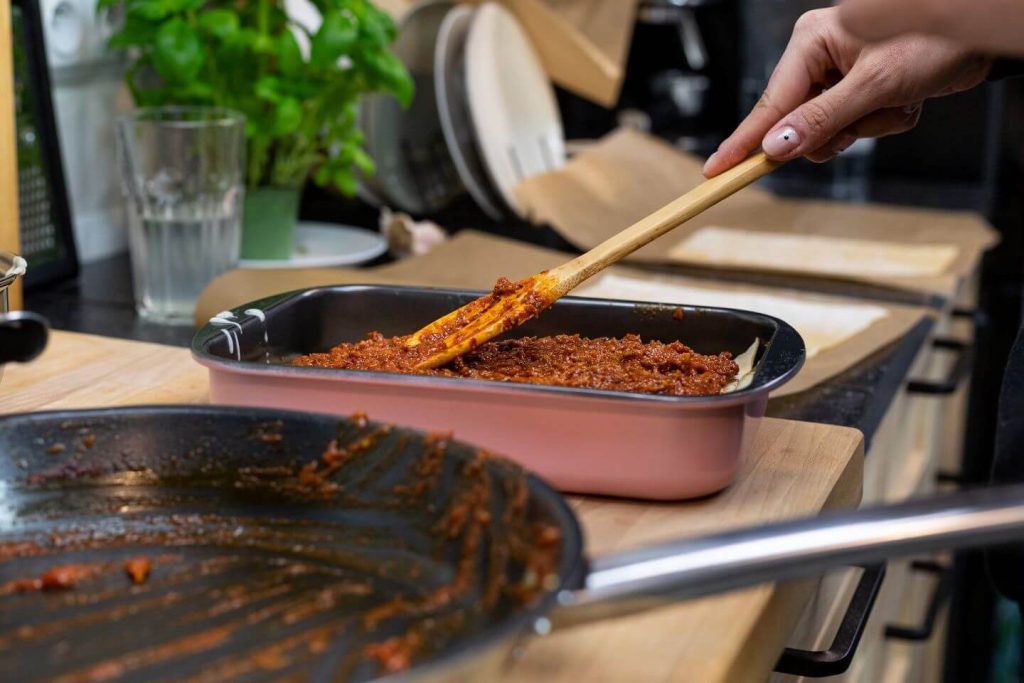
Making lasagna successfully depends as much on assembly as it does on ingredients. A standard 9×13-inch baking dish provides the ideal size for most recipes.
Start by spreading a thin layer of meat sauce across the bottom of the baking dish. Beginning with sauce helps prevent the first layer of pasta from sliding during serving.
Place a layer of pasta over the sauce, then add additional meat sauce followed by a layer of béchamel sauce. Continue building the lasagna in this sequence, ensuring the sauces are distributed evenly. Layer sauces evenly from the beginning so there is enough for all four or five layers of pasta.
As the layers build, sprinkle mozzarella cheese and Parmigiano Reggiano between selected sections. Low-moisture mozzarella is generally preferred because it helps avoid a soupy lasagna. While fresh mozzarella offers excellent flavor, excessive moisture can affect the final texture.
Some lasagna recipes include a ricotta mixture, but traditional Italian lasagna typically omits it. Continue layering until reaching the final layer.
Finish with white sauce, mozzarella cheese, Parmigiano Reggiano, and a light dusting of black pepper. Add cheese generously enough to encourage a beautifully golden brown surface without overwhelming the dish.
Baking, resting, and storing for the best results
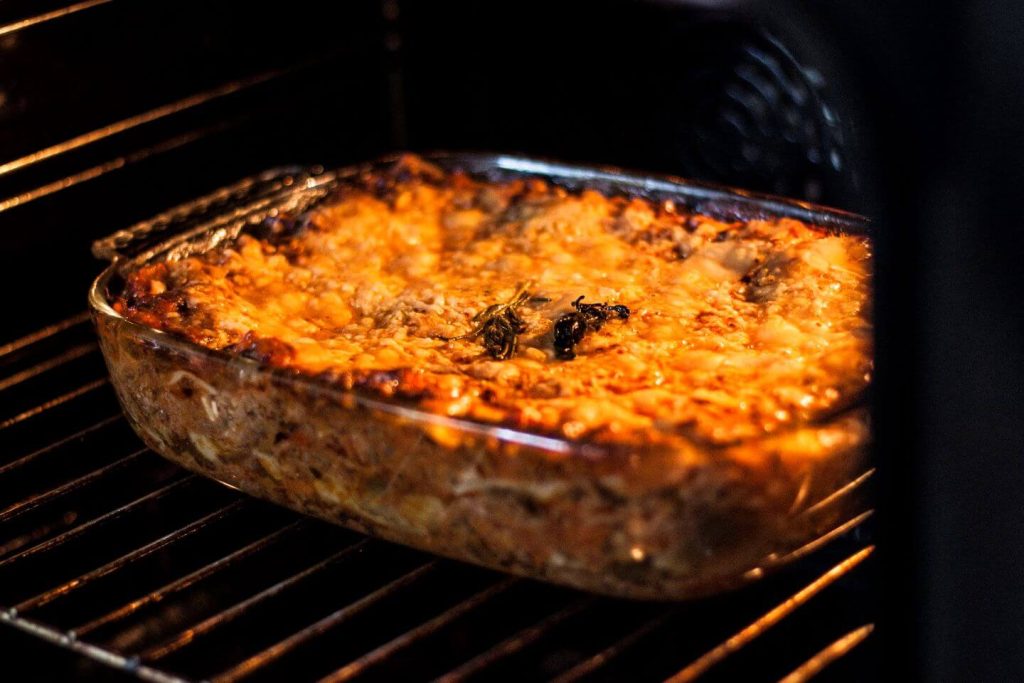
Before baking, preheat oven to 350°F (175°C). Cover the dish with aluminum foil and bake for approximately 40 to 50 minutes.
During the final portion of baking, remove the foil to allow the top to become golden brown. The finished lasagna should be bubbling around the edges while remaining firm enough to slice cleanly.
Resist the temptation to serve immediately. Resting lasagna is essential because it allows the layers to set properly. Let lasagna cool for 15 to 20 minutes before cutting and serving.
Interestingly, many cooks believe lasagna tastes even better the next day. As the flavors continue to meld, the meat sauce and béchamel sauce become even more harmonious.
For meal planning, assembled lasagna can be refrigerated for up to two days before baking. It can also be frozen for up to two months, either before or after baking. Cover tightly with plastic wrap and additional foil for protection.
When ready to use frozen lasagna, thaw it in the refrigerator overnight. If baking directly from frozen, cook covered for approximately 1.5 hours before uncovering to finish browning the top.
Serve alongside garlic bread, adjust salt as needed, and add red pepper flakes for extra heat if desired. While nutrition calories and recipe ratings vary among different preparations, the traditional version remains a timeless favorite among home cooks.
Creating memorable meals at home
An authentic lasagna recipe is a celebration of tradition, craftsmanship, and the pleasure of gathering around a shared meal. From the slow-simmered meat sauce to the silky béchamel sauce and carefully layered pasta sheets, every step contributes to an experience that feels both comforting and refined.
