

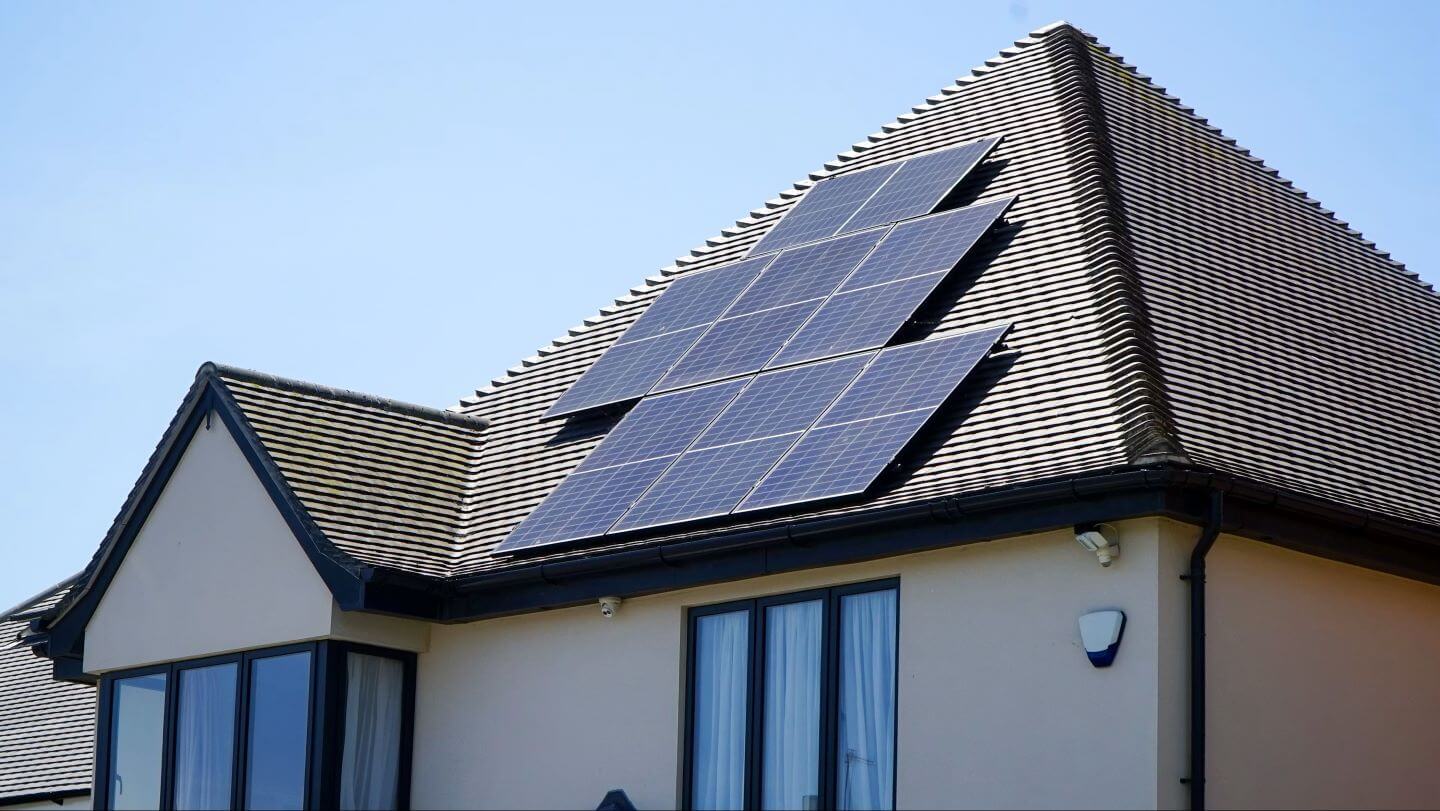
A hot topic these days, solar-powered living has become a practical option for homeowners considering long-term energy costs, energy consumption, and property value growth. With rising electricity costs, increasing utility bills, and stronger government incentives, investing in solar-powered home systems is now synonymous with a strategic solar investment rather than just a sustainability upgrade.
For homeowners evaluating solar power systems or a solar panel setup, the focus is no longer solely on environmental benefits but also on long-term financial benefits, energy savings, and energy independence.
How solar power generates electricity
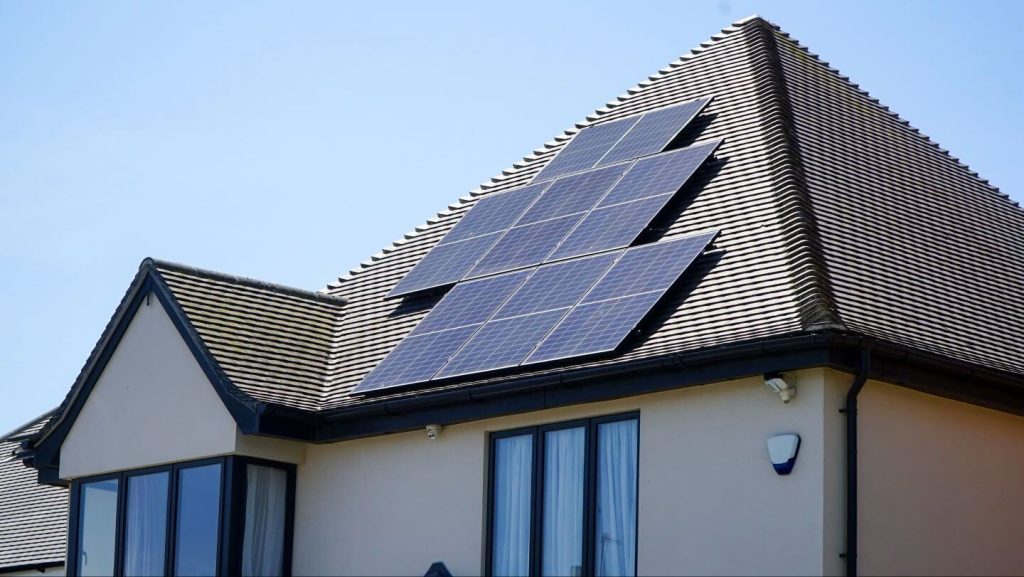
Solar panels use photovoltaic cells to convert sunlight into electricity. These are typically made from silicon-based photovoltaic cells, which allow efficient conversion of solar energy into usable power for all types of needs. In this case, for residential solar energy systems.
A solar energy system works by capturing sunlight through solar panel systems, converting it into direct current, and then inverting it into alternating current to power essential appliances at home. This process allows solar power systems to generate electricity directly for home use while reducing reliance on grid electricity and utility companies.
A solar energy system generates electricity in any climate. However, solar output and energy production are highest with direct and unobstructed sunlight, meaning roof angle, roof condition, and available unshaded space significantly affect performance. Solar energy production is also influenced by system size, electricity consumption patterns, and solar panel installation quality.
Because solar energy is a renewable energy source, solar panels produce electricity without greenhouse gas emissions during operation, helping reduce a household’s carbon footprint and dependence on fossil fuels.
Before making the switch, understand your consumption
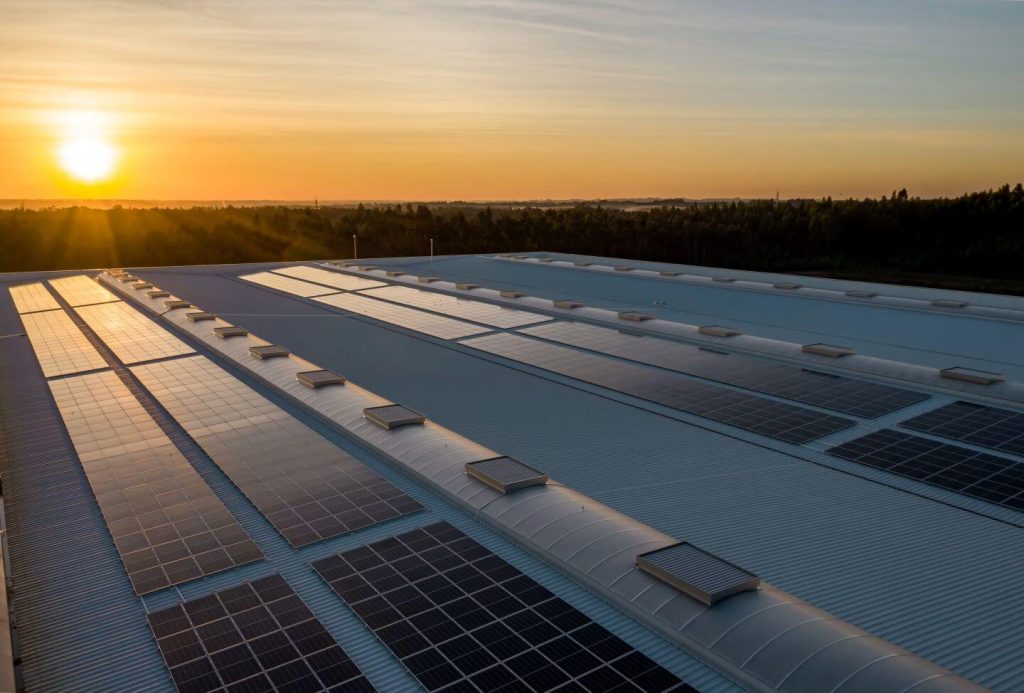
Before installing solar panels, there are other factors to consider such as knowing your energy consumption patterns. Alternatively, you can also use global references as a guide. For instance, in 2022, the average annual energy consumption for U.S. homes was 10,791 kWh, which serves as a baseline for designing solar energy systems.
Homeowners evaluating solar power should analyze electricity bills, monthly payments, and total monthly debt obligations related to utilities. Reviewing monthly debt payments and electricity costs helps determine how much energy is needed and what system size is appropriate.
Energy consumption patterns directly affect how much energy solar panels must generate. This ensures that solar panel systems are properly sized to offset energy bills, reduce electricity costs, and increase energy savings.
Solar energy significantly reduces reliance on grid electricity. Homes with properly designed solar systems can lower monthly energy expenses, reduce utility bills, and stabilize long-term energy costs. Solar power systems also help homeowners better manage monthly income allocation by reducing unpredictable electricity costs.
Upfront costs versus long-term value

The initial cost of installing solar panels is one of the most important considerations for any solar investment. Installing solar panels involves other equipment costs, solar panel installation fees, battery storage systems, and other additional solar system components.
But despite these upfront costs, there are financing options, government loans, and performance-based incentives that help reduce financial barriers. In the U.S., for example, homeowners use solar purchase plans or solar financing options to manage initial investment while benefiting from long-term energy savings.
Monthly solar loan payments are often lower than average utility bills, making solar energy systems a practical solution for reducing monthly expenses. Over time, solar power systems provide financial benefits by significantly lowering electricity costs and reducing dependency on utility rates.
Solar power systems also offer low operating costs after installation. Since solar panels have no moving parts, maintenance costs are minimal, typically limited to occasional cleaning and system inspection once or twice a year.
Before committing to a system, a proper roof inspection is essential before solar panel installation to ensure the structure can support solar panels and maintain long-term performance.
Switching to a solar energy system may be incentivized

Government incentives have a key role in making solar investment more affordable. Citing the U.S. as an example, its federal solar tax credit currently covers 30% of installation costs, including equipment, labor, and system components.
In addition to federal incentives, some states offer state incentives in the form of rebates and performance-based incentives for solar energy systems. Utility companies may also provide one-time rebates or solar incentives that further reduce upfront costs.
These government incentives significantly lower the total cost of solar panel systems and improve return on investment. By reducing initial investment, homeowners can more quickly benefit from energy savings and long-term financial benefits.
What happens to the extra energy generated
Net metering allows homeowners to send excess energy generated by solar panels back to the grid in exchange for energy credits. This system helps offset electricity costs, further reduce monthly utility bills, and essentially save money for its owners.
Solar energy systems also improve energy independence by reducing reliance on utility companies and grid electricity. With battery storage systems, homeowners can store energy generated during the day for use at night or during grid outages.
Backup power systems provide additional protection during power interruptions, ensuring essential appliances continue operating even during grid outages. This makes solar energy systems a reliable energy solution for long-term residential use.
Solar energy also protects homeowners from rising energy costs by locking in energy rates and reducing exposure to fluctuating electricity prices, as evidenced by the recent geopolitical unrest that impacted oil prices.
How solar energy systems promote property value growth
Homes with solar panels often sell at a premium compared to non-solar homes. In the U.S., where these are better documented, studies show that homes with solar energy systems can sell for $15,000 more, while solar panels can increase home value by 3% to 5%.
A 2019 Zillow study also found that solar homes sell faster than traditional homes, showing strong demand for solar-equipped properties. Additional studies suggest solar panels can add 4.1% to a home’s resale value, reinforcing solar energy as a strong property value enhancer.
For property holders, investing in solar is not only about energy savings but also about long-term investment returns. Solar energy systems can deliver approximately 10% annual return when considering energy savings, reduced electricity costs, and increased property value.
Homes in modern residential developments increasingly prioritize solar readiness, especially in master planned communities where energy efficiency is a key consideration for buyers.
Maintenance costs and solar system performance
Solar panels have a long lifespan of 25 to 35 years with proper maintenance, making them a long-term energy solution. Most solar panel systems also come with performance warranties lasting up to 25 years. Most systems require only minimal maintenance, such as cleaning once or twice a year to maintain optimal energy production.
However, system performance depends on several factors, including solar panel installation quality, roof condition, system size, sunlight exposure, and overall energy consumption patterns. On average, it is estimated that residential solar systems may experience around 14% total system loss due to environmental and technical factors.
Even with these minor losses, solar energy systems remain highly efficient and continue to generate significant electricity savings over their lifetime.
Solar energy and modern residential investment planning
Solar-powered home systems are increasingly integrated into modern residential planning, where solar panel systems and energy consumption efficiency are becoming bigger considerations.
Developers and homeowners are now prioritizing solar energy systems as part of long-term investment strategies that reduce operating costs and increase market appeal. In many developments, solar readiness aligns with modern expectations for energy efficiency, financial savings, and sustainable living.
As solar technology advances, solar panels continue to become more efficient, more affordable, and more integrated into residential energy systems, making solar investment increasingly relevant for long-term homeowners.
