

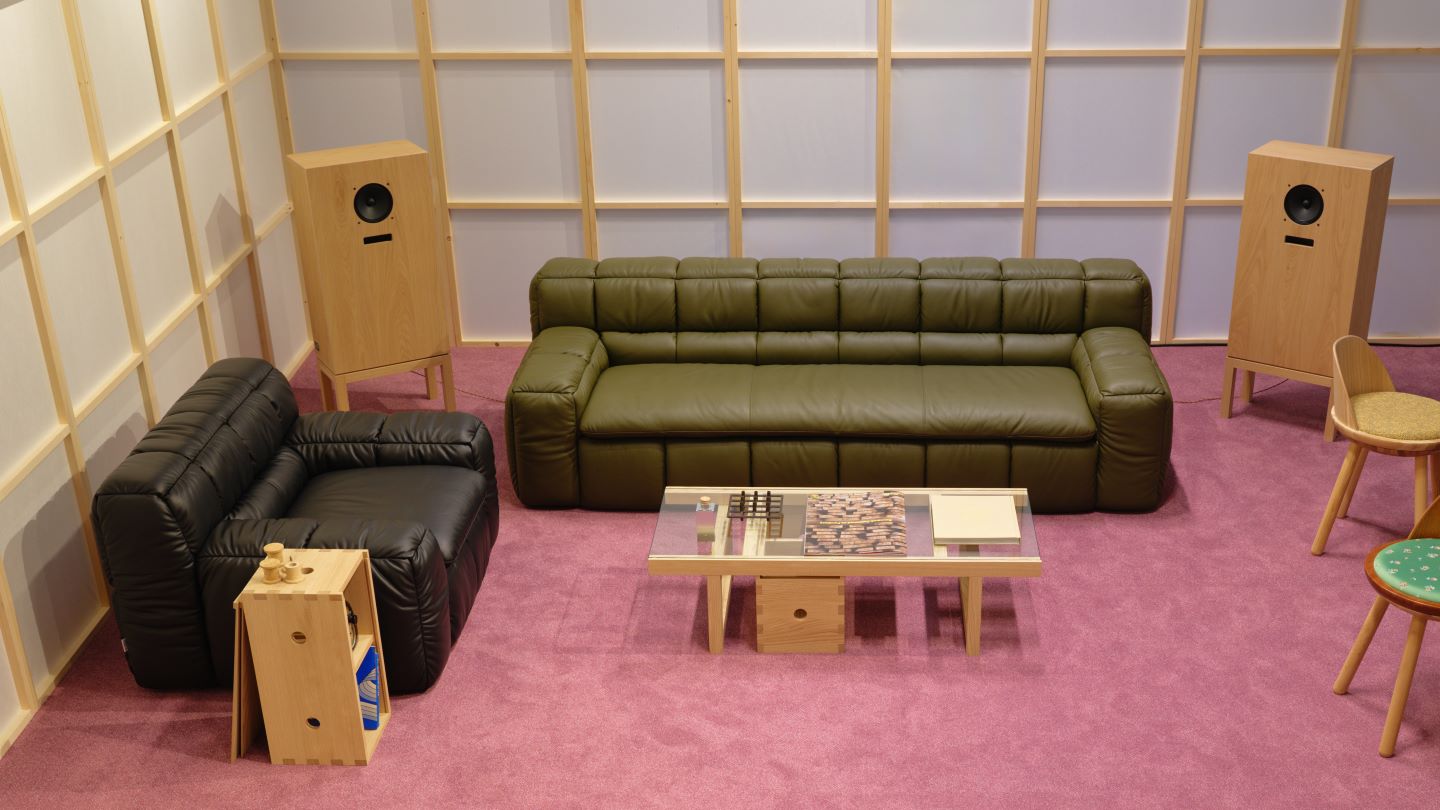
In April, the city of Milan moved through its annual design cycle with the same precision it has refined over the past decade. Milan Design Week 2026—or Salone del Mobile as it is locally known—unfolded as a layered system of exhibitions, installations, and district activations. For industry professionals, it served as a working reference, where ideas in interior design are tested in real space. Now that the week has concluded, the focus turns to what remains useful: the materials, layouts, and decisions that can translate into everyday living.
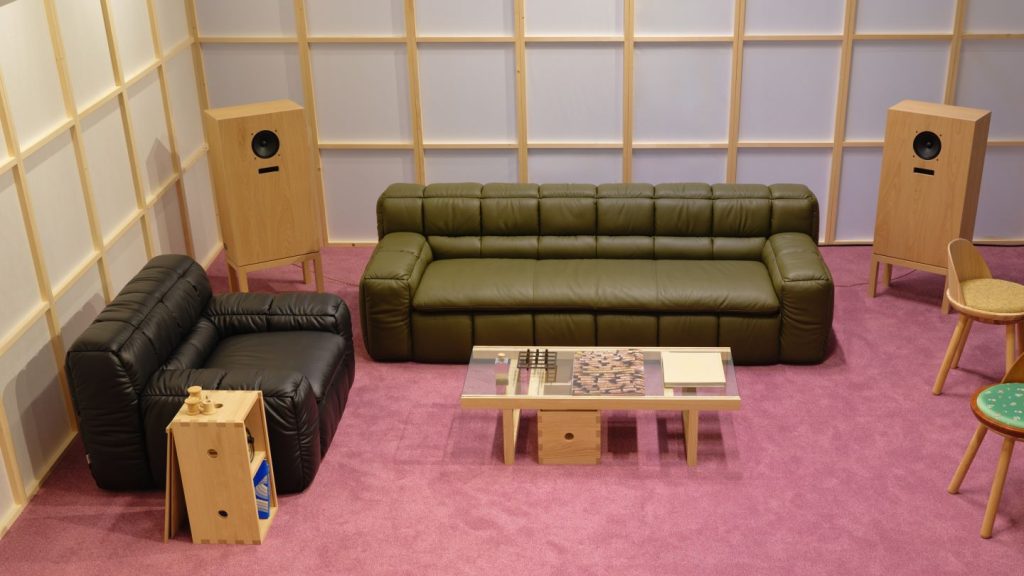
Image from Wallpaper* Magazine
Milan Design Week 2026 in review
The official design week 2026 calendar ran alongside Salone del Mobile, anchoring a citywide program that extended far beyond exhibition halls. Across Milan, key districts functioned as an independent ecosystem, each offering its own interpretation of design week.s
What stood out this year was the consistency in showcase formats. Many successful past showcase formats—from open courtyards to adaptive reuse of historical buildings—returned with clearer creative direction. Instead of overwhelming visitors, the structure of the week made it easier to move between installations and exhibitions, reinforcing Milan’s reputation as a place where design is both presented and tested.
Salone del Mobile highlights
Salone del Mobile remained the center stage for product design and furniture, held at Rho. Inside the exhibition grounds, large-scale installations were used with more restraint, allowing materials and craftsmanship to take priority.
Several key features defined this year’s edition, including a focus on nature inspired elements for design material, particularly wood, stone, and hybrid composites, increased visibility for new collaborations between global brands and independent studios, and a balance between established voices and younger studios gaining traction.
Sections like Eurocucina emphasized functional living, showing how kitchens continue to adapt to compact urban spaces—an idea born out of modern living adaptation in dense cities.
Isola Design Festival
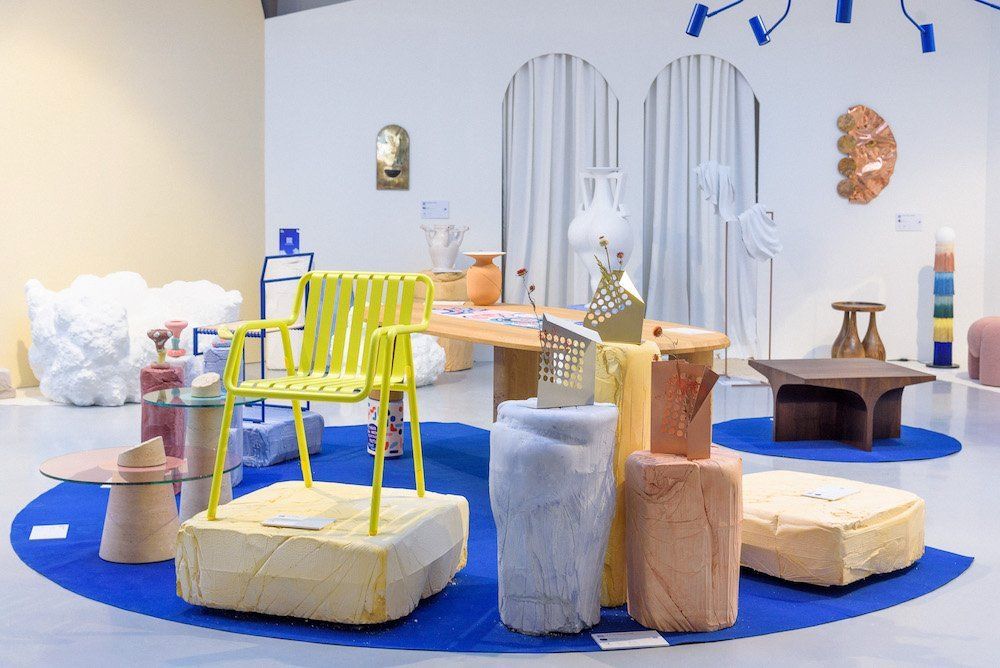
Image from ArchiPanic
The Isola Design Festival continued to build on Isola’s history as a platform for experimentation. In 2026, it operated as a full-fledged festival, with a second site and several new location activations across the Isola neighbourhood.
A key highlight was how emerging talents return year after year, building continuity within the district. One of the key figures of the festival, these emerging talents worked with limited space but showed strong ideas in project execution, often using recycled design material and modular systems.
The district’s layout also succeeded in inviting visitors to explore and discover at their own pace. Unlike larger venues, Isola encouraged slower engagement, but these smaller installations revealed as much insight as larger exhibits elsewhere.
Brera Design Week
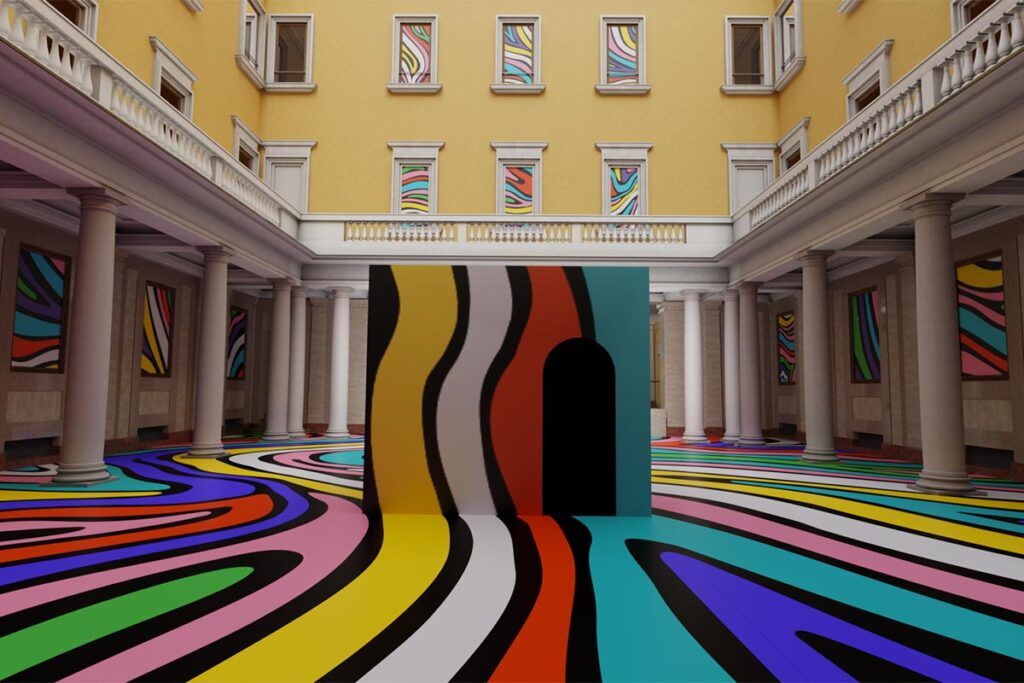
Image from Brera Design District
In central Milan, Brera Design Week took place across compact streets where galleries, courtyards, and historic buildings opened their doors to visitors. Located around the Brera, the district combines galleries, courtyards, and cultural institutions such as Pinacoteca di Brera and Chiostri di San Simpliciano.
Venues like Palazzo Litta hosted refined exhibitions that leaned toward collectible product design. Compared to other districts, Brera emphasized curated interiors with complete room settings that highlighted proportion, texture, and material layering.
Its proximity to fashion week 2026 activities added another layer, where design and fashion audiences overlapped, particularly in late afternoon events and gallery openings.
Installations and collaborations that defined the week
Among the most discussed projects was the collaboration between Range Rover and Storey Studio. Their immersive installation focused on sensory design that explored how light, form, and space interact with movement.
Other notable venues included the Baggio Military Hospital and Villa Pestarini. These sites demonstrated a fearless use of space, transforming non-traditional venues into environments for design exploration.
Across these installations, the emphasis was not just visual. Sound, movement, and material interaction were integrated into the experience, showing how design increasingly operates beyond static displays.
Best events and standout moments from the week
Across Milan, the best events were spread across districts rather than concentrated in one venue. Installations at Salone del Mobile and Brera Design Week drew consistent crowds, especially those featuring international designers presenting new collection pieces.
Smaller local event programs in Isola and Tortona offered free entry, making them practical must-see events for visitors, balancing cost and access. In the evenings, Brera extended activity hours, with galleries adapting schedules to align with fashion week 2026 foot traffic.
Student-led and independent exhibits also stood out, featuring new talents and offering early insight into future interior design directions.
Interior design trends that emerged after the exhibitions
Across districts, certain patterns became clear. The use of natural materials—especially wood—remained consistent, often paired with stone and woven surfaces to introduce texture.
Walls were treated as active surfaces, not just backdrops. Designers experimented with finishes that added depth without relying on decoration. This approach aligns with practical interiors, where durability and maintenance matter.
Lighting also played a central role. Instead of relying on a single source, spaces used layered lighting to define zones within a room. These decisions support modern living, where flexibility is essential.
Kelly Wearstler appeared in several discussions and collaborations, bringing her distinct approach to form, beauty, and style. Her work emphasized sculptural elements that function as both decor and focal points.
Alongside her were established voices, such as Patricia Urquiola, Antonio Citterio, and Piero Lissoni, who continue to influence the direction of design week, as well as independent studios presenting alternative ideas. This contrast between global recognition and emerging experimentation remains one of the defining characteristics of Milan Design Week.
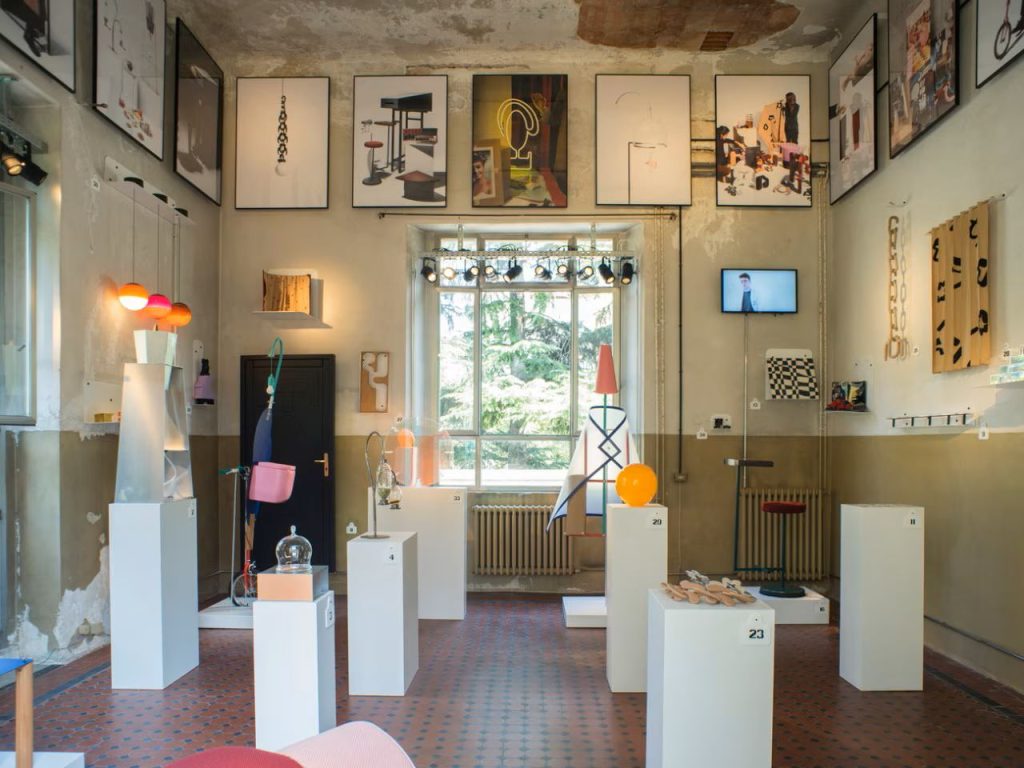
Image from domus
Insights from Milan Design Week to adapt for your home
After Milan Design Week 2026, the challenge for homeowners is translating large-scale ideas into a practical house setting. Rather than copying installations, the more effective approach is to simplify them into everyday decisions.
In many of the exhibits, natural materials were used with restraint, seen in wood accents, woven furniture, and subtle finishes that can be applied at home without major renovation. Lighting followed a similar approach, where layered elements helped define different zones within a space, making a room feel more functional without adding walls.
Equally important was the choice of design material. Across the week, durability was considered alongside appearance, reinforcing the idea that well-designed interiors should support daily use, not just visual impact.
Many workshops and brand-led demonstrations during the week focused on these transitions that showed how global inspiration can translate into accessible design decisions.
What changed this year
The expansion into new locations and the addition of a second site for festivals like Isola indicate a broader direction for future editions of Milan Design Week. These adjustments point toward future possibilities where design week becomes even more integrated into everyday urban life. More than an annual event, it is on track to be a recurring reference for how the world of design continues to create and adapt.
What Milan Design Week 2026 leaves behind
After the installations are dismantled and the exhibitions conclude, what remains are practical insights. Milan Design Week 2026 demonstrated that good design does not rely on scale alone. Instead, it depends on how materials, space, and light are used in context.
For homeowners, this means focusing on decisions that improve daily life. That means electing the right elements, refining layouts, and building interiors that respond to real needs. The value of design week lies in its ability to offer philosophical direction instead of templates to emulate.
