


Warm afternoons often call for something refreshing, and for many households, desserts are part of how families slow down and spend time together. While store-bought treats are convenient, making easy treats like Italian gelato from scratch at home offers a different kind of experience.
Compared to regular desserts, you can have your homemade gelato deliver a smoother texture and a more intense flavor, making it a practical option for those looking to try something new this season. Below, we discuss the right tools and techniques to help you prepare an authentic Italian gelato at home.

Image by Courtney Cook
What makes Italian gelato different from traditional ice cream
Before exploring different Italian gelato recipes, it helps to understand what sets gelato apart from traditional ice cream and even American-style ice cream commonly found in stores.
The difference begins with ingredients. Gelato typically uses more whole milk and less heavy cream, resulting in a lower fat content compared to American ice cream. This allows the flavors to come through more clearly, so each spoonful has more intense flavor.
Another factor is how gelato is churned. Using an ice cream maker or gelato maker, the mixture is churned more slowly than in an ice cream machine. This process introduces less air and reduces the formation of ice crystals, which contributes to its velvety texture.
Finally, authentic gelato is served at a slightly warmer temperature. This makes it softer and allows the taste buds to fully experience the richness of classic gelato flavors.
whipped cream, more ice cream recipes, Sicilian gelato, regular ice cream
A basic gelato recipe to get started
A well-prepared base is essential when learning any gelato recipe. Once you understand this basic gelato recipe, you can easily adapt it to different flavors.

Photo by Vendela Larsson
Ingredients for a gelato base
To prepare a reliable gelato base, gather the following:
- Whole milk or full-fat milk
- A small amount of heavy cream
- Egg yolks
- Granulated sugar
- Vanilla bean or vanilla pod, plus vanilla extract
This combination forms the foundation of many Italian gelato recipes, including gelato alla crema and vanilla gelato.
Step-by-step preparation
Start by warming up the hot milk in a saucepan over medium heat. While it warms, prepare the egg mixture by combining egg yolks and sugar in a mixing bowl, whisking constantly until smooth.
Gradually pour the milk mixture into the eggs to avoid curdling, then return everything to the pan. Cook gently until the custard base thickens into a warm custard consistency.
To ensure a smooth finish, strain the mixture through a fine sieve. Transfer it into a clean bowl and place it over an ice bath to cool. Once cooled, cover with plastic wrap and chill thoroughly.
After chilling for a few hours, pour the gelato mixture into your ice cream maker or gelato maker, following the manufacturer’s instructions.
Once churned, transfer the gelato to a container and freeze briefly before serving. Proper storage helps store homemade gelato while maintaining its texture and preventing large ice crystals.
Classic gelato flavors to try at home
Once your basic recipe is ready, you can begin experimenting with a range of well-loved gelato flavors. These options are simple to prepare and highlight the versatility of homemade gelato recipes.
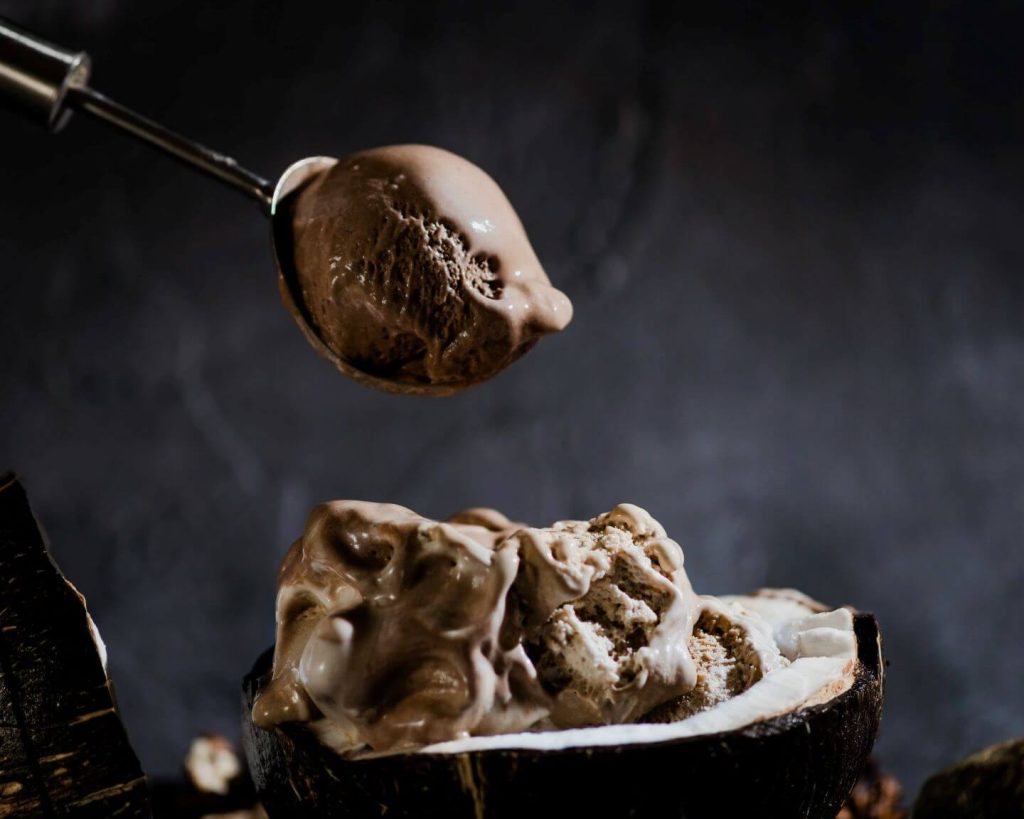
Photo by Tamas Pap
Pistachio gelato
Pistachio gelato is known for its balanced, nutty taste. You can blend finely ground pistachios using a food processor and mix them into the base to create a smooth, creamy gelato with subtle sweetness.
Chocolate gelato
A standard chocolate gelato can be made using cocoa powder or melted chocolate. This version offers a familiar taste while still delivering the softer texture associated with gelato.
Dark chocolate gelato
For a deeper profile, dark chocolate gelato uses dark chocolate, resulting in a richer and slightly more pronounced flavor. This variation works well for those who prefer a less-sweet dessert.
Vanilla gelato (gelato alla crema)
Vanilla gelato, also known as gelato alla crema, is one of the simplest and most adaptable options. Using vanilla bean or vanilla extract provides a clean base that can be paired with other ingredients or enjoyed on its own.
Stracciatella
Stracciatella is made with a fior di latte base, then combined with thin shards of melted chocolate or chocolate chips. The contrast between the smooth base and crisp chocolate pieces makes it one of the most popular authentic Italian gelato varieties.
Exploring variations: from Sicilian to vegan gelato
Beyond the familiar options, there are several variations that offer different textures and ingredients while still maintaining the essence of Italian gelato.
For instance, the Sicilian-style gelato often uses less cream and focuses on fresh milk, which gives it a lighter finish. This approach emphasizes the natural taste of ingredients while maintaining a smooth consistency.
For a stronger flavor, coffee gelato provides a bold option that pairs well with warm beverages or as a standalone dessert.
Those looking for healthier alternatives can try vegan gelato, which replaces dairy with coconut milk. This creates a slightly different texture but still results in a satisfying dessert.
Adjustments such as adding condensed milk or changing the milk ratio can also affect how thick or smooth the final product becomes, allowing flexibility when experimenting with your next great recipe at home.

Image by Mae Mu
Practical tips for making gelato at home
Making gelato at home becomes easier when it fits naturally into your routine. Consistency plays an important role in achieving a successful batch. Small details can make a noticeable difference when you make gelato regularly, especially when you begin to recognize how texture, temperature, and timing work together.
- Use a wooden spoon to check if the custard coats the back evenly. It becomes a reliable visual cue, especially during busy cooking sessions.
- Keep the heat controlled at medium heat to avoid overcooking. A steady temperature prevents the mixture from curdling and allows you to multitask in the kitchen without constant adjustments.
- Allow the base to cool completely before churning. Letting it rest in the refrigerator gives you time to prepare other meals or clean up, while also improving the final texture.
- Use a food processor for smoother nut or fruit blends. This creates a more refined consistency that makes each scoop feel balanced.
- Prevent large ice crystals by sealing containers properly. Proper storage keeps your gelato ready for later, whether for a quiet dessert after dinner or a weekend treat with family.
- Take time to review recipe steps after each attempt. Noting small adjustments, like sweetness or texture, helps you refine your approach and build confidence with every batch.
With practice, even a simple preparation can become an amazing recipe that delivers reliable results.
A simple luxury in your own kitchen
Learning to prepare Italian gelato recipes at home brings together practical skill and a sense of ease that fits naturally into daily life. From mastering a basic gelato recipe to exploring flavors like pistachio gelato or dark chocolate gelato, each step adds familiarity and confidence in the kitchen.
With simple ingredients, the right tools, and a bit of patience, it becomes possible to create desserts with a smooth texture and balanced taste. You may even get results often associated with specialty shops, now made at home, and the process itself becomes part of the reward.
