

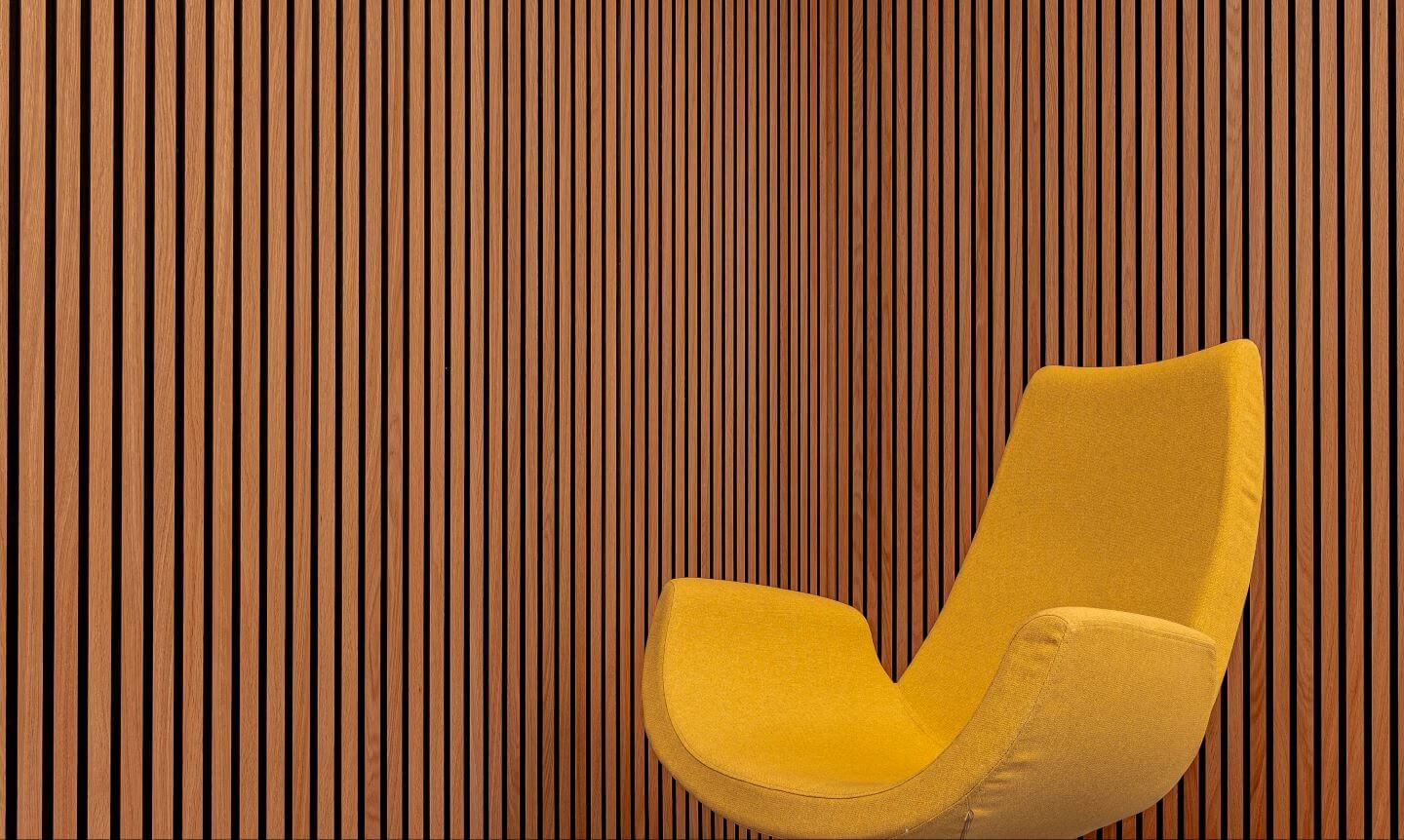
Wood paneling has long been part of residential and commercial spaces, often associated with traditional homes or classic architectural styles. Today, however, it continues to find relevance in modern interiors through updated applications, refined materials, and a stronger focus on functionality.
Rather than serving as purely decorative surfaces, wall panels now contribute to how a space is structured, experienced, and maintained. Across homes, offices, and hospitality environments, wood paneling supports both visual clarity and practical use.
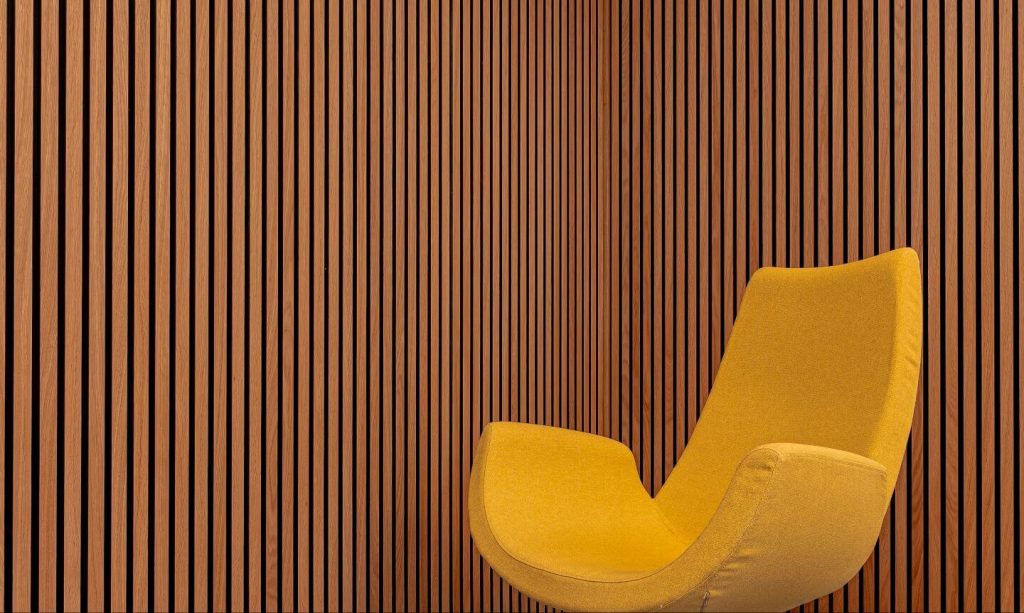
Image by Jan Kopřiva
The persistence of wood paneling in contemporary interior design
Wood paneling has moved beyond its earlier use as a uniform wall covering. In modern interior design, it is treated as a flexible element that can define a room or a specific location inside the house without overwhelming it.
Within the interior design profession, paneling has become part of professional practice and is part of the broader decorative arts, where surfaces contribute to both appearance and purpose. Designers and architects consider how wood panels interact with overall architecture, using them to introduce texture, define zones, or create contrast within a space.
Its continued presence is tied to both history and craftsmanship. Traditional techniques remain relevant, but newer technologies allow for improved performance and easier installation. This combination of past knowledge and current tools allows wood paneling to remain adaptable across different types of projects.
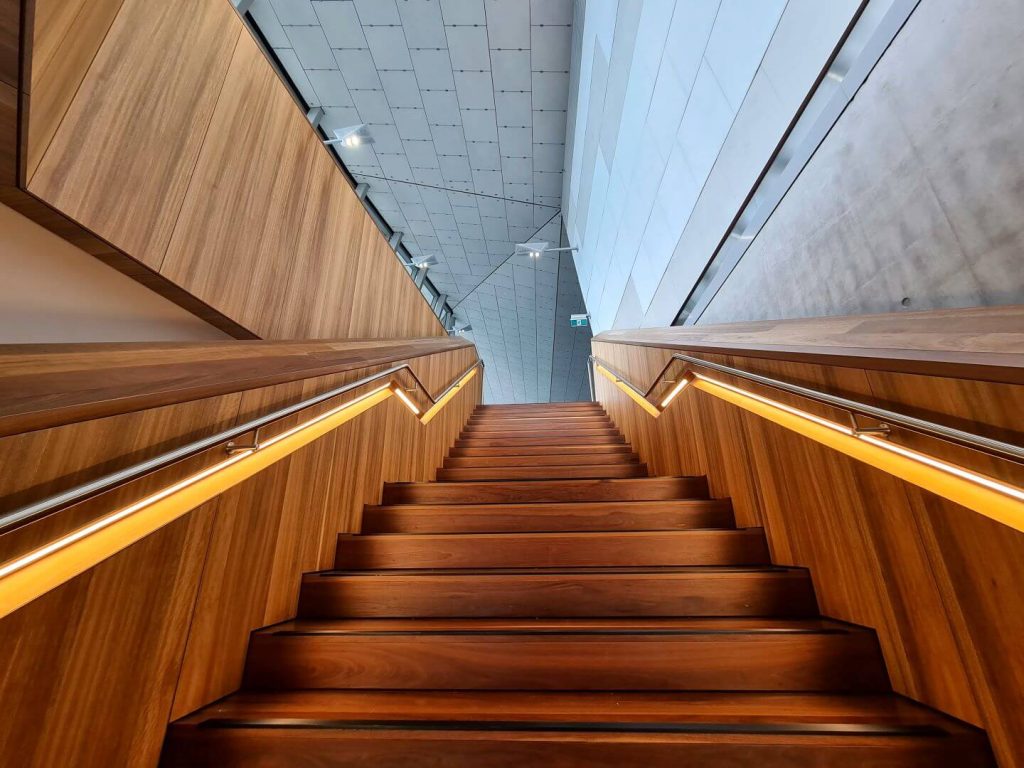
Image by Sam Bhattacharyya
Types of wood paneling and material choices
Selecting the right materials is essential in achieving the intended outcome for any interior. Wood paneling offers a range of options that vary in appearance, durability, and application.
Natural wood remains a preferred choice for its texture and warmth. It is commonly used in areas where visual depth is needed, such as feature walls or main living spaces. Engineered panels, on the other hand, provide consistency and are often used in projects with other areas that require bulk orders or strict timelines.
Wall panels are the most common application, but paneling can also extend to ceilings and even floors, depending on the design concept. Some suppliers offer custom sizes, allowing designers to align panels with the proportions of a room or integrate them seamlessly with doors and built-in furniture.
In both residential and commercial building projects, considerations such as quality, price, and long-term performance determine material selection. Balancing these factors ensures that the panels remain functional while maintaining a consistent style.
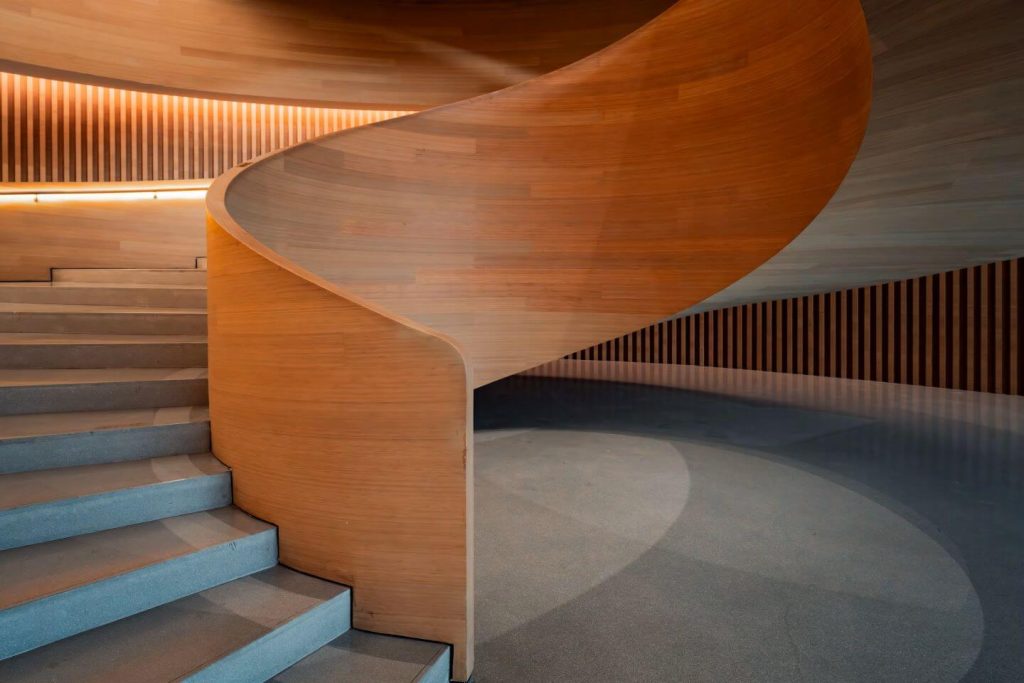
Image by Declan Sun
Design applications across different areas of the home
Wood paneling can be adapted to different parts of the house, each with its own requirements. Its flexibility allows it to support both shared and private spaces without disrupting the overall design.
In dining rooms and living areas, paneling often works alongside the color palette and lighting to create contrast. Lighter finishes can make a room feel more open, while darker tones provide definition. When paired with furniture and upholstery, wood panels help anchor the layout and guide how the space is used.
In bedrooms, the approach is more restrained. Panels are typically used to frame walls or headboards, contributing to a cohesive interior without adding visual weight. The combination of wood with textile elements and subtle patterns helps maintain life comfort while still introducing structure.
For offices and other functional spaces, paneling supports focus and organization. It is also widely used in hospitality design, where durability and maintenance are important. In these settings, materials must withstand frequent use while maintaining a consistent appearance.
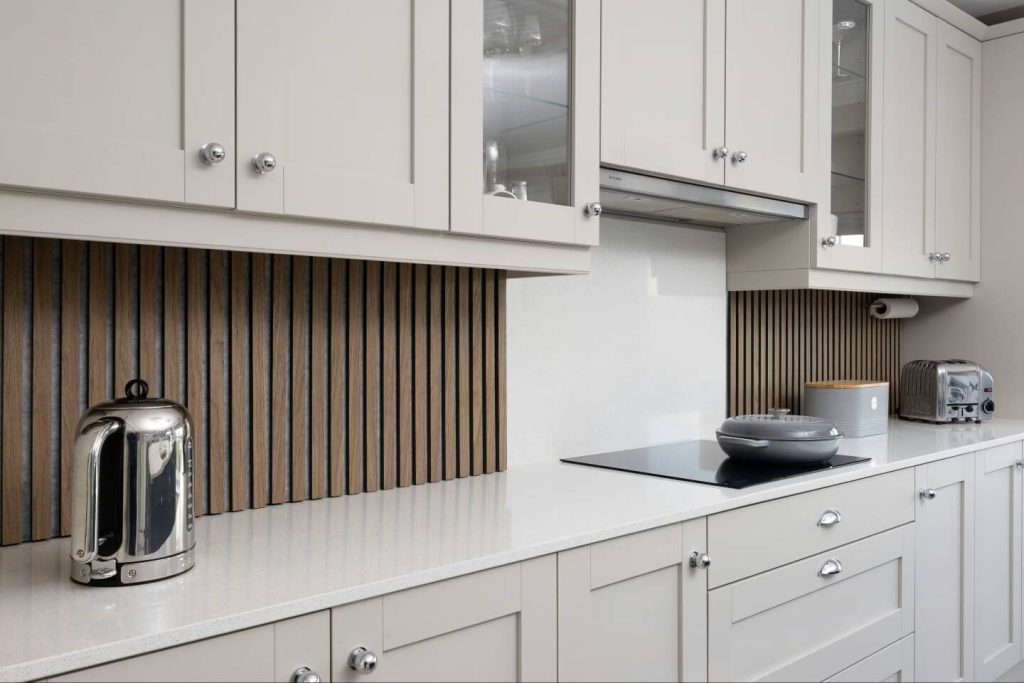
Image by Tile Merchant Ireland
Practical considerations in planning and installation
Beyond aesthetics, wood paneling requires careful planning to ensure it performs well over time. Decisions made during the early stages of a project often determine how effective the final installation will be.
Space planning plays a key role, as panels can influence how a room is divided or how movement flows within it. Designers must also consider functionality and ensure the panels do not interfere with essential elements such as storage, access points, or lighting.
Compliance with building codes is another important factor. Working with contractors and engineers helps ensure that installations meet safety and structural requirements. This is particularly relevant in larger projects or multi-level buildings where materials must align with specific standards.
Technical knowledge is necessary throughout the process, from selecting the right tools to coordinating services on-site. A well-planned installation results in a complete and reliable finish that supports the intended function of the space.
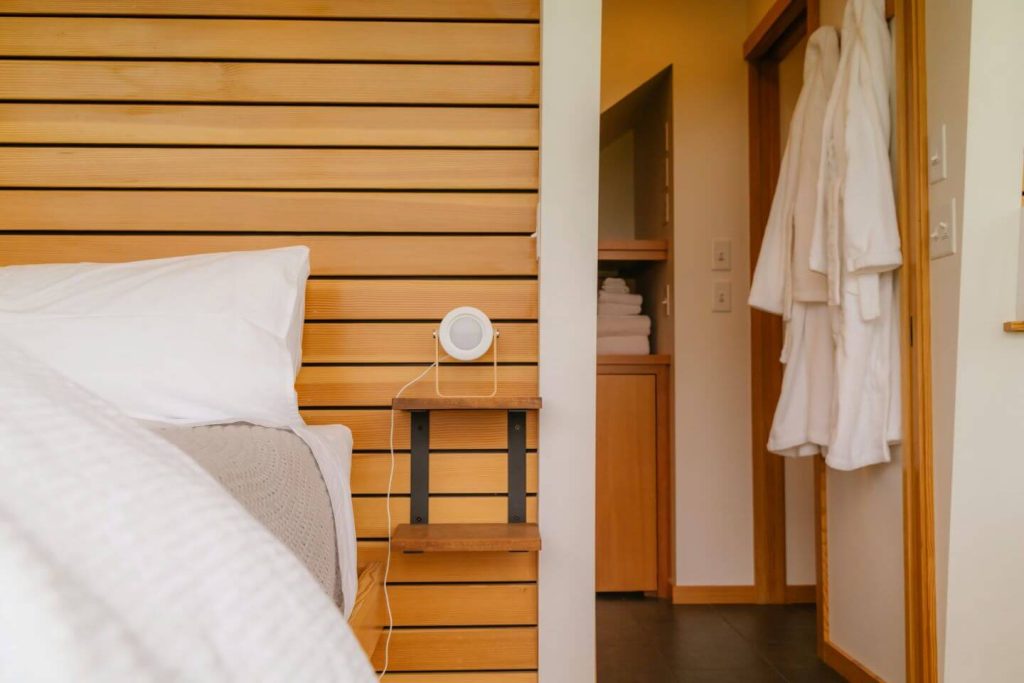
Image by Hans
Working with interior designers and suppliers
The process of integrating wood paneling into a project often involves collaboration between multiple professionals. An interior designer typically guides the concept, translating client preferences into workable solutions.
Clear communication between the designer and the client helps define the scope of the project. This includes selecting materials, reviewing collections, and visiting a store or project site to evaluate options. Understanding the needs of customers allows for more accurate planning and better results.
Suppliers then present a range of panels, finishes, and custom sizes. Some also provide additional services, such as installation support or technical advice. Managing these relationships is part of the overall business process, ensuring that timelines and expectations are met.
From initial contact to project completion, each stage requires coordination. Keeping track of orders, accounts, and delivery schedules helps maintain consistency and avoid delays.
Current trends and creative inspiration
Modern interior design is taking wood paneling into new territories. Current trends focus on simplicity, with clean lines and minimal patterns that emphasize the natural qualities of wood.
Some designers combine paneling with painting or graphic design elements to introduce variation without adding complexity. This approach allows walls to serve as both functional surfaces and subtle design features.
In shared environments such as community spaces or commercial settings, paneling is used to create continuity across different areas. It helps connect spaces while maintaining a consistent visual identity.
For homeowners and designers looking for ideas, inspiration often comes from a mix of local and global sources. Exploring different styles, materials, and layouts can lead to solutions that suit both practical needs and design preferences.
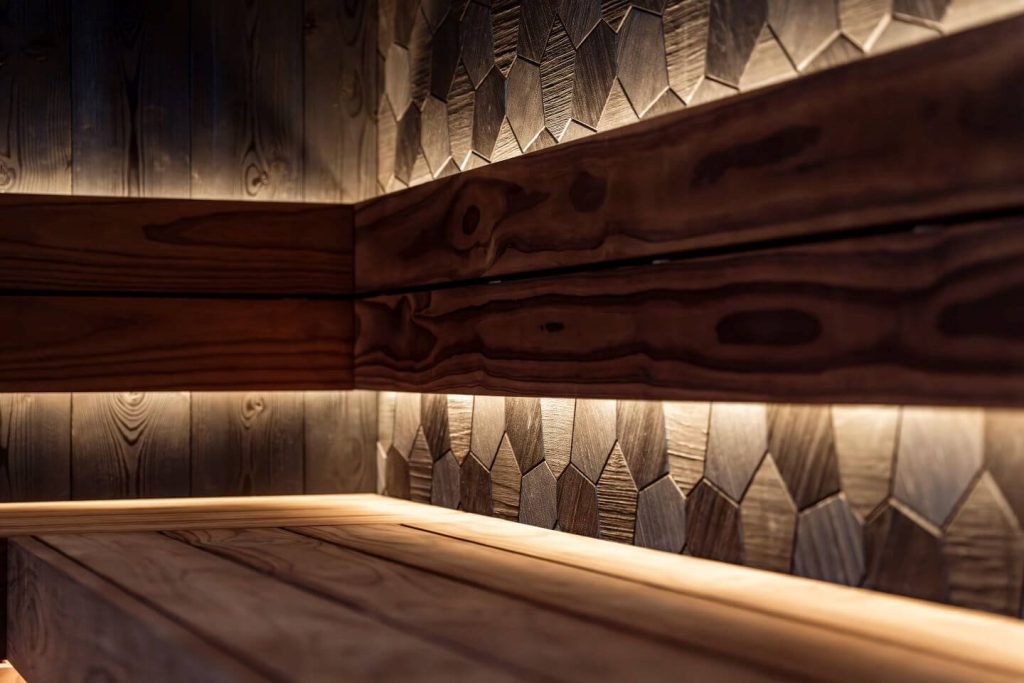
Image by HUUM
A practical finish for contemporary spaces
Wood paneling remains a relevant element in modern interiors because it supports both structure and design. Its ability to adapt across materials, spaces, and functions allows it to meet the demands of contemporary living.
From dining rooms to offices, and from small-scale renovations to larger building projects, paneling contributes to how spaces are organized and experienced. With proper planning, technical coordination, and thoughtful material selection, it continues to serve as a reliable and functional design feature.
