

Travel often changes the way a person looks at their home. After staying in boutique hotels in Barcelona, walking through traditional houses in Kyoto, or noticing the clean layouts of apartments in Copenhagen, certain details tend to stay in mind.
The way natural light enters a room, how furniture is arranged for comfort, or how colors create a calm atmosphere can all leave a lasting impression. Over time, these experiences lend to personal taste. For the well-traveled homeowner, decorating a space becomes an opportunity to apply what they have seen abroad, using globally-inspired interior design drawn from different countries and cultures.
Bringing these impressions home does not require copying a single look calls for discernment. It’s all about choosing cultural elements, materials, and textures that speak to one’s personal history while maintaining understated elegance. Instead of excess, aim for a balanced blending of global influences and sophisticated interiors that feel grounded and enduring.
Defining a global style at home
Global style in interior design is not a rigid category among interior design styles. Rather, it is a layered approach that draws from various cultures and interprets them through a cohesive design aesthetic. Before selecting your decor or furnishings, start by defining what global chic means for your household.
Start with personal inspiration from around the world
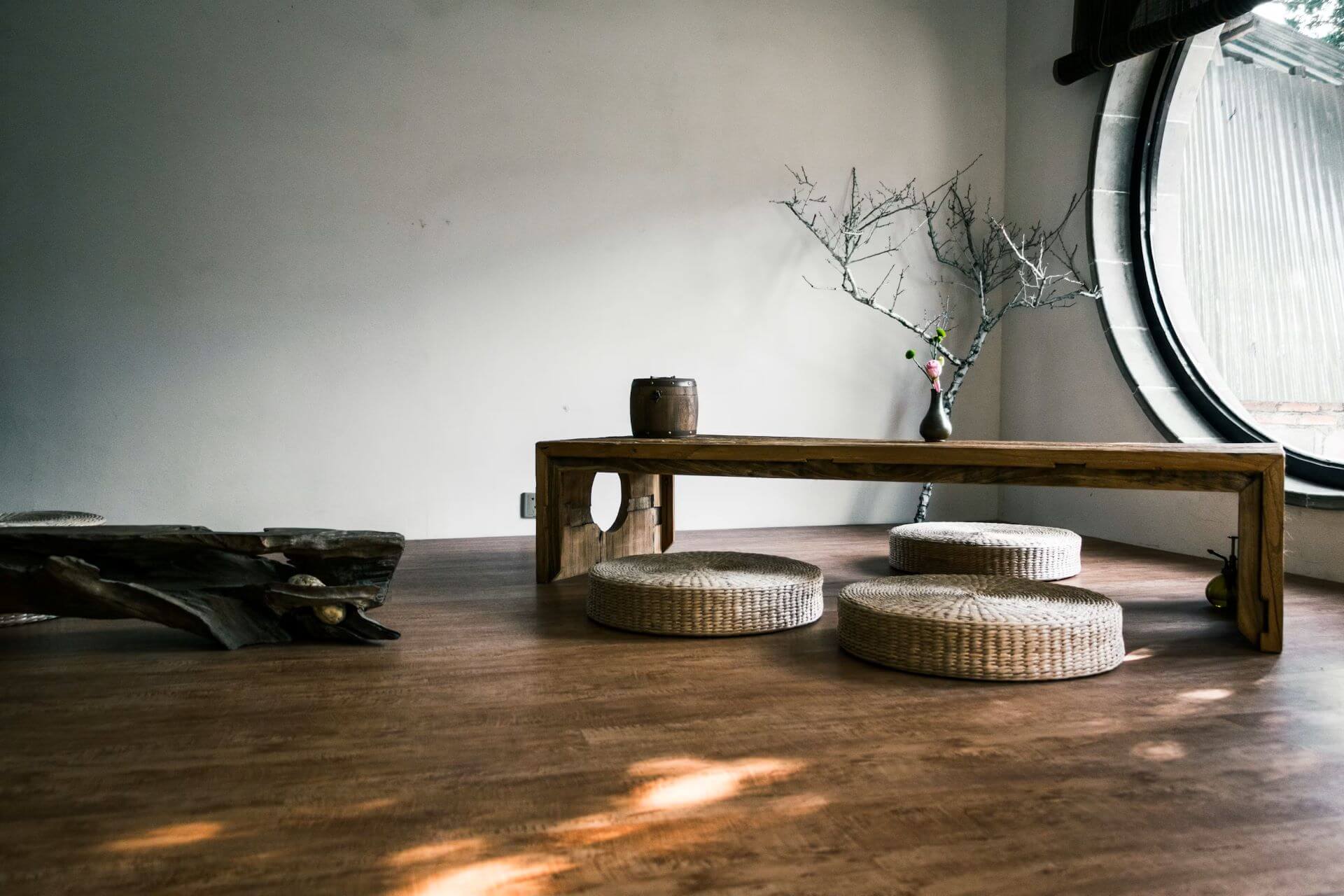
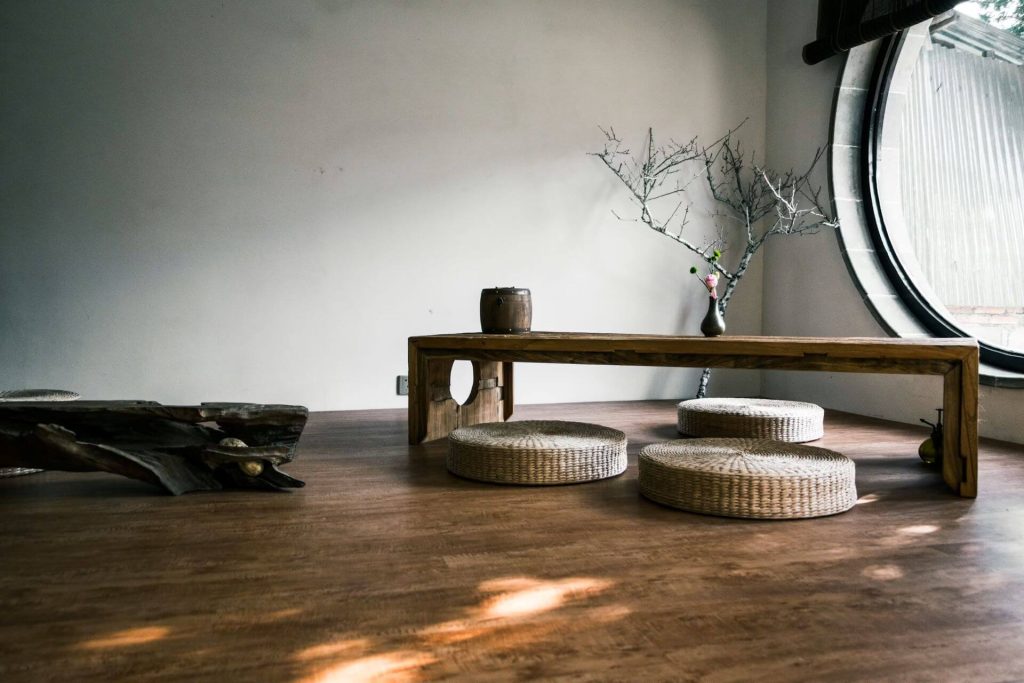
Travel often provides the strongest inspiration. Perhaps it is the serene simplicity of Japanese interior design, where tatami mats, clean lines, and a muted color palette create a sense of calm. Or maybe it is the refined craftsmanship of Italian design, known for sleek furniture and sculptural lighting. Scandinavian design, with its devotion to natural wood and light-filled rooms, may also appeal for its balance between function and beauty.
Instead of blending everything at once, identify which countries or different cultures have left a lasting impression with you. From there, develop a signature style that honors those memories without overwhelming the space.
Choose a cohesive color palette
A unified color palette anchors global interiors. Earth tones drawn from the natural world, like sand, clay, stone, deep green provide a steady foundation. These shades allow bold textiles, exotic patterns, or art collected from various countries to stand out without competing.
Restraint is key here. Sophisticated interiors often rely on neutral backdrops so that intricate carvings, ethnic fabrics, or handcrafted decor pieces can be appreciated for their inherent beauty.
Use natural materials as a universal language
Across the globe, many interior design traditions share a reliance on natural materials. Wood, stone, clay, linen, and woven fibers connect a home to nature while offering warmth and texture. In globally-inspired interior design, these raw materials form the backbone of the space.
Embrace wood, stone, and raw finishes
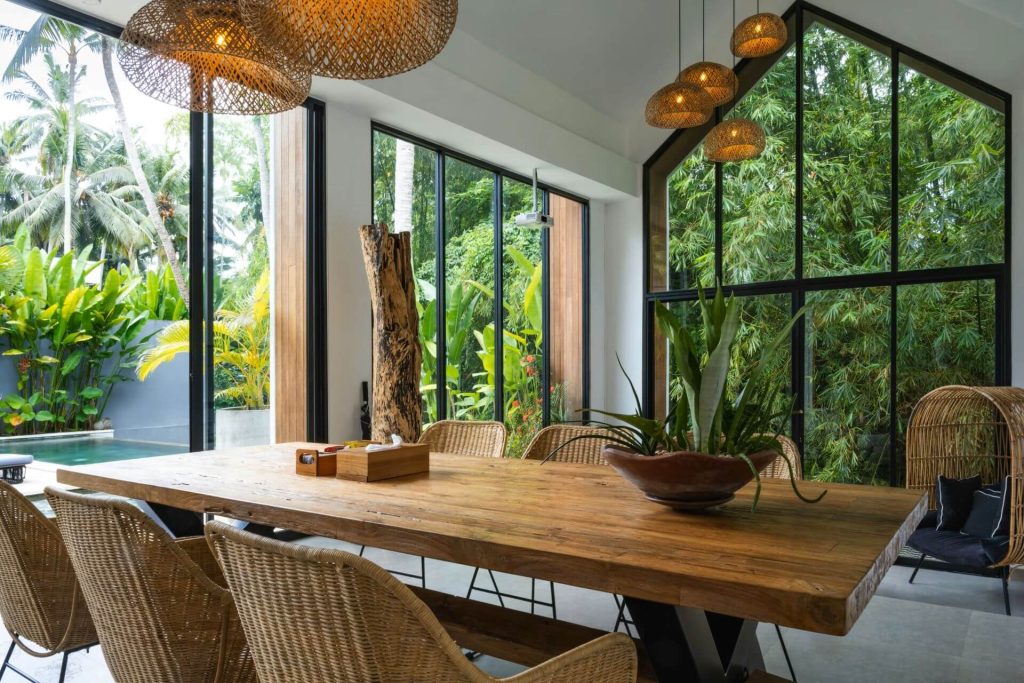
Natural wood furniture—be it a long dining table, a carved console, or open shelving—grounds a room. Its grain and tone add depth to walls and floors, especially when paired with other raw materials like stone countertops or clay vases.
In many cultures, materials are left close to their original state. This approach celebrates inherent beauty rather than concealing it with heavy finishes. A wooden table with visible knots, for instance, carries rustic charm while remaining refined when styled thoughtfully.
Layer textures through textiles and decor
Textiles are one of the most direct ways of incorporating global influences. Handwoven rugs, embroidered cushions, and ethnic fabrics sourced from different cultures introduce tactile interest and cultural richness.
When layering textiles, always think about balance. If a living room features bold patterns on throw pillows, keep larger furnishings neutral. This interplay allows patterns and textures to coexist harmoniously within the same space.
The careful use of textiles also creates an inviting atmosphere. Guests may not immediately identify each country represented, but they will sense the layered story behind the design.
Use cultural elements with sensitivity
Drawing from various cultures requires attentiveness. Rather than using decor as mere ornament, also try to learn the meaning behind certain elements.
A Zen philosophy-inspired corner, for example, goes beyond placing a low table and floor cushions. It prioritizes space, proportion, and a thoughtful arrangement of furniture to create a calming atmosphere. In Japanese interior design, emptiness is purposeful, as the negative space allows the room to breathe.
Similarly, Italian design is not only about sleek surfaces but also about proportion and craftsmanship. Scandinavian design, on the other hand, emphasizes light and functional materials. When incorporating these influences, focus on principles instead of superficial details.
Designing key areas with global influences
Translating travel into home decor works best when applied intentionally to specific areas. Each room can express a different aspect of the globe while remaining part of a unified whole.
The living room as a curated gallery
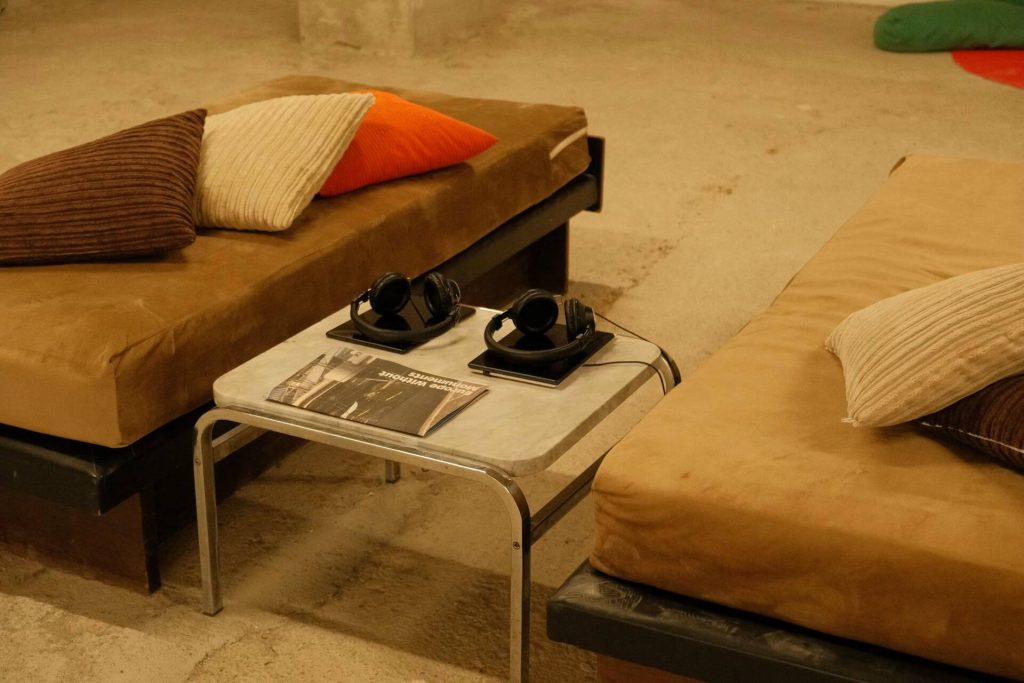
The living room often serves as the central gathering area. Here, global interiors can be expressed through:
- A statement art piece acquired from travels around the world
- A solid wood coffee table that anchors the space
- A mix of sleek contemporary furniture and handcrafted decor
- Textiles with exotic patterns layered over a neutral sofa
Clean lines in larger furnishings help maintain understated elegance, especially when incorporating bold or intricate accents. A balanced color palette prevents the room from feeling visually heavy.
Lighting also plays an essential role. Soft, natural light enhances materials and textures, while sculptural lamps can echo influences from various countries without dominating the design.
The dining area as a celebration of cultures
Food and travel are often intertwined. In the dining space, a long wooden table can serve as the heart of gatherings, surrounded by chairs that subtly nod to Scandinavian design or Italian design principles.
Ceramic plates, woven placemats, and hand-thrown pottery can be incorporated without cluttering the table. These elements create a layered aesthetic that acknowledges cultural diversity while remaining practical for daily life.
Walls may display art or framed textiles collected from different cultures, turning meals into moments of shared stories and memory.
The bedroom as a retreat shaped by nature
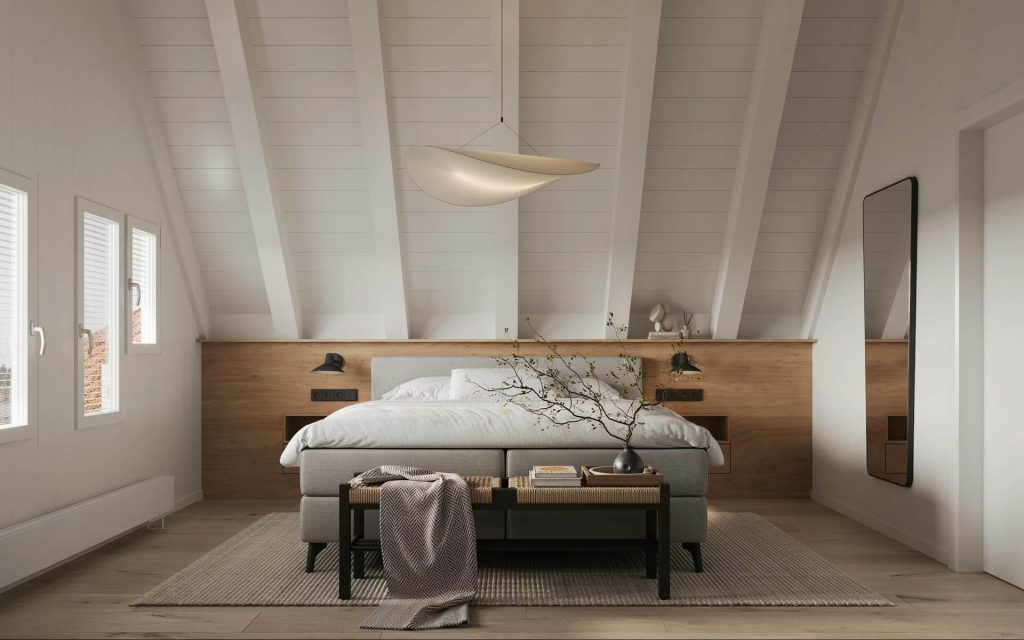
In private rooms, the emphasis may lean toward serene simplicity. A muted color palette, natural materials, and minimal decor cultivate restfulness.
Low-profile furniture, soft linens, and a restrained arrangement of objects align with Zen philosophy. Here, global style is more about atmosphere and a subtle infusion of inspiration into daily life.
Textures remain important: linen curtains, woven baskets, and a handcrafted bedside table add depth without disrupting the calm. The space should feel inviting, intimate, and personal.
Crafting a signature style that endures
Global decor is not static. As your experiences expand, so do ideas. Yet, longevity in interior design depends on coherence. A clear signature style allows new acquisitions to be integrated seamlessly.
One approach is to designate a primary influence then layer complementary elements from various cultures through textiles or art. Another method is to focus on a consistent material language: wood, stone, and woven materials repeated throughout the home create visual unity.
A professional interior designer can also offer guidance in refining these ideas. With expert insight, globally-inspired interior design can move from scattered inspiration to a cohesive plan that enhances both function and aesthetic.
Over time, such a space gains depth. It carries cultural richness without excess, bold accents balanced by calm surfaces, and global influences grounded in local context. This thoughtful blending results in sophisticated interiors that honor both the world outside and the life lived within.
A home that tells your story
Travel broadens perspective, but it is at home where those lessons settle. Through careful selection of materials, textures, patterns, and furnishings, globally inspired interior design transforms memory into tangible form.
From the clean lines of Scandinavian design to the warmth of natural wood and the detail of intricate carvings, each element contributes to a layered narrative. The globe becomes less a distant map and more a lived experience translated into room, table, walls, and art.
In creating spaces shaped by various cultures and countries, you can discover endless possibilities for expression. Discover refined residences designed for well-traveled tastes with Crown Asia.