

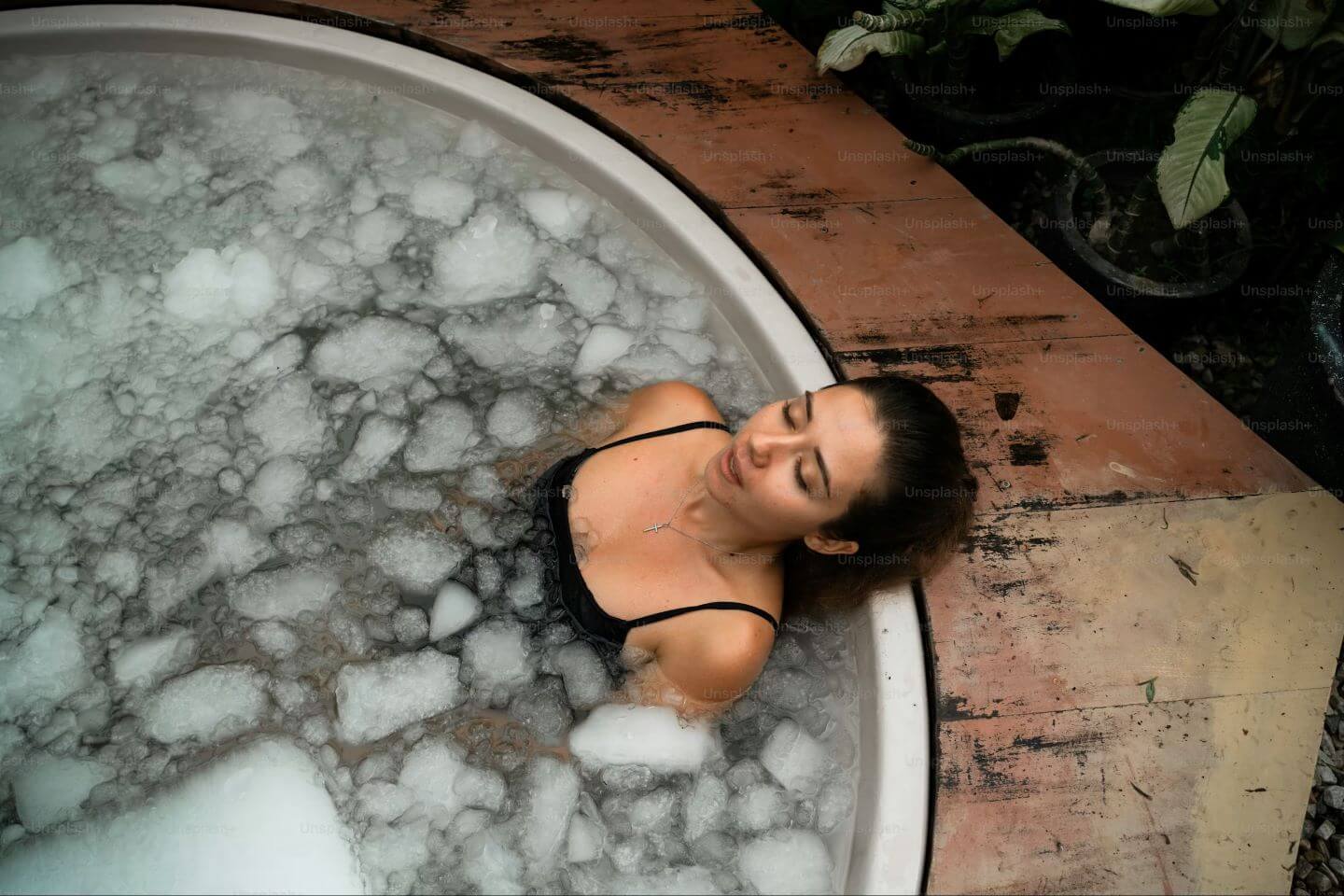
The first step into warm water helps the body relax. Muscles loosen, breathing slows, and built-up tension begins to ease. When followed by cold water, the sensation changes quickly. The cooler temperature feels sharper and more stimulating, encouraging the body to react. This controlled movement between heat and cold is what defines contrast therapy, a method that uses alternating temperatures to reduce pain, support recovery, and overall well-being.
Once used mainly in professional sports, contrast therapy is now becoming more common in everyday routines at home. The method gained attention for helping athletes recover after intense training, but it is now also used for pain management, sports recovery, and cardiovascular health, making it a practical option for people who want a simple way to support the body through controlled hot and cold water exposure.
By switching between hot and cold water in planned cycles, contrast therapy helps improve blood flow, relax the nervous system, and support the body’s natural healing process, making it a practical option not only for training facilities but also for households looking for simple ways to care for their health.
How does contrast therapy work?
Contrast therapy is grounded in the principles of contrast hydrotherapy. Rather than relying on one extreme, it alternates heat and cold in measured intervals. The goal is not shock, but circulation and recovery.
What happens inside the body during hot and cold exposure
When the body encounters hot and cold temperatures, blood vessels respond almost immediately. Exposure to hot water or warm water encourages blood vessels to widen, increasing blood circulation and helping increase tissue temperature. This phase supports relaxation and boosting circulation, which may assist in delivering oxygen and nutrients to affected areas.
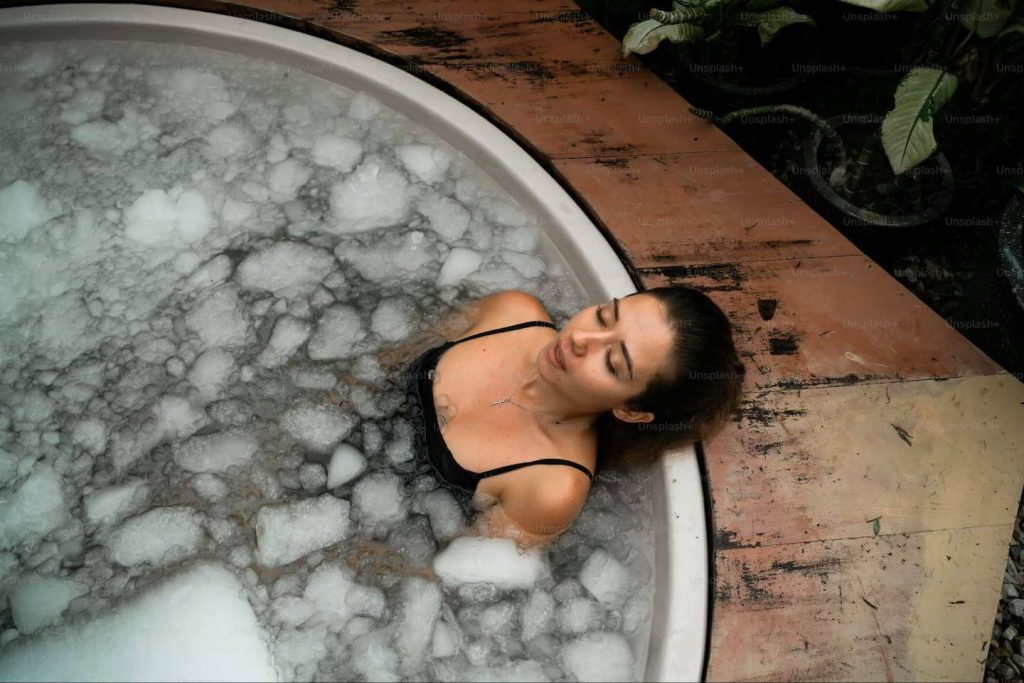
Cold exposure, on the other hand, prompts blood vessels to constrict. Whether through cold water, cold plunge pools, or a brief cold plunge, this narrowing effect may help manage acute inflammation and reduce swelling.
By alternating hot and cold, the body experiences a rhythmic cycle that increases blood flow through repeated dilation and constriction. Many proponents suggest that this pumping effect supports white blood cells as they move through the bloodstream, contributing to the body’s natural defense and recovery systems.
The nervous system also plays a role. Heat therapy often promotes relaxation, while cold therapy can sharpen alertness. Together, heat and cold create a controlled stimulus that some individuals find helpful for muscle recovery or reducing muscle tension.
Types of contrast therapy practices today
Contrast therapy appears in both wellness settings and clinical practice. While the foundational concept remains the same, applications vary depending on goals and supervision.
Contrast bath therapy
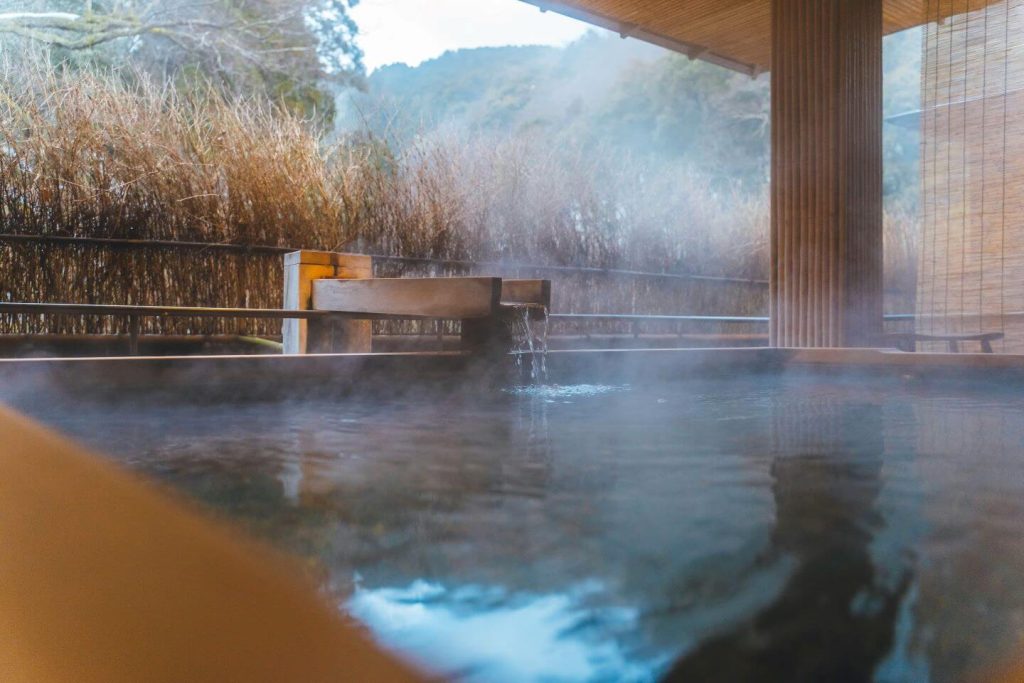
Contrast bath therapy is one of the most structured forms of this approach. Typically, it involves alternating hot and cold baths in timed intervals—often three to four minutes in hot water followed by one minute in cold water. This cycle is repeated several times within a single contrast therapy session.
Contrast water therapy may follow similar principles but can be adapted to specific body parts. For instance, contrast baths are sometimes used for hands, feet, or ankles in physical therapy clinics.
Some practitioners also refer to alternating hot routines, emphasizing steady, predictable timing rather than abrupt shifts. The key remains consistency rather than intensity.
Cold immersion and heat-based methods
Cold water immersion and ice baths have long gained popularity in sports recovery circles. Ice packs or targeted cold therapy may also be used for localized muscle soreness or induced muscle damage after strenuous activity.
As these methods became more widely used outside training facilities, they also found a place in wellness spaces designed for regular health routines. Cold plunge pools are increasingly found in wellness facilities, often paired with a hot pack, heating pads, or even an infrared sauna. The infrared sauna helps gradually raise tissue temperature before a return to cold water immersion, creating a deliberate alternation.
Whether applied to a single joint or the entire body, bath therapy methods should consider tolerance levels and overall health.
The role of contrast therapy in sports recovery
Athletes have long explored methods to enhance recovery and manage exercise-induced muscle damage. Contrast therapy has become one option within broader sports recovery routines.
It helps manage muscle fatigue and soreness after activity
Strenuous training can result in muscle fatigue, muscle stiffness, and muscle damage. In post-exercise recovery plans, contrast water therapy is sometimes used alongside active recovery methods such as light movement, stretching, or walking.
Some individuals report that alternating hot and cold sessions helps reduce muscle soreness and support muscle recovery. The cycle of temperature changes may aid recovery by encouraging circulation in fatigued areas.
Passive recovery approaches—such as resting after a demanding workout—may also incorporate a structured contrast therapy experience to complement other strategies.
It helps ease muscle tension and control inflammation
Muscle tension often builds during repetitive or high-intensity activity. Alternating heat exposure with cold therapy may assist in reducing muscle tension and easing discomfort.
Cold therapy is commonly associated with efforts to reduce inflammation and pain after minor injuries or intense training. During the early stages of acute inflammation, cold water immersion or ice packs may help reduce swelling.
Heat therapy, by contrast, is often introduced later to promote relaxation and improve flexibility. Together, alternating heat and cold create a balanced approach to post-exercise care.
Clinical applications and safety considerations
Beyond athletic contexts, contrast therapy appears in physical therapy and rehabilitation settings. However, its application requires careful assessment.
Use in rehabilitation and injury management
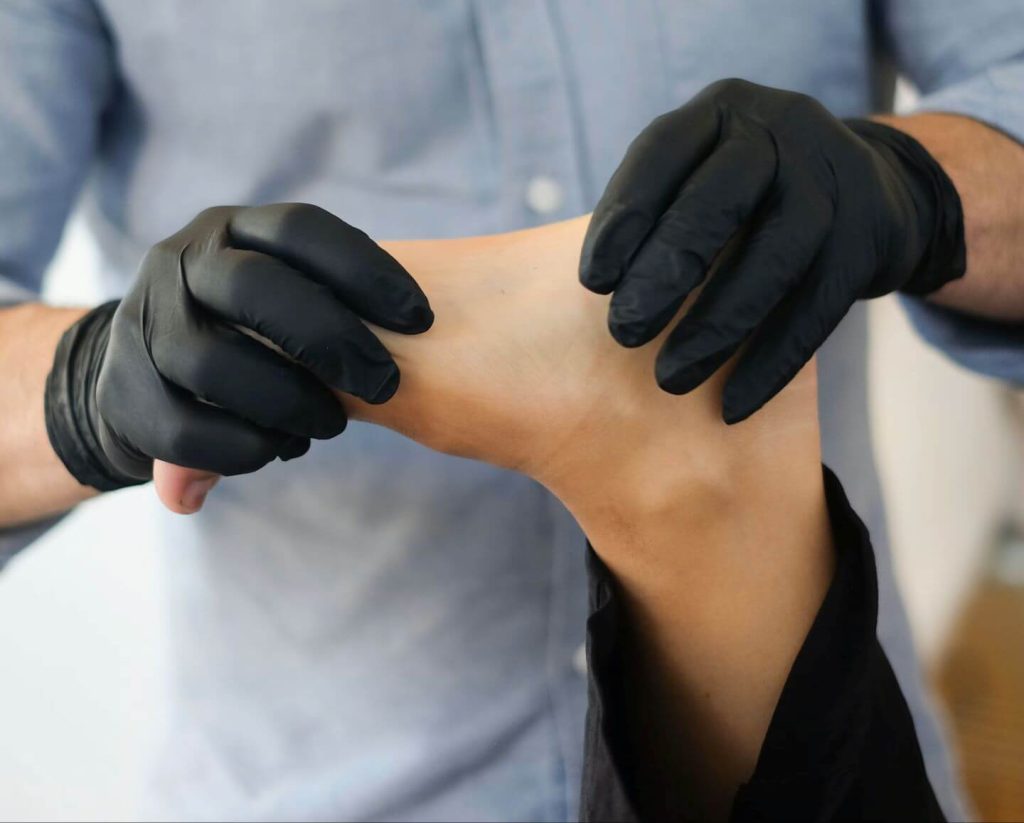
In cases such as an ankle sprain, including II lateral ankle sprains, a physical therapist may recommend contrast baths as part of a broader recovery plan. The intention is often to assist circulation while monitoring swelling and sensitivity.
For individuals managing chronic pain, structured heat and cold exposure may complement other pain management strategies. However, protocols differ widely depending on the condition and the individual.
When the entire body is exposed—such as during cold plunge sessions—considerations around cardiovascular health become particularly important. Those with heart conditions or circulation disorders are typically advised to consult a healthcare professional before beginning a contrast therapy session.
What research currently says
Scientific interest in contrast hydrotherapy continues to grow. Some findings from a randomized controlled trial suggest potential benefits in reducing muscle soreness after exercise. A systematic review of available studies has noted significant differences in certain recovery markers compared to passive recovery alone.
Still, many studies outline clear inclusion and exclusion criteria, limiting participants to specific age groups or fitness levels. While early data point toward scientific evidence-based effects for certain populations, researchers often emphasize the need for further research.
Current clinical practice guidelines vary, and research shows both promising trends and ongoing uncertainty. As with many recovery techniques, it ultimately depends on the individual response.
Adapting safe contrast therapy sessions
For those considering contrast therapy at home or in a wellness facility, you can start with intention and moderation. A basic contrast therapy session may involve:
- Three to four minutes in hot water
- One minute in cold water
- Repeating the cycle three to five times
Extreme temperatures are not required. The goal is controlled variation rather than discomfort. Individuals should monitor how they feel during and after the session, particularly if managing existing health concerns.
A thoughtful contrast therapy experience prioritizes comfort, hydration, and gradual progression. Supporting the healing process means respecting limits, not pushing past them. Those uncertain about suitability should consult a healthcare professional, especially when dealing with chronic pain or recent injury.
Ultimately, contrast therapy is one tool among many. When integrated with active recovery, balanced nutrition, adequate sleep, and proper guidance, it may promote healing and contribute to overall resilience.
