

There is something deliberate about pouring a bit of a dram at the end of the day. The weight of the glass, the slow release of aromas, the measured pause before the first sip. These small rituals speak to patience and appreciation. For many enthusiasts, building a whiskey collection begins with that same mindset: thoughtful, unhurried, and attentive to craft.
Rather than accumulating bottles for display alone, collecting whisky comes from curiosity and discernment. Each bottle, whether Irish whiskey, Japanese whiskey, American whiskey, or other limited editions, carries a story of grain, fermentation, distillation, and time spent resting in oak casks. Over the years, these purchases have become a rewarding journey of personal taste and centuries of traditional craftsmanship from around the world.
Where a whiskey collection starts
Before building a whiskey collection, it helps to understand what defines the spirit itself. Beyond the name on the label, factors such as grain composition, distillation methods, cask selection, and maturation conditions all shape a whiskey’s final character.
For collectors, familiarity with these elements provides useful context when evaluating bottles, making it easier to distinguish between everyday expressions and those with the depth, rarity, or craftsmanship that merit a place in a serious collection.
From grain to glass
Every bottle begins with grain. Barley, corn, and rye are milled and mixed with water, initiating fermentation to transform sugars into alcohol. The resulting liquid is distilled, concentrating both strength and character.
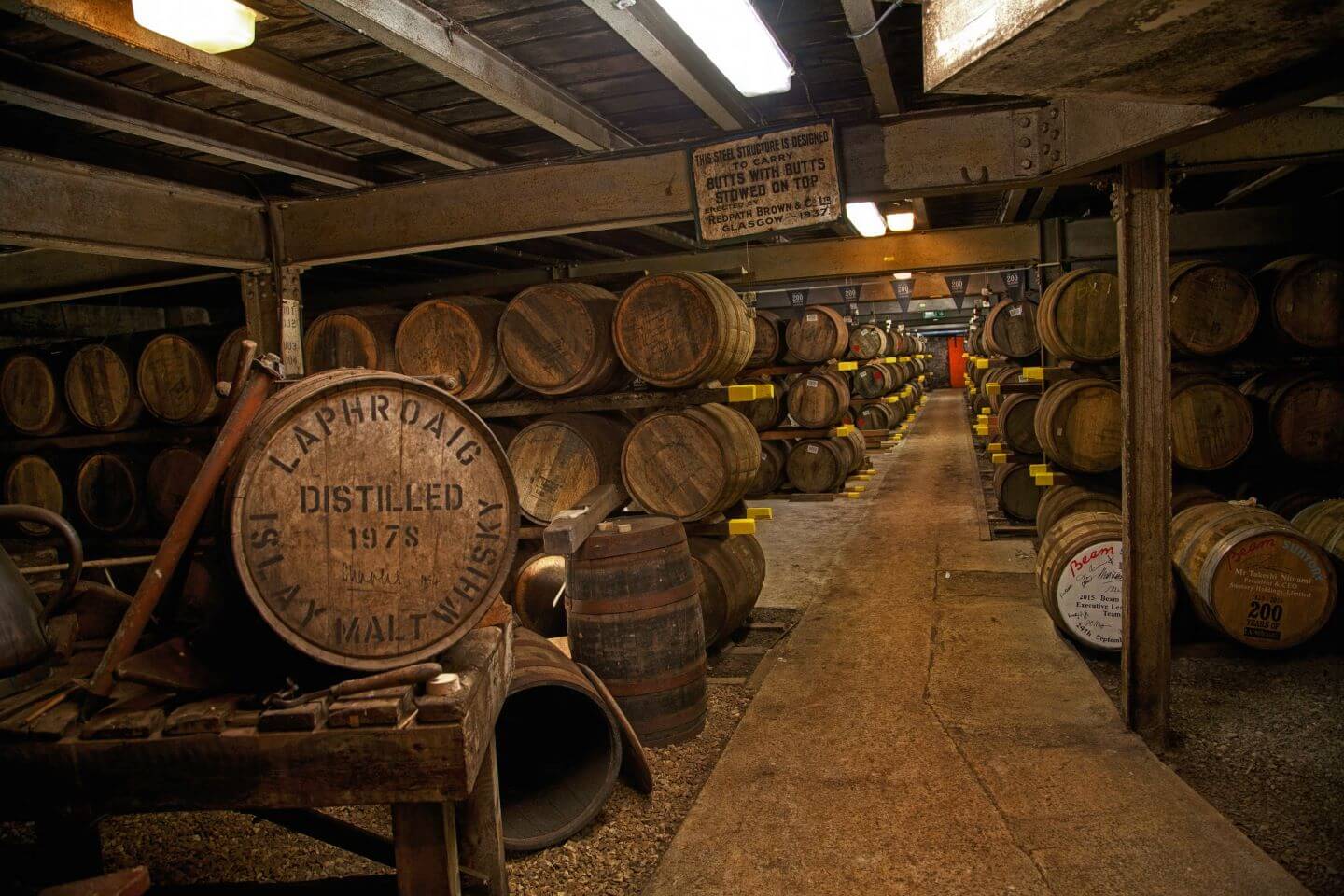
From there, maturation in oak casks gives the spirit’s flavour profile. The interaction between wood and liquid introduces vanilla sweetness, spice, and layered notes that deepen over time. Age statement declarations on labels offer guidance, but maturity is not measured by years alone. The quality of casks, climate, and distillery practices all influence the final expression.
These details matter to collectors. Understanding distillation methods or the type of grain used adds dimension to each taste and allows a whisky collection to feel curated.
Regions and styles worth knowing
A well-rounded whiskey collection often spans several traditions. Here are a few worth noting:
- Single malt scotch from Scotland, prized for regional variation, from coastal peat smoke to orchard fruit notes.
- Irish whiskey, often triple distilled, is known for its smooth texture and gentle spice.
- American whiskey, including bourbon and rye, where corn sweetness or rye grain spice shape bold, rich flavours.
- Japanese whiskey has been admired in recent years for its balance and attention to detail.
- Blended styles, which marry different whiskies into harmonious expressions.
Exploring these styles allows collectors to discover how geography and technique influence aromas, flavour, and finish. It also ensures a great collection that offers variety for different occasions.
Essential bottles to begin your journey
Starting a whiskey collection does not require dozens of purchases. A few essential bottles can provide balance and introduce the range of styles that make whiskey exploring enjoyable.
To begin, consider these five foundational categories:
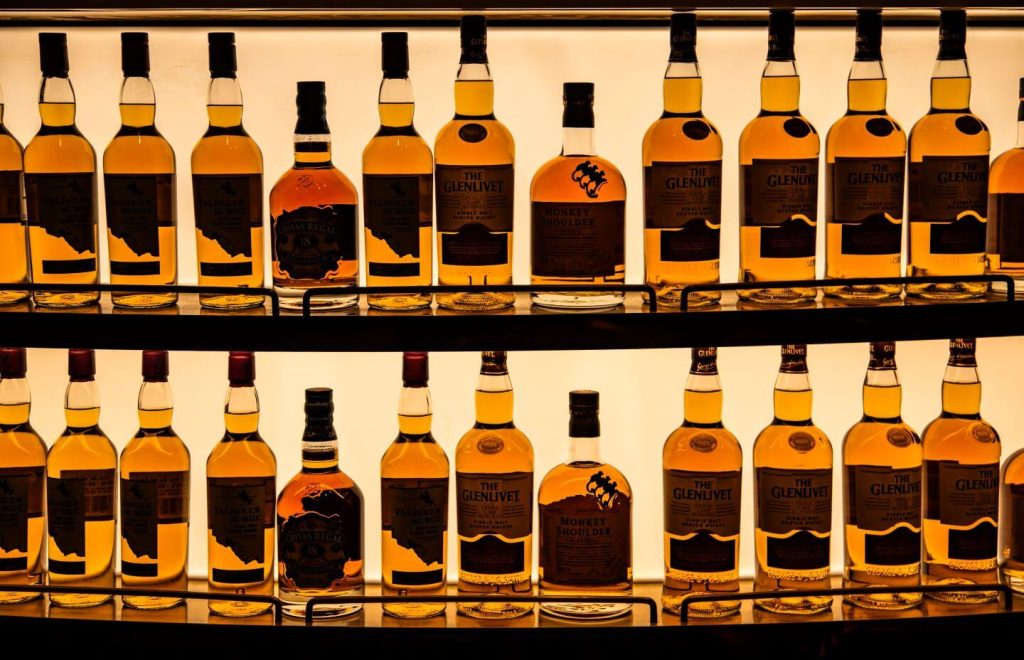
- Single malt scotch is a classic introduction to regional character and oak influence, offering flavours that can range from fruity and delicate to smoky and robust, depending on where it is produced in Scotland.
- Bourbon is rich and full-bodied, often showing notes of vanilla and caramel that develop from aging in new charred oak barrels.
- Irish whiskey is typically light and approachable, making it an ideal first bottle for new whiskey drinkers who want a smooth and easy introduction to the spirit.
- Rye is recognized for its lively spice and firm structure, with peppery and herbal notes that create a bold and distinctive profile.
- Japanese whiskey is known for its elegance and precision, often layered with subtle fruit and floral notes.
Selecting a first bottle should be guided by personal taste rather than reputation alone. The perfect bottle for one collector may not suit another. As you explore and discover more of the whiskey world, preferences become clearer.
Choose based on flavour profile
When building a whiskey collection, it helps to think in terms of flavour profile. Some collectors gravitate toward fruit-forward expressions with bright, aromatic notes, while others appreciate the spice and bold character often found in rye. For many, the smooth combination of vanilla and oak is especially appealing, while others prefer the deeper intensity of a richer, smoky scotch.
Tasting thoughtfully, like a proper glass designed to concentrate aromas, can help refine your palate. Over time, whisky-collecting decisions tend to become more intentional, guided by growing familiarity with different styles rather than impulse.
Storing and preserving your collection properly
Proper care becomes increasingly important as your whiskey collection grows. Even the finest bottle can lose its character if it is not stored under the right conditions.
Practical storage guidelines
Maintaining the quality and value of a whiskey collection largely comes down to proper storage. It is best to keep the bottles upright to protect the cork from prolonged contact with alcohol, which can cause deterioration over time. Choosing a stable place with minimal vibration also helps preserve the spirit, especially for bottles intended to be stored for years.
Temperature is another important factor. A cool, consistent environment helps prevent fluctuations that may affect the whiskey’s character. Direct sunlight should also be avoided, as prolonged exposure can degrade flavor and fade or damage bottle labels. Many collectors find it helpful to use a dedicated shelf or cabinet placed away from excessive heat.
Unlike wine, whiskey does not continue to age once it is bottled. Even so, environmental conditions still play an important role in maintaining its long-term integrity.
When your collection grows
As your whiskey collection expands, you may encounter limited editions, rare releases, or new releases from favourite distilleries. Some collectors pursue these bottles as investment pieces, particularly when scarcity and reputation influence value.
In recent years, the market for rare whisky has attracted global attention. While financial investment can be part of the equation, a great collection balances monetary considerations with genuine enjoyment. After all, the spirit’s story and craftsmanship remain central.
Collecting with intention and community
Whiskey-collecting is about more than just acquiring bottles. Sharing a dram with friends or fellow enthusiasts often sparks conversation, builds camaraderie, and makes the experience of collecting feel more rewarding.
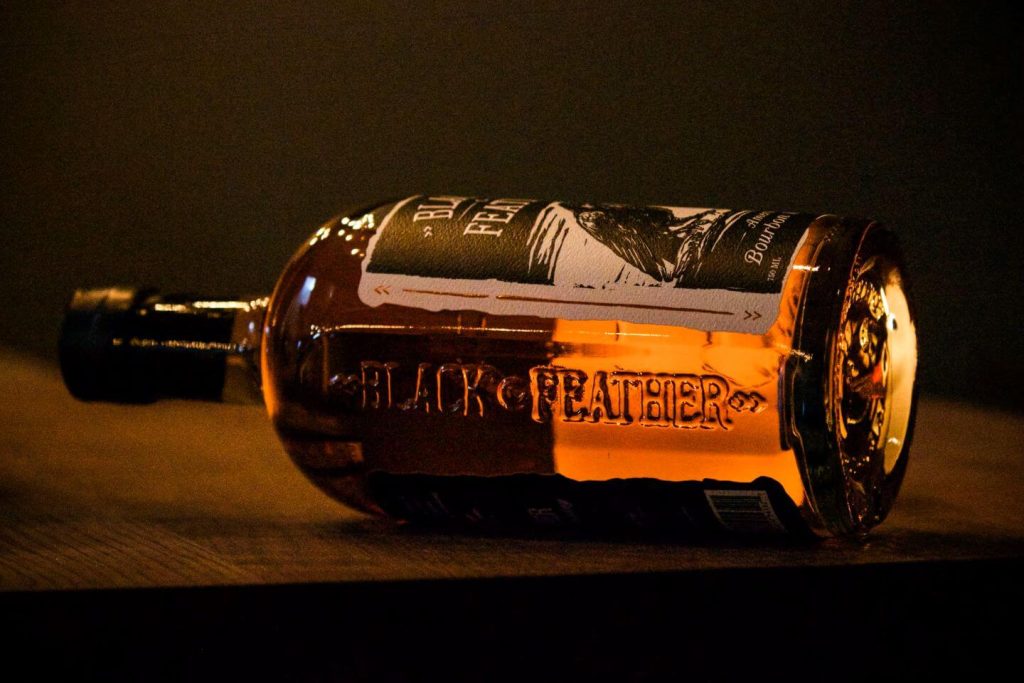
Sharing with friends and fellow collectors
Inviting friends to taste different styles can turn an otherwise quiet evening into an engaging exchange. Comparing notes on spice, fruit, or oak reveals how differently each person experiences the same spirit. Some bottles may be best enjoyed neat. Others can be used to mix classic cocktails, broadening appreciation among diverse whiskey drinkers.
Balancing passion and investment
Serious collectors often research distillery histories, track age statement releases, and follow emerging trends in the whisky world. While rare bottles and limited editions may appreciate in value, not every purchase must serve as an investment.
The most meaningful collections are guided by curiosity and quality. Whether it is a single malt from Scotland, a bold American whiskey, or a carefully crafted Japanese whiskey, each bottle contributes character and depth.
Over time, your own collection tells a personal story and a reflection of your evolving taste, memorable gatherings, and discoveries made along the way.
Savor the journey
Building a whiskey collection is both an art and a discipline. It begins with knowing the grain, fermentation, and distillation that go into every bottle, and then it expands into regional exploration and careful selection.
