


When borders reopened after the pandemic, travel returned with a sense of urgency. Many embraced a growing trend of moving fast and ticking boxes. Four cities in one week, countless photos, and barely enough time to breathe between flights. In many ways, it felt like revenge traveling: a rush to make up for lost time rather than a chance to truly experience a place.
But for some, that isn’t as sustainable or enjoyable. Instead of constantly moving, they are choosing a slower pace, staying longer, and discovering that meaningful journeys are often found by lingering, not rushing. Enter slow travel, a way of exploring the world that prioritizes presence, connection, and depth over speed.
For those who value quality over quantity, slow travel is the more refined alternative. It’s how you turn a single trip into a more personal, enriching experience that immerses you in local culture and everyday life.
What is slow travel?
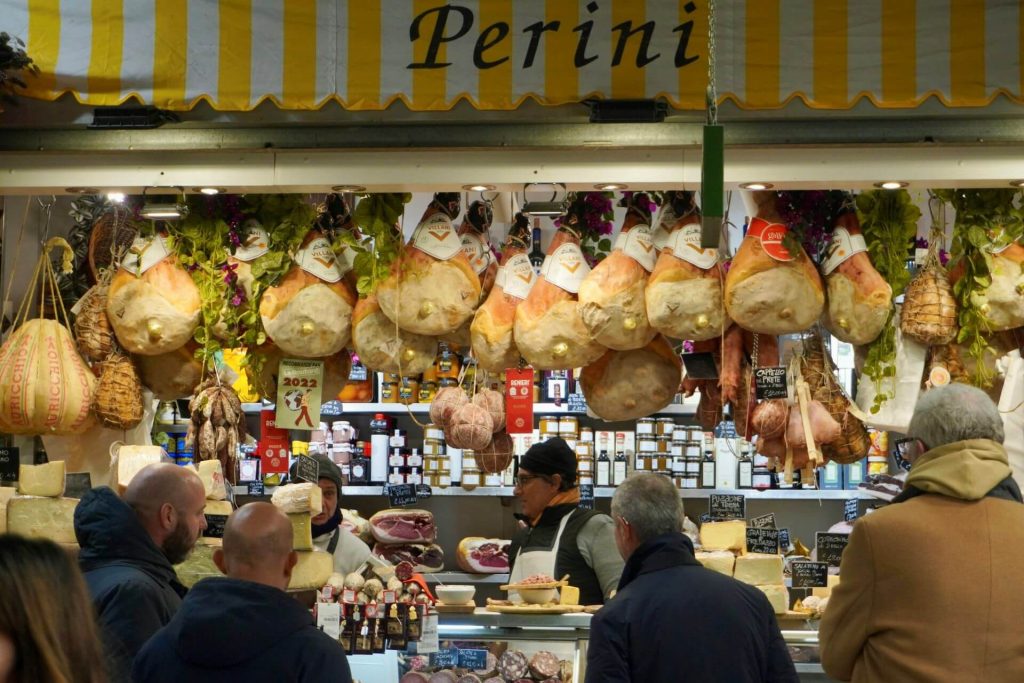
Slow travel isn’t about doing less for the sake of it, either. It is more of a deliberate decision to experience one destination deeply, often over an extended period, rather than rushing through multiple stops.
From traditional tourism to intentional journeys
To understand the core and main benefits of slow travel really, it helps to contrast it with traditional tourism. Conventional itineraries focus on tourist attractions, guided schedules, and moving quickly from one attraction to the next. A slow traveler, by contrast, may choose one destination and explore it at their own pace, even if it means seeing fewer landmarks. In exchange, they get a deeper understanding of a few places that make the trip even more memorable.
This is the core of slow tourism, where traveling slowly allows space for discovery, rest, and unplanned moments. Instead of chasing the tourists’ beaten track, travelers often gravitate toward the locals’ beaten path, to the places without performance or spectacle.
The case for staying longer in one place
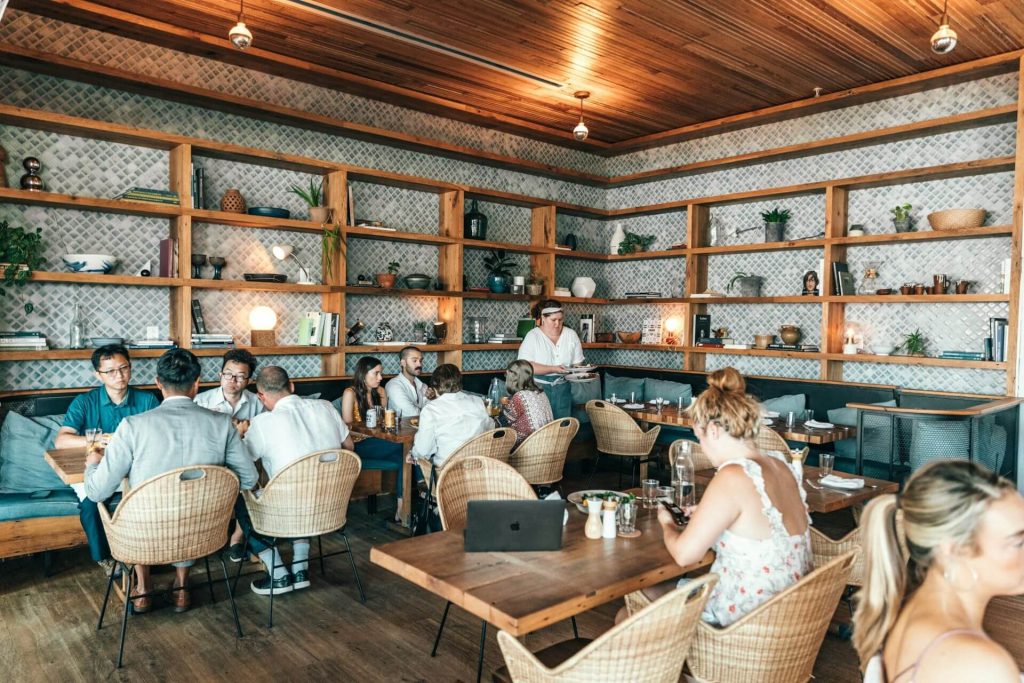
Staying in the same place for two weeks or longer with no pressure to move on puts you in a more relaxed pace. Familiar streets replace maps, routines replace schedules, and the destination begins to feel less like a backdrop and more like a temporary home.
Moving slowly reduces stress and opens room for nuance. What begins as a visit can gradually become a participation in local life.
Slow travel opens doors for deeper cultural immersion
At its core, slow travel is about deeper cultural immersion. In other words, it’s learning not just how a place looks, but how it lives.
You get to experience the local life beyond the highlights
When traveling slowly, daily life becomes the main attraction. Morning walks to the bakery, people-watch in neighborhood cafés, or long walks through residential streets reveal how a community truly functions. It is through these moments that you gain insights that no tour guide can replicate.
These immersive experiences trump constant sightseeing as travelers develop a deeper understanding of local lifestyle, customs, and values. That is cultural immersion in its most authentic form.
You learn local customs naturally
Understanding local customs often happens through observation, conversation, and doing all those things over and over. Attending small cultural events, learning the stories behind local history, or simply greeting neighbors is a good starting point for familiarity and respect. Instead of skimming surfaces, slow travel fosters immersive experiences that feel personal rather than performative.
Food, language, and connection as cultural gateways
Culture is lived through senses and interaction, and few things reveal a place more clearly than how people eat, speak, and gather.
Eating like a local, not just dining out
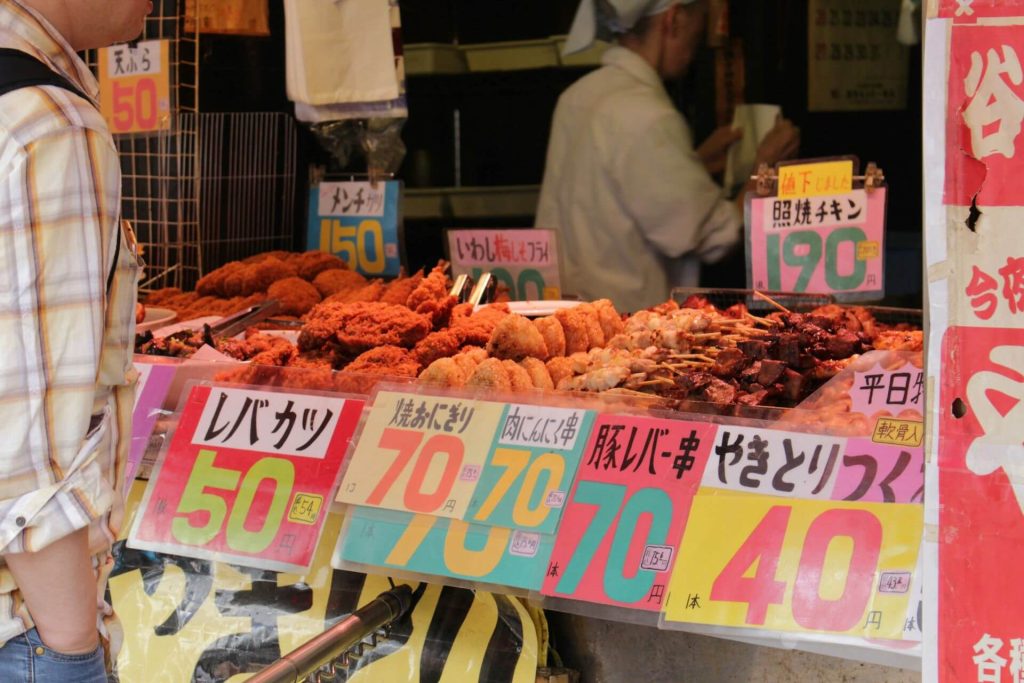
Slow travel also means embracing “slow food.” Visiting local markets, buying local ingredients, and preparing your own meals shifts food from convenience to ritual. This way, you get to discover local delicacies not as novelty items, but as part of everyday nourishment.
This contrasts sharply with fast food routines often associated with rushed itineraries or tourist trap restaurants that only cater to tourists’ tastes. When you eat like a local, you also build a connection to place, to tradition, and sometimes to neighbors who share cooking tips or market recommendations.
Speaking the language of the place
Even learning a few words of the local language can already change the tone of every interaction. Ordering coffee, asking for directions, understanding the menu, or sharing simple conversations opens up more meaningful connections with the locals.
Language learning, however informal, also supports your personal growth and your sense of empathy. It reminds us that cultural immersion is reciprocal, as it requires effort, humility, and openness.

The many benefits of slow travel
There are many benefits to slowing down, and they extend well beyond the trip itself. Contrary to assumptions, slow travel can help save money. Longer stays often reduce accommodation costs, while reliance on public transportation and local businesses minimizes extra costs associated with constant transfers and tourist pricing.
Emotionally, a relaxed pace supports less stress and greater clarity. Without the pressure of rushing to the next destination, travelers engage more fully with the present moment.
Not everyone chooses slow travel—and that’s okay
Slow travel is not for everyone. Some travelers thrive on frequent travel and packed itineraries. Others may prefer seeing multiple cities at once rather than spending two weeks in one location. Yet for those seeking meaningful experiences rather than volume, slow travel offers a different kind of richness centered on life as it is lived, not curated.
Slow travel is a more sustainable way to see the world
Beyond personal fulfillment, slow travel supports more sustainable travel options that respect both the people and the place.
Supporting communities while reducing impact
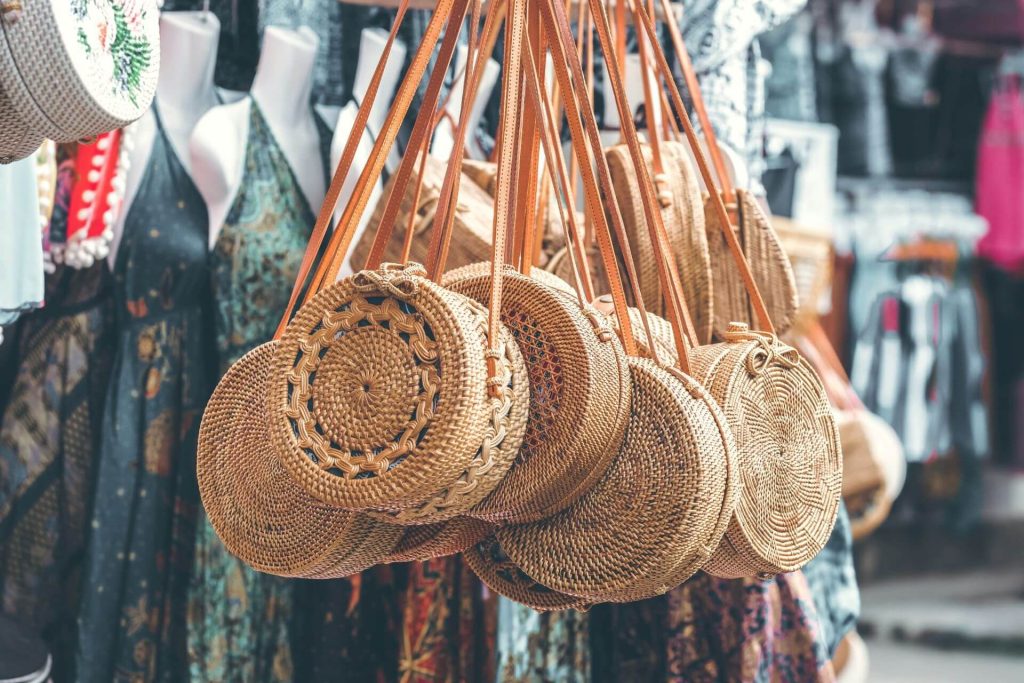
By staying longer and engaging locally, travelers reduce their carbon footprint and environmental impact, in essence respecting sustainable practices. Supporting local businesses, participating in volunteer work, and contributing to the local community ensure that tourism benefits remain within the destination. These practices help create sustainable experiences that are mutually beneficial rather than extractive.
Choosing depth over distance
Choosing one destination over many minimizes unnecessary transport and encourages care in consumption. Whether spending time in Costa Rica or lingering in a European neighborhood beyond the Eiffel Tower, it becomes less about accumulation and more about appreciation. This mindset aligns slow travel with sustainable travel values as it is a more thoughtful and responsible way of traveling.
How to practice slow travel on your next trip
Adopting slow travel does not require dramatic changes. It only needs intention and more flexibility. When you plan trips with flexibility, you leave room for spontaneous decisions. Choose one attraction per day, or none at all. Allow curiosity to guide movement rather than obligation. By resisting the urge to map every hour, you remain open to the unexpected.
Slow travel resonates strongly with digital nomads, creatives, and professionals who blend work and exploration. Yet it also suits anyone seeking authentic experiences, immersive experiences, and a deeper relationship with the world.
Ultimately, slow travel is about how you approach a destination and how you choose to live within it.
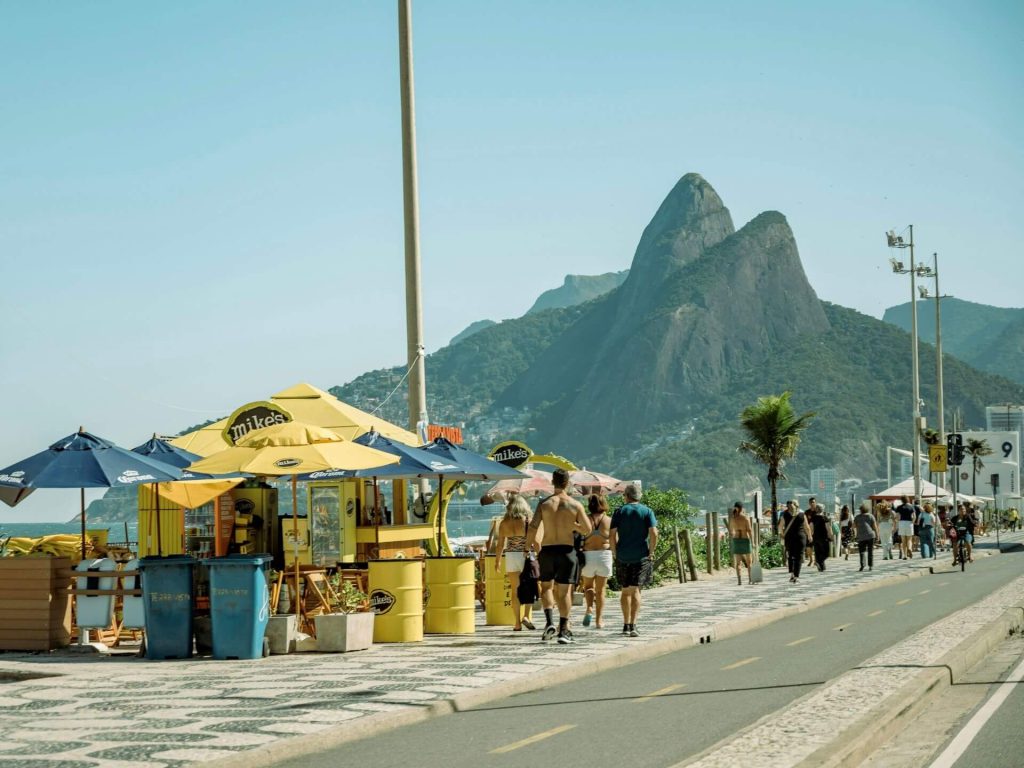
A more thoughtful way to experience the world
Slow travel reframes exploration as a practice of attention. By choosing a slower pace, you gain insights into local life, build deeper connections, and experience cultural immersion that extends beyond photographs and checklists. In a world that moves quickly, moving slowly when traveling becomes a conscious, meaningful choice.
