

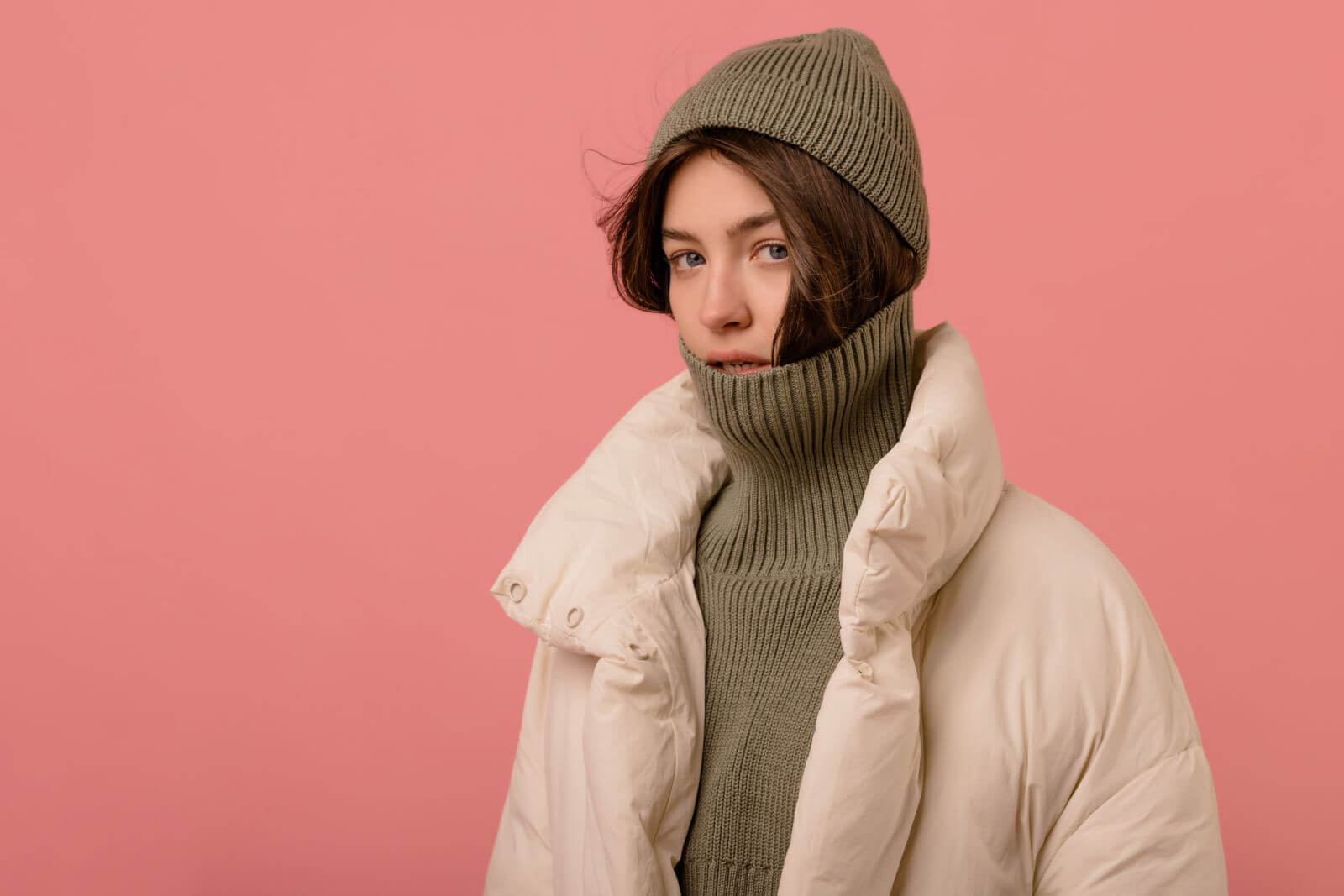
The summer and spring seasons are gone, and autumn is almost over in most countries. So, if you are preparing for a trip abroad this wintertime, figuring out what to wear can be a trick and a challenge. Most of us are more familiar with minimalist clothing, as we experience only wet and cold months. We do not dress for sub-zero temperatures at home, so winter clothing and fashion often come with a learning curve. Layering makes everything easier, letting you build warmth and style one piece at a time, from shirts and sweaters to coats and accessories.
Cozy, stylish cold weather fashion
The easiest way to create cozy, stylish, and functional outfits is to combine pieces like a button-up shirt, turtleneck, sweater, and tailored blazer or suit, then top them with a trench coat or a double-breasted coat. You can stay comfortable in colder climates while still expressing your fashion sense.
Layering not only keeps you warm but also allows you to mix textures, colors, and shapes to create outfits that reflect your personal style. Let’s explore how to master cold-weather fashion, from foundation layers to finishing touches, with practical tips and key inspiration.
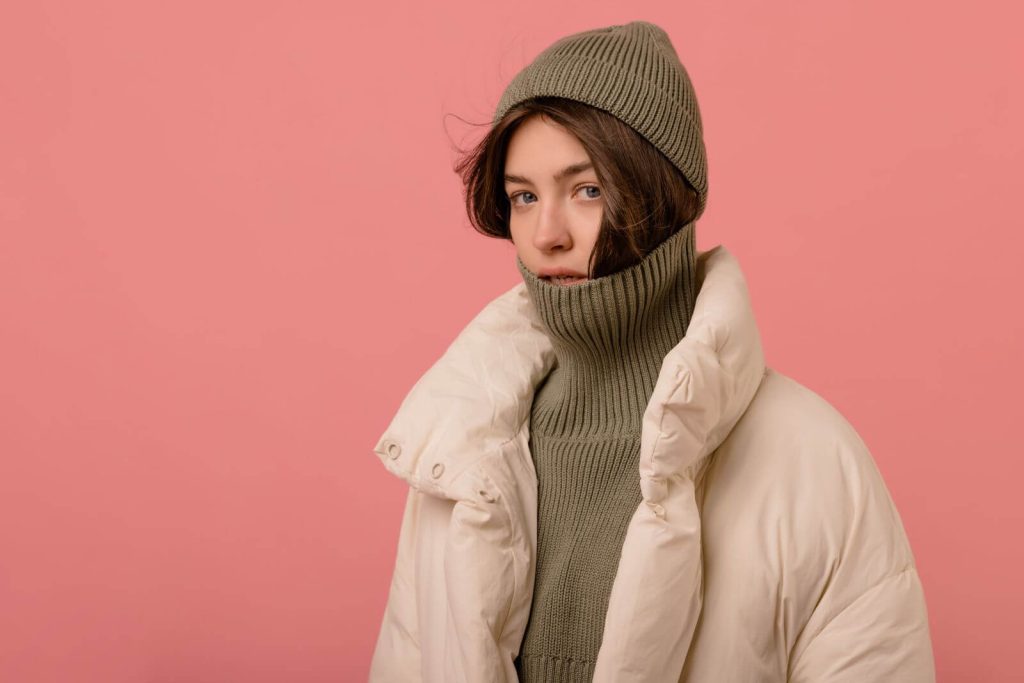
Image by lookstudio
The foundation of layering clothes
Every strong winter outfit begins with basics that sit closest to the skin, providing a foundation for layering clothes and ensuring warmth and comfort. These base layers are crucial because they determine how the rest of your outfit fits and feels.
Choose the right shirts and tops
Start with a button-down or button-up shirt in cotton, wool, or a Ralph Lauren-inspired classic. These are timeless cold-weather fashion staples that work well for both everyday wear and more formal occasions.
For extra warmth, add a turtleneck, knitwear, or cashmere sweater. These pieces are not only comfortable but also versatile, allowing you to mix and match with outer layers like a blazer or coat. A properly fitted base ensures your layered outfit maintains its shape while remaining cozy, even after several layers are added.
Across the board, opt for neutral shades such as cream, gray, or black for base layers. They are easier to pair with statement outerwear and colorful accessories.
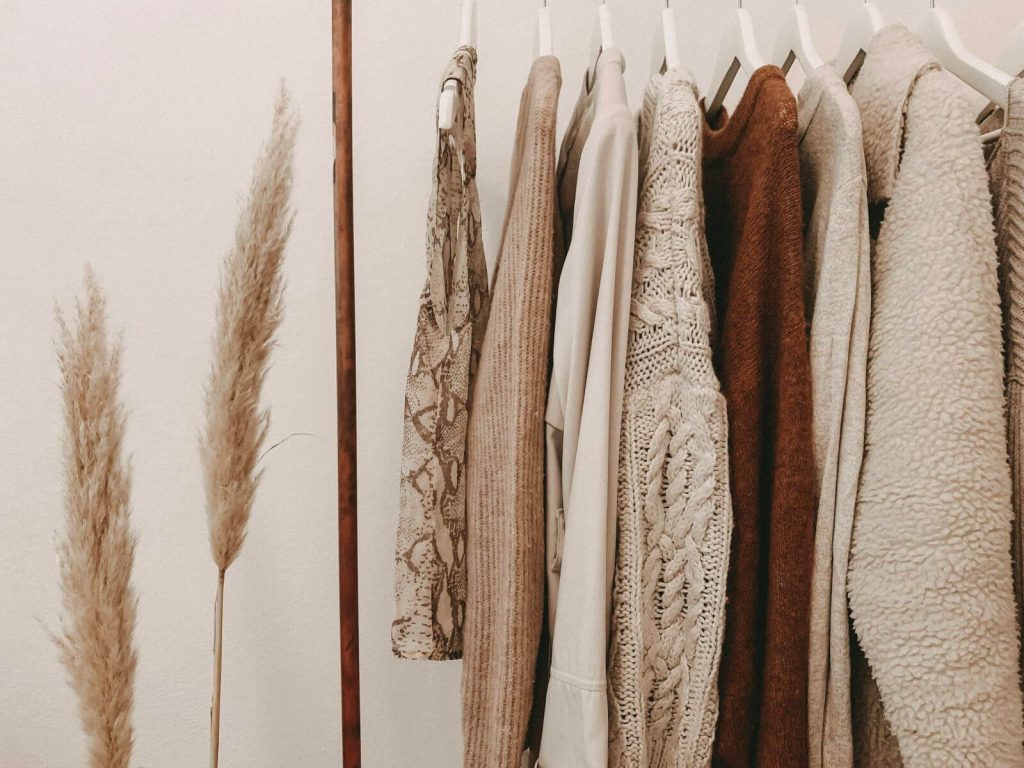
Photo by Alyssa Strohmann
Base layer fabrics and textures
When layering clothes, pay attention to fabric types to ensure both comfort and style. We recommend products of cotton materials which is breathable and lightweight, making it perfect for everyday wear, especially when you need pieces that feel easy and natural.
Wool offers warmth without adding bulk, allowing it to sit well under jackets or blazers while keeping you comfortably insulated. For colder days or when you want a more polished look, cashmere provides a soft, luxurious, and cozy option. Using the right fabrics helps your outfit stay warm yet comfortable—not heavy—while still giving you the freedom to move.
Layer strategically for warmth
Once your foundation layers are in place, it’s time to layer strategically for both warmth and style. Layering in the correct sequence allows you to adapt to changing temperatures, whether moving between indoor spaces or stepping outside in the winter sun.

Image by drobotdean
The classic layering sequence
A simple sequence to follow:
- Base layer of shirt or turtleneck
- Middle layer of sweater or lightweight knit
- Outer layer of blazer or light jacket
- Finishing layer of coat or trench coat
This approach ensures flexibility while keeping you warm without bulkiness.
Mix textures and colors
Mixing fabrics and textures to wrap yourself for winter travel adds depth and personality to an outfit, giving your layers a more intentional and stylish feel. You can pair denim under wool sweaters for casual warmth, layer leather jackets over cashmere for an edgy yet polished look, or use fleece for cozy weekends and relaxed outings.
Color combinations can elevate your style, too. Starting with neutral bases allows you to play with pops of color through coats, scarves, or boots. Inspired by fall runways, experimenting with textures and colors can turn simple basics into fashion-forward ensembles that look effortlessly put together.
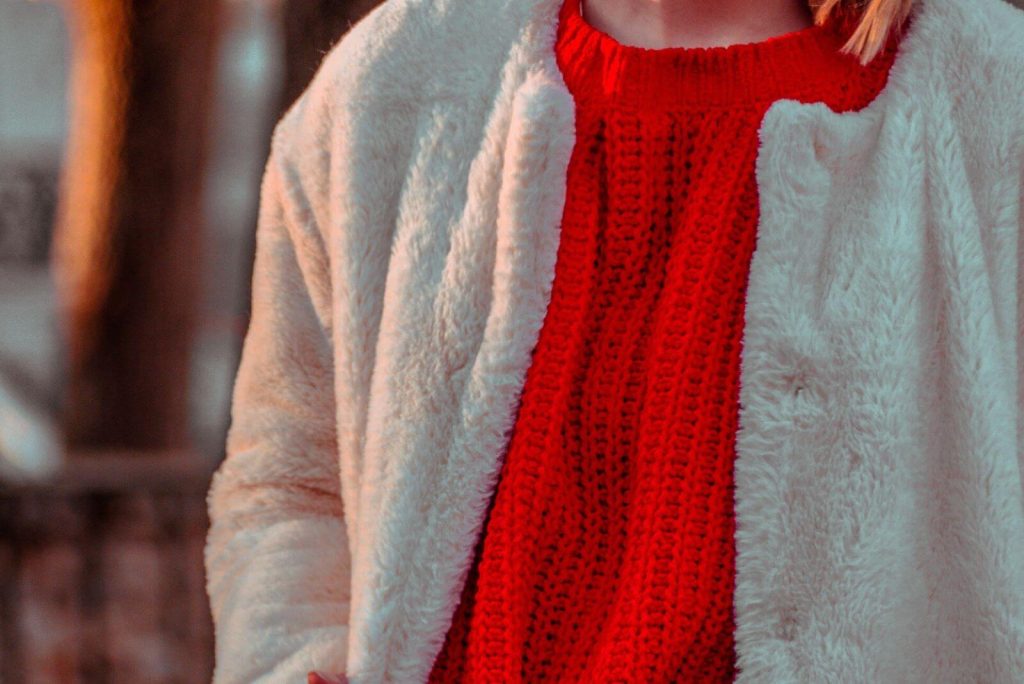
Image by valentinlacoste
Outer layers: jackets, coats, and accessories
After the foundation and middle layers, it’s time to add outer layers that define your cold-weather fashion style. These pieces provide insulation, protect against the elements, and complete your put-together look.
Choose the right coat or jacket
- Trench coats are perfect for transitional fall to winter days.
- Double-breasted coats give structure and elegance that are ideal for office or evening events.
- Leather jackets are casual, versatile, and stylish.
- Fleece-lined jackets for soft, warm, and comfortable for everyday wear.
- Waterproof jackets are essential for rainy or snowy weather.
When choosing outerwear, consider coat length, fabric, and color. Longer coats provide more warmth, while cropped jackets work well with slim pants or denim. Neutral shades like gray, black, or navy can be mixed easily with layered outfits, while a pop of color adds flair.
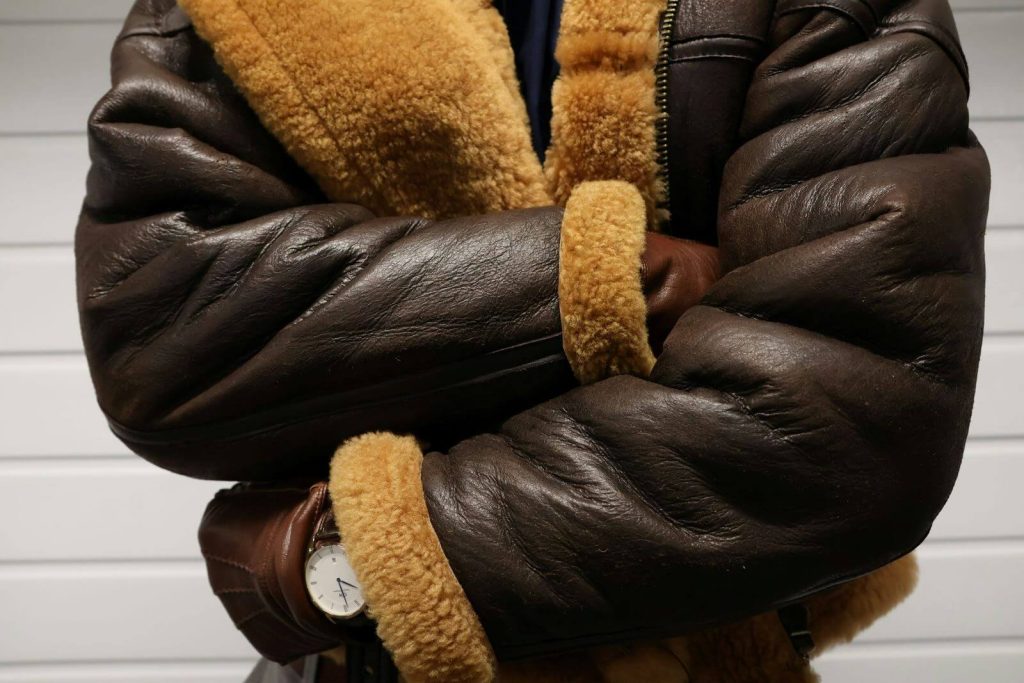
Photo by Alexandra Igaz
Accessories to complete the outfit
Do not forget accessories that are both functional and stylish. They complete your winter look while adding warmth where you need it. Gloves keep your hands from freezing. Leather offers a more elegant touch, while knit options give a casual, cozy feel.
Boots, whether ankle or knee-high, complement pants and provide added insulation for colder days. Belts can define your waist when layered over chunky coats, creating shape and balance. Scarves and hats introduce texture, color, and a finishing touch that pulls everything together.
By layering accessories thoughtfully, you can enhance your outfit, stay cozy, and create a polished winter wardrobe.
Mixing and matching layers for style and function
While layering clothes is mainly for warmth, it’s also an opportunity to express style.
Combining fabrics and textures
Pairing denim, wool, leather, fleece, and cashmere helps create visual interest and adds dimension to your look. You can also try a monochrome all black outfit, using textured layers to build depth and keep the style from feeling flat. For a bit of brightness, add pops of color through scarves, shirts, or coats. With proper layering, you can easily create versatile outfits that work for the office, social outings, or relaxed weekends.
Creating versatile outfits
Layered clothes adapt effortlessly to any setting. For a polished look suitable for work or dinner, pair a blazer with a sweater and a button-up shirt. For casual weekend comfort, combine a trench coat with denim pants. Mixing basics with statement pieces, such as boots or a double-breasted coat, allows you to stay warm, cozy, and stylish without sacrificing individuality.

Photo by Helga Pettersen
Practical layering tips for everyday wear
To make layering simple for everyday wear, start with thin-to-thick layering, moving from a shirt to a sweater, then a blazer, and finally a coat. Highlight your shoulders and waist to maintain a flattering shape even with multiple layers.
Adapt your layers for seasonal changes, whether dealing with winter sun indoors or cold outdoor temperatures. Organizing your closet by layering clothes, accessories, and fabric types makes it easier to put together outfits quickly.
Investing in statement outerwear, such as a trench coat, double-breasted coat, or leather boots, elevates your look. Additionally, mixing textures, fabrics, and colors keeps layered outfits visually interesting and ensures you remain both practical and fashionable throughout the season.
Layering inspiration from runways to everyday life
Fall and winter runways are a great source of cold-weather fashion inspiration. Designers pair trench coats, blazers, double-breasted coats, button-up shirts, sweaters, and pants in layered looks that balance warmth, style, and function.
Adapt these ideas for everyday outfits by adding boots, scarves, and gloves for a cozy, stylish winter wardrobe. Combine basics, statement pieces, and accessories to create your own unique layered ensembles.
Remember, layering clothes is practical, but it’s also a fashion statement that lets you enjoy the coldest days or winter sun without compromising on style.