

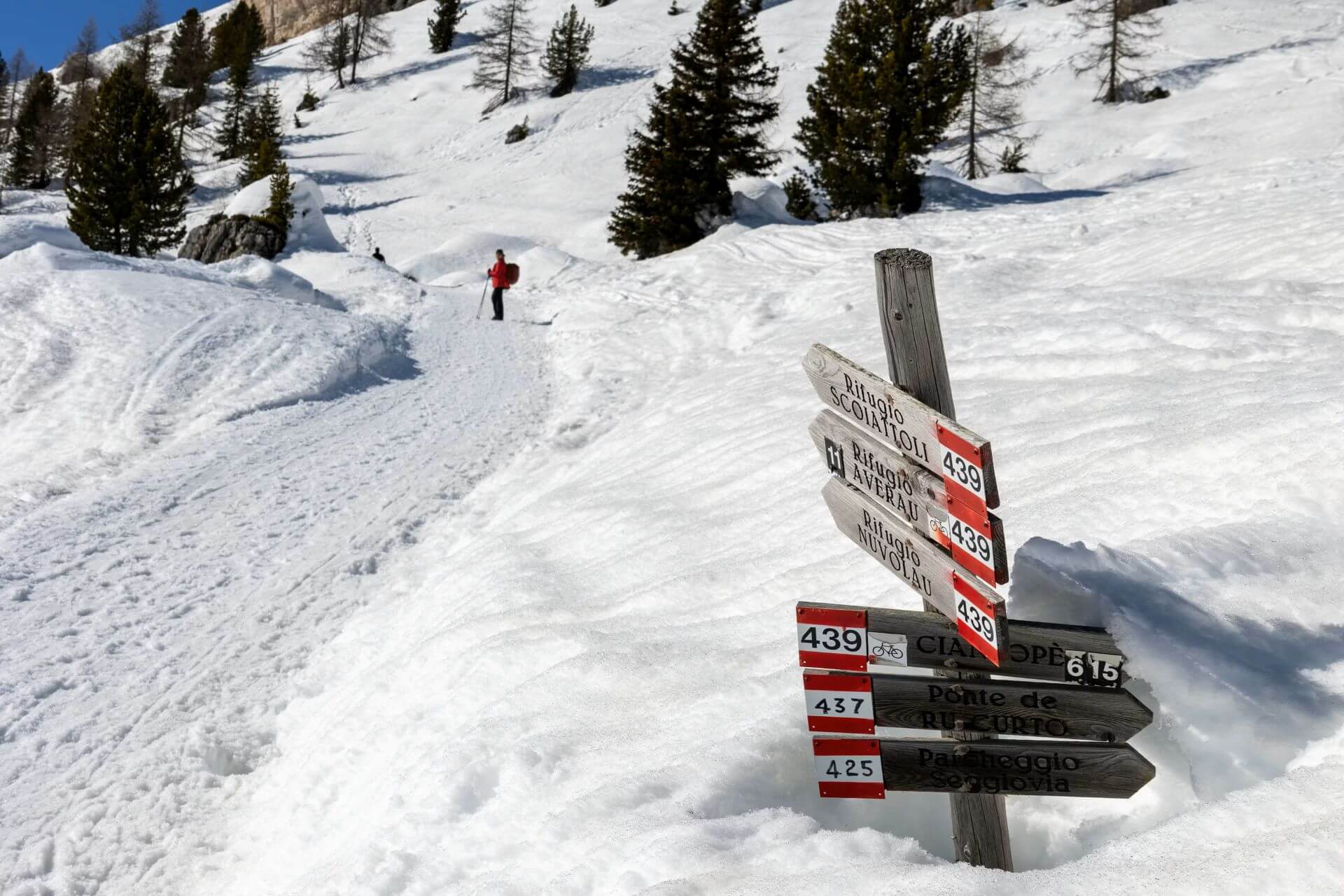
The Winter Olympics have long transformed host countries into a global stage where elite athletes and international audiences gather with unforgettable settings in the backdrop. In 2026, that stage stretches across northern Italy. The Milano Cortina Winter Olympics will stretch from Milan to the snow-covered peaks of the Dolomites, offering travelers more than a single host city to explore. It’s a rare opportunity to experience world-class sport alongside historic cities, alpine towns, and dramatic mountain landscapes in one journey.
This Winter Olympics 2026 travel guide takes you through the must-visit places around Milan and Cortina and helps you around Olympic venues, plan transport, and soak in the unforgettable Olympic atmosphere along the way.
Photo by Riccardo Lamon
What’s new in the Milano Cortina Olympics
Unlike the summer games, the winter Olympics are designed around geography. Winter conditions, altitude, and terrain matter, which is why the Olympic Games, especially the popular events, are spread across several regions. With the joint hosts Milano Cortina, urban ice sports and high-altitude competitions remain connected by efficient transport links.
The host cities Milan and Cortina d’Ampezzo anchor the Games, while surrounding mountain areas stage specific Olympic disciplines. The opening ceremony takes place in Milan at the Stadio San Siro, while the closing ceremony will be at the historic Verona Arena. Across the full games span, spectators move between competition venues, which you can follow for a multi-stop experience when visiting Italy.
The best places to stay around Milan and Cortina
Catching multiple events at the Olympics often means looking out for schedules and key dates, and hopping across regions. From the bustling major cities to quieter alpine towns, each stop adds a different layer to your trip.During this period, anything from accommodations to event tickets, have very high demand so it is important to plan and book your trip way ahead of time. It is also important to secure reliable mobile data to keep abreast of any changes in the events.
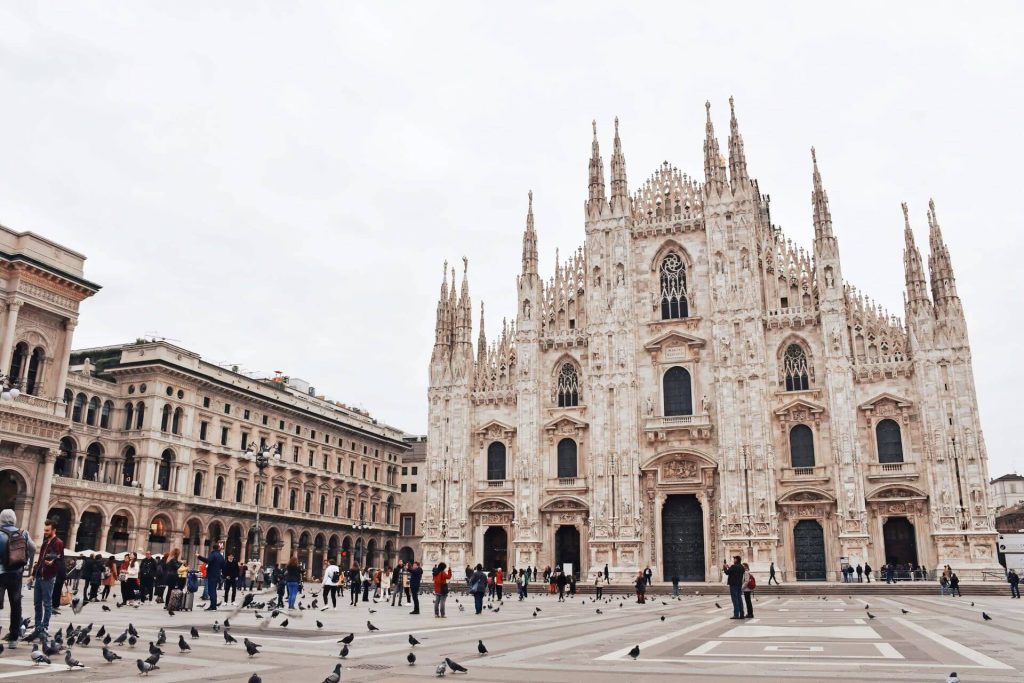
Photo by Daryan Shamkhali
Milan: The cultural and ice sports hub
Milan is where your winter games experience is most likely to begin. As the cultural and ice sports hub of the Olympics, the city hosts many of the most in-demand winter sports, along with the opening ceremony at Milan’s San Siro Stadium, one of Italy’s most iconic venues. If you’re hoping to see the Games’ biggest moments, basing yourself in Milan makes planning much easier.
You’ll find ice hockey, figure skating, speed skating, and curling events spread across the city, so choosing accommodation near the big venues or metro lines can save you valuable time on event days. When you’re not watching competitions, Milan gives you plenty to fill your schedule, whether that means exploring the historic centre, strolling through the city center, or diving into the city’s world-class culture, from museums and landmarks to local dining spots.
Getting around is simple thanks to Milan’s public transport, which connects Olympic venues, major train stations, and different neighborhoods efficiently. If you plan to attend events in other host locations, Milan’s rail connections also make it a smart launch point for a longer Olympics trip, allowing you to move easily between the city and the alpine venues beyond.
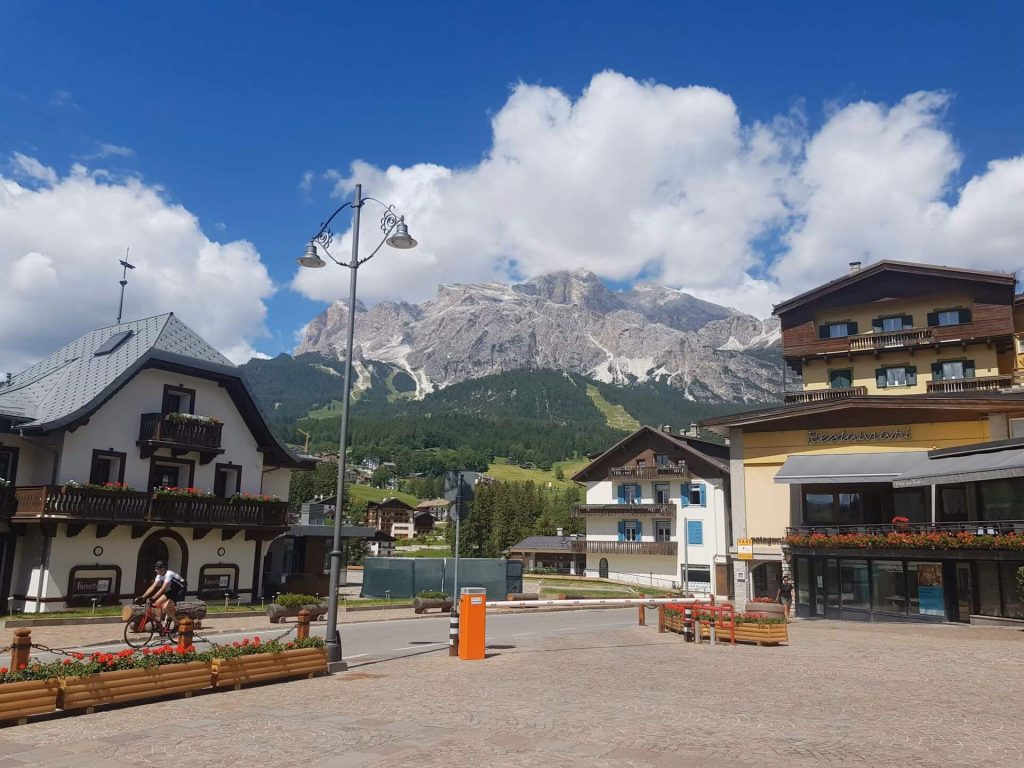
Photo by Raquel Pereira
Cortina d’Ampezzo: The heart of alpine competition
If you want to be close to the most iconic mountain venues of this year’s Winter Olympics, Cortina d’Ampezzo is where you’ll want to base yourself. If you’re a fan of visiting the world’s best mountain regions, Cortina is as familiar as a resort town. For the Games, the locale will host headline competitions such as alpine skiing, freestyle skiing, ski mountaineering, sliding sports, and ski jumping.
Because Cortina is compact, you can plan your days efficiently by staying near event venues or along key transport routes. When you’re not at competitions, the town’s main promenade, Corso Italia, is the natural place to unwind—plus, it’s pedestrian only. This means you’ll be able to appreciate the cafés, boutiques, and open mountain views better, and you can move from event viewing to relaxed evenings.
Cortina offers a more intimate Olympic atmosphere than larger host cities. With venues woven into daily life and snowy peaks surrounding the town, you’ll experience the Games at a slower, more immersive pace by watching competitions during the day and enjoying the town’s alpine character as night falls.
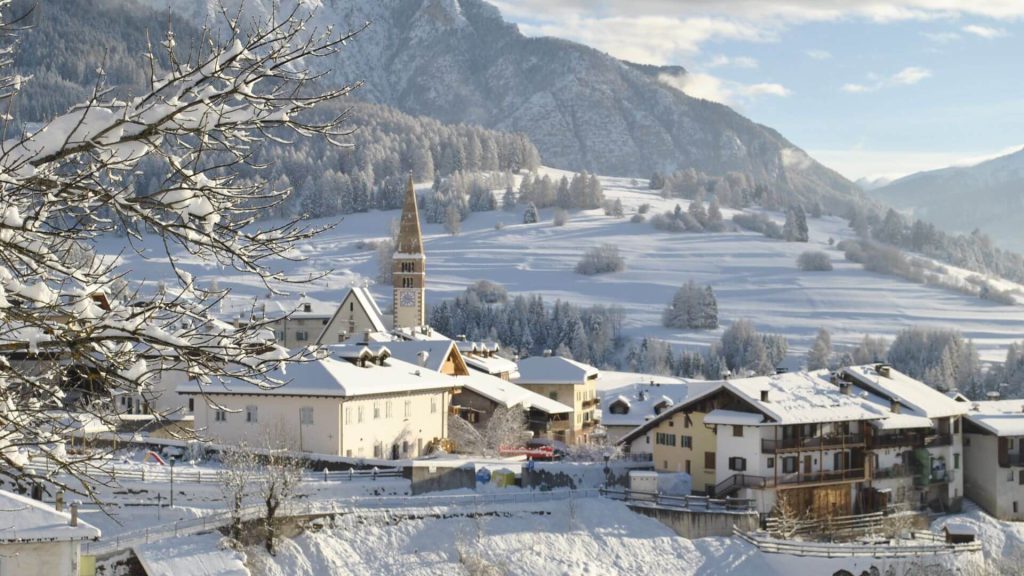
Image from Ville di Fiemme
Val di Fiemme and Nordic event areas
If you’re drawn to endurance-based competition, Val di Fiemme and nearby valleys are where you’ll want to spend your time. These areas host key Nordic events, including cross-country skiing, cross-country, and biathlon, set within forested courses built for long-distance racing. Planning ahead is essential here, as event schedules often span multiple days and venues are more spread out than in city-based locations.
These Nordic event areas offer a quieter Olympic atmosphere, making them ideal if you want to focus on athletes’ technique, stamina, and race strategy rather than large crowds. Between events, the surrounding mountain regions give you natural breaks in your schedule, which is just perfect for scenic walks, relaxed meals, or short excursions that let you balance competition viewing with time outdoors.
South Tyrol and nearby alpine towns
If you prefer a slower-paced base during the Games, South Tyrol and other Alpine towns give you more flexibility. These mountain towns and other nearby towns are well-positioned for attending major events while staying outside the busiest Olympic hubs. Choosing accommodation here can help you avoid peak congestion without sacrificing access to venues.
On days without scheduled competitions, exploring nearby cities lets you pace your trip and recover from early starts or long event days. These stops showcase the variety of Italy’s mountain culture while making it easier to manage crowds around high-demand events, especially during peak competition periods.
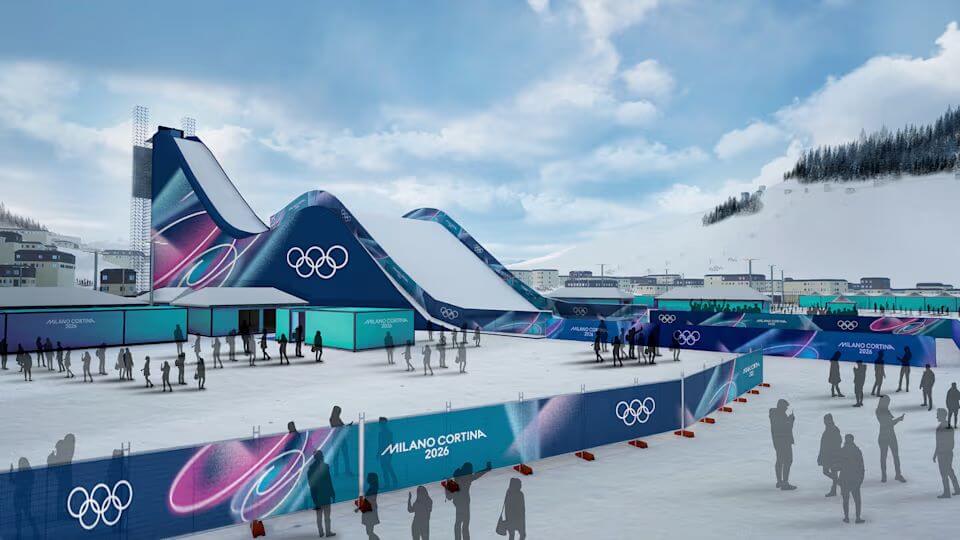
Image from Olympics – Milano Cortina 2026
Getting around during the Winter Olympics
Getting around efficiently during the Winter Olympics requires advance planning, especially with high demand expected throughout the Games. Italy’s rail network will be your main advantage, with high-speed trains connecting major cities like Milan to regional hubs, and regional trains providing access to mountain entry points. Booking train tickets early and building extra buffer time into your schedule can help you avoid peak congestion.
Within Olympic zones, local transport systems are reinforced through official services and supported by official transport links and real-time transport apps. You should also expect Olympic limited traffic zones, where private vehicles are restricted. In many cases, reaching venues depends on shuttle access, cable car systems, and designated routes for venue entry rather than driving yourself.
Mapping out routes in advance, especially when moving between competition venues on tight schedules, will reduce stress and help you stay on track during busy event days.
Tickets, planning, and what to expect on the ground
Securing tickets early is essential, as ticket prices and availability vary by sport. High-demand events such as ice hockey finals or alpine skiing races tend to sell out quickly, so prioritizing these as soon as sales open is a smart move. Some travelers choose official hospitality packages, which can simplify logistics by bundling premium seating, transport, and on-site amenities.
For major milestone moments, closing ceremony tickets are expected to be especially competitive, along with Paralympic tickets for those extending their stay beyond the main Games. Managing schedules, tickets, and venue updates is much easier with the official app, which provides real-time alerts, transport guidance, and logistics support.
Because venues can be crowded and spread out, reliable connectivity is essential. Having strong and dependable mobile data plans allows you to access schedules, maps, and last-minute updates without delays.
Making the most of one Olympic trip
What makes this edition of the Olympic Games unique is that it also offers travelers the opportunity to follow sport across multiple landscapes. With competitions spread out, you can plan your itinerary to include everything from fast-paced ice sports in Milan to outdoor races in the mountains.
This layout encourages a more balanced travel rhythm, so you can combine Olympic sport with exploration. By aligning travel days with competition schedules, you can attend multiple events while experiencing the variety of Italy’s regions at a manageable pace.
From Milan’s unrestrained energy to the alpine calm of Cortina, the Milano Cortina 2026 Winter Olympics transforms northern Italy into a living map of sport, culture, and scenery.
