

For decades, Filipino families associated quality education with crowded streets, long commutes, and historic campuses in the heart of Metro Manila. Studying meant adjusting daily life around traffic, limited space, and a fast-paced city lifestyle.
Today, however, priorities are shifting. As families seek balance between learning, well-being, and home life, the universities and educational hubs in the south of Metro Manila are steadily redefining what academic excellence looks like in the Philippines.
Photo by Allen Y
Moving outside the traditional academic centers
For many generations, higher education in the Philippines revolved around a few key locations. Areas in Manila, in particular, formed the historic University Belt, where prominent schools, college campuses, and institutions clustered closely together. These districts became synonymous with prestige, academic rigor, and opportunity.
The “Core U-Belt” North of Pasig is a highly dense area, centered around Sampaloc, San Miguel, Quiapo, Sta. Cruz, benefiting from key thoroughfares such as España Boulevard, Claro M. Recto Avenue, Mendiola Street, Nicanor Reyes Street, and Legarda Avenue. This cluster hosts some of the major universities in the country, like the University of Santo Tomas, Far Eastern University, University of the East, National University, San Beda University, and Centro Escolar University.
The cluster of Taft Avenue that extends from Ermita to Malate includes prestigious academic institutions such as De La Salle University, the University of the Philippines Manila, Adamson University, the Philippine Normal University, and the Philippine Women’s University.
Lastly, the Intramuros cluster located within the historic walled city of Intramuros where you can find the Pamantasan ng Lungsod ng Maynila, Mapúa University, Lyceum of the Philippines University, and Colegio de San Juan de Letran.
The concentration made sense at the time. Being near government offices, libraries, and commercial centers supported the early development of the country’s education system. Students from different parts of the country converged on these districts to shape a shared academic culture.
Yet, as Metro Manila expanded and population density increased, challenges emerged. Daily time lost in traffic, limited room for campus growth, and rising living costs began to affect both students and families. Even in a big metropolitan area like Quezon City, where major universities are located, accessibility became a growing concern.
These realities encouraged families to review long-held assumptions and respond to new possibilities beyond traditional academic centers.
Why the South is emerging as a center for academic growth
What was once considered peripheral is now becoming central in Philippine education. The South of Metro Manila offers conditions that modern universities need to thrive: space, connectivity, and room for innovation.
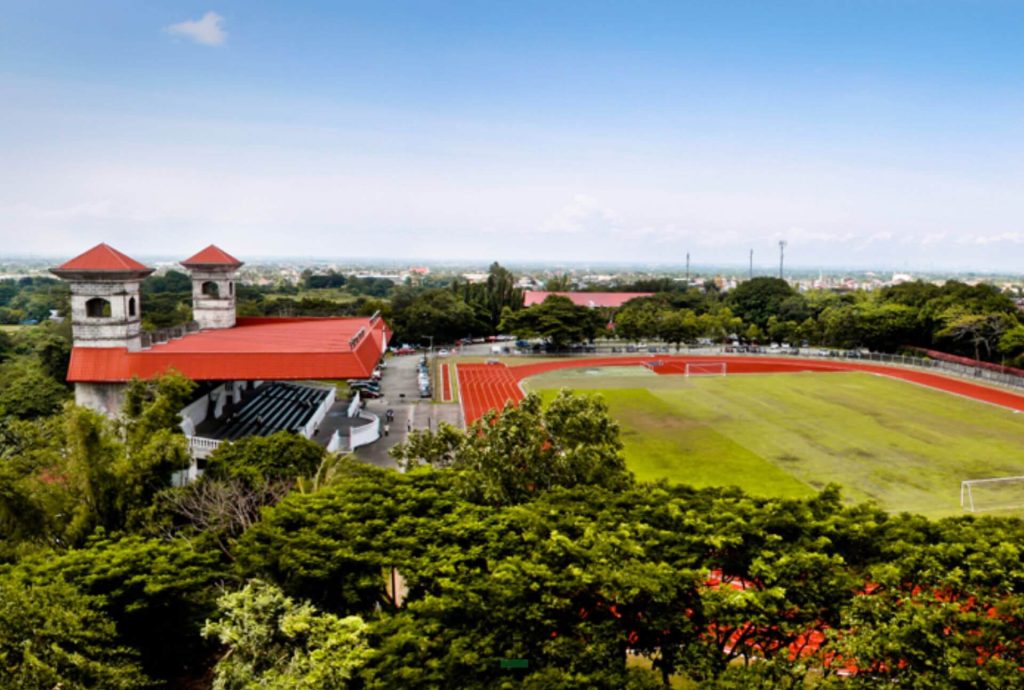
Photo from DLSU Dasma
Space and accessibility
Southern cities allow campuses to be designed with intention. Wider roads, open grounds, and thoughtfully planned buildings support a healthier learning environment. Students benefit from shorter commutes that avoid heavy traffic specially during the months of November to December, between home and school, giving them more time for study, rest, and personal development.
Accessibility also plays a major role. Improved infrastructure strengthens the connection between cities, making daily routines more convenient. For families, this ease of movement makes sending kids to school a breeze instead of a big life adjustment with constant logistical challenges.
Academic ecosystems built for the future
Beyond physical space, the South supports modern approaches to learning. Universities in the South are well-equipped with information technology, like the provision of temporary ray ID during enrollment, that integrates into classrooms, laboratories, and research facilities. These tools prepare students for evolving industries while reinforcing a responsive education system that values adaptability and service.
This environment also encourages students to hone practical skills while maintaining strong academic foundations. Even outside of the National Capital Region, schools in the South can produce students who can compete in the global landscape.
Recognized universities in the South
The credibility of any academic center depends on the strength of its institutions. The rise of the South does not diminish established universities but builds upon their influence.
Long-established universities and their influence
For decades, De La Salle University has stood as one of the country’s most influential institutions of higher education. Proceeding its main campus in Metro Manila, DLSU’s campuses have helped shape national standards in business, engineering, science, and liberal arts.
La Salle’s reputation is built not only on academic rigor but also on its consistency in producing graduates who move confidently into leadership roles across industries. This long history gives families a clear point of reference when assessing quality, values, and long-term credibility in education.
Also coming to the South is Ateneo de Manila University’s newest campus. Ateneo has long been regarded as a benchmark of academic excellence, particularly in the humanities, social sciences, and leadership formation. While its main campus in Quezon City remains iconic, Ateneo’s planned expansion into South Luzon is an important move, hinting that the demand for top-tier education is no longer confined to the traditional University Belt, but is increasingly aligned with emerging growth areas beyond Metro Manila.
Alongside these flagship institutions, several universities in the South further strengthen the region’s reputation as an emerging academic hub:
- Lyceum of the Philippines University: Known for its strong programs in hospitality, tourism, business, and health sciences, LPU-Cavite brings industry-aligned education to the South, attracting students who value practical training and global exposure.
- National University: National University Dasmariñas offers accessible, career-focused programs in engineering, education, and business, supporting the growing demand for quality higher education close to residential communities in the South.
- University of Perpetual Help System: With a long-standing presence in the region, University of Perpetual Help is recognized for its medical, allied health, and professional programs, contributing to the south’s steady pool of skilled graduates.
Expansion, credibility, and institutional trust
For families, trust matters. Universities that are established, founded on clear principles, and widely recognized signal long-term commitment to quality education. Southern institutions increasingly demonstrate this stability, reassuring parents that choosing the South is not a compromise but a confident decision aligned with national academic standards.
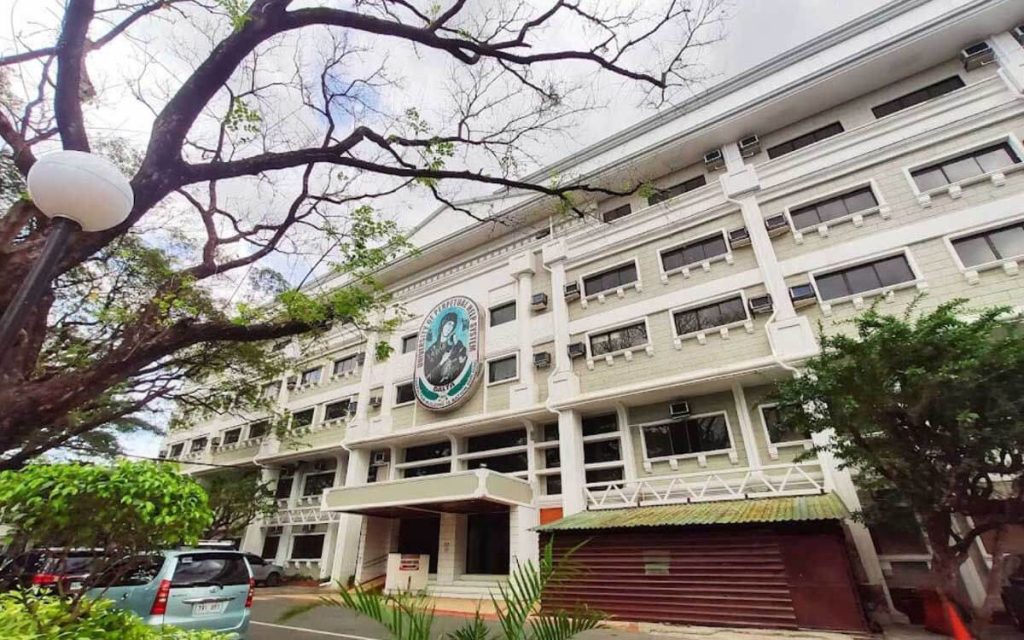
Photo from University of Perpetual Help System Dalta
Programs that attract students to the south
While location matters, academic offerings remain the heart of any university. Southern campuses are gaining interest because of programs that align closely with career pathways and real-world needs.
Career-focused disciplines are gaining interest
Fields such as business management, accountancy, commerce, and business continue to attract students preparing for leadership roles. At the same time, demand for engineering, information technology, and applied technology reflects the country’s growing digital economy.
Health and science programs are also prominent. Courses in nursing, biology, and other human sciences respond to global and local needs, while psychology supports the increasing focus on mental well-being and community care.
Holistic academic tracks
Beyond technical skills, students pursue growth through the arts, law, and interdisciplinary programs that emphasize ethics, creativity, and critical thinking. These tracks help in preparing future leaders committed to meaningful service, reinforcing education as both professional preparation and social responsibility.
A safer, more supportive learning environment
Academic success depends on more than classrooms. Families increasingly consider safety, stability, and support systems when choosing a university location.
After the students verification successful waiting, southern campuses prioritize security and creating spaces where children and young adults can focus on learning with peace of mind. Programs and facilities designed with inclusivity support both women and diverse student populations.
This environment encourages students to stay focused on completing their degrees, earning a diploma, and progressing through education with confidence. Plus, a supportive academic system reduces distractions and builds resilience throughout the university journey.

Photo by Rebeca Alvidrez
Accessible education helps long-term planning
Education choices today dictate lifestyle decisions. Families now view schooling as part of a broader life plan that also impacts home, work, and personal growth.
Living near educational centers allows families to better manage daily routines and stay engaged in their children’s academic lives. Parents can more easily respond to school needs, attend activities, and remain connected to the learning process. For students, proximity supports independence while maintaining family ties.
With more universities coming to the South, families that aspire to live close to reputable schools now have more options. Reviewing programs, making a clear list of priorities, and eventually taking decisive action have become more manageable when quality institutions are within reach.
With schools close by, parents can support every aspect of their kids’ education. Instead of just watching campus videos, they can now help their incoming students check enrollment schedules or help them with requirements.
It’s the best time to look South
The rise of the South as an academic hub is a welcome transformation in Philippine education. By combining space, accessibility, strong programs, and trusted institutions, the South is emerging as a true center of learning and opportunity. For families seeking balance between academic quality and everyday life, this shift offers a compelling vision of education that supports both ambition and well-being. Find your home close to these institutions with Crown Asia.
