

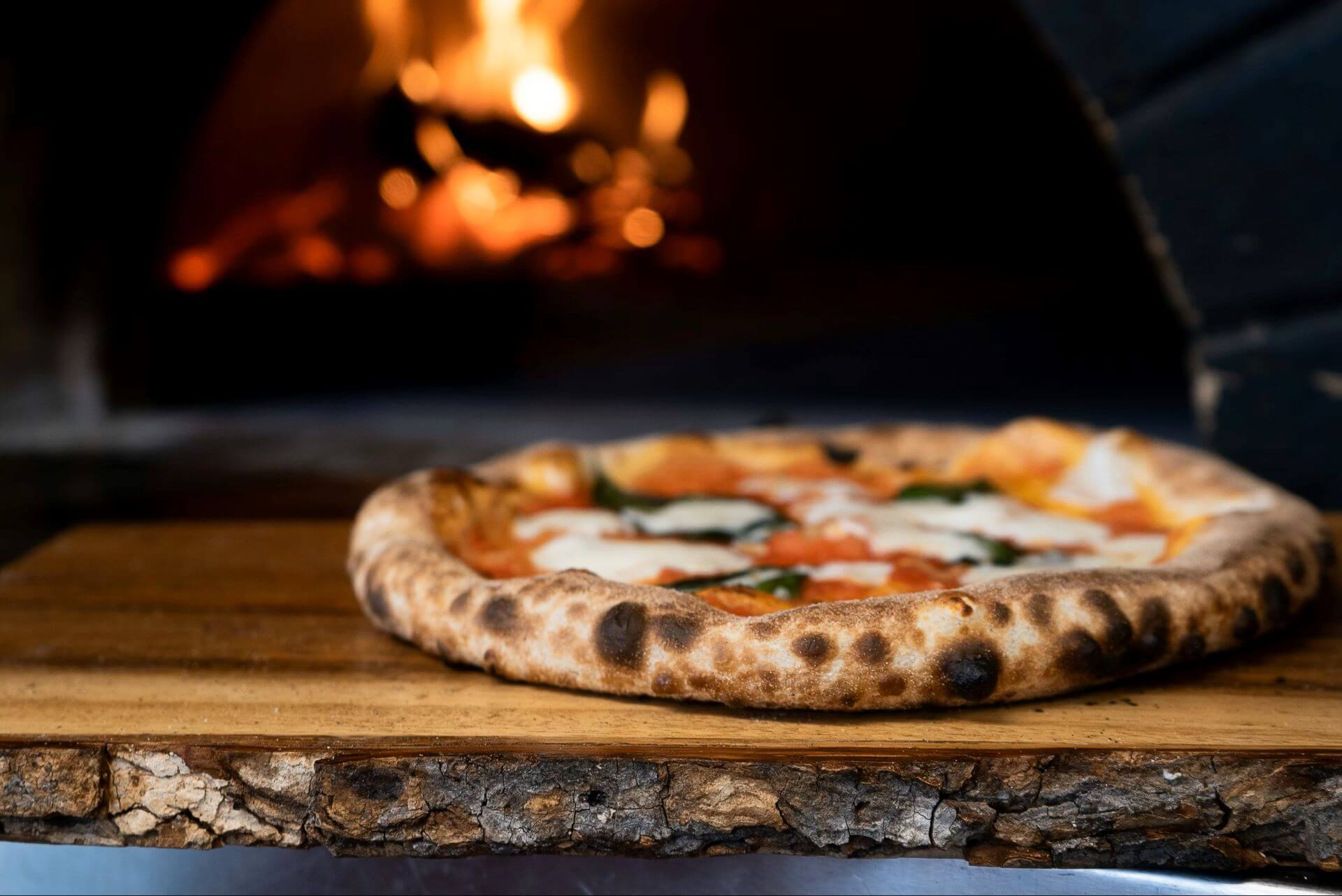
There’s a certain rhythm to making pizza at home that doesn’t rush itself. Flour dusts the counter, dough rests quietly under a damp cloth, and the kitchen fills with the warmth of a hot oven waiting to work. When learning how to make Neapolitan pizza at home, more or less the same concept applies. That means absolutely no shortcuts or speed.
Neapolitan pizza has always been rooted in craft. Long before pizza makers relied on gadgets or frozen dough, they worked with just flour, yeast, water, and heat. Recreating that experience today is what separates an ordinary kitchen from an artisan’s space. With enough trials, cooking Neapolitan-style pizza can become second nature to you.
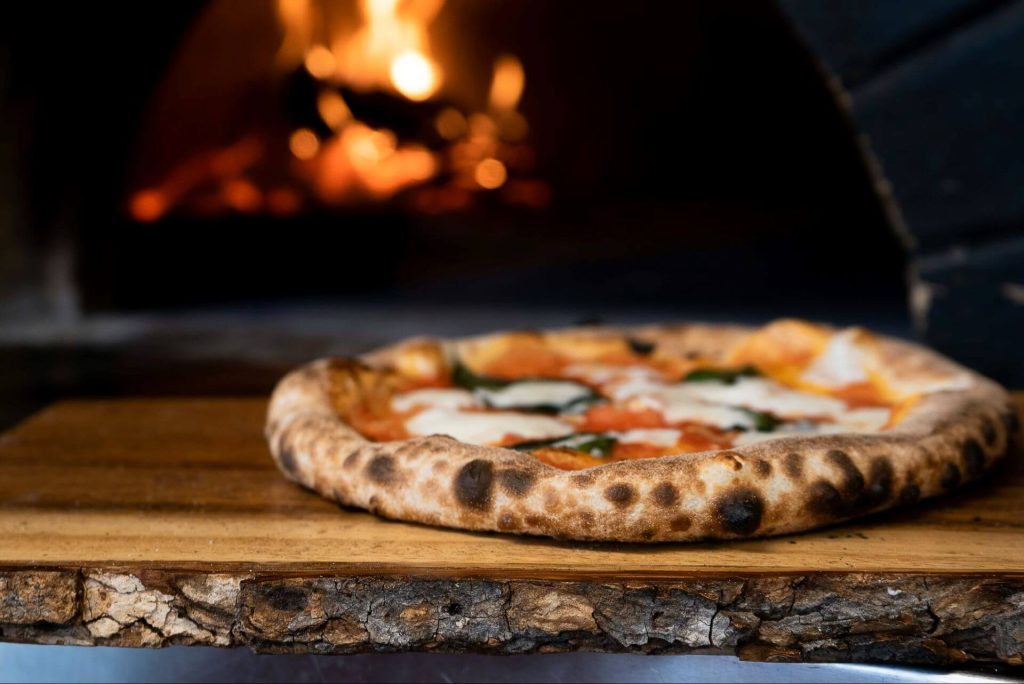
Photo by Nik Owens
What is an authentic Neapolitan pizza?
Before diving into the process and eating pizza, it helps to understand what truly separates authentic Neapolitan pizza from other styles. This isn’t a thick, heavily topped dish or a crispy bar-style pie. Neapolitan pizza is restrained, deliberate, and formed by technique.
Neapolitan-style pizza is known for its thin crust. This is also often described as an airy crust structure with a chewy texture. The dough puffs gently at the edges while remaining soft in the center, so what you get is a pizza crust that bends easily when lifted into a pizza slice. Toppings are minimal by design, so you can still appreciate the base.
This balance is what defines authentic Neapolitan pizza. All you need is to give equal attention to every element, from the dough to the heat.
How to get the authentic Neapolitan pizza dough
If there’s one non-negotiable step on how to make Neapolitan pizza at home, it’s the dough. Neapolitan pizza dough isn’t complicated, but it requires a bit of precision.
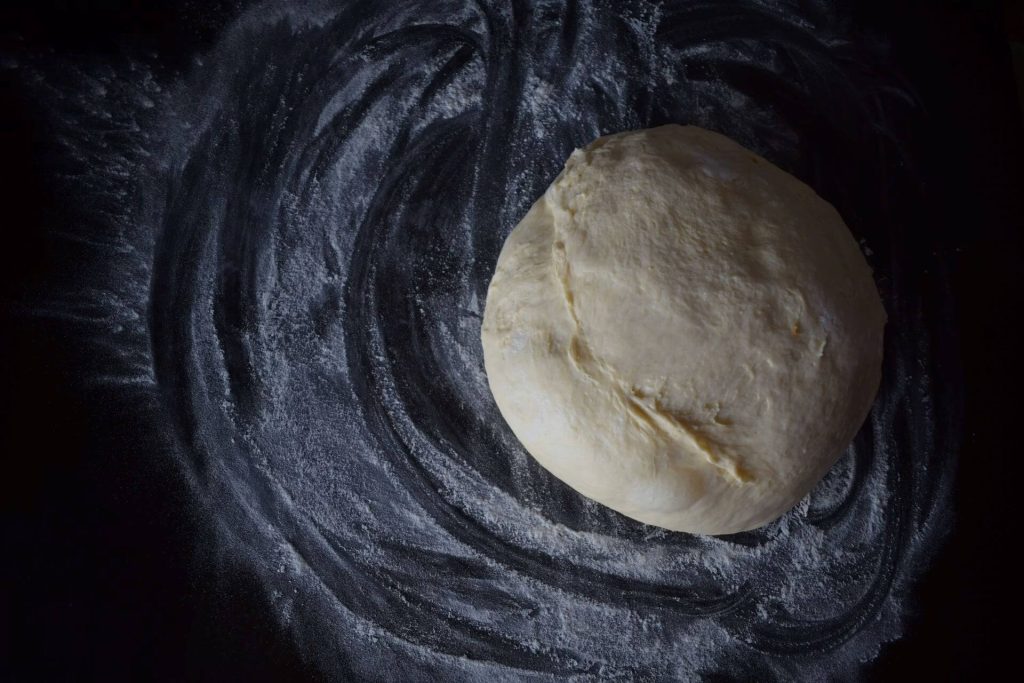
Photo by Tamara Gak
Choosing the right ingredients for the dough
Traditional pizza dough is just flour, water, salt, and yeast. Bread flour is often preferred for its protein content, which supports structure while still allowing flexibility. Yeast choices matter too. Some pizza makers favor fresh yeast for its subtle flavor, while others rely on instant yeast for consistency.
But if you’re aiming for authentic Neapolitan dough, you have to create a high-hydration dough, which means more water relative to flour. This creates a sticky dough that feels unruly at first but bakes into that signature airy crust. It may feel counterintuitive, but resisting the urge to add extra flour is key.
Mixing, resting, and cold fermentation
A stand mixer fitted with a dough hook attachment can help bring the dough together, though hand mixing works just as well. Once combined, the dough should rest, then be divided into individual dough ball portions.
Cold fermentation is where flavor develops. By placing the dough in an airtight container or wrapping it with plastic wrap and letting it rest in the refrigerator, the yeast works slowly, deepening the taste and improving the texture. Before shaping, bring the dough back to room temperature so it relaxes and stretches more easily.
How to shape the dough without losing air
Shaping is where many first-time attempts fail. Neapolitan pizza relies on preserving the air created during fermentation.
Start on a lightly floured surface, brushing away excess flour that could burn in the oven. Using gentle pressing motions, work from the center outward, pushing air toward the edges. Massaging the dough outwards builds the raised rim while keeping the center thin.
For best results, avoid rolling pins altogether. Instead, gently stretch the dough with your hands, lifting and rotating as needed. The goal is a thin crust that stays tender, not compressed.
How to get the simple sauce and classic toppings right
Once the dough is shaped, use restraint as your guiding principle again. This is because Neapolitan pizza is ultimately about balance.
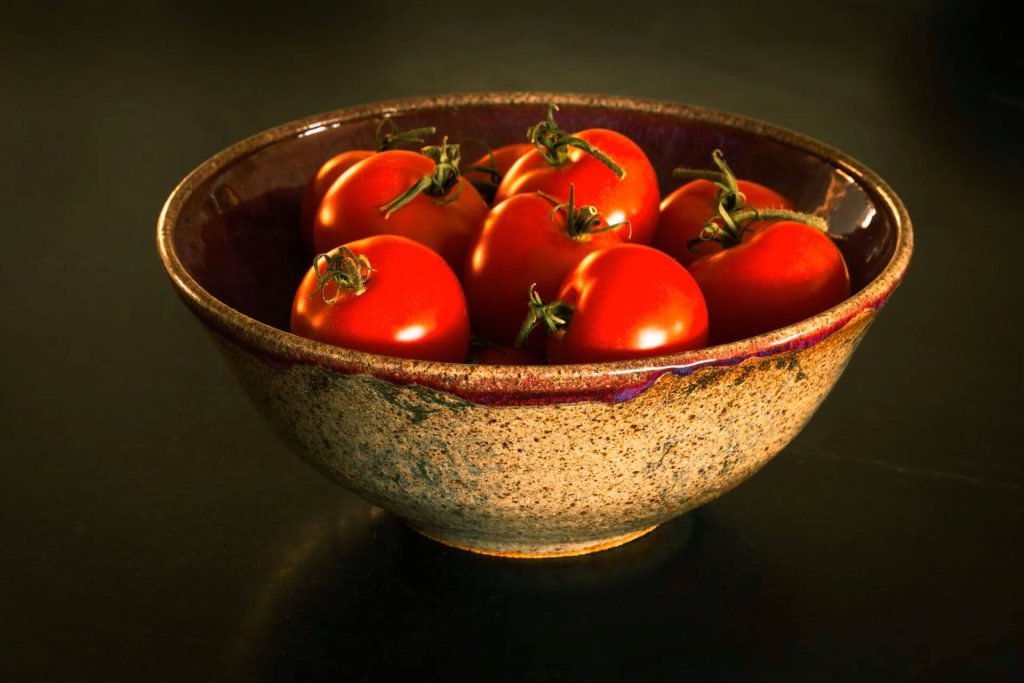
Photo by Earl Wilcox
Making a fresh, uncooked tomato base
A traditional pizza sauce is usually made of crushed tomatoes seasoned lightly with salt. This simple sauce isn’t cooked beforehand, allowing the tomato sauce to retain its brightness during baking. Using paper towels to drain excess liquid helps prevent a soggy center. This method keeps the consistency of the dough and complements any authentic Neapolitan pizza recipe.
Cheese, herbs, and finishing oils
Fresh mozzarella cheese is the standard, and you can use either fresh mozzarella or any Fior di Latte you can get your hands on. Tear it by hand rather than slicing to ensure even melting. A few leaves of fresh basil add aroma, while a drizzle of extra virgin olive oil finishes the pizza just before or after baking. Some variations include a light sprinkle of Parmesan cheese, but moderation is essential. Each topping should support, not dominate.
Cooking Neapolitan-style pizza at home
The final—and often most challenging—element is to master how you cook pizza at home.
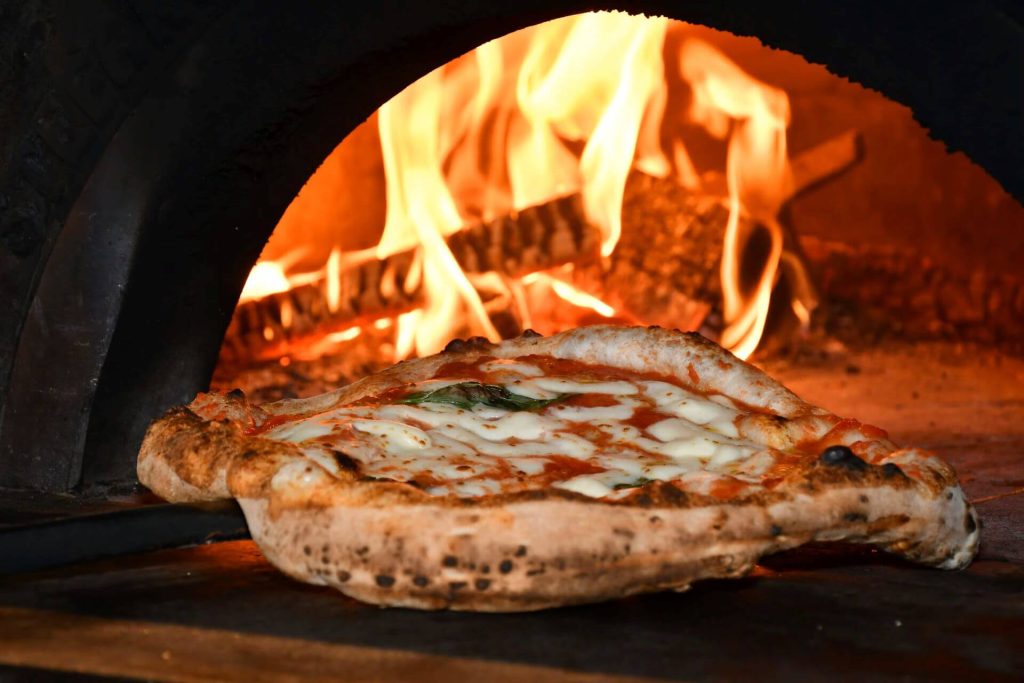
Photo by Fabrizio Pullara
Using a pizza oven or wood-fired oven
A proper pizza oven or wood-fired oven reaches extreme temperatures, delivering intense radiant heat and circulating hot air. These high-heat ovens allow the pizza to cook in under two minutes, creating a crisp exterior while keeping the interior soft. The ability of your oven to retain heat consistently is what gives the traditional Neapolitan pizza its characteristic finish.
Making it work in a regular or home oven
However, not every kitchen is ready for a pizza oven. But a regular oven can still produce excellent results. You can place a pizza stone on the oven rack and allow it to preheat thoroughly. A preheated pizza stone mimics the intense base heat needed for proper pizza cooking.
Using parchment paper can help transfer the pizza onto the stone if you’re still mastering the pizza peel. Once comfortable, sliding the pizza directly from the peel to the stone creates better contact and texture. Set the oven to its hottest setting and let it work at full power.
How to serve for the best results
Once baked, Neapolitan pizza waits for no one. Timing matters as much at the table as it does in the oven. A great Neapolitan pizza comes with a lightly charred, crispy crust on the outside and a soft, flexible center. The airy crust should spring back when pressed, and the pizza slice should fold without cracking. This is pizza made to be eaten immediately, shared while still warm.
A craft worth slowing down for
Making authentic Neapolitan pizza at home is a lesson in patience and attention, but it is also a rewarding experience. You may initially wrangle with your sticky dough or fail to master how your oven behaves, but every attempt teaches something new. Over time, the process can become second nature to you, and you’ll be serving them regularly.
