

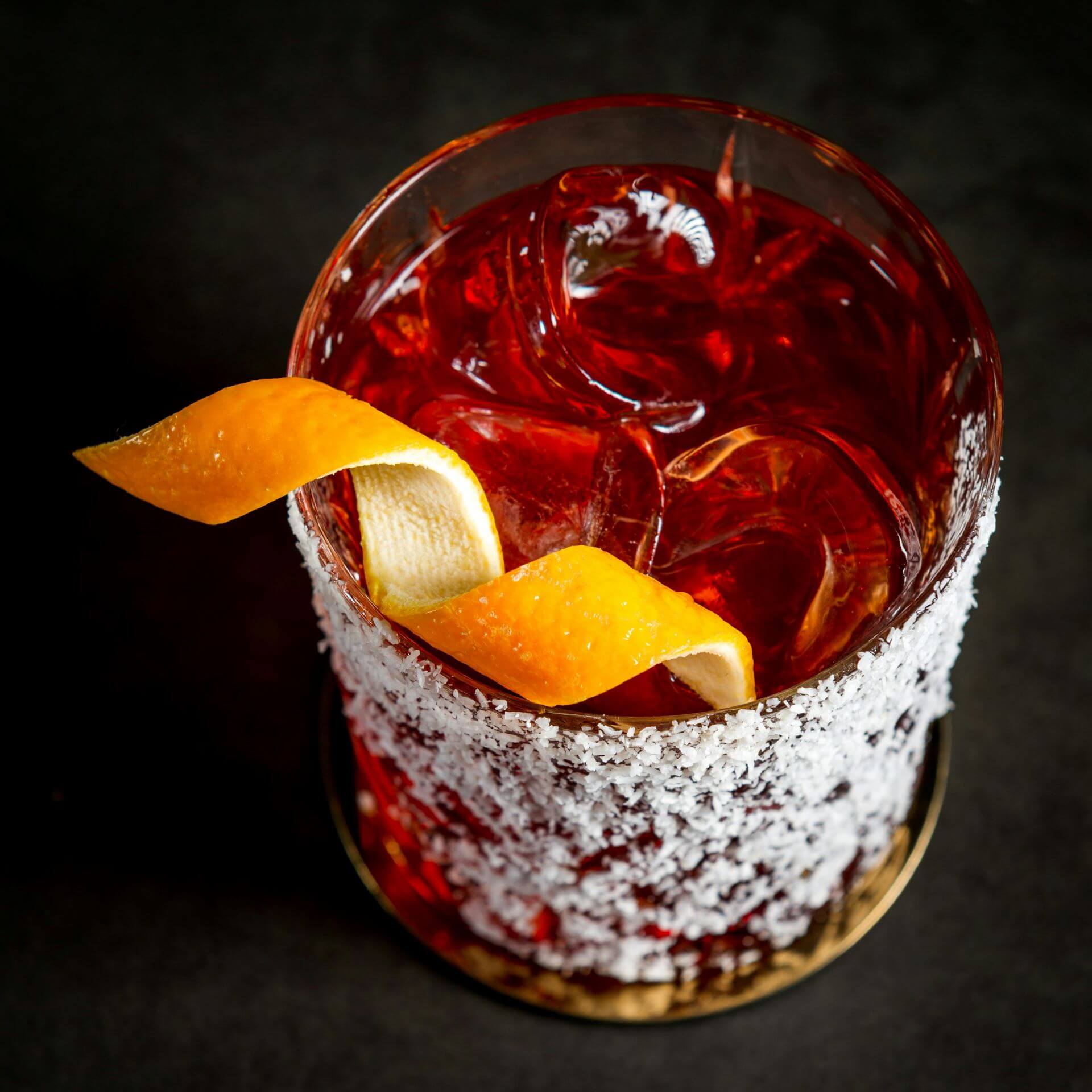
In Italy, hosting rarely begins at the table. It starts earlier, with a carefully chosen drink poured just as conversations begin to warm up. By tradition, this ritual—known as aperitivo—is less about drinking and more about setting the mood, easing into the evening, and bringing people together.
For the modern host, Italian aperitif liqueurs offer a way to recreate that atmosphere at home. Rooted in tradition that remained unchanged yet effortlessly current, these aperitif bottles balance bitter and sweet flavors with just the right amount of alcohol content to start the night on a good note.
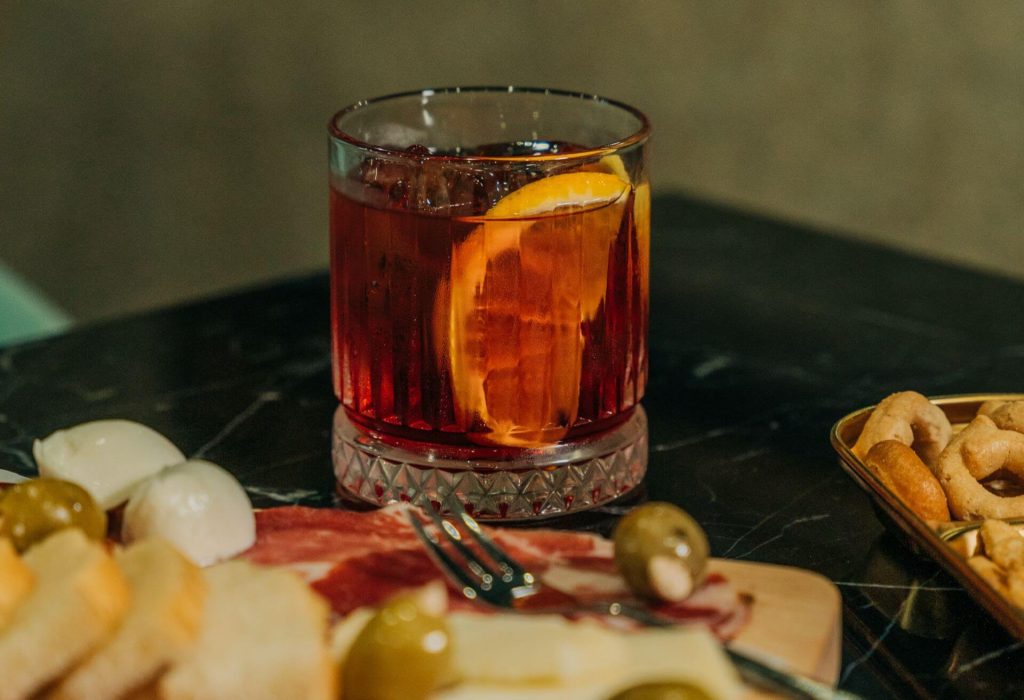
Photo by Francesco Liotti
Understanding the Italian aperitivo tradition
Before selecting from a range of Italian aperitif liqueurs, it helps to understand what aperitivo is to know which bottle suits the occasion. The aperitivo is a pre-dinner ritual that is traditionally enjoyed to stimulate the appetite and prepare the palate for food. Unlike heavier after-dinner drinks, aperitifs are designed to feel refreshing, restrained, and sociable.
Aperitifs often fall between the bitter and sweet liqueur styles. Many feature bitter orange, sweet oranges, aromatic herbs, or citrus peels—ingredients believed to aid digestion while keeping the alcohol content relatively moderate by Italy ABV standards. You can serve it as a mixed drink or simply on ice. Ultimately, the goal is never excess but balance.
It is important to note that while Italian liqueurs like Campari and Aperol are often categorized as aperitivi with fortified wines, they are quite different since the former are spirit-based. They also differ in the manner they are produced as well as their base alcohol.
This philosophy explains why aperitifs are closely tied to wine culture in Italy. They are not meant to overshadow a meal but to gently introduce it, encouraging conversation long before the first plate arrives.
The essential Italian aperitif liqueurs every host should know
Italian aperitif culture spans regions, recipes, and flavor profiles. For hosts building a thoughtful home bar, these bottles are the go-to for classic cocktails and contemporary gatherings alike.
Campari: The benchmark of bitter elegance
Few liqueurs have a long history and are as recognizable as Campari. With its unmistakable red hue, this Italian liqueur is the champion of bitter aperitif culture. Its flavor profile is typically shaped by botanicals like bitter orange peel, aromatic herbs, and roots.
Campari delivers assertive bitter notes that remain well-balanced, making it an essential ingredient in many classic Italian cocktails. Often mixed with soda water or tonic water, it proves that bitterness—when done right—can be refreshing rather than overpowering.
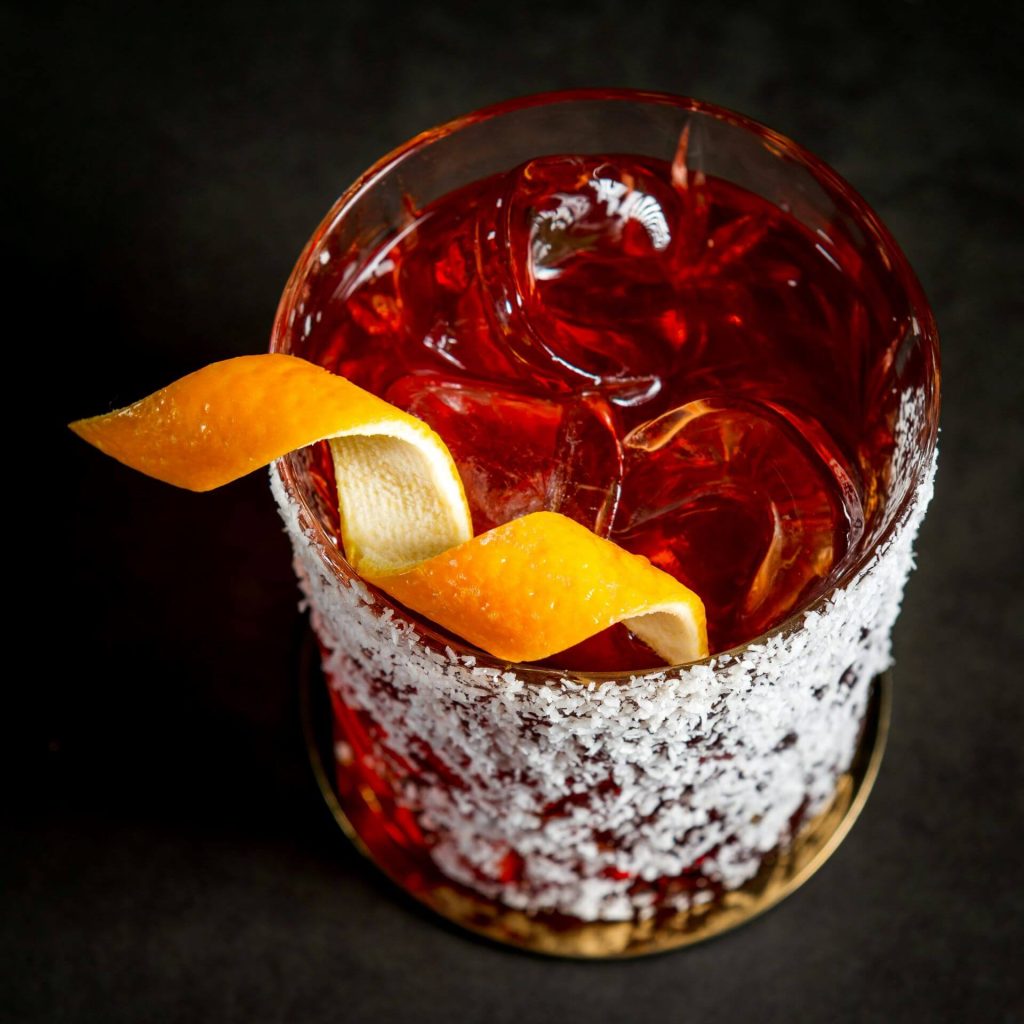
Photo by Riccardo Andolfo
Aperol: Light, bright, and social
If Campari is bold, Aperol is an approachable burst of orange zest. Known worldwide through the Aperol Spritz, this sweet liqueur leans into bitter and sweet oranges. Its relatively lower alcohol content makes it ideal for daytime gatherings and early evening hangouts.
Aperol’s citrus-forward character works effortlessly in mixed drinks, particularly when paired with soda water. For hosts, it offers a crowd-friendly option that feels festive without feeling heavy.
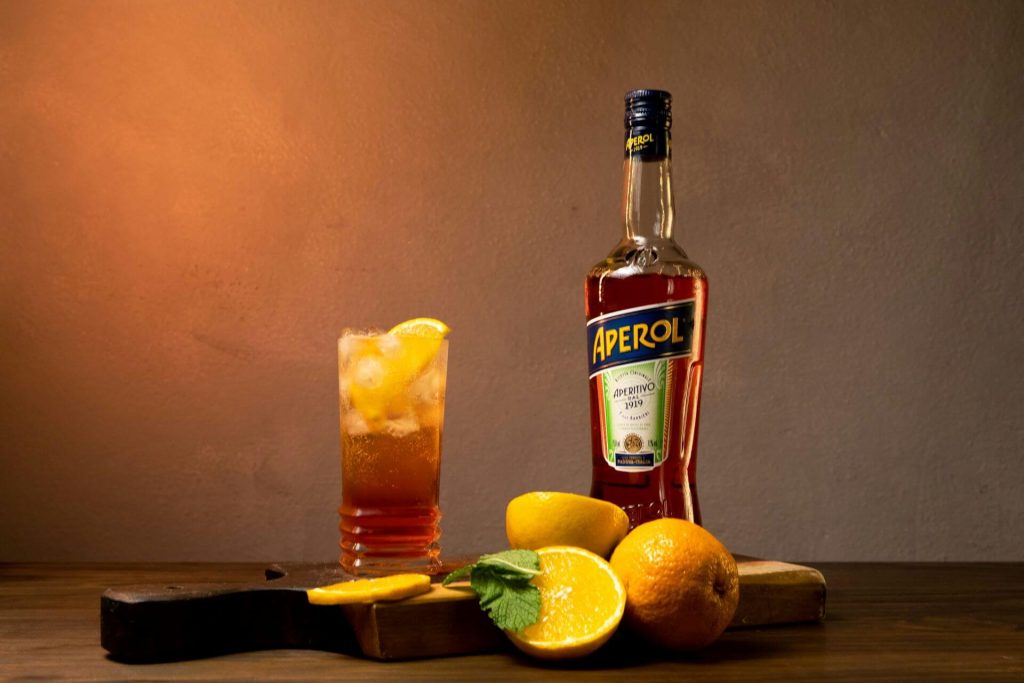
Photo by Vinicius Pittol
Select Aperitivo: Venice’s refined classic
From the Veneto region of northern Italy, Select Aperitivo encapsulates the Venetian taste for measured elegance. It combines bitter herbs, fresh herbs, and aromatic herbs into a profile that feels deeper than Aperol yet less bold than Campari.
Traditionally served in cocktails with equal parts gin and tonic water, Select Aperitivo brings subtle complexity to the glass. Its herbal backbone and balanced bitterness make it a favorite for hosts who appreciate nuance.
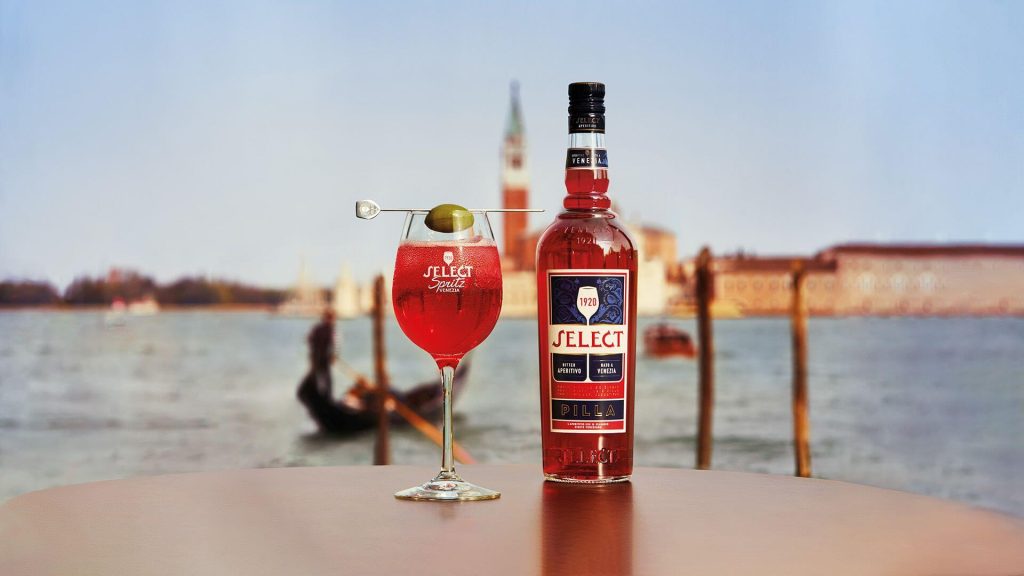
Photo from Select Aperitivo
Luxardo Bitter Bianco: Clear, complex, and modern
Luxardo Bitter Bianco stands apart visually and stylistically. Produced in Friuli Venezia Giulia, this crystal-clear bitter liqueur uses juniper berries, citrus peels, and bitter herbs to create a clean but layered experience.
Crafted in small batches with careful attention to the production process, it is often served on the rocks or used in minimalist cocktails. Its transparency and refined citrus notes appeal to hosts who prefer understated sophistication over bold statements.
Fernet-Branca: Bold and uncompromising
Fernet-Branca is not for everyone, and that is precisely its appeal. This iconic Italian liqueur is built on a secret recipe. The secret blend is made of various herbs and spices that deliver an unmistakably intense experience.
With its powerful bitterness and herbal liqueur profile, Fernet-Branca is often enjoyed neat by seasoned drinkers. For hosts, offering it signals confidence and respect for Italy’s more uncompromising traditions.
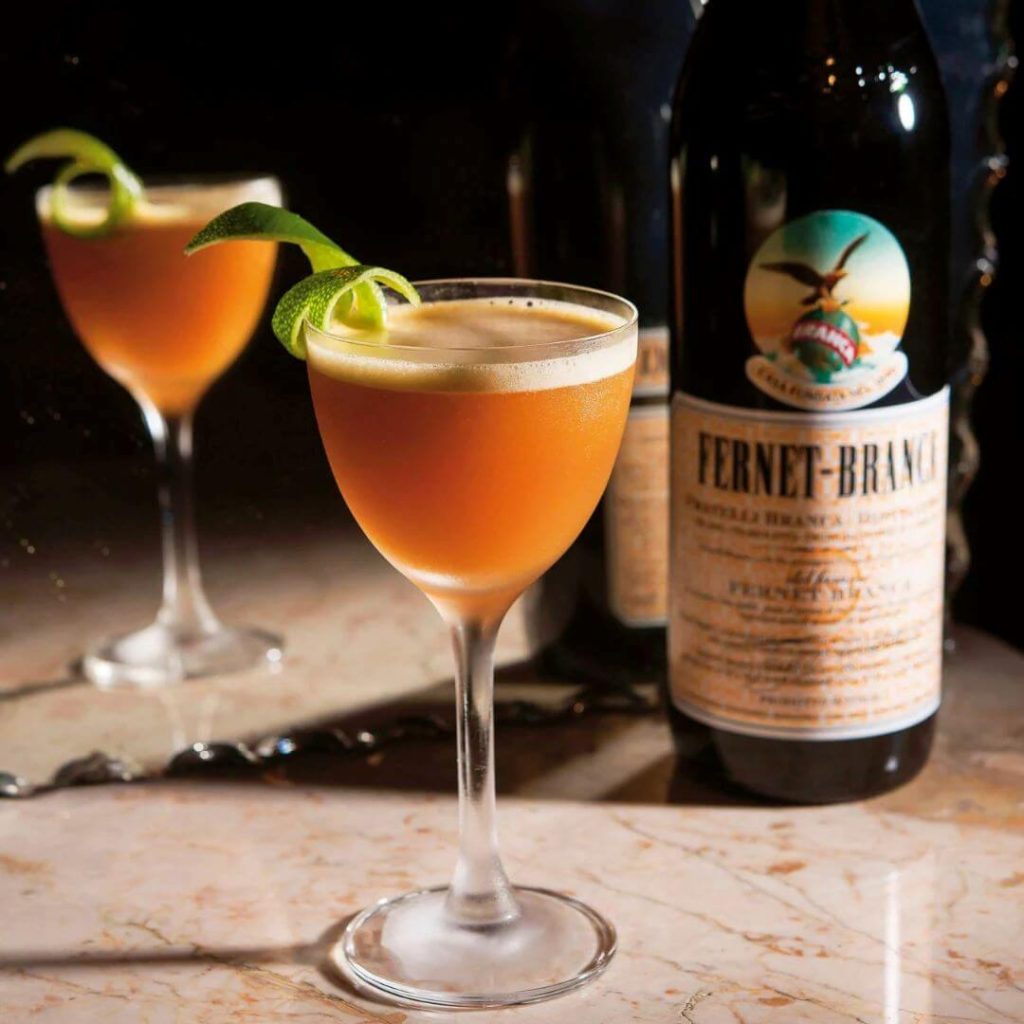
Photo from Italian Deli Online
Amaro Nonino Quintessentia: Depth beyond the aperitif
Amaro Nonino, while rooted in amaro tradition, is sometimes enjoyed as a complex aperitivo choice, especially for those who appreciate nuanced herbal spirits. Aged in oak barrels, it develops a viscous texture and medium-bodied richness shaped by gentian root, dried fruit, burnt sugar, and apricot kernel oil.
Enjoyed neat or over ice, it is often cited as worth seeking despite its highest price among many aperitif bottles. Its depth makes it a versatile choice for hosts who value tradition and craftsmanship.

Photo by Adam Jaime
If you are feeling indulgent, you may want to go for Italian liqueurs that have been marked double gold such as Amaro Montenegro, Rastafia Rossi La Rossa, Fiorito Limoncello, Caffè Borghetti, and the Volare Collection.
How Italian regions shape aperitif flavors
Italian aperitif liqueurs are deeply influenced by geography. Take northern Italy, where cooler climates favor herbal liqueurs with gentian root, juniper berries, and floral notes. Regions like Friuli Venezia Giulia and Veneto produce styles that emphasize clarity, balance, and restraint.
Central Italy often blends bitter and sweet elements, creating well-balanced profiles that bridge citrus and herbs. Meanwhile, southern Italy leans into brightness, drawing from citrus peels, sweet oranges, and sun-drenched ingredients found along the Amalfi Coast.
In Emilia Romagna, producers often favor complexity through spices, bitter herbs, and layered aromas. These regional differences explain why Italian aperitifs feel diverse yet cohesive, unified by a shared respect for balance and tradition.
Serve Italian aperitif liqueurs like a true connoisseur
Italian aperitif culture prioritizes intention and balance over elaborate preparation. Simplicity is part of the culture. Many aperitifs shine when served on the rocks, as this allows their flavor profile to unfold naturally.
Others work best lengthened with soda water or tonic water, keeping the drink light and refreshing. Choosing the perfect aperitif depends on the time of day, the food to follow, and the preferences of your guests.
What matters most is how you serve it and the timing. A thoughtfully chosen aperitif for the right occasion becomes an essential ingredient in the evening itself. Choose one that encourages conversation, slows the pace, and sets the tone for everything that follows.
Create evenings to remember
Italian aperitif liqueurs reflect a way of living that values balance, connection, and quiet confidence. Whether bitter, sweet, or somewhere in between, these bottles tell stories of regions, traditions, and time. For the modern host, learning this culture is less about collecting labels. The key is understanding when to pour, how to serve, and why simplicity often speaks the loudest.
