


Ever come home from a trip feeling like your body is still stuck in a different time zone? You’re finally back with bags unpacked, emails answered, routines waiting, but your sleep refuses to cooperate. Nights feel oddly long, afternoons blur into exhaustion, and even familiar surroundings don’t quite register. This disorienting limbo is jet lag, and for travelers who often move for work or leisure, learning to reset quickly is a valuable skill.
Rapid recovery from jet lag isn’t just about not having difficulty falling asleep altogether or powering through fatigue. Real recovery means helping your body adjust naturally and gently guiding it back to balance so daily life can resume with clarity and energy.
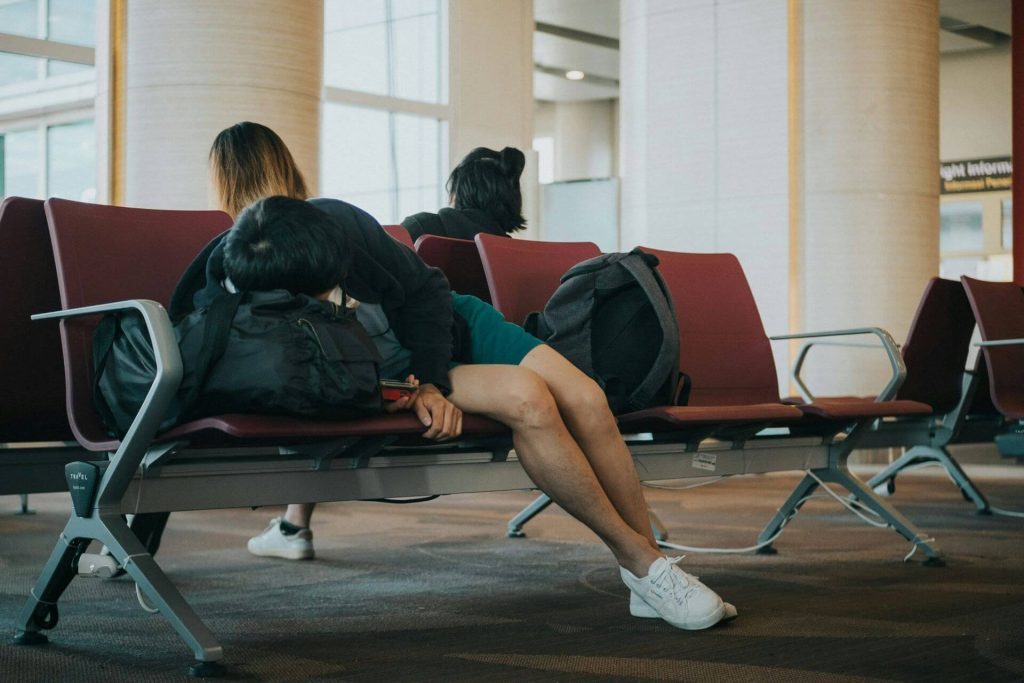
Photo by Joyce Romero
Why jet lag affects your body
Before learning how to recover from jet lag, it helps to understand the basic symptoms of jet lag, why it happens, especially after crossing multiple time zones.
How the body’s internal clock works
The cause of jet lag lies in your body’s internal clock, also known as the circadian system. This system regulates the sleep-wake cycle, alertness, digestion, and even mental performance. It relies heavily on light exposure, specifically natural light and darkness, to stay aligned.
When you suddenly move across a different time zone, your circadian rhythm no longer matches local time. Melatonin production, which signals when it’s time to sleep, becomes mistimed. This circadian misalignment is why you have trouble falling asleep at night or feel sleepy during daylight hours.
Why jet lag feels worse on some trips
Jet lag tends to be worse when flying east. Traveling east requires the body to fall asleep earlier than usual. Flying west, on the other hand, often feels easier because staying awake slightly longer is more natural for most people.
Several factors affect jet lag duration: the number of time zones crossed, sleep patterns before travel, and even age. Cross enough multiple time zones in the wrong direction, and your body’s adjustment process takes longer.
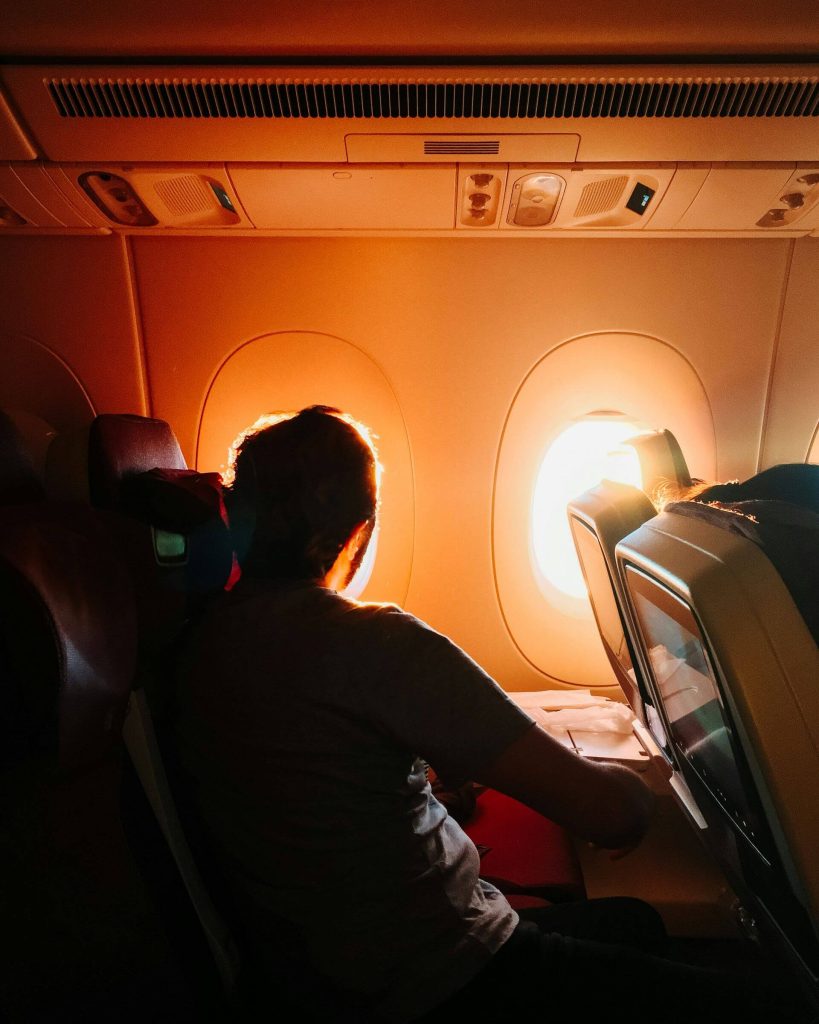
Photo by Val Vesa
How to spot jet lag early
Noticing jet lag early can help minimize symptoms before they linger longer than necessary.
Sleep-related and physical symptoms
The most familiar jet lag symptoms revolve around falling asleep. Difficulty sleeping through the night is common in the first few hours and days upon arrival. Some people wake far too early, while others feel unable to fall asleep until dawn.
Daytime sleepiness often follows, paired with feeling tired despite spending enough hours in bed. Digestive issues can also appear—stomach aches, stomach problems, and general discomfort—making it harder to enjoy meals. Choosing lighter meals and staying hydrated can help avoid stomach aches during this adjustment phase.
Mental and performance effects
Beyond physical fatigue, jet lag can dull focus and mental performance. Concentration drops, reaction times slow, and simple decisions feel heavier than usual. More than sleep deprivation, travel fatigue is the body signaling that its rhythm is temporarily out of sync.
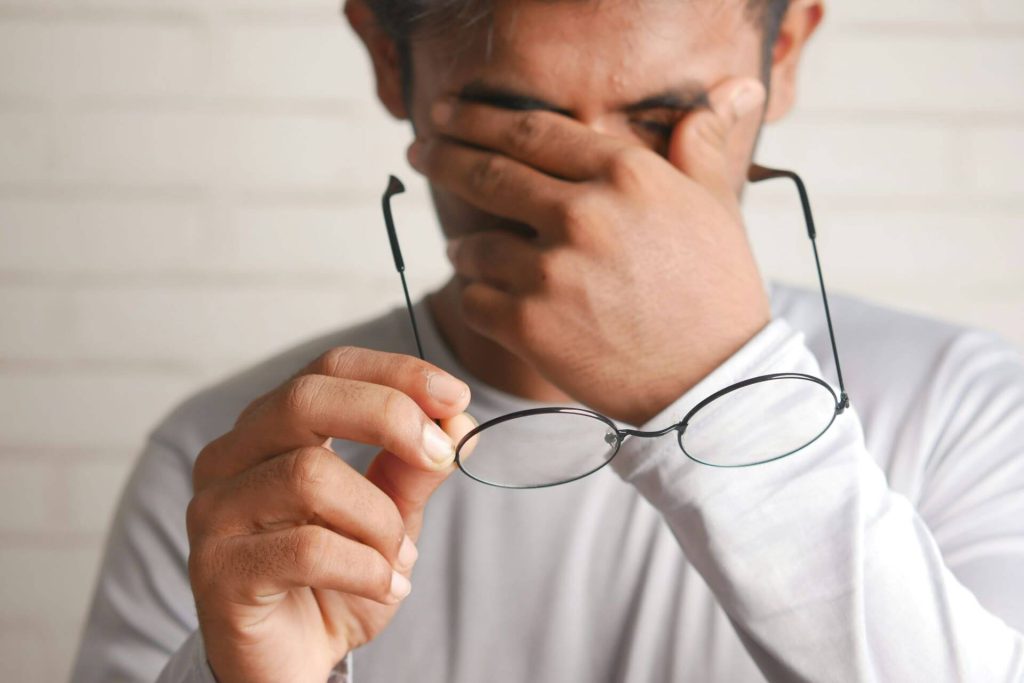
Photo by Towfiqu barbhuiya
How to reduce jet lag symptoms
The most effective way to minimize jet lag often begins before boarding the plane.
Adjust your sleep schedule in advance
Gradually shifting your sleep schedule a few days before departure can help avoid jet lag altogether. Going to bed earlier when flying east or slightly later when flying west allows your circadian rhythm to start aligning with the new schedule.
This doesn’t require a dramatic change either. Small adjustments at the appropriate time are enough. Even easing into a new schedule by 30 to 60 minutes can improve sleep quality once you arrive.
Smart pre-flight habits
What you do before and during long flights also matters. Drink plenty of water and stay hydrated throughout the journey. Dehydration makes jet lag worse and contributes to headaches and difficulty sleeping.
Limit alcohol and avoid too much caffeine, especially toward the latter part of the flight. Heavy meals can disrupt sleep and digestion, while lighter meals support smoother adjustment. During in-flight hours, short walks and gentle stretching help circulation and prepare the body to recover from jet lag faster.
Techniques to recover from jet lag faster upon arrival
The first few hours after landing are also a crucial moment where you can do most of the techniques so your body recovers faster.
Managing light and activity on arrival
Once you arrive, shift immediately to local time. Spend time outdoors during daylight hours, especially in the morning if you’re flying east. Natural light and bright light signal the internal clock to reset, helping regulate melatonin production.
Staying awake during the day—even when tired—can speed up jet lag recovery. Short naps are fine, but long daytime sleep can delay adjustment. Light physical activity, such as walking, helps your body recover without overstimulation.

Photo by S O C I A L . C U T
Improving sleep quality without forcing it
At night, aim for restful sleep rather than perfect sleep. Create a calm environment, limit screens, and let your body ease into falling asleep naturally. Forcing sleep often backfires, increasing frustration and wakefulness.
Consistency matters more than duration. Going to bed and waking up at the same local time each day supports better sleep and helps overcome jet lag more smoothly.
When recovery takes longer than expected
For most travelers, jet lag lasts only a few days. But some experiences take longer.
Typical recovery timelines
As a general guide, the body needs about one day per time zone crossed to fully adjust. That means jet lag duration may range from a few days to a week. In rare cases—especially with frequent long-haul travel—it may take a few weeks for sleep patterns to normalize. Factors like age, stress, and prior sleep deprivation influence how quickly the body’s recovery process.
Medical guidance and sleep aids
Some travelers consider sleep aids, sleep medicine, or sleeping pills to manage symptoms. These should be used cautiously and only after consulting a healthcare provider. Overuse can worsen sleep disorders and delay natural recovery.
Health authorities, including disease control organizations, emphasize non-medical approaches first. Treating jet lag with light exposure, hydration, and routine adjustment is safer than relying on medication to cure jet lag.
You can also check references like the Journal of Biological Rhythms (J Biol Rhythms), a peer-reviewed source for research into these mechanisms.

Photo by bruce mars
Letting the body realign naturally
Ultimately, jet lag is temporary. While the discomfort can be frustrating, the circadian system is remarkably adaptive. With thoughtful preparation, mindful light exposure, and patience, the body will eventually adjust on its own timeline.
Recover from jet lag by listening to your body, prioritizing quality sleep, and respecting rest as part of overall well-being, not a setback. When travel ends, recovery becomes its own rewarding journey home.
